The Catalan anti-poverty project that 'impressed' Pope Leo XIV
A decade before becoming pope, Robert Francis Prevost visited the Ateneu Sant Roc Foundation in Badalona and praised its community work
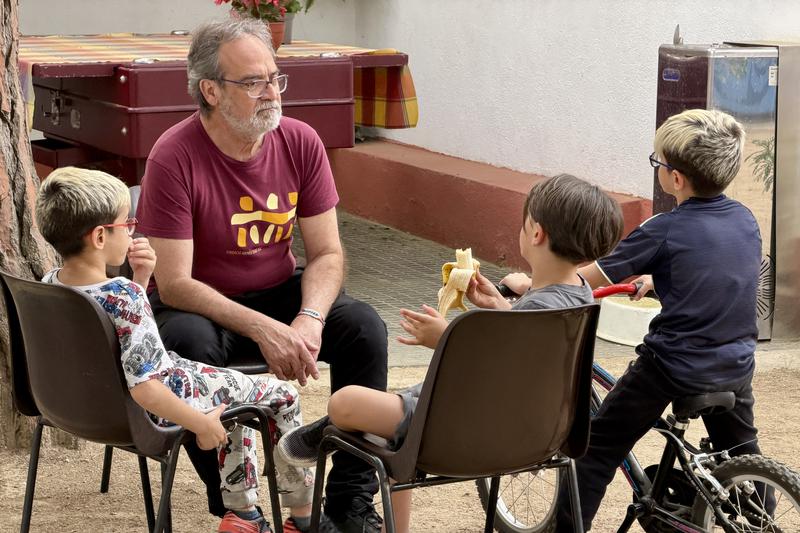

Pope Leo XIV will visit Catalonia on June 9-10, a year after his election to the papacy. But it will not be his first time on Catalan soil.
Just over a decade ago, when he was prior general of the Order of Saint Augustine, Robert Francis Prevost visited the parish of Sant Roc in Badalona – just north of Barcelona – and the Ateneu Sant Roc Foundation.
"Who would have thought then that today we would be talking about the Pope?" recalls Salvador Figuerola, the foundation's director.
During his visit, Prevost was "impressed" by the foundation's community work in a challenging neighbourhood in southern Badalona, where poverty has become "entrenched."
In an internal report for the Augustinian order, the future pope recorded his admiration, writing: "Many lay people set a great example for us."
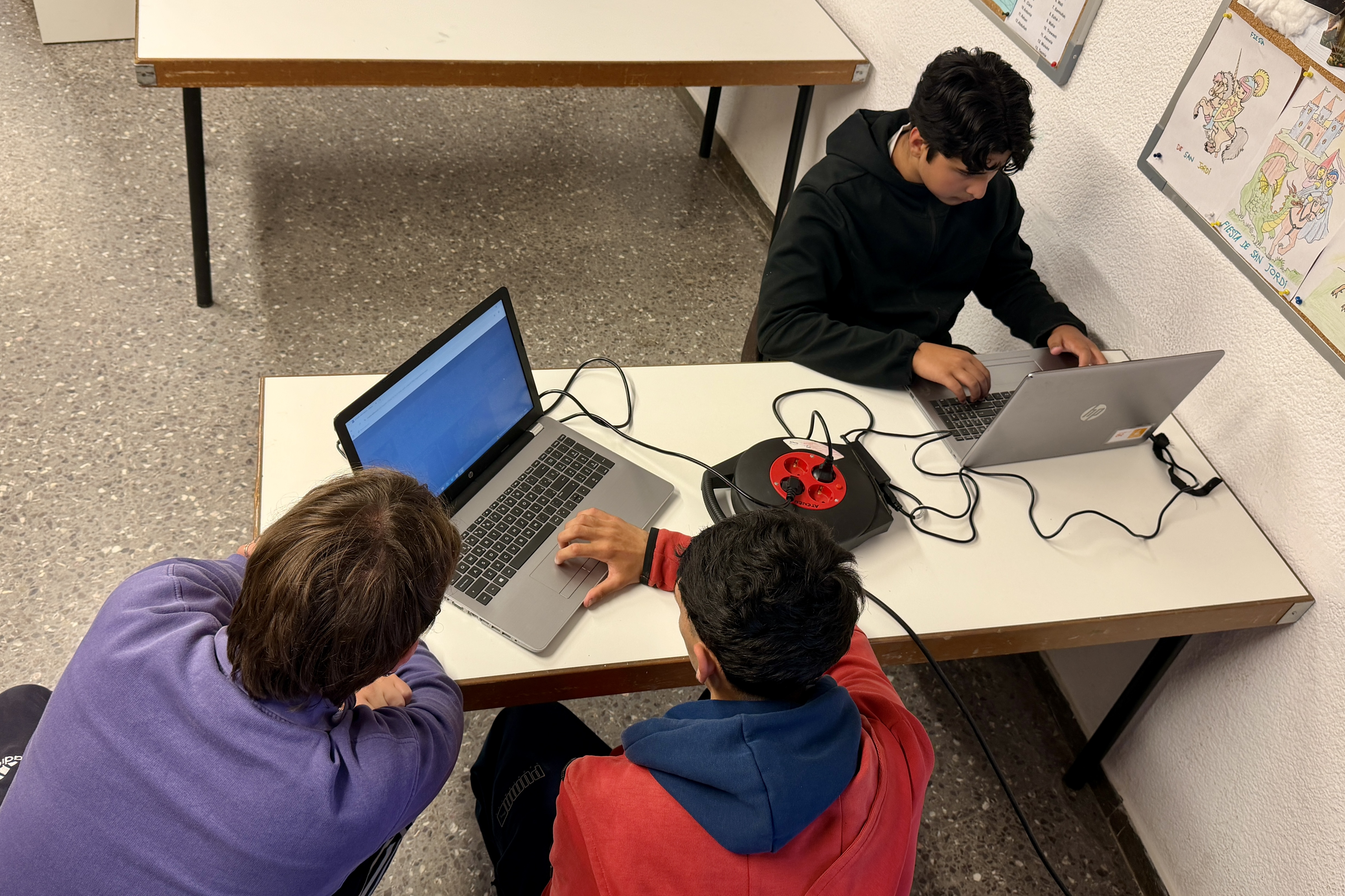
For the past 60 years, the organisation has worked to promote social inclusion, equal opportunities and the personal development of people at risk of exclusion. Following his visit to Badalona, Prevost wrote that these values "respond to what the Church is asking of us today."
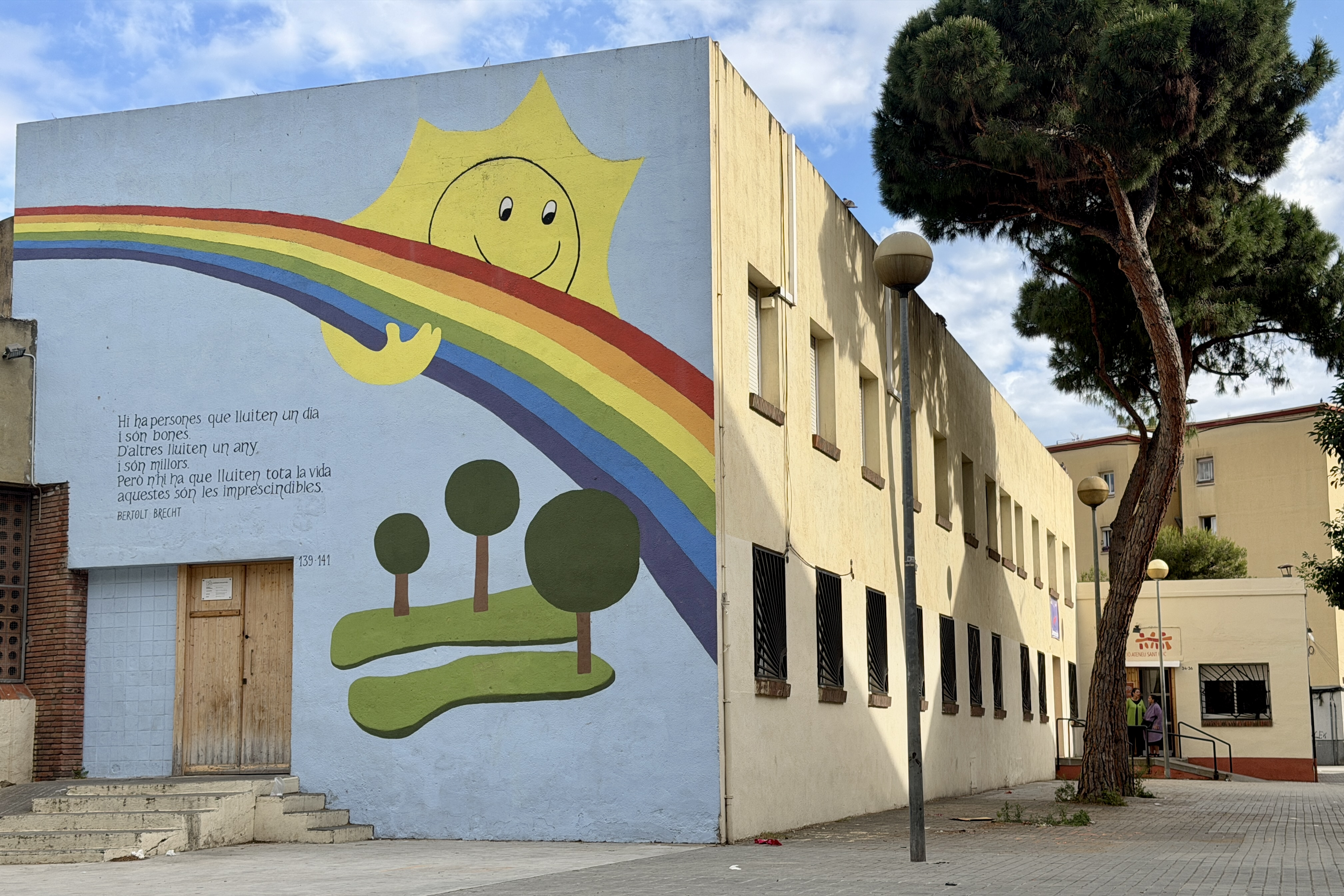
The Ateneu Sant Roc Foundation provides support for the basic needs of vulnerable groups in the neighbourhood, with most of its programmes aimed at children, young people and women.
Between 250 and 300 people pass through its doors every day, while more than 19,000 people take part in one of its projects over the course of a year.
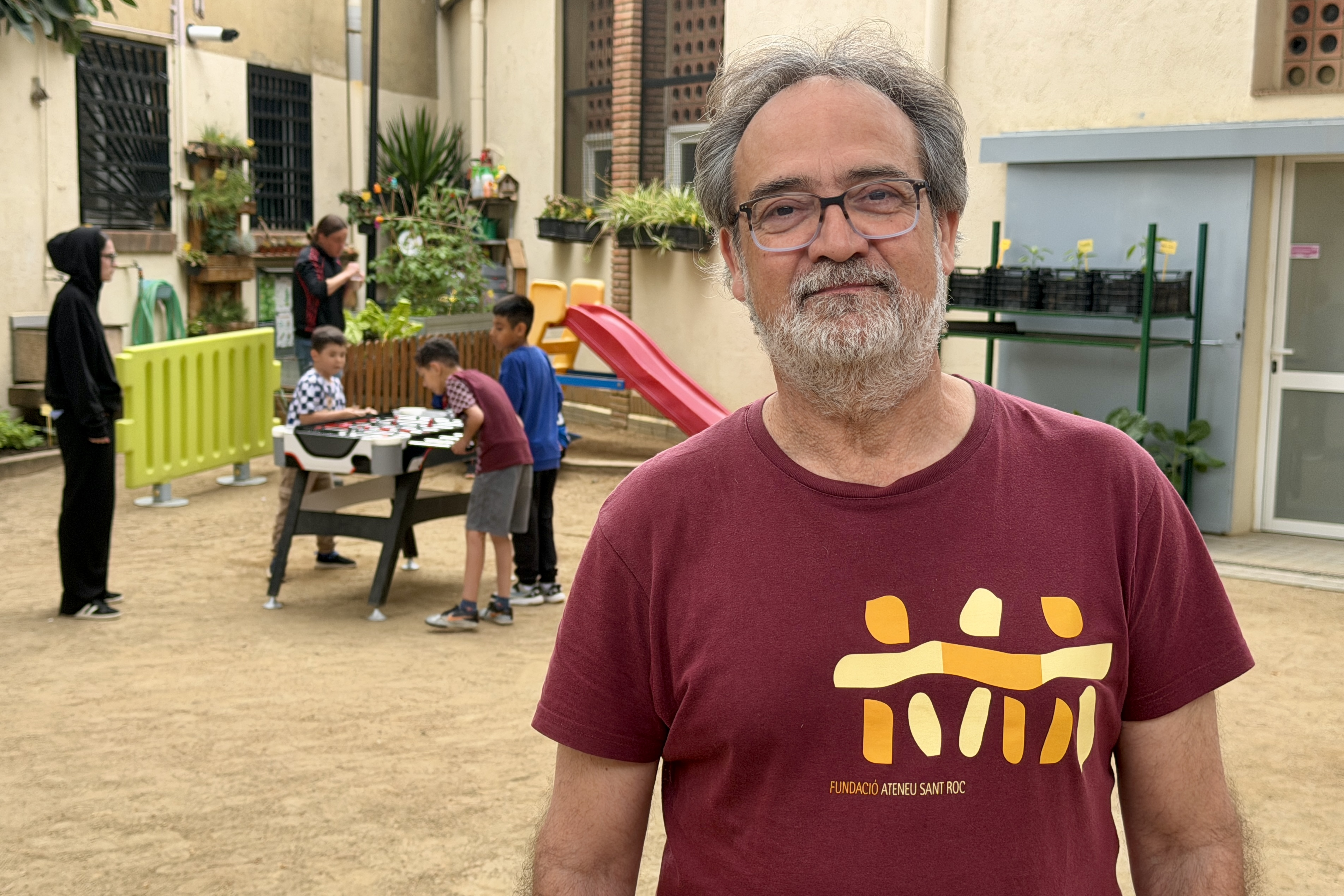
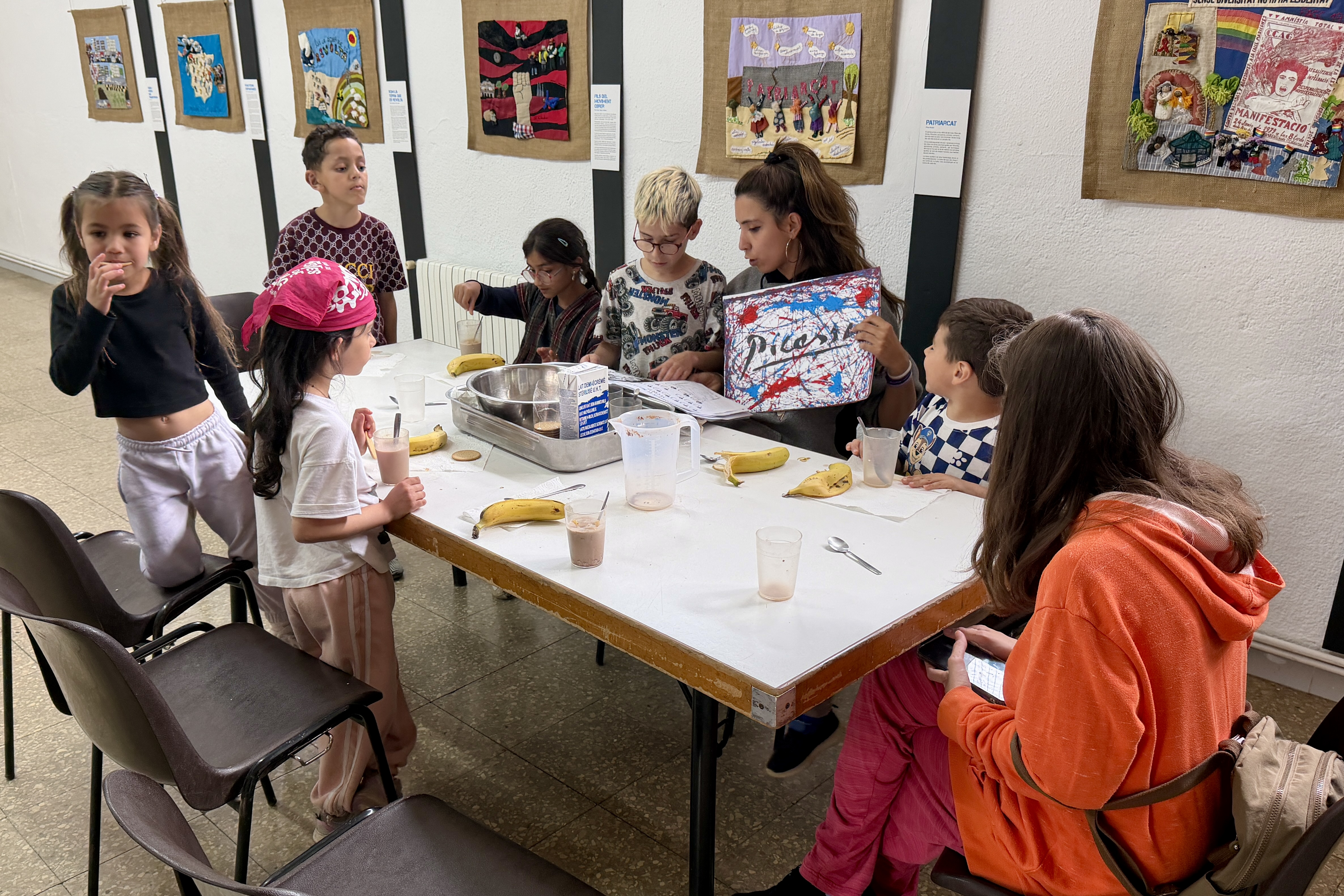
Activities range from after-school tutoring and providing children with meals containing staples such as milk, fruit, bread and nuts, to offering shower facilities to help promote hygiene habits.
The foundation also works on social skills through arts, games and sport.
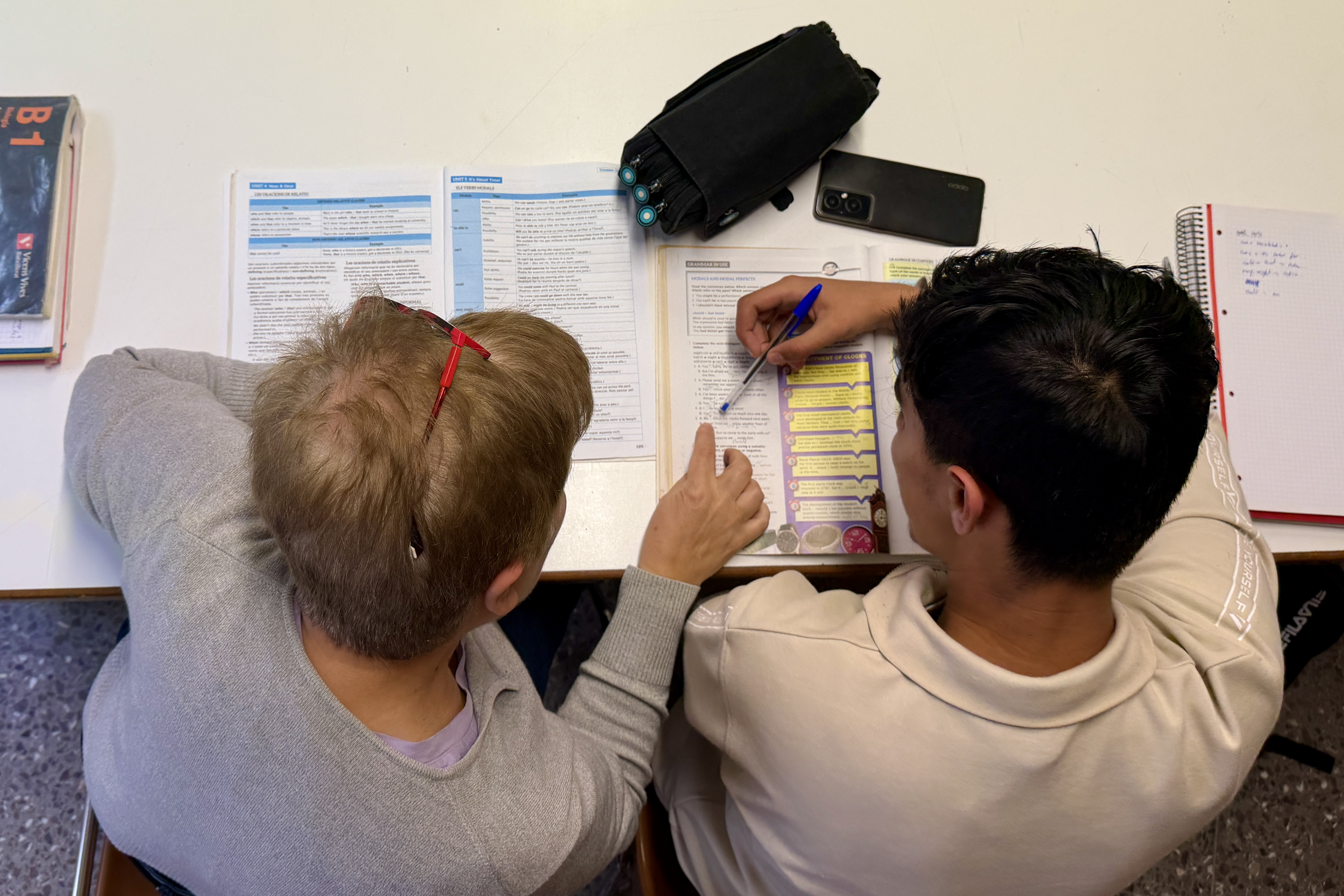
Figuerola says such basic interventions are critically important in a neighbourhood where poverty affects almost every aspect of daily life.
High rates of school absenteeism and low educational attainment, the housing crisis, poor public health, high unemployment and the deterioration of public spaces all weigh heavily on Sant Roc.
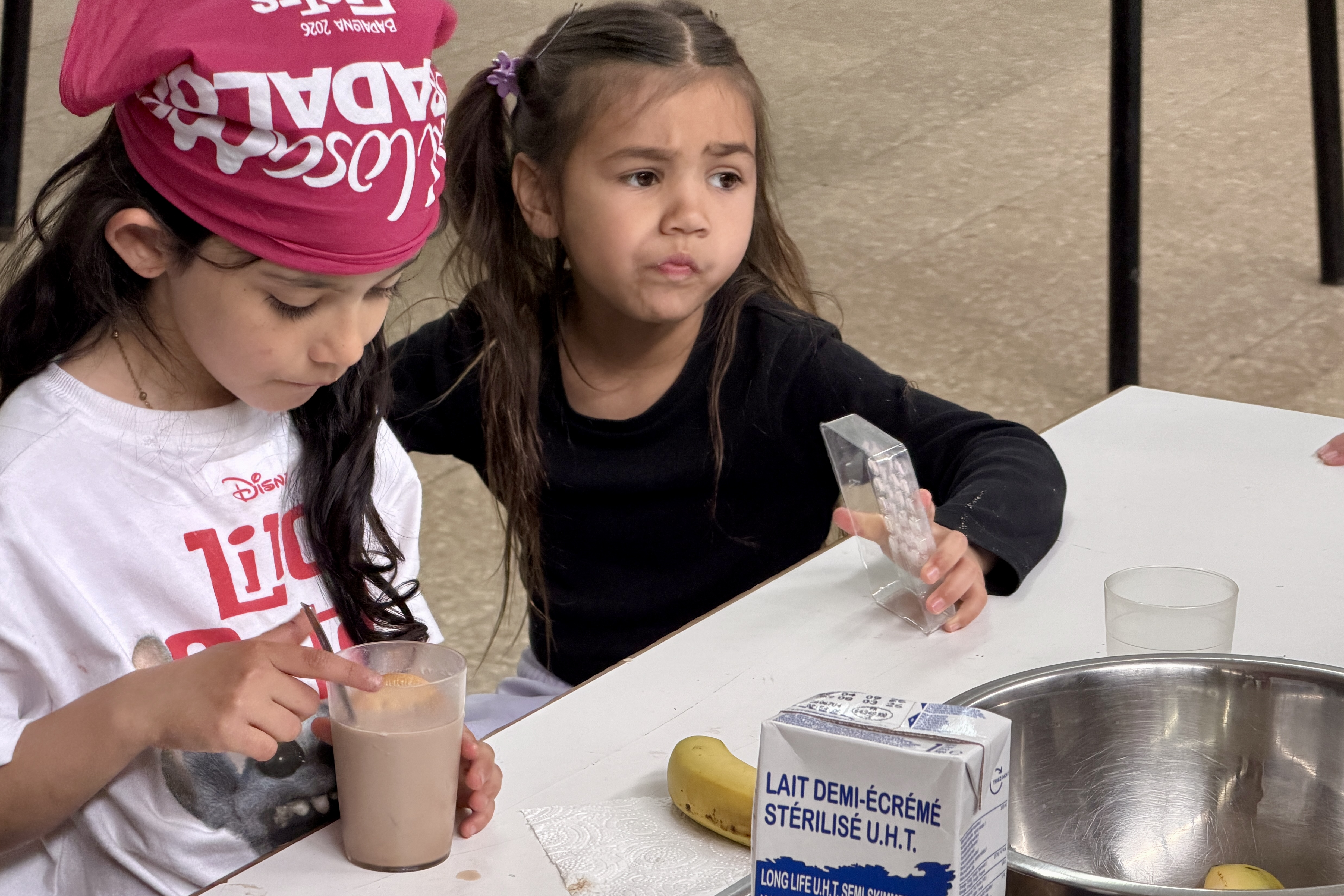
"Things that many of us consider basic simply do not exist here," the foundation director says.
As a result, he explains, the organisation's work is multidisciplinary, designed to reach as many people as possible in a "complex reality" marked by a great "diversity of cultures, languages and religions."
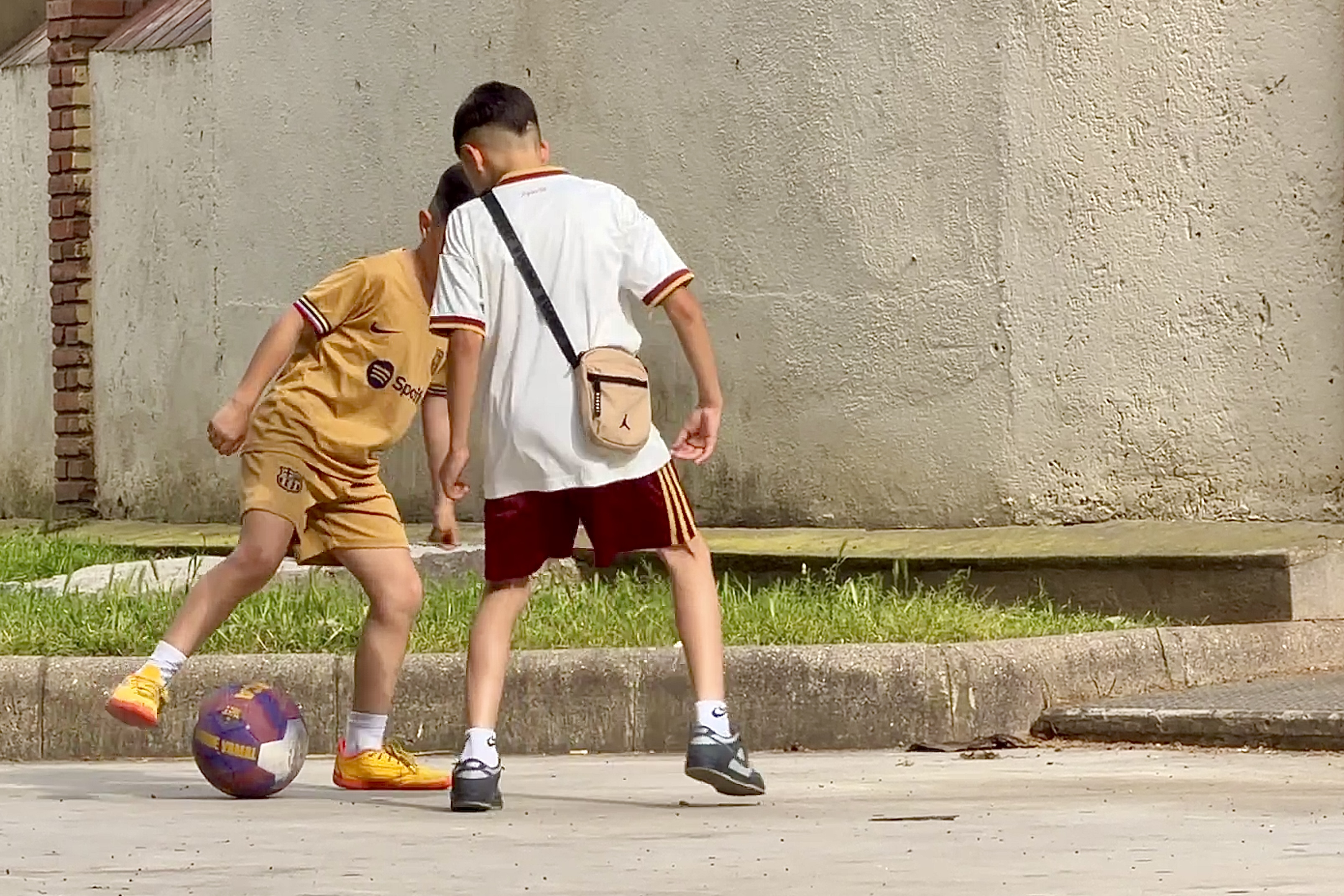
It was precisely this way of working that made a positive impression on the future pope during his visit to Badalona just over a decade ago.
Now, his election to the papacy has brought "a great deal of hope" to the people of Sant Roc.
At a time of violence and war, Figuerola says, it is encouraging to see individuals and institutions committed to human rights and a culture of peace.