Summer tourism in Catalonia holds strong despite higher prices and shorter stays
Record July hotel visitors and August solar eclipse boost season, while heatwaves hit restaurants
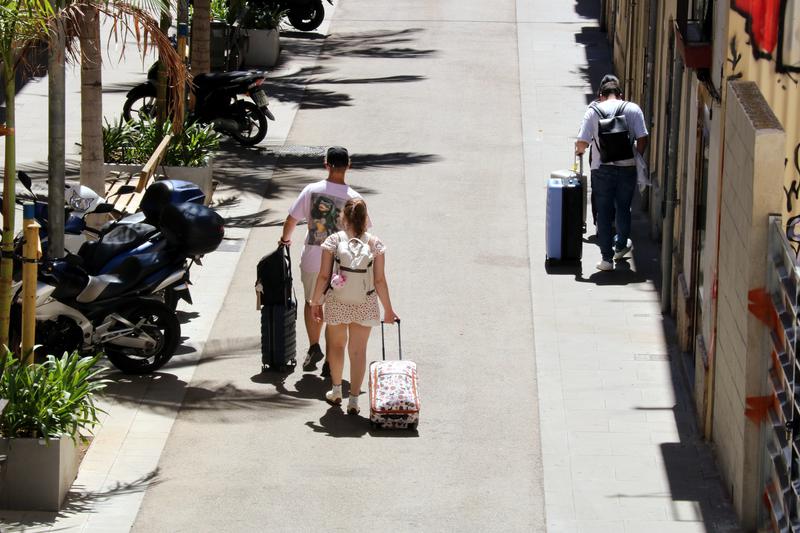

Catalonia's summer tourism season is coming to a close on a positive note, with hotels recording record visitor numbers in July despite rising prices and shorter stays, while the solar eclipse in August provided an additional boost in western and southern areas.
Hotels recorded more than 2.7 million travellers in July, according to Spain's National Statistics Institute (INE), taking the January-July total above 13 million for the first time. Foreign arrivals rose 4% year-on-year, compared with a 1.3% increase among residents of Spain.
Hotel prices in July were 33.9% higher than in 2019, before the pandemic, while rates rose 4.7% from July 2025. Despite the increases, 64% of Spanish hoteliers expect occupancy to exceed last year's levels in 2026, according to a report by Booking and Statista.
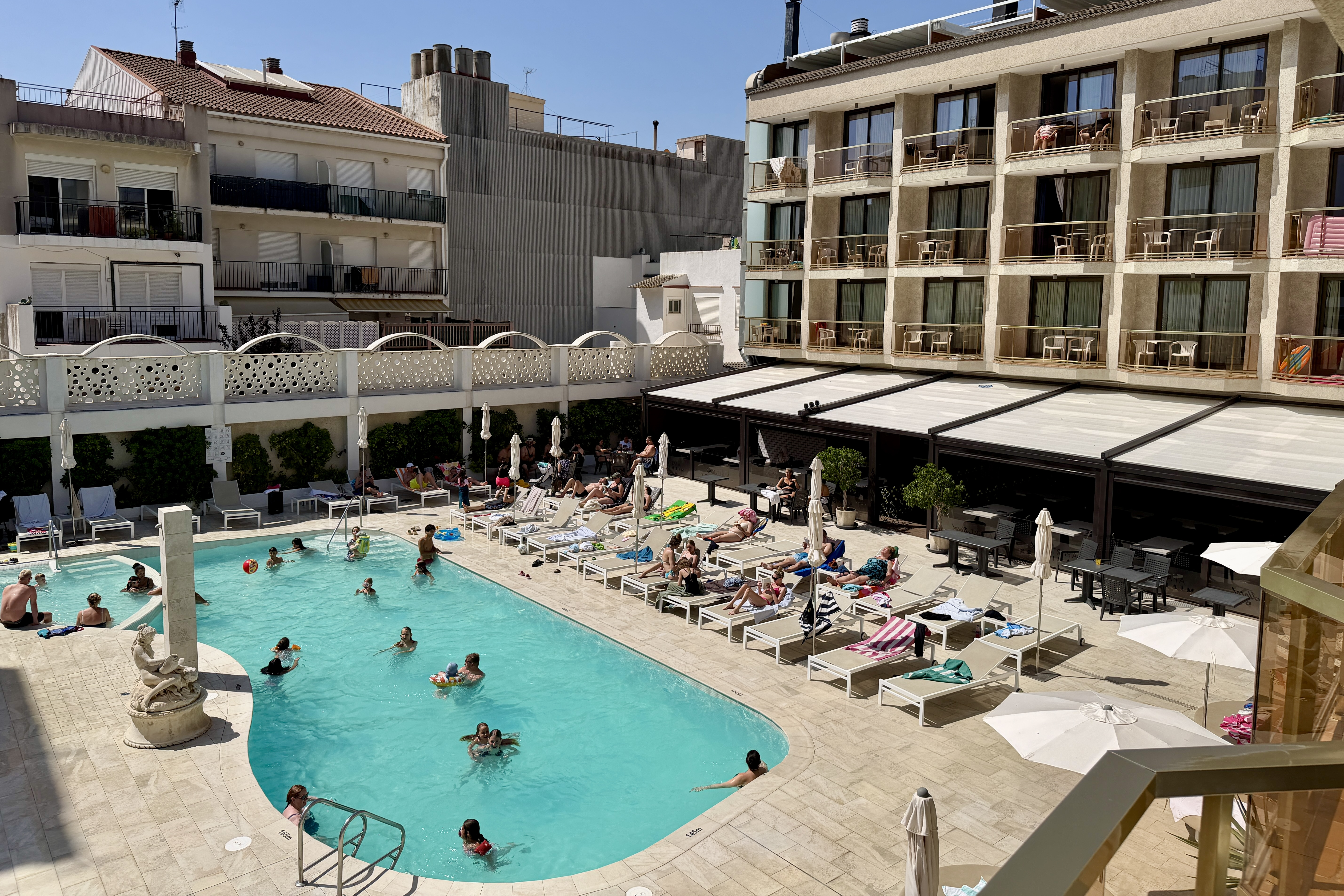
Campsites also performed strongly. The Catalan Camping Federation expects the sector to reach 22 million overnight stays this year, "a record figure again," helped by growing demand outside the traditional July-August peak.
Miquel Gotanegra, president of the federation, said heatwaves had significantly increased electricity use, with some campsites seeing consumption double in July. "Motorhomes and bungalows are increasingly better equipped with air conditioning," he said.
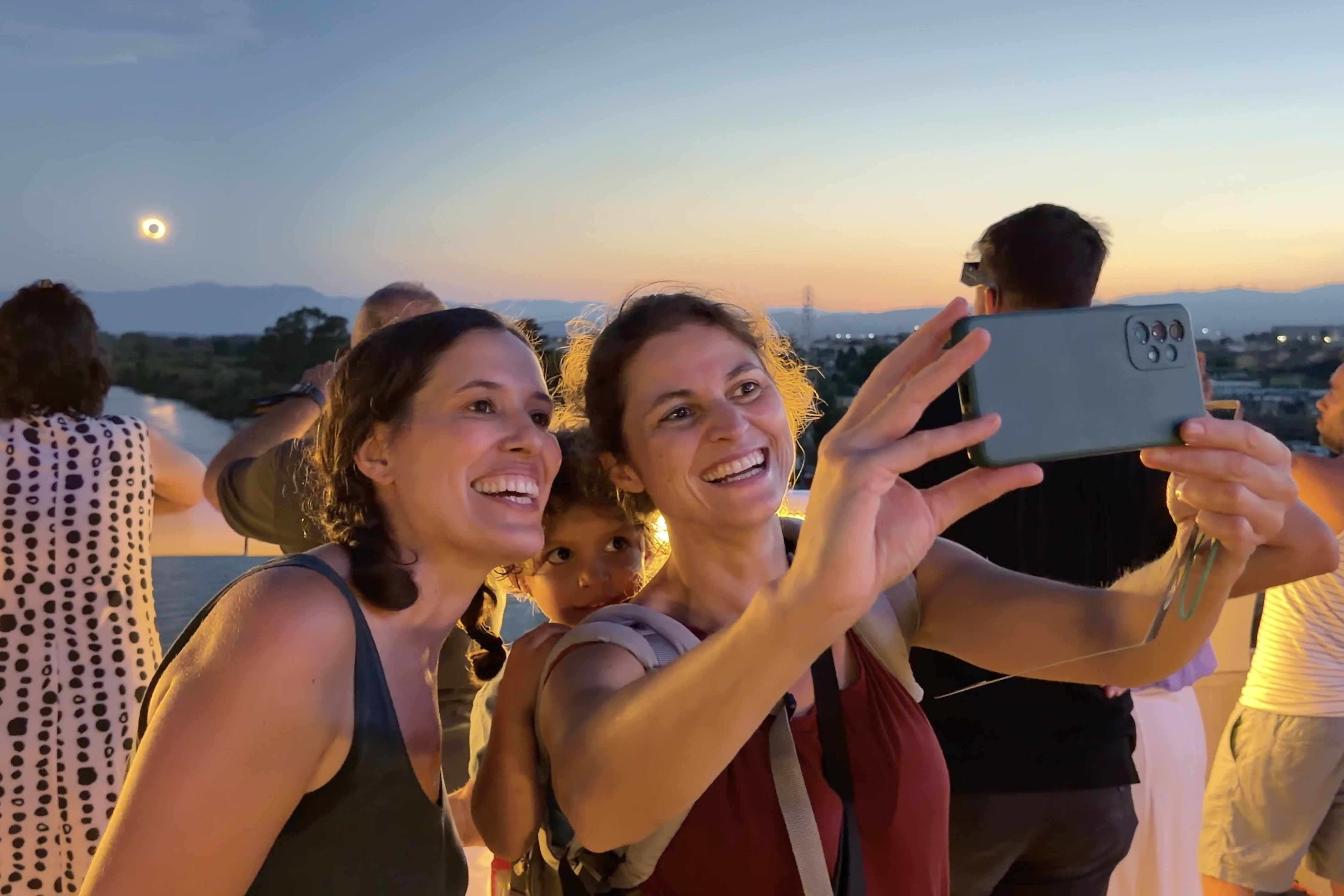
The solar eclipse on August 12 generated particularly strong demand in western and southern Catalonia.
In Lleida, hotels, rural accommodation and campsites reached occupancy rates of 90% to 95% during the first half of August. Juan Antonio Serrano, vice-president of Lleida's regional tourism board, said the event had a "very significant" impact in areas such as Les Garrigues and Segrià, where accommodation was fully booked.
"It was an excellent opportunity that allowed people to get to know the area," Serrano said.
In the south, on the Costa Daurada and in the Terres de l'Ebre, summer occupancy reached between 85% and 95%. Xavier Guardià of the Tarragona Federation of Hospitality and Tourism Businesses said the season was similar to the previous two years, although July was "slow to get going."
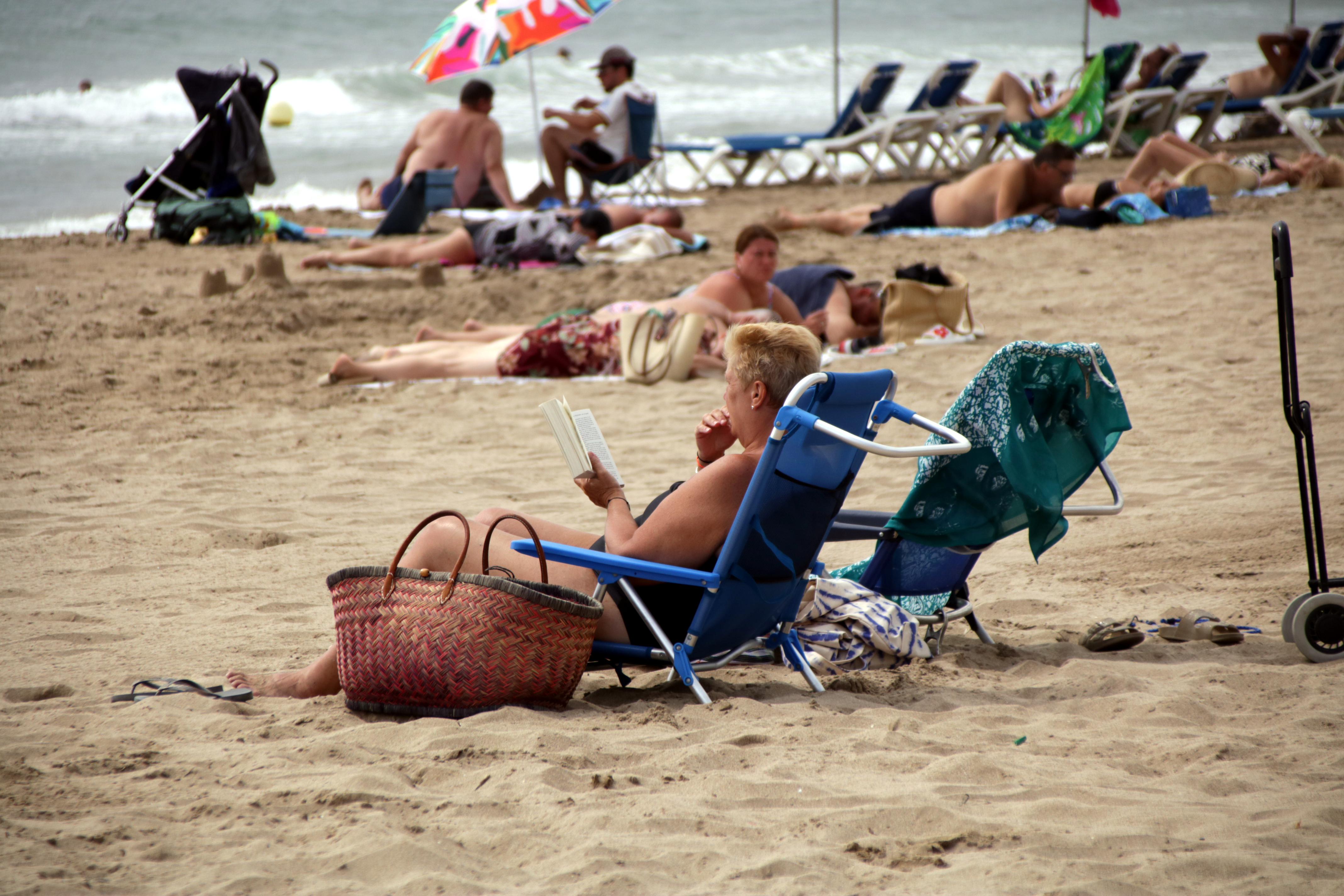
Stays are increasingly short, typically three to four days, with visitors mainly from Spain, France and Britain. "The old practice of spending two or three months in a summer resort no longer exists," Guardià said.
The Costa Brava also reported strong occupancy, with the Costa Brava Centre Group putting rates at 90% to 95% from the late June Sant Joan holiday to the end of August. Campsites in Girona province recorded occupancy of 65% in July and 80% in August.
High temperatures, however, reduced restaurant footfall in some areas and pushed down average spending. In the Maresme, north of Barcelona, where hotel occupancy reached 90% to 95% in August, Deibys Lugo, president of the Mataró and Maresme hospitality association, said: "The hospitality sector continues to work just as much, but the challenge of making a profit has not been resolved."
In Central Catalonia, rural tourism recorded occupancy of up to 80% in August. The Berguedà Agritourism Association said swimming pools had become a "decisive factor" for visitors during the hot summer.
The tourism sector expects demand to remain solid into September and October, supported by efforts to extend the season beyond the peak summer months.