Spain's new traffic rules: what changes for drivers, riders and pedestrians?
Motorcyclists required to wear gloves, while minimum age of 15 for electric scooter riders
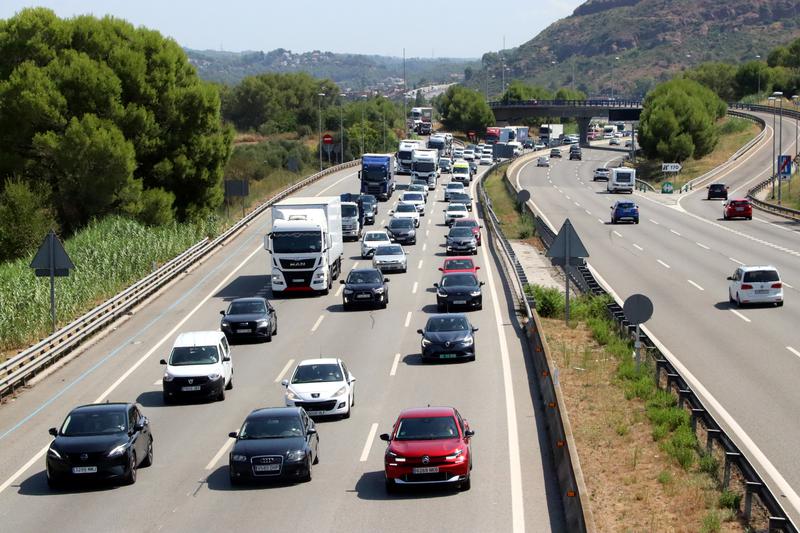

New traffic regulations came into effect Thursday, October 1, and almost everyone on the road is affected, from drivers, motorcyclists, cyclists, e-scooter riders, to even pedestrians.
Spain's traffic authority, the Directorate-General for Traffic (DGT), decided to update the General Traffic Regulations to keep pace with how mobility has changed over the last two decades. Here's what changes.
If you drive a car
Drivers have new rules for passing bicycles. To overtake a cyclist on an interurban road, meaning roads outside towns and cities, a driver must be traveling at least 20 km/h below the speed limit for that stretch. In towns and cities, a vehicle behind a bicycle in the same lane must now keep a gap of at least five meters.
The rules also change what drivers do when traffic stops. If an accident brings traffic to a complete standstill, vehicles must move to the sides of the road to open an "emergency lane" for police and other emergency vehicles. Similar measures apply when it snows, so snowplows can get through.
If you ride a motorcycle
Motorcyclists see some of the most noticeable changes. Riders and passengers must now wear protective gloves and closed-toe shoes on interurban roads. Riding without gloves is a serious offense with a €200 fine.
"From now on, they might be caught off guard if the police stop and fine them," said Adrián Sánchez, director of content and training at the Hoy Voy driving school chain, which has 47 centers across Spain and more than 30,000 students a year.
Furthermore, in traffic jams, motorcyclists may now ride on the right-hand shoulder at up to 30 km/h. Traffic authorities have said that won't be allowed in Catalonia for the time being, though it will be in the rest of Spain.
If you ride an e-scooter
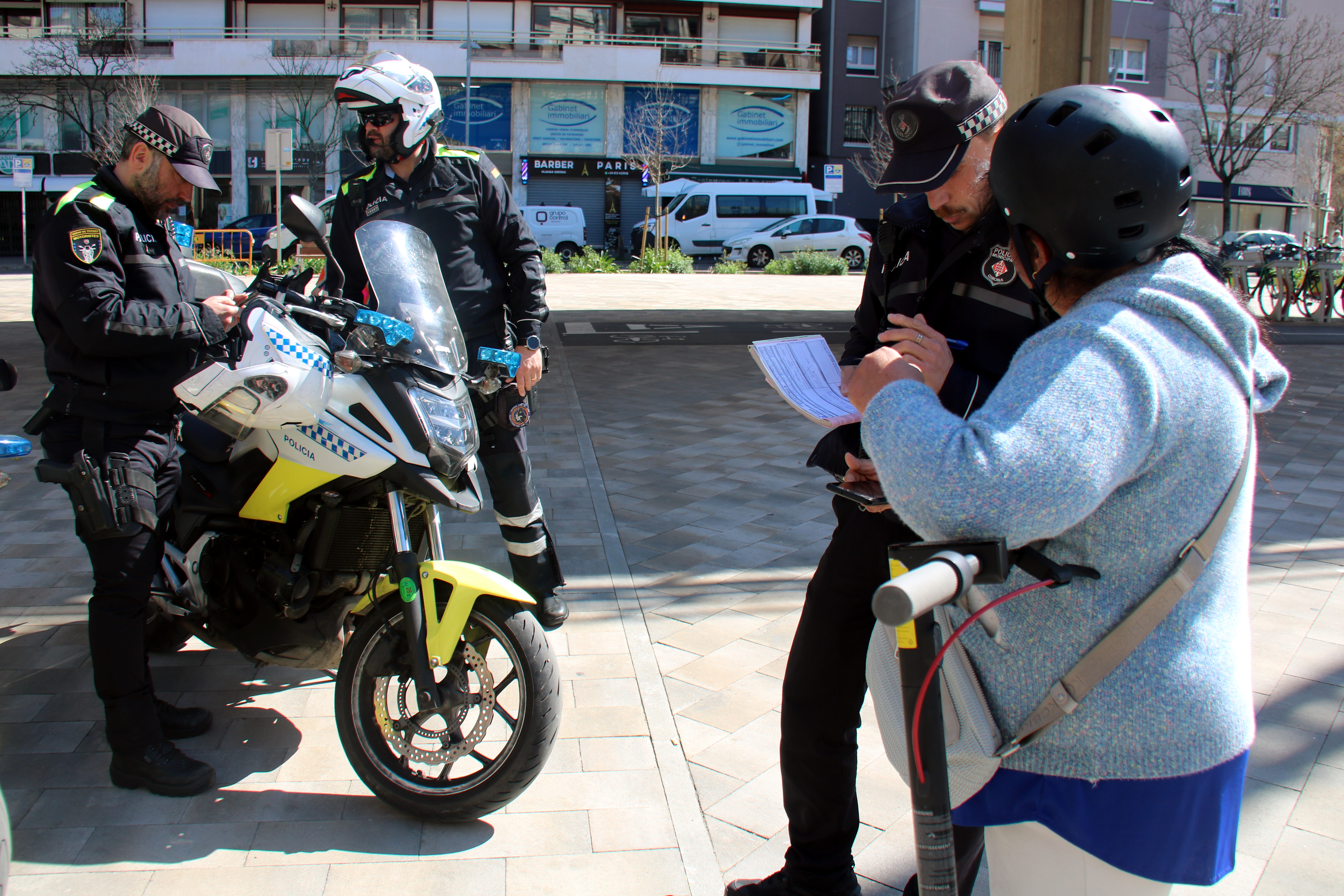
E-scooters and similar devices, known in Spain as personal mobility vehicles, or PMVs, now require a helmet, and riders must be at least 15 years old.
Sánchez believes the new rules aim to "offer much greater protection to vulnerable road users," but says more and better legislation is still needed for e-scooters. He compares them to mopeds decades ago.
"Back then, you didn't need a helmet, a license, or anything else to ride a 49cc moped," he said. Mopeds went through a regulatory process that now requires helmets, license plates and mandatory insurance.
If you cycle
Helmets are now mandatory for all cyclists on interurban roads. The reform removes every exception that previously let cyclists ride without one in certain circumstances on these roads.
On top of that, cyclists may ride in the center of the lane whenever possible, but they are banned from riding on sidewalks. Delivery riders must also wear reflective vests.
If you walk
At some signal-controlled intersections, pedestrians could previously get a green light while vehicles faced a flashing amber light. That overlap is no longer allowed, to avoid confusion and dangerous situations and to improve safety at crossings.
If you're learning to drive
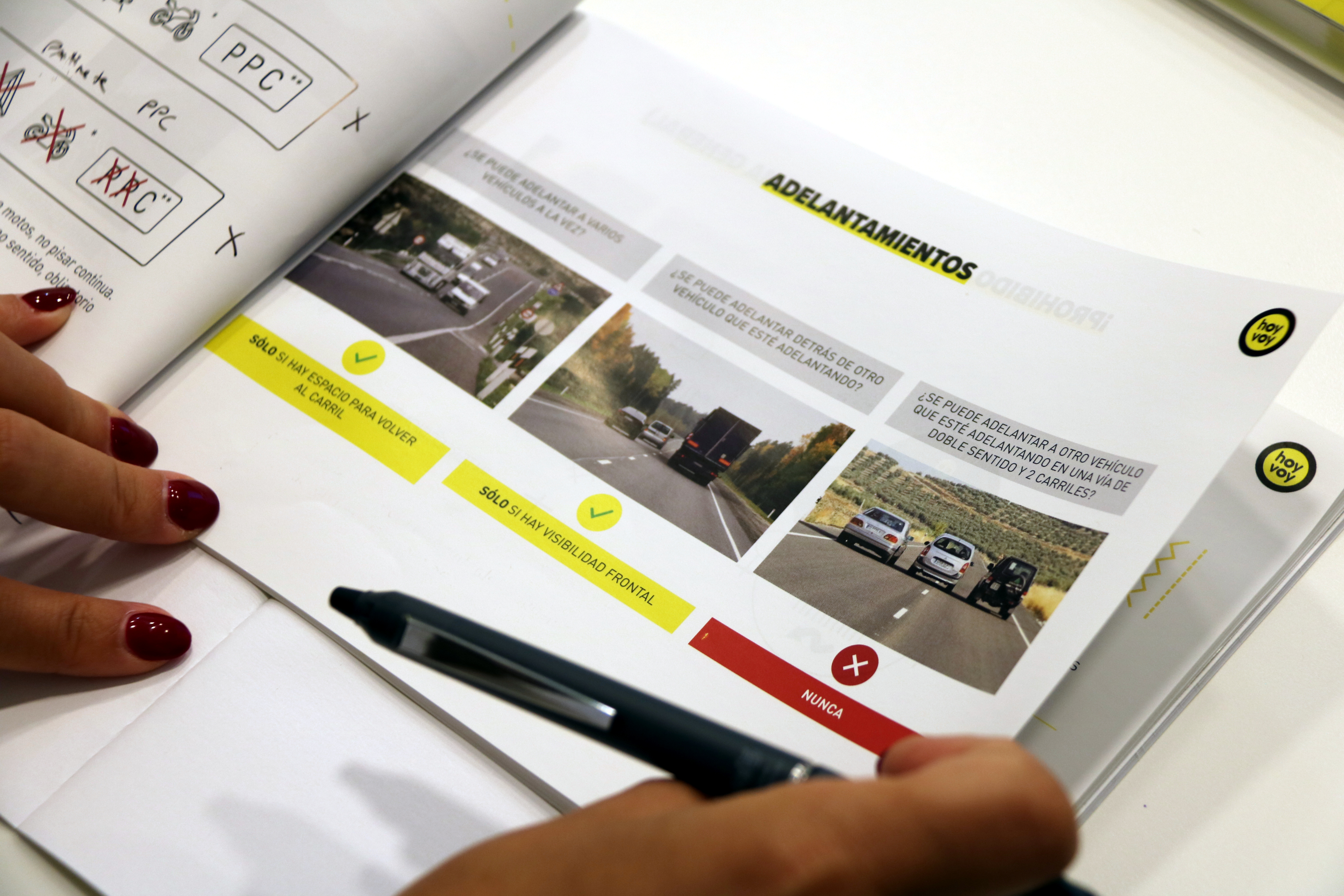
Driving schools have updated their materials, digital content and tests "in record time." Hoy Voy has had to rework its daily theory classes, online worksheets, virtual classroom and teacher training, Sánchez said.

"We have had to quickly adapt all the live theory classes we hold daily in the classrooms, the online worksheets, the virtual classroom, and teacher training to the new regulations," he said.
The study booklet for the theory exam now includes a 32-page appendix with photographs explaining the long list of amendments. One change also applies to the schools themselves: driving instructors will no longer be exempt from wearing a seatbelt during practical lessons.