Spain raises minimum wage 5.3% to €1,286 a month for 2027
Government will also raise pay for public sector employees by 4.5%
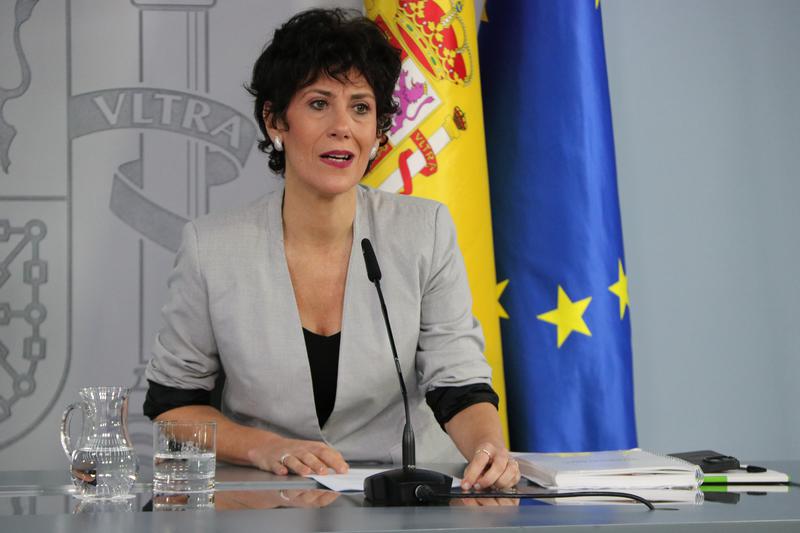

The Spanish government approved a 5.3% increase in the minimum wage for 2027 on Tuesday, raising it to €1,286 gross per month in 14 payments.
Many salaries in Spain are paid in 14 installments a year, with 12 monthly payments and two extra ones, usually in summer and at Christmas.
The cabinets also approved a 4.5% pay rise for public sector employees, the largest since 1992. The measures will benefit about 2.7 million people earning minumum wage and three million public sector workers, respectively.
The government also approved a tax cut so that minimum wage earners remain exempt from personal income tax (IRPF). Starting in January, monthly income tax withholdings on the minimum wage will be eliminated.
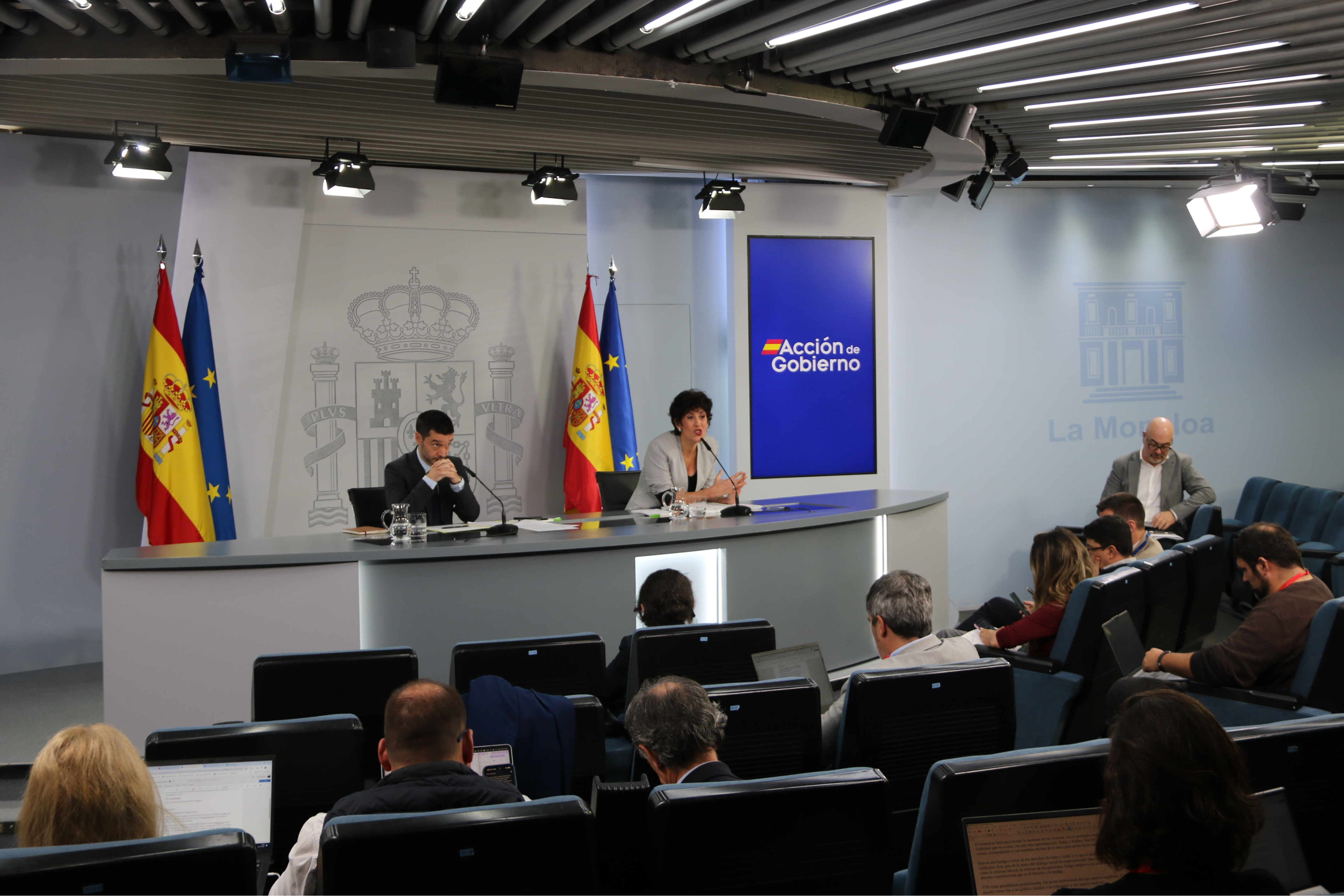
Until now, even though a minimum wage earner's annual tax bill ended up at zero, workers could still have money withheld from their paychecks during the year, which was reimbursed when they filed their annual tax return.
The tax cut will also apply to salaries just above the minimum wage, to avoid a "cliff-edge effect." The reduction will shrink gradually until it reaches taxpayers earning €23,172 a year.
Second Vice President and Labor Minister Yolanda Díaz highlighted the impact on women. She said 1.6 million of the workers who will benefit are women, more than 60% of the total.
She called the increase "the most important feminist policy tool" and said it helps correct the structural deficit of inequality. Despite various crises and the impact of the war in Iran, Díaz said, wage inequality fell 22% during the current term.
Óscar López, the minister for digital transformation and public function, said the total increase could end up being higher because an additional 0.5% linked to inflation could be added.
That would be paid in early 2027 if prices rise by more than 1.5% this year. López said the government is fulfilling the commitment it made to the unions, which set a 4.5% increase for 2027.
The royal decree-law passed on Tuesday also raises by 4.5% the funding for social benefits for public employees, which had been frozen for 14 years. The money can be used for childcare, public transport, housing, education, dental care or eyewear, among other things.
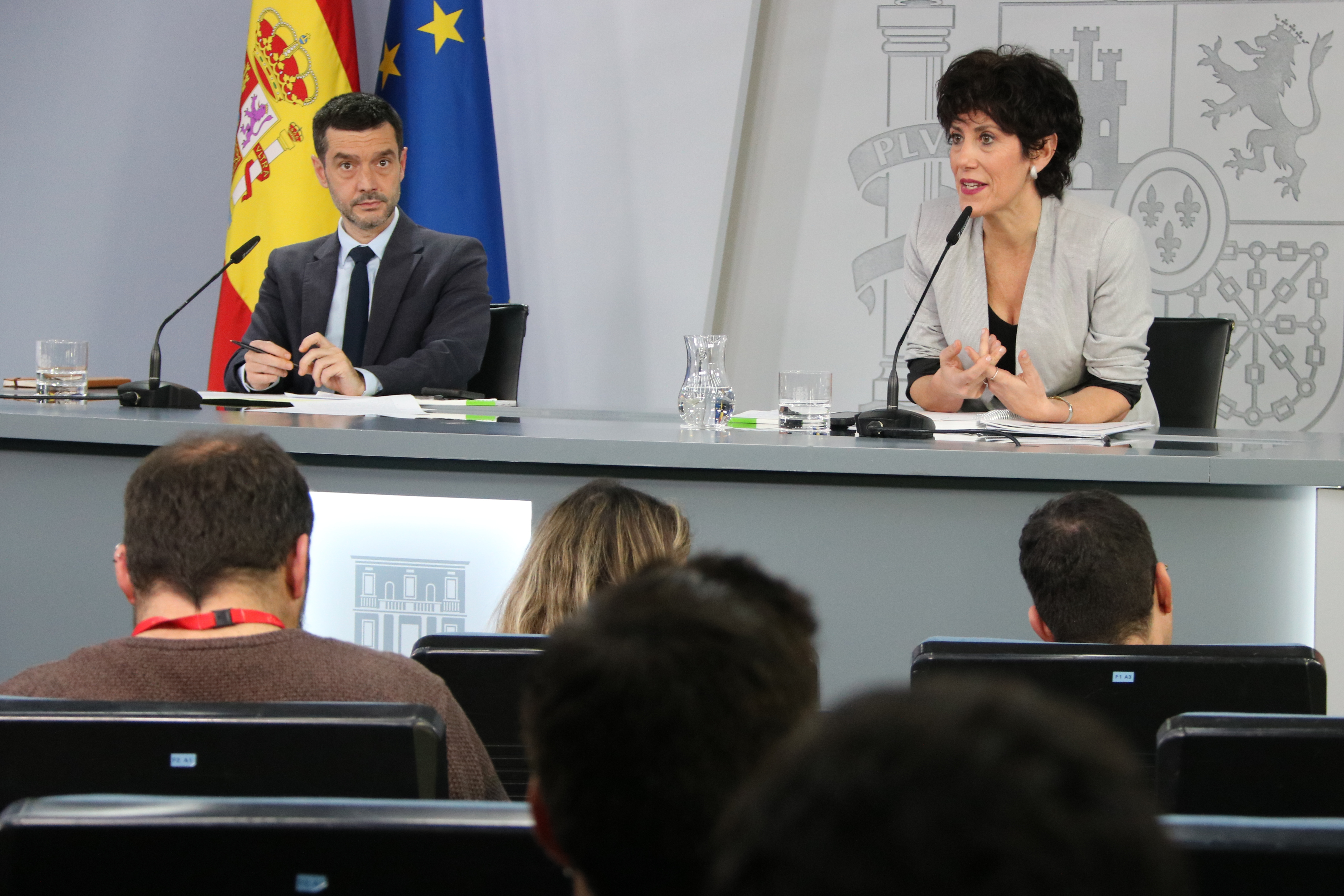
Autonomous communities and municipal governments will also have to implement the new policy, though each will need to negotiate when it takes effect.
Addressing possible criticism that the increase is "excessive," López noted that the autonomous communities will receive 9.1% more in resources next year. He said that given the rising cost of living, it is necessary to raise salaries.