Sheep descend from drought-hit mountains as pasture runs short
Around 3,000 sheep head home after summer of record heat and scarce rainfall
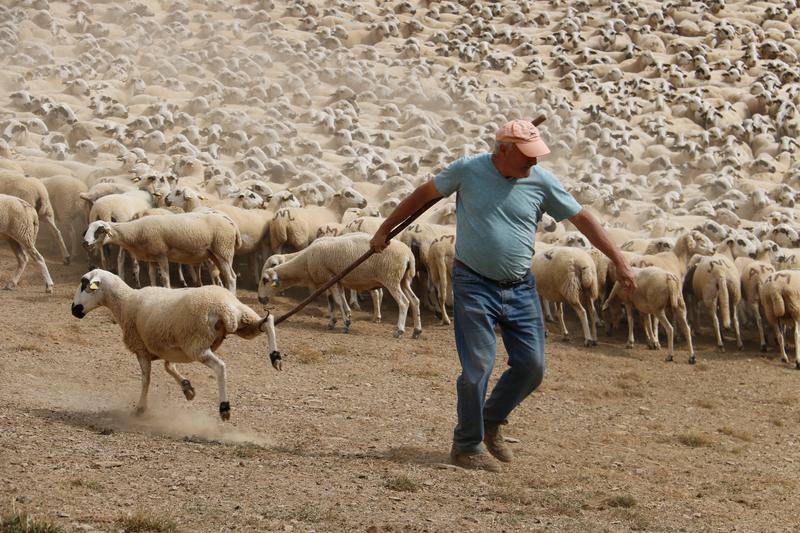

Around 3,000 sheep are coming down from the Pyrenean mountains of Pallars Sobirà after spending the summer grazing at higher altitudes.
The migration is part of an annual cycle of transhumance that takes the flocks to the high pastures in spring and back to their home farms in autumn.
Local sheep farmers describe this summer as one of the hottest and driest they can remember.
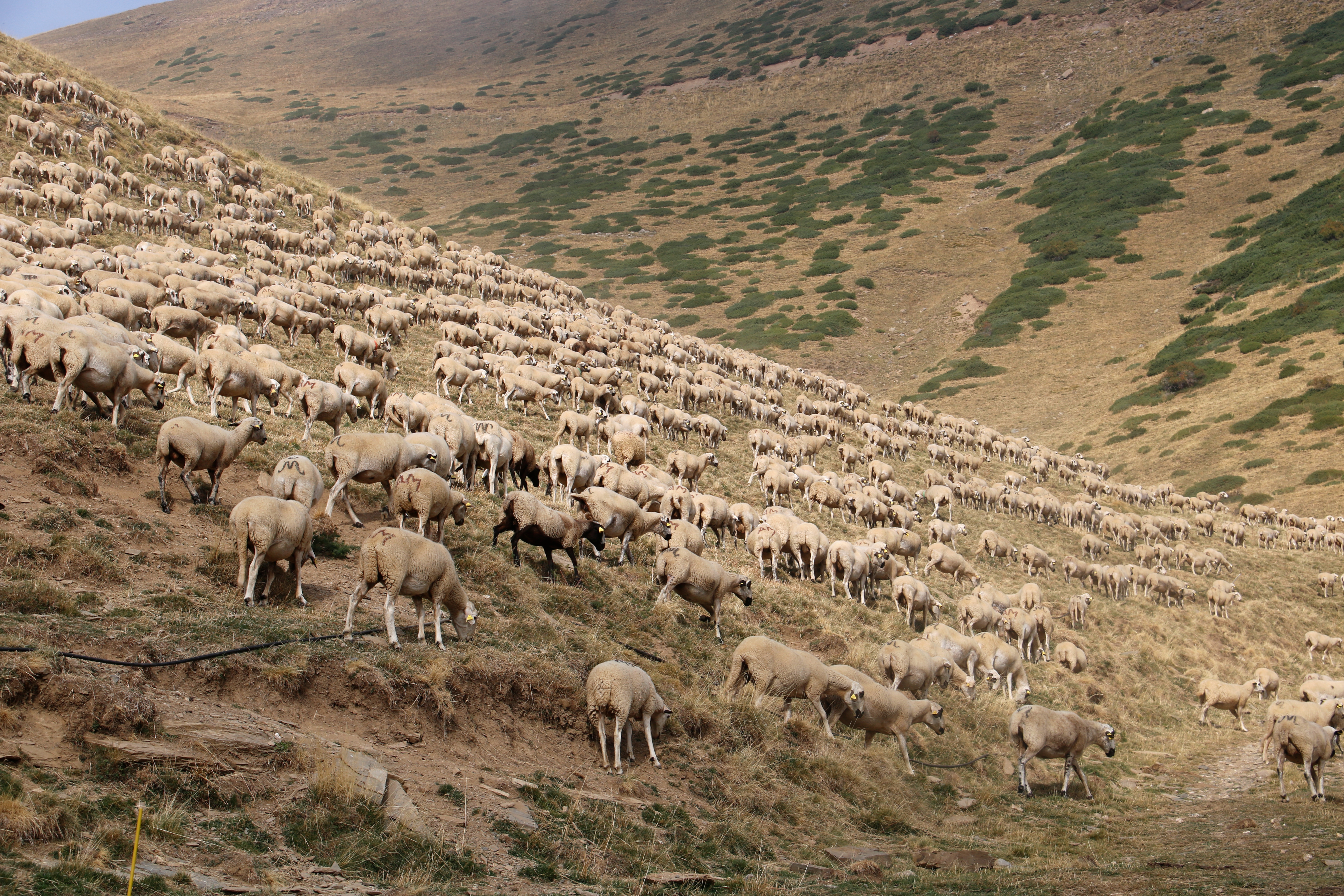
"Honestly, when we arrived on the mountain, I had never seen it so dry. So dry and with so little grass," David Moli told the Catalan News Agency (ACN).
Around 3,000 sheep spent three months grazing the mountains around Seurí before beginning their journey home this week to villages including Peramea, Sant Joan de Vinyafrescal, Toralla, Puigverd and Cortscastell.
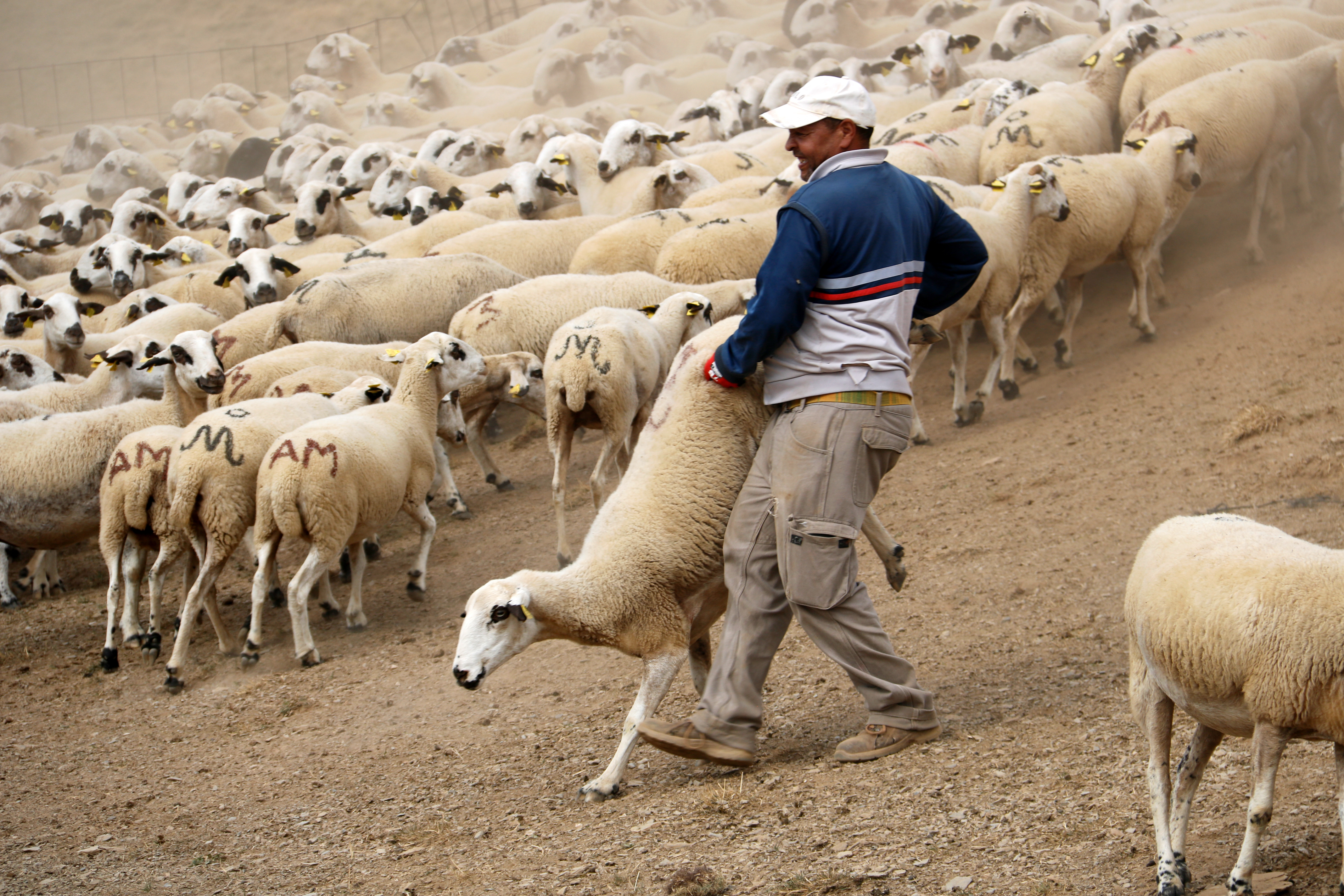
The mountain's extensive grazing land and reliable water supply allowed the flocks to survive but the return home brings fresh concerns.
"The sheep have held up; sheep cope well with years of drought," Moli explained.
"As the saying goes, 'In summer, every critter lives.' The problem is what comes next. We've had very little rain since August, and if it doesn't come soon, we're in for a winter longer than a day without bread."
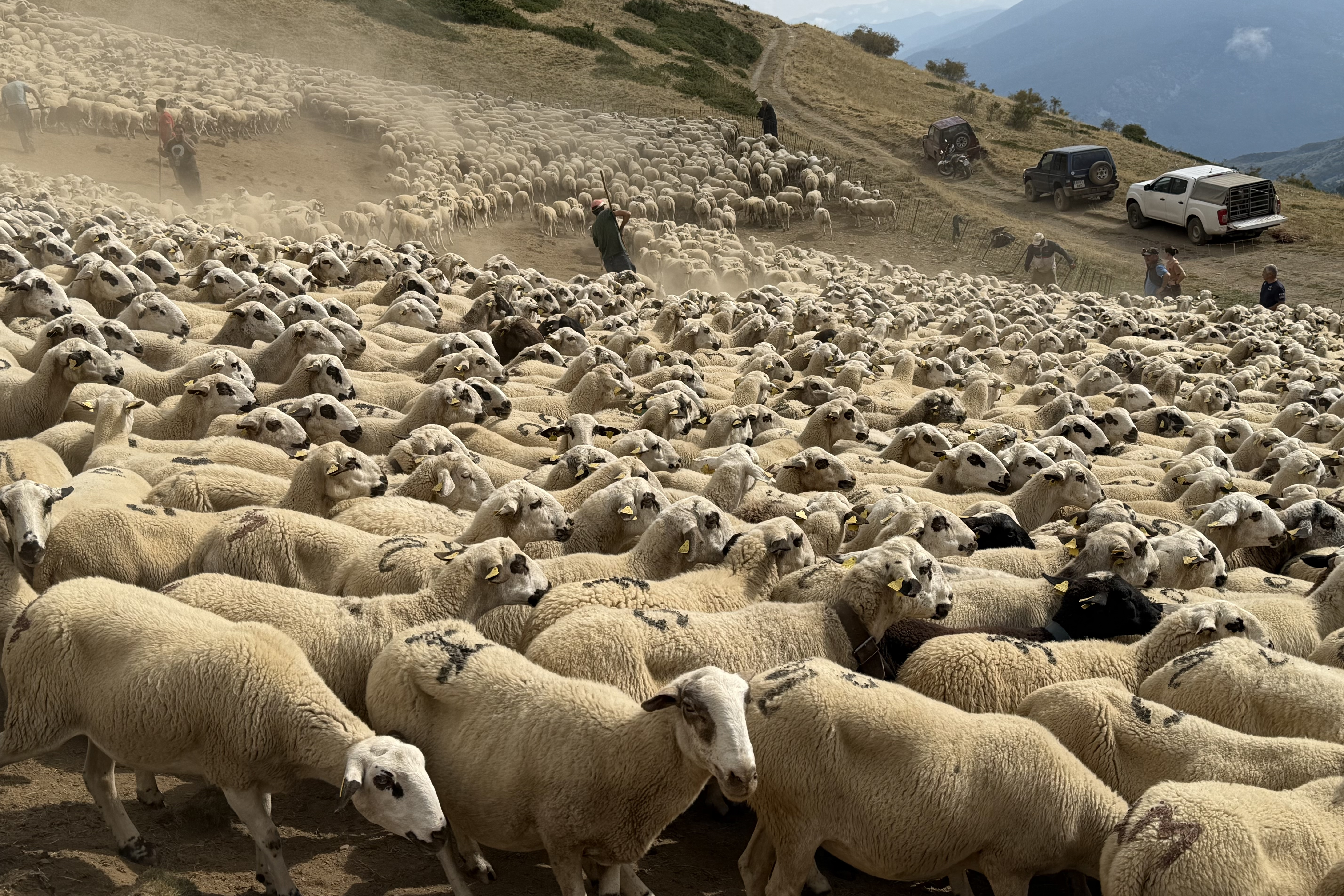
Another farmer, Xavier Rivera, said it was "a very unusual summer, heat and sun like we've rarely seen."
"I don't remember ever spending an entire summer without a major storm, with extremely high temperatures and a severe lack of pasture because of the lack of rain in June."
Farmers say little rain in the valleys has also left them with scant hay and other fodder for winter. They are calling on the Catalan government to exempt them from grazing requirements on fields where drought has left little or no grass.
A centuries-old tradition
Every September around Saint Michael's Day (September 29), farmers gather to sort the flocks before they return home. This year, clouds of dust kicked up by the sheep made the work more difficult.
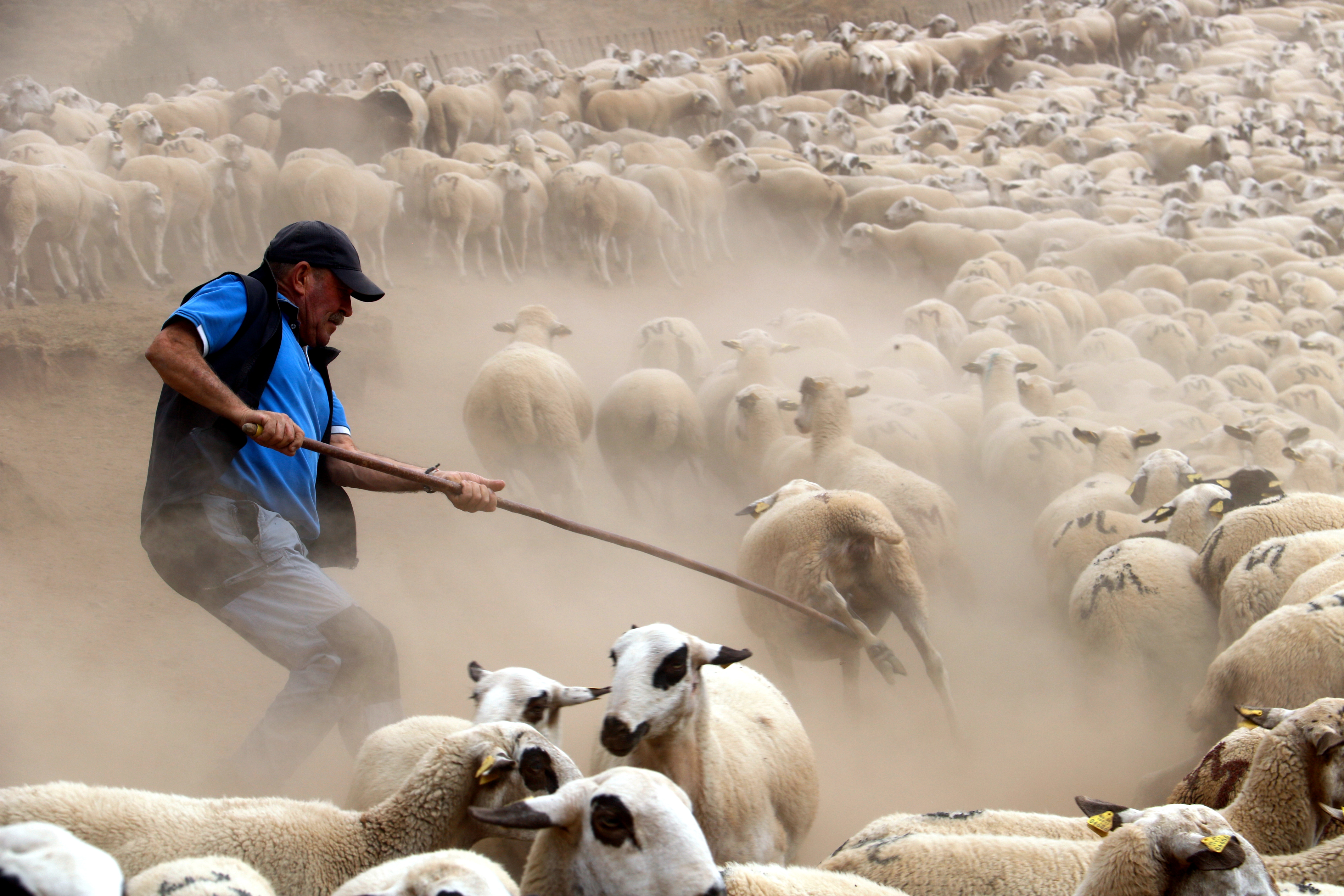
Some 3,000 sheep belonging to 10 farmers were separated at Seurí using a method that has remained largely unchanged for generations: the animals are gathered into a fenced mountain enclosure and separated one by one using a shepherd's crook.