Rodalies rail services to resume progressively after agreement on safety conditions
Train drivers reach deal with Catalan government, Renfe and Adif on restart
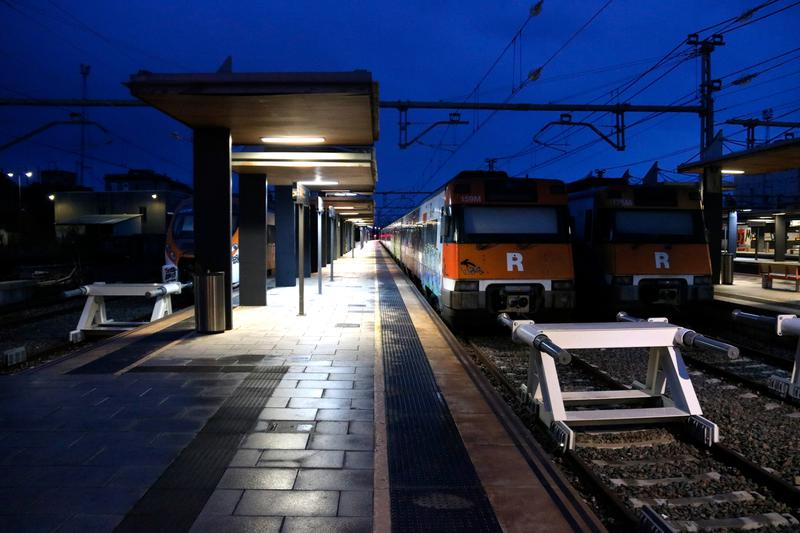

The Rodalies commuter rail network is set to resume services progressively after train drivers reached an agreement with the Catalan government, Renfe and Adif on the conditions required to restart operations.
Territory minister Sílvia Paneque said the deal includes "extraordinary inspections" of the network's 13 routes.
These will be carried out by technicians from rail infrastructure manager Adif and train operator Renfe, together with drivers from the Semaf union
Service on each line will be restored gradually depending on the outcome of those inspections.
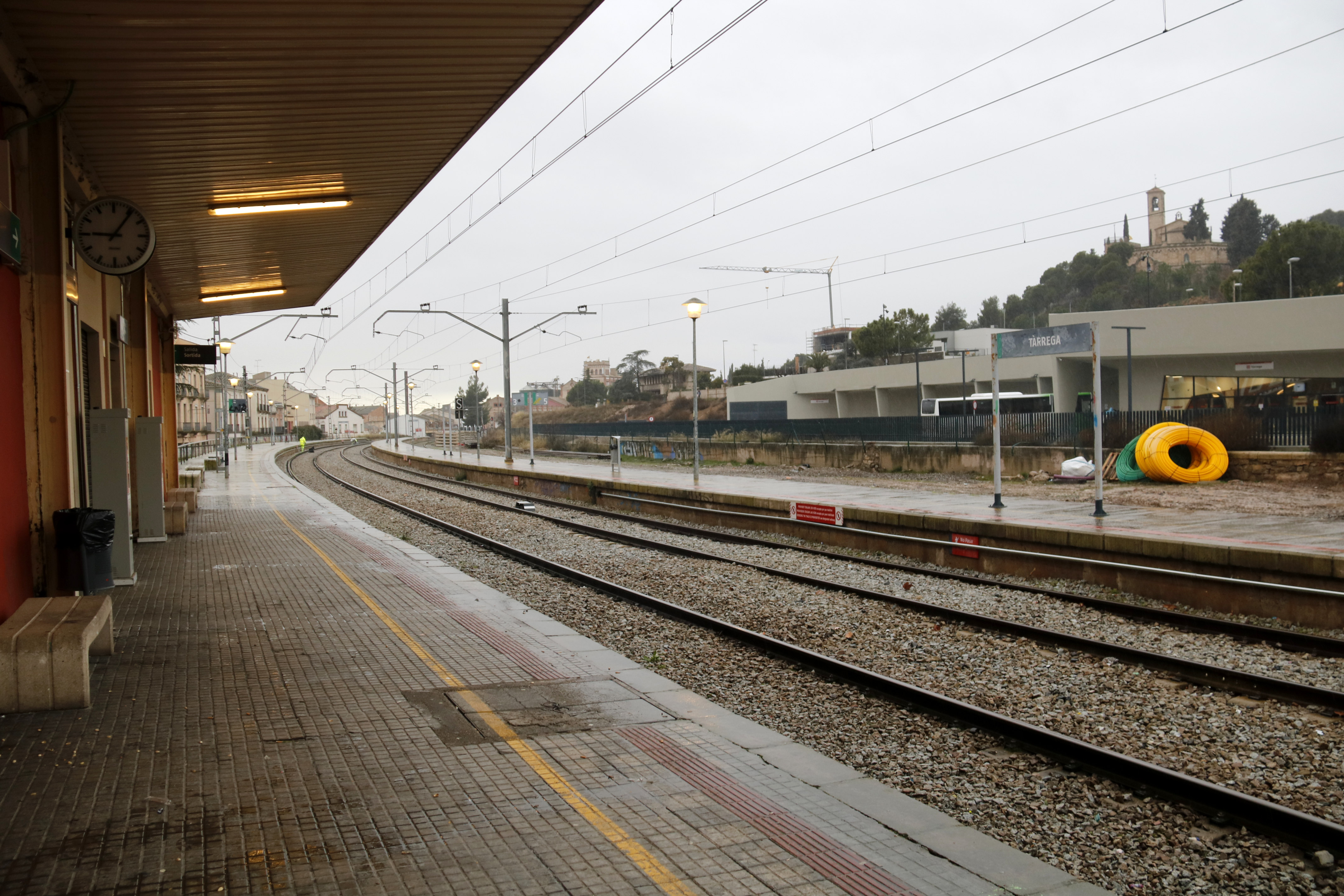
"More information will be provided throughout the afternoon and evening," Paneque said, adding that only six out of a workforce of 140 drivers had been willing to operate trains on Thursday morning.
Services were suspended throughout Wednesday following a fatal accident on Tuesday evening in Gelida, near Barcelona. An R4 line train crashed, killing one driver and injuring dozens of passengers.
Although the Catalan government announced on Wednesday night that trains would operate on Thursday, warning that the recovery would be "progressive" and that it would be a "difficult day," services were not running.
Renfe cited "operational causes" for the continued disruption.
According to Semaf, the majority union representing train drivers, Thursday's meeting – which lasted almost six hours – was constructive, with Renfe and Adif adopting a "positive attitude."
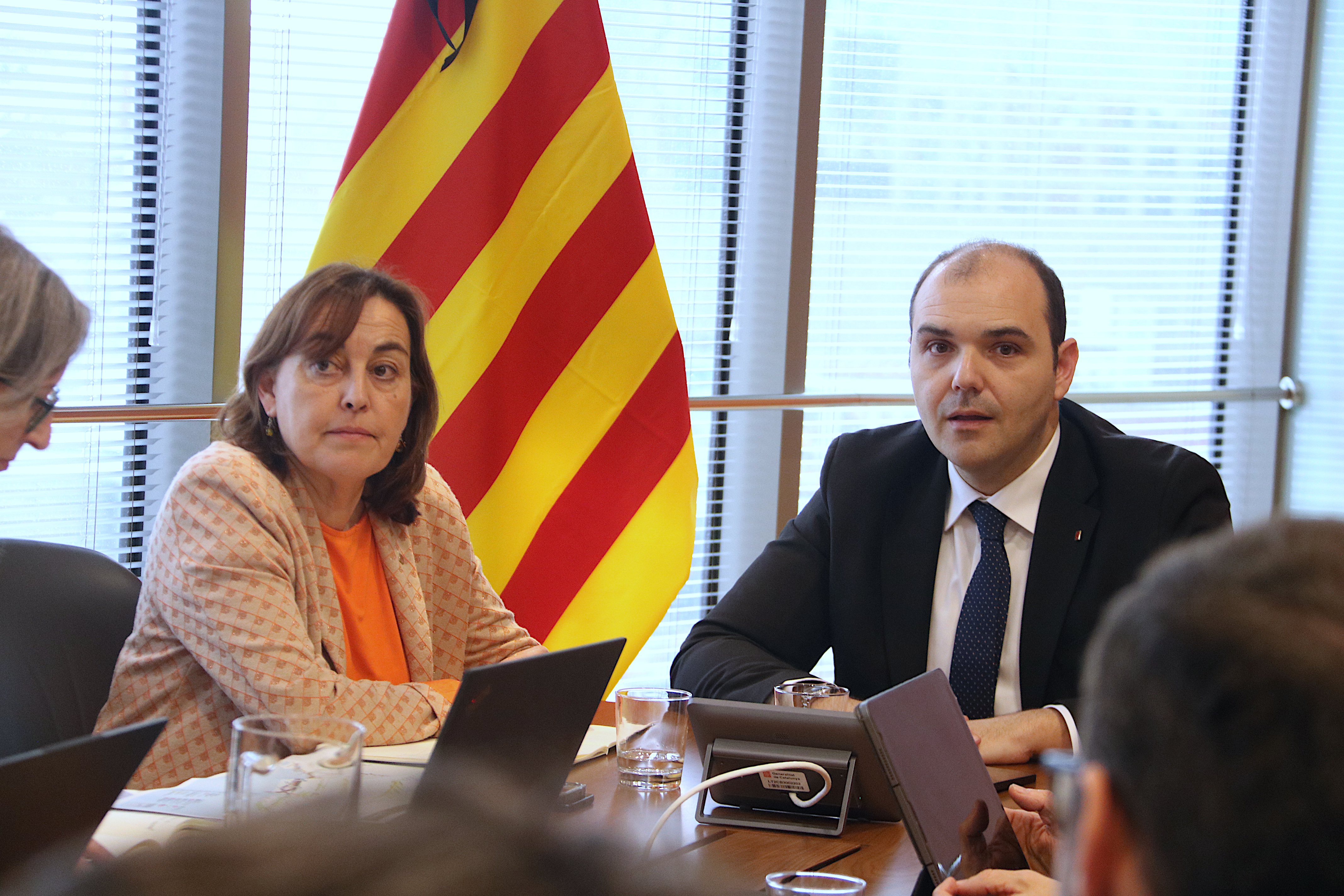
However, the union declined to set a date or time for services to resume, stressing that operations would only restart "progressively" once safety conditions were guaranteed.
Driver representatives told the Catalan News Agency (ACN) they were sent only a brief statement on Wednesday evening assuring them the network was safe, which they considered insufficient.
As a result, drivers refused to operate services on Thursday and demanded additional safety measures, which were subsequently detailed in a more comprehensive document agreed during the talks.
Service restart delayed
Earlier, sources from the Semaf train drivers' labor union told the Catalan News Agency (ACN) that drivers would not return to their work positions on Thursday morning. Drivers said they wanted a written document issued by the Adif rail operator, informing them of the security measures that had been taken into account.
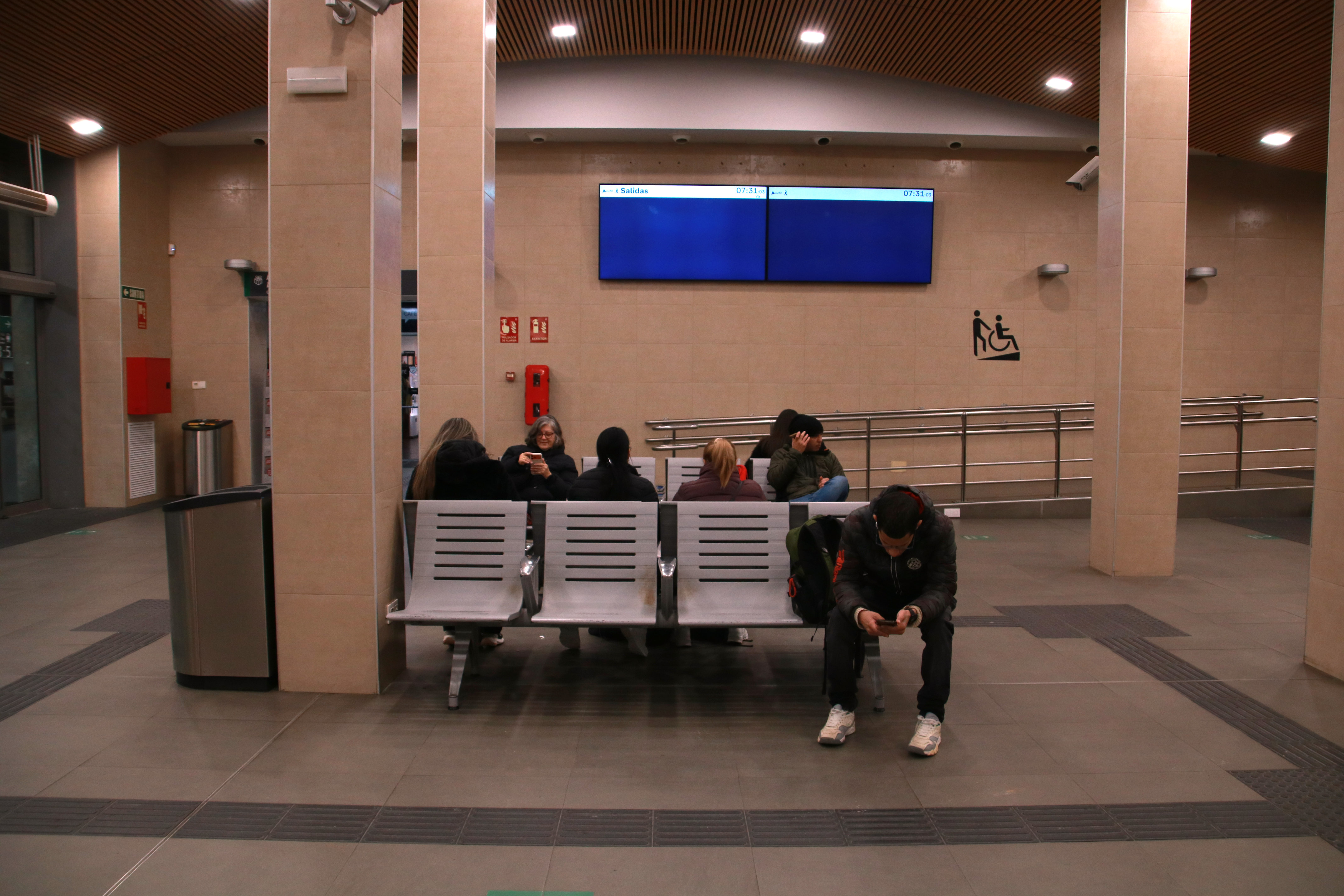
At train stations, customer service staff explain that there are no trains, and in many cases, access to the platform is restricted.
Expecting several difficulties on Thursday, the Catalan government had already said that it would increase capacity for the Ferrocarrils de la Generalitat (FGC) commuter service. Authorities have also suspended the toll at the highway in Garraf. Bus operators have also been requested to increase capacity.
Catalan presidency minister Albert Dalmau, who is acting as interim president as Salvador Illa is still hospitalized, said that Renfe is responsible for solving "all internal problems related to their working agreement."
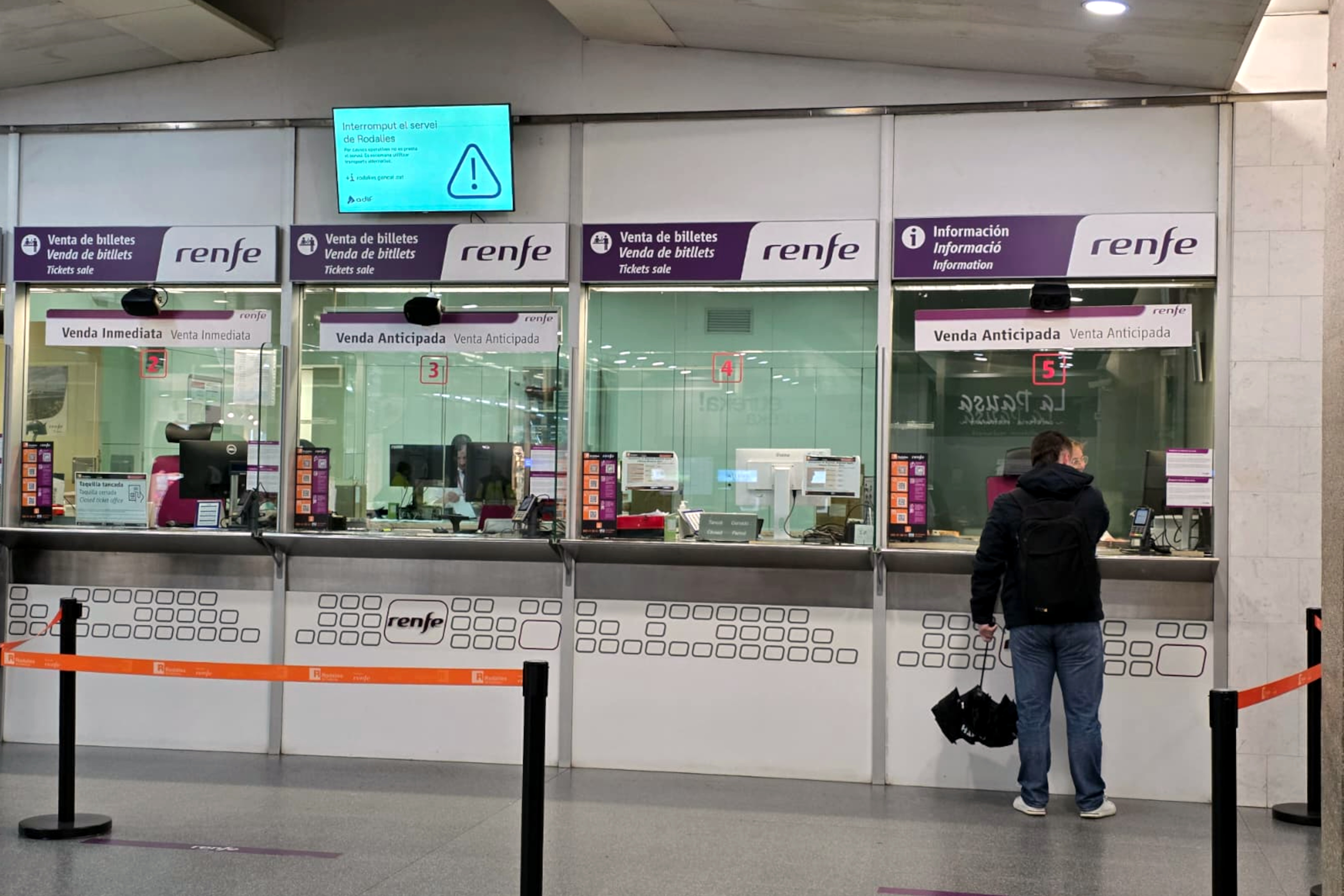
After Thursday's early hours events, the government decided to open an inquiry into Renfe as "it is not offering the service it is required to offer," Pere Macias, member of the Rodalies transfer committee, told media outlets during a press conference.
"We cannot accept the situation, as the security has already been granted [as Adif reported], and it is affecting mobility to thousands of Catalans," Macias added.
The government will "ask for those responsible, whoever they are, to face the consequences," he concluded.
Criticism and understanding
Commuters at Girona train station were looking for alternatives to get to work or school during the second day of service suspension. On Thursday morning, there were very few travelers at Girona's station, as many were aware that there were no trains.
Lola, one of the passengers, decided to use the AVE high-speed service to arrive at Figueres, where she studies.
"Many classmates were not able to arrive to class neither yesterday nor today, we cannot be that many days without going to class," she told ACN.
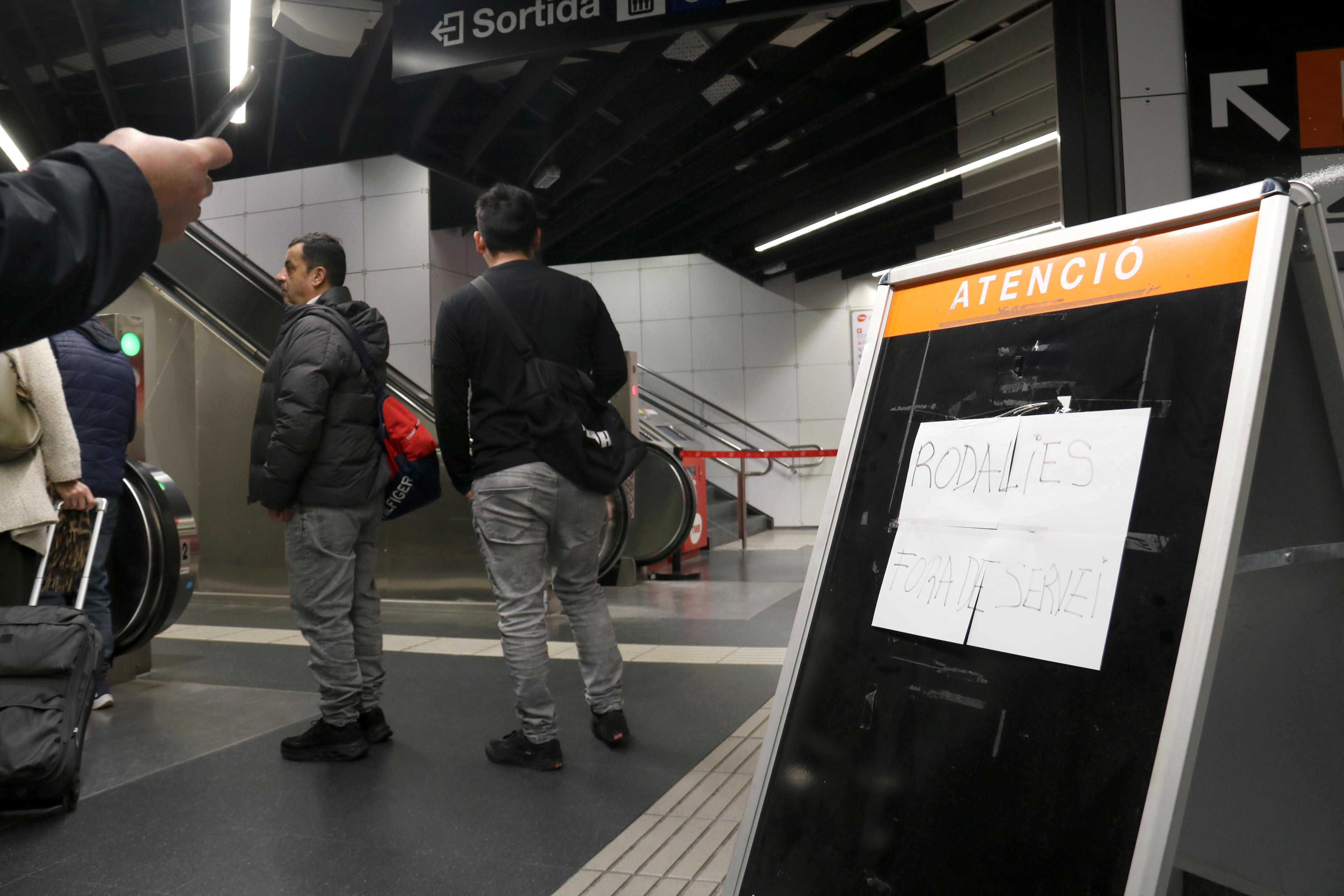
Nelson, another traveler, criticized that Renfe does not allow travel with the AVE with the Rodalies ticket and that they need to buy a new ticket.
He works in Figueres and said he does not have a car and does not know how he will get to his workplace.
"I do not understand why, if I have a travel pass, I need to pay for a second ticket while they are solving the problem. We do not earn that much money to pay double," he said.
Selena understands that the service is suspended as "it is much more important to prevent accidents."
Meeting between Renfe and drivers
Antonio Carmona, Renfe's spokesperson in Catalonia, said in an interview with Catalunya Ràdio that drivers were asking for "several measures that they believe are not being complied with."
Carmona said that trains are "safe" and that their "will is to restart the service," although drivers want more guarantees.
The meeting was scheduled for 11 am, but started around midday.
Drivers will go on strike on February 9, 10, and 11, across all train companies in Spain after the fatal accidents in Andalusia and in Gelida.
Semaf union said that this is the "only legal way" for drivers to "call to recover security standards" across the rail infrastructure.
Train removal
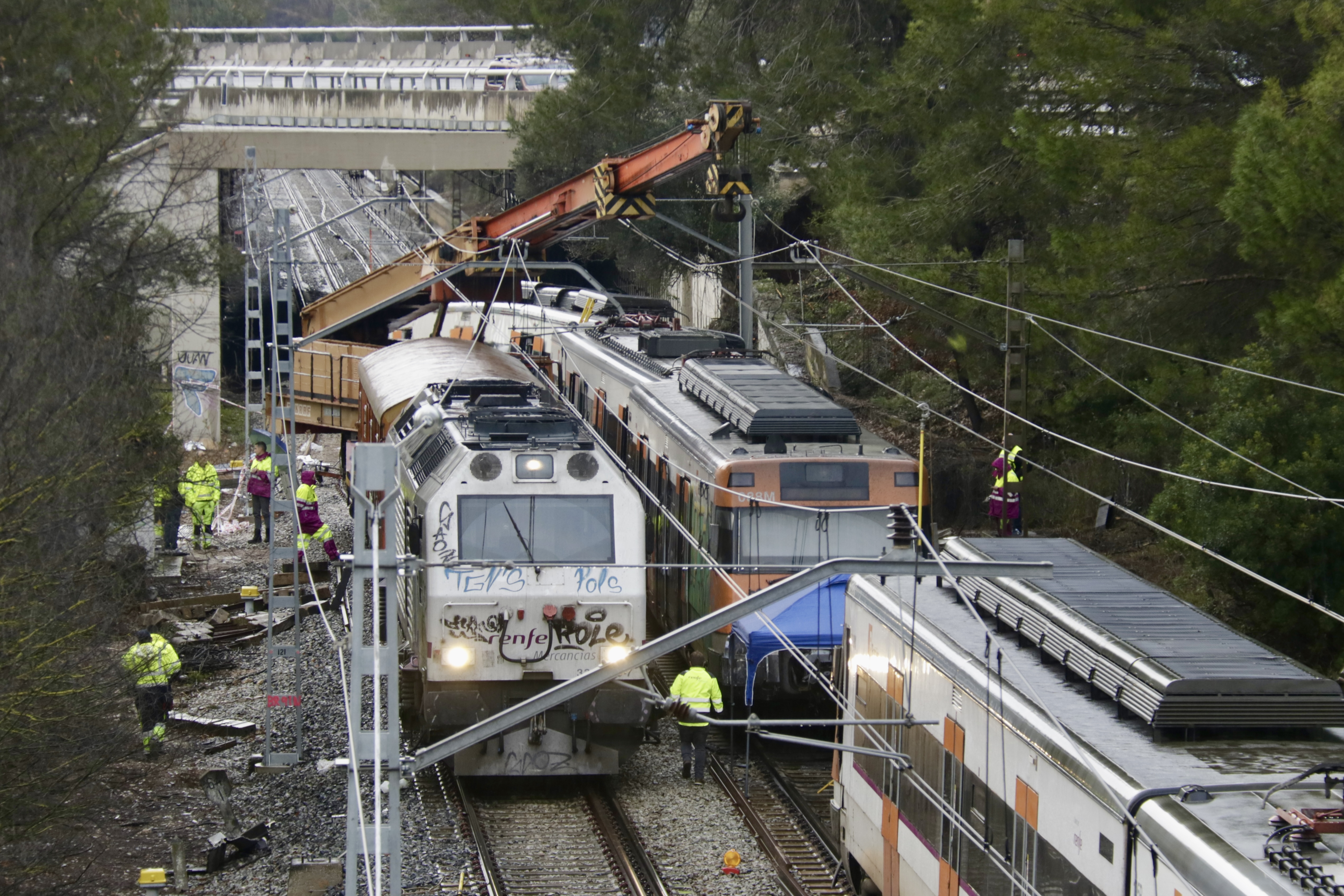
Renfe reported on Thursday afternoon that they had removed half of the train that had been involved in an accident in Gelida.
The first train car, the one that impacted with the fallen wall, will be dismantled on site, while the other cars will be moved to the warehouse for "proper inspection," Antonio Carmona, Renfe's spokesperson in Catalonia, said.
For the first and second train cars, which are the most affected, experts are studying whether they can bring a large crane to remove them from the tracks. However, due to the situation on the AP-7 highway and the risk of collapse, the operation is complex.