Reports of gender-based violence set to drop for first time since pandemic
Overall reports dip slightly, but cases involving breach of confidentiality rise 21% and sexual assaults 15%
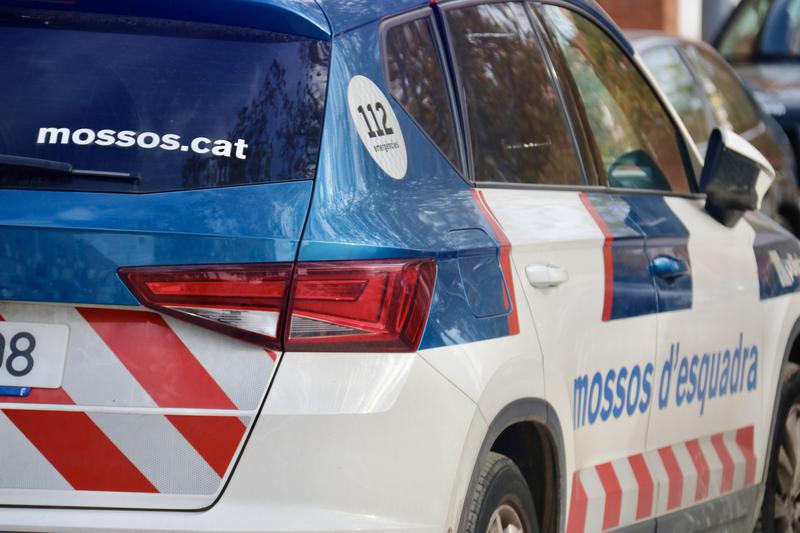

For the first time since the Covid-19 pandemic, reports of gender-based violence in Catalonia are expected to decrease slightly.
Coinciding with the International Day for the Elimination of Violence against Women, the Catalan police released the latest data on this type of violence.
The total number of reports so far this year is 14,455, similar to previous years.
Authorities expect the year to end with a 0.2% reduction compared to last year, bringing the total to 17,124 cases.
Although the decrease is small, it is significant as it would mark the first decline in this indicator since 2020, the year of the Covid-19 pandemic, when crime statistics fell sharply due to lockdowns.
By comparison, last year saw a 2.2% increase in reports compared to 2023.
Despite the overall figures, the types of gender-based violence that have increased the most are revelation of secrets, which rose 21%, from 161 reports to 195.
These crimes involve the disclosure of private information, breaches of privacy, or misuse of personal data through documents, intercepted communications, or technological means such as recordings.
The most affected victims are aged 26 to 35, accounting for 36% of all cases in this category.
Reports of sexual assault have also risen significantly, increasing 15% compared to 2024, from 187 reports to 216 this year, with the same age group (26–35) most commonly affected.
Breaches of court rulings have increased 13%, from 2,173 reports last year to 2,458 this year. In these cases, the majority of victims (34%) are aged 36 to 45.
The stabilization and slight decrease in gender-based crime figures in recent years is reflected across other indicators as well.
Catalonia's emergency hotline, 112, received 68,219 calls related to gender-based violence from January to October this year, a decrease of 0.4%.
The number of calls does not directly correspond to the number of crimes or official reports, as multiple calls can relate to a single incident, or victims may choose not to report the crime.
The slight overall decrease is mainly due to a significant drop in calls in January, which fell by 9%, and February, with a nearly 13% decrease.
Most calls to the 112 regarding gender-based violence are received on Saturdays and Sundays, typically between 10 pm and midnight.
New forms of gender-based violence
At the institutional ceremony marking the International Day for the Elimination of Violence Against Women, the Catalan government, Barcelona City Council and the Barcelona Provincial Council jointly raised the alarm about emerging forms of gender-based violence, particularly in the digital sphere.
"Denying or making digital violence invisible is also a form of violence," this year's manifesto states, warning that although all women can be victims, younger women are especially at risk.
These types of violence are often "invisible," and include cyberstalking, geolocation tracking, privacy violations, and non-consensual access to messages or emails.
The government stresses that, combined with the rise of anti-feminist rhetoric and denialism around gender-based violence, institutions have a duty to "act firmly" and provide responses that guarantee women a life free from violence.
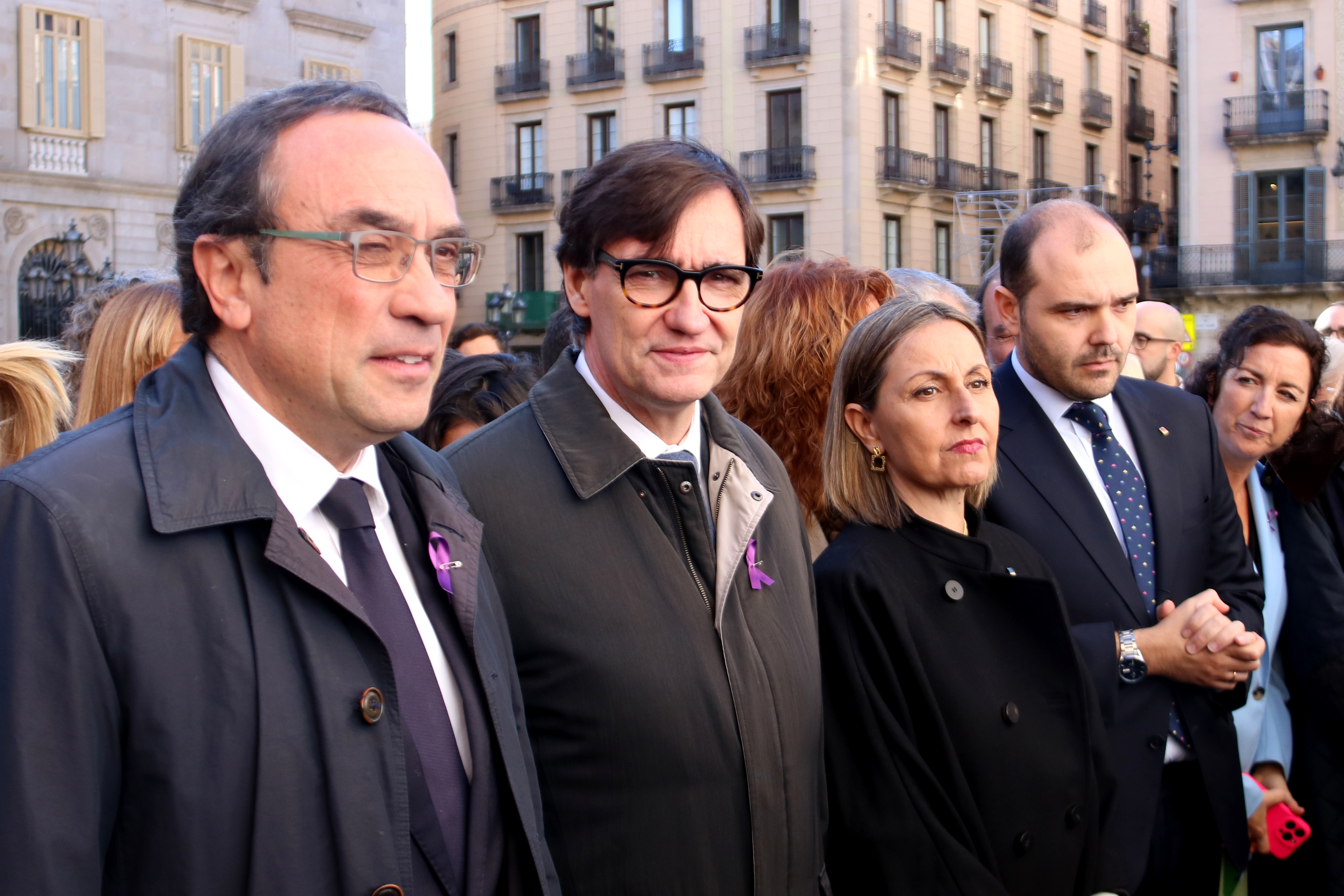
The event was attended by Catalonia's highest authorities, including President Salvador Illa, Parliament Speaker Josep Rull, and several ministers and officials.
'Public services not enough'
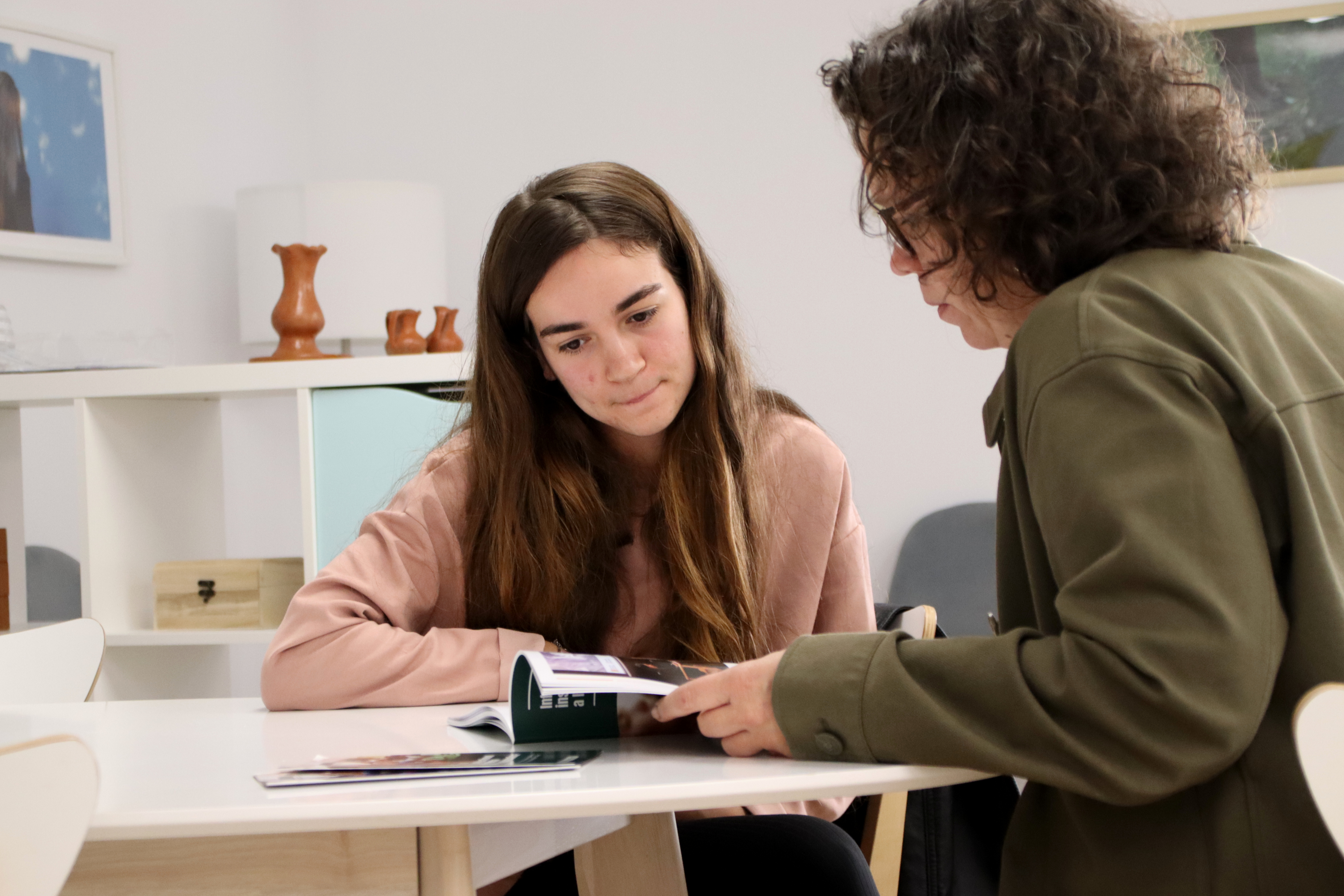
The gender-based violence support organizations Hèlia Dones and Fundació Surt are calling for more public services to assist victims.
Elisa Covelo, coordinator at Hèlia Dones, says public services cannot keep up with the number of women seeking help.
"Services are quite precarious, and there are long waiting lists," she explains.
The organizations argue that their role should focus on the post-crisis support and recovery of women, rather than providing judicial or emergency psychological assistance.
While they currently offer these services, they believe specialized public services should handle them.
"Part of the care for women cannot be done by NGOs alone," she warns.
Eight femicides this year
Since the start of the year, Catalonia has recorded eight femicides, according to the Equality and Feminism Department.
The eight cases registered include seven women murdered and one related femicide.
Since official data collection began in 2012, gender-based violence has claimed 156 lives in Catalonia, 146 women and 10 children and young people.
Women experiencing gender-based violence can contact the permanent support service at 900 900 120, a free and confidential hotline. They can also call the emergency number 112 or alert the Mossos d’Esquadra via WhatsApp at 601 00 11 22.