'Severe' disruptions as Renfe accuses train drivers of not complying with minimum services during strike
Passengers advised to use alternative transport on Tuesday, while authorities issue warning
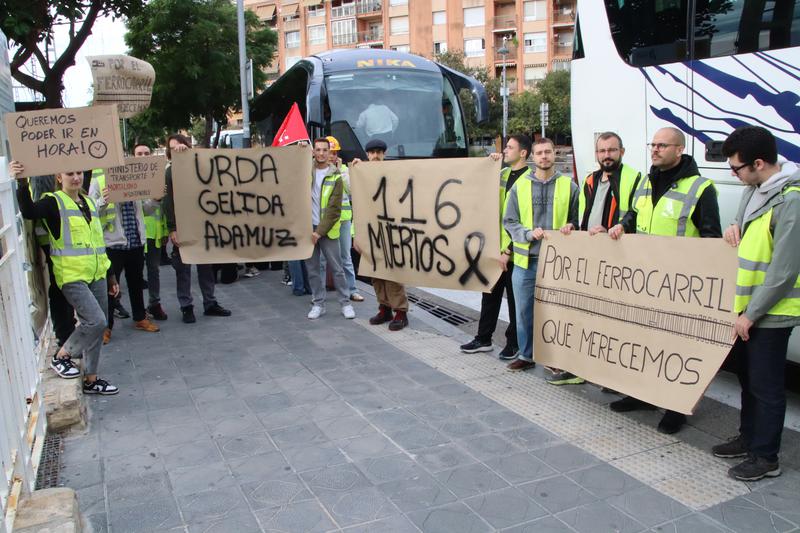

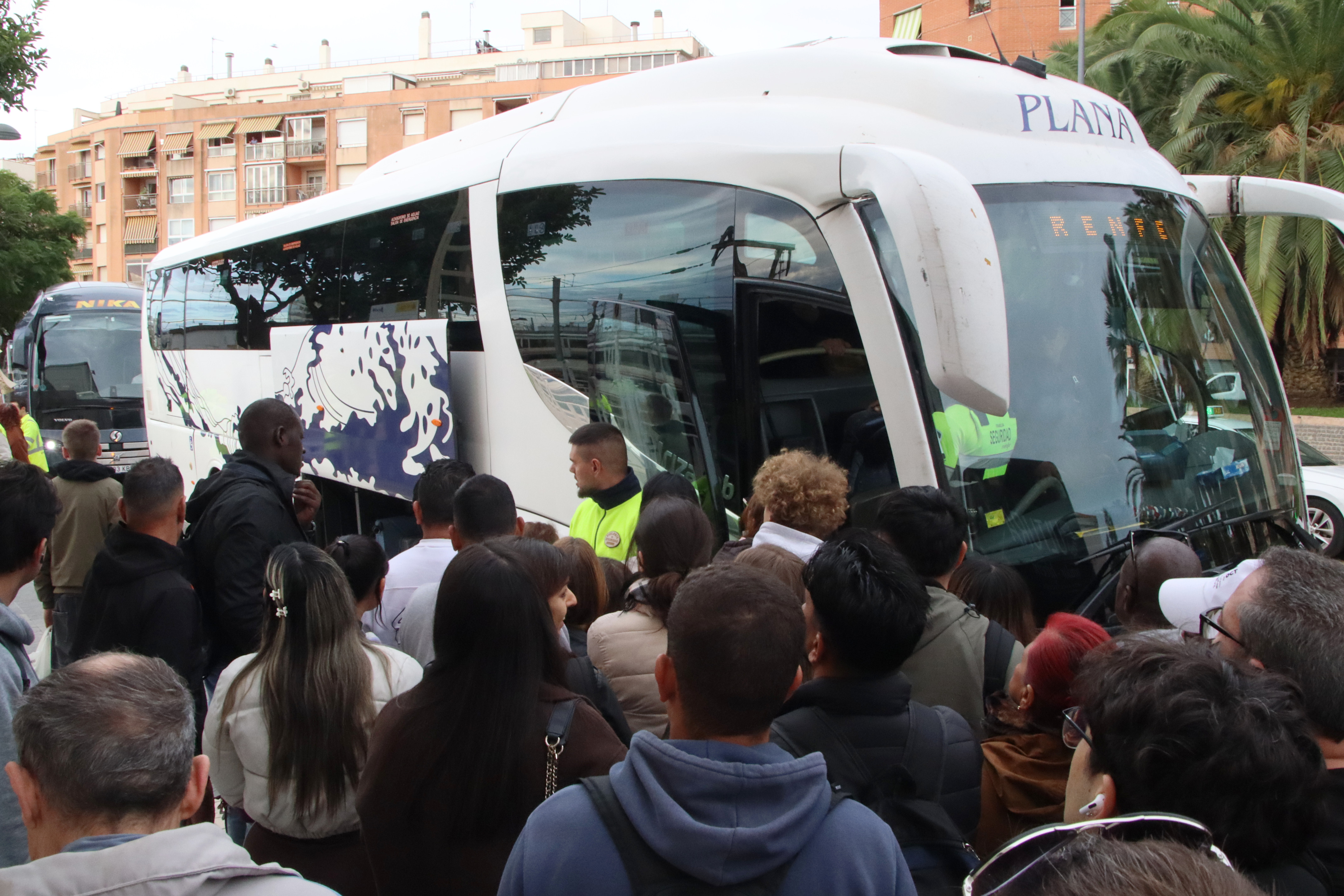
Tuesday, November 17, sees another day of strikes in the Rodalies commuter rail service, with "severe" disruptions to services.
Renfe have accused train drivers of failing to comply with the minimum service levels established for the day of the strike, which were set at 66% of the usual service volume.
By 9.30am, some 40% of the scheduled minimum services had to be cancelled. At one point earlier in the morning, this figure reached nearly 56%, according to the company and the government.
This means that at certain times during rush hour, only the equivalent of off-peak service levels, around 30%, were provided.
The R4 line was among the most severely affected. Rodalies recommends using alternative modes of transport and planning journeys well in advance.
Meanwhile, the government have warned that not meeting minimum service levels is "unacceptable."
Sílvia Paneque, Minister for Territory and spokesperson for the Catalan executive, stated that authorities "will take action" to ensure Renfe initiates the necessary disciplinary proceedings.
She warned that measures against train drivers who fail to comply with minimum service requirements could range from salary deductions for days not worked to outright dismissal.
"Those who break the rules will face the consequences," she said.
The minister explained that "a small group" of drivers is "severely" impacting the mobility of thousands of people. "This is not the first time. We will use every mechanism at our disposal," Paneque warned.
A letter sent on Monday by the director of Rodalies, Òscar Playà, reminded train drivers of their obligation to adhere to minimum service requirements in order to "guarantee the right to mobility." However, this warning proved ineffective.
Strike
Railway unions are holding a joint day of strike action to demand improved safety guarantees across the entire system, 20 days after the tragic accident in Urda, outside Toledo.
The work stoppage affects employees of Adif, Renfe, private operators, and freight companies.
It follows another week marked by widespread delays on the commuter rail network and comes amid ongoing negotiations with the Spanish government to improve safety prevention and operational protocols.
The unions are calling for more personnel, better coordination, and concrete commitments to strengthen safety.
They have also demanded a review of safety protocols at Adif and Renfe, effective coordination among the various railway stakeholders, adequate and properly trained staffing levels, the strengthening of occupational risk prevention and emergency plans, and an investigation into the leaking of recordings related to the Urda accident, in which a traffic controller can be heard authorizing a high-speed AVE train to resume its journey at "normal" speed.
Train drivers "also suffer" from poor service
Railway unions gathered at midday outside Sants station for a demonstration to demand greater safety measures.
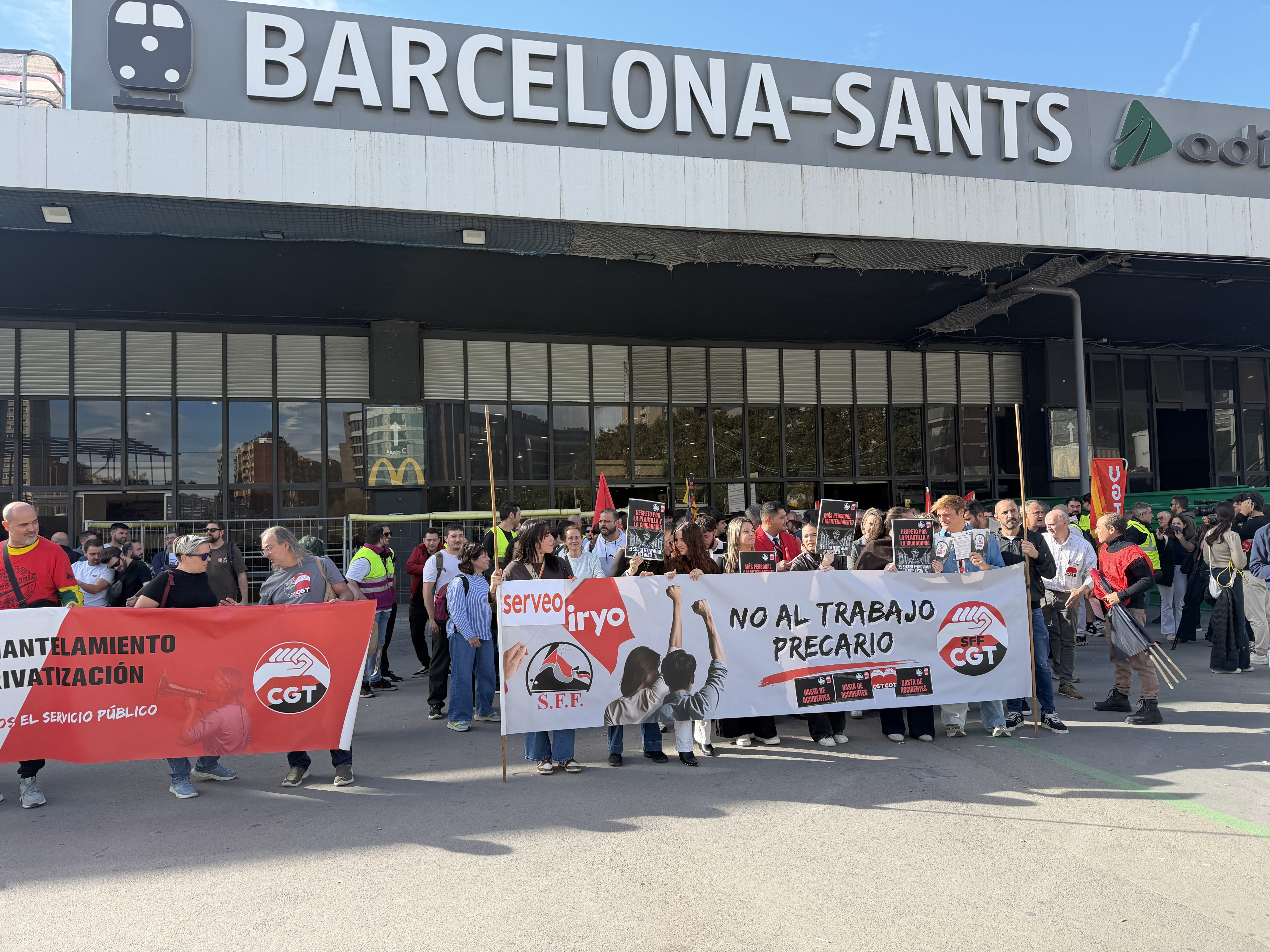
"We also suffer from the poor service, which could certainly be improved, but safety in this mode of transport is essential, and it is not being guaranteed," stated José Bravo, secretary of the railway sector for the UGT union in Catalonia.
"Much more investment is needed, both in infrastructure and in the trains themselves, to provide the public with a safe, high-quality service," he continued.
He also criticized the "excessive" minimum service requirements and attributed the failure to meet them to the "poor management" of the notifications.