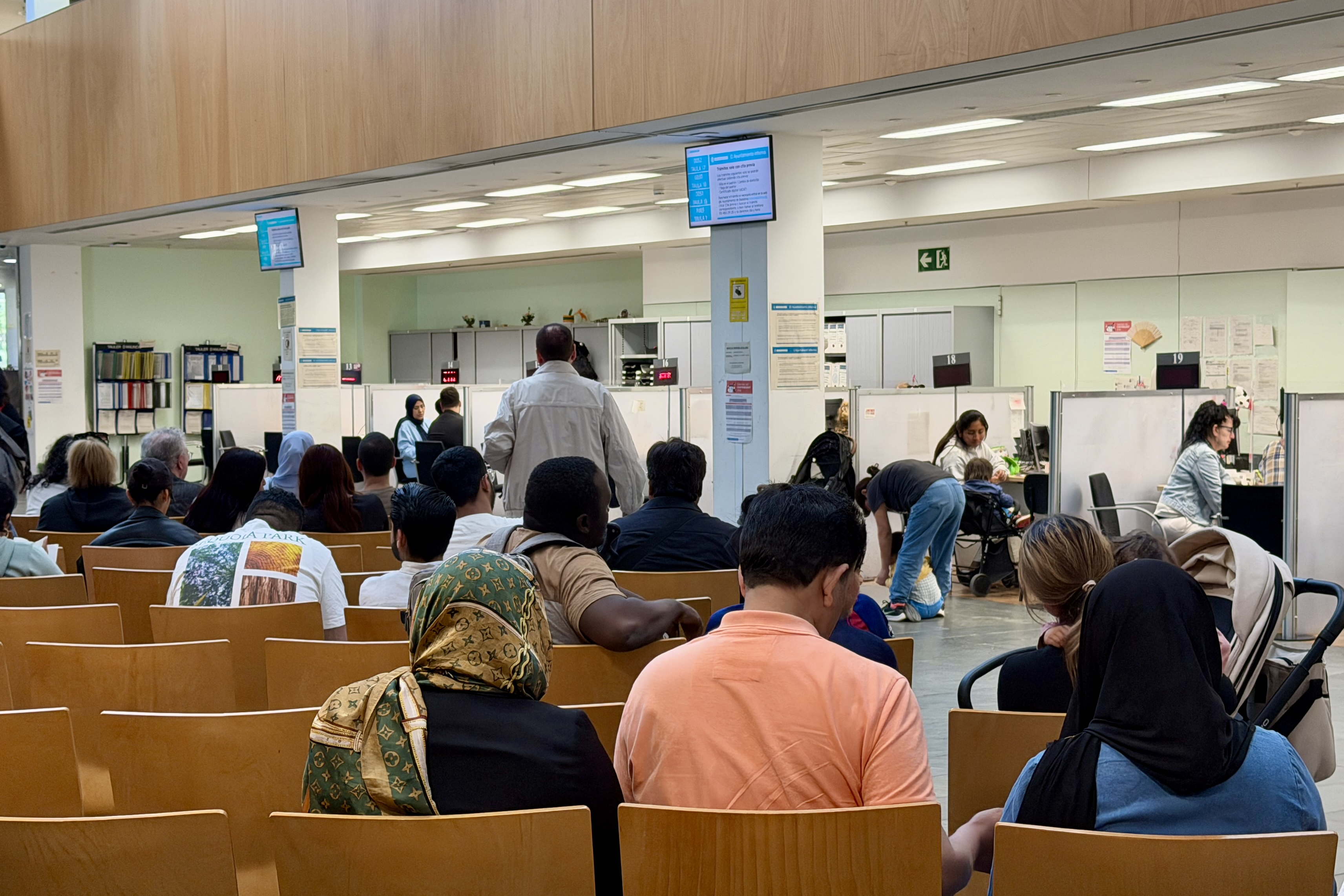
Regularisation process triggers confusion and long queues
Migrants seek guidance as desks, post offices and civic centres manage high demand
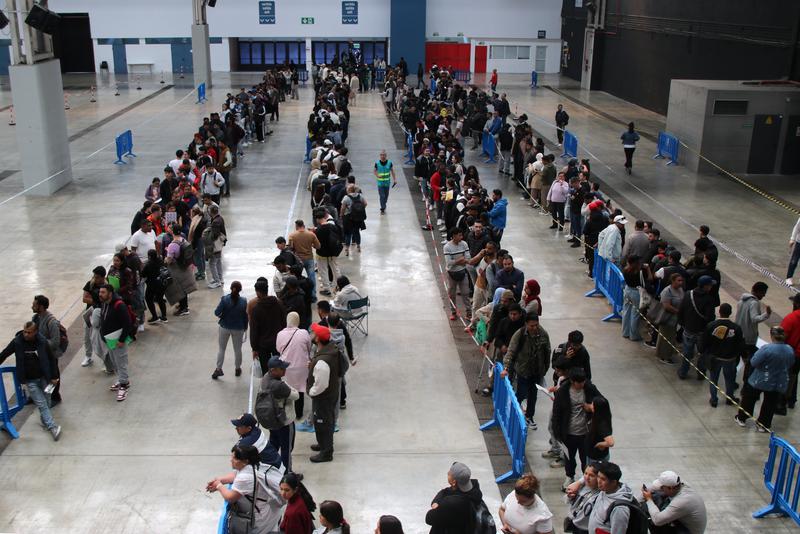

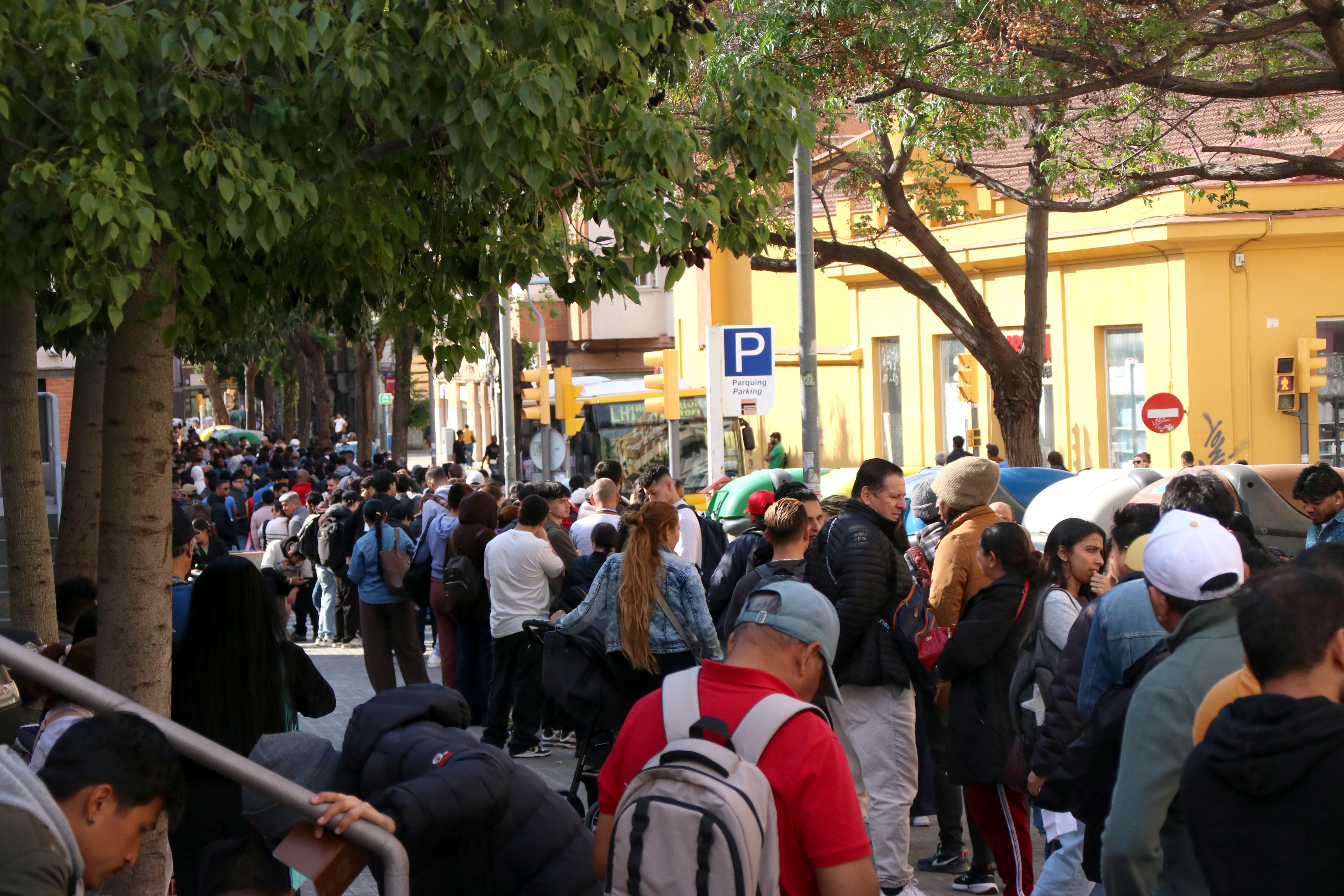
Thousands of migrants are queuing across Catalonia as Spain's extraordinary migrant regularization process gets underway, triggering long lines, overnight waits and a reliance on local administrations and volunteer networks in managing the demand.
Across Catalonia, more than fifty post office branches are involved in the process, handling between 800 and 900 appointments in a single day. Located mainly in provincial capitals and larger cities, including thirteen offices in Barcelona, they operate with extended opening hours and additional counters where needed.
The average procedure takes just over half an hour, with staff processing documents and uploading them to central systems.

Spanish public postal company Correos says the system is functioning "normally" thanks to prior online booking, which has prevented major queues inside and outside offices.
According to Cristian García, head of media and processes at Correos in Catalonia, staffing is being adjusted dynamically depending on demand, and the company is used to large-scale administrative operations such as postal voting.
Staff, he stressed, act only as facilitators of a process defined by the Spanish government.
In Salt, near Girona, around eighty people gathered early outside the municipal space, which has become a central information point for the procedure.
The office centralizes advice on documentation and procedural requirements while volunteers and technicians guide applicants through the process. Many are first given return appointments for later in the morning, when trained volunteers begin assisting with document checks, explanations and referrals.
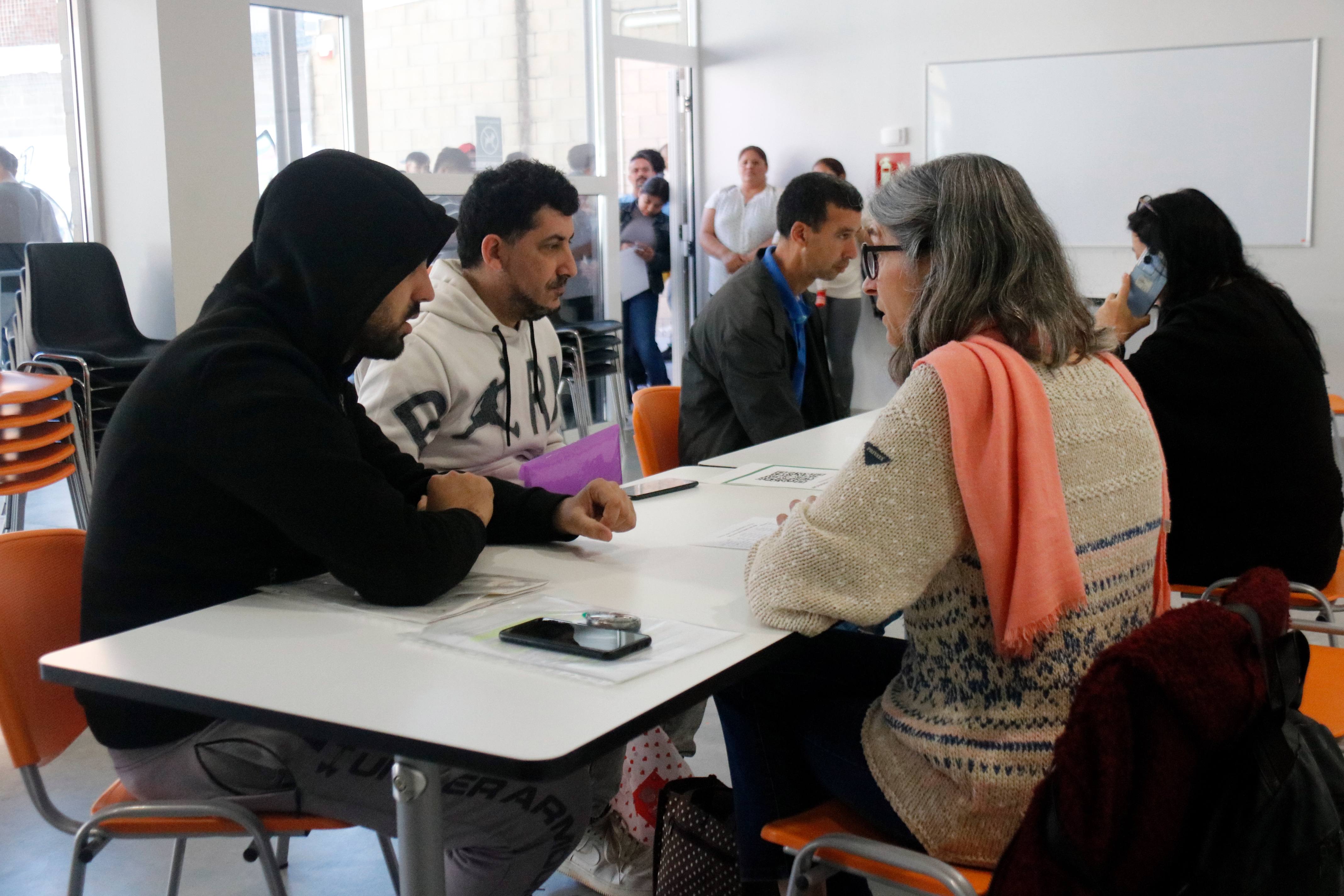
The migrant regularisation process allows applications to be submitted either online through accredited organisations or in person at post office branches and social security offices.
In Girona, post office branches report no queues thanks to a strict appointment system. Applicants submit documentation directly at scheduled times, with around twenty appointments handled in a single morning.
Overnight queues and confusion
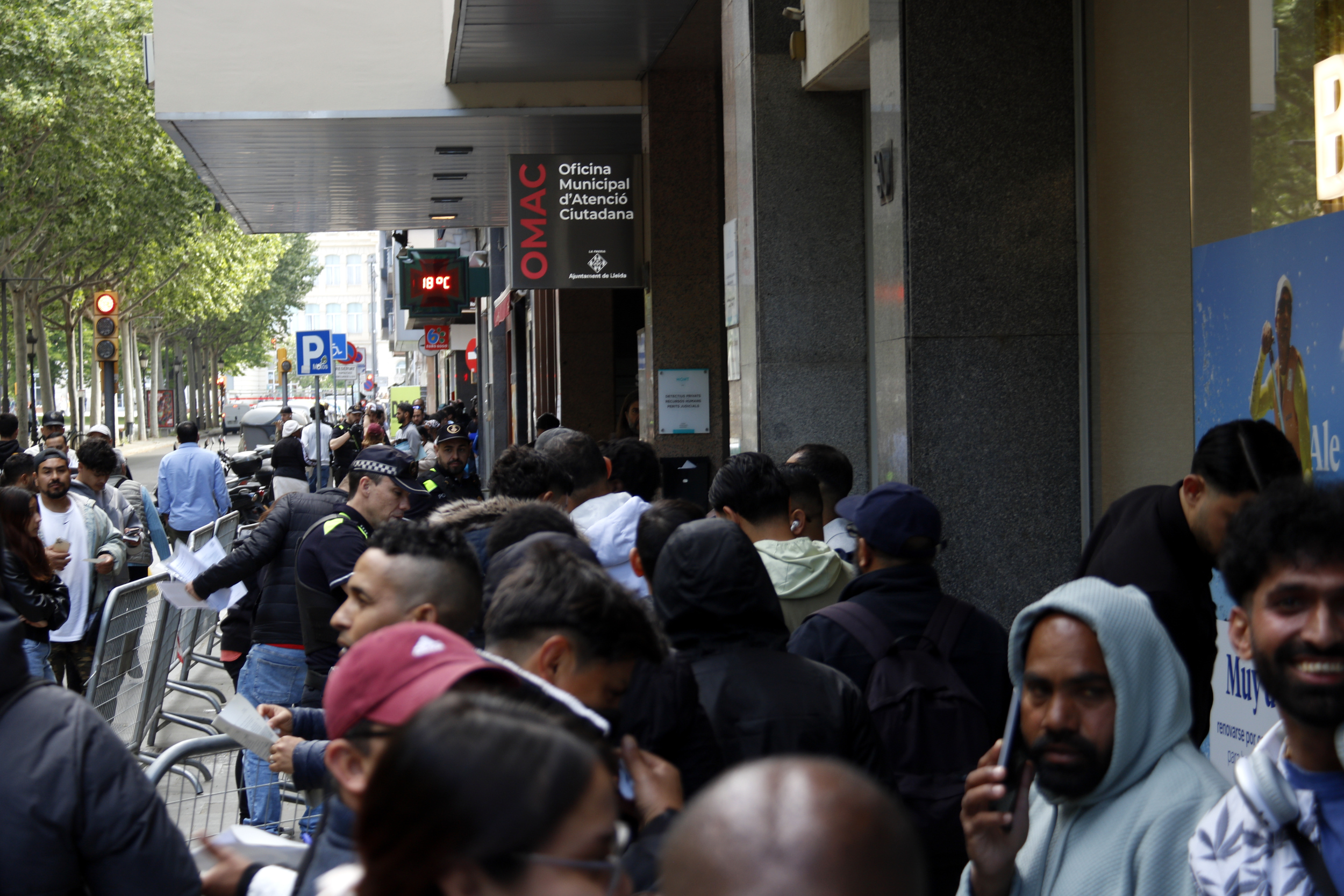
In Lleida, dozens of people spent the night outside the Citizen Help and Information Offices to obtain vulnerability certificates required for some applications. Some waited overnight, with tickets distributed to only a fraction of those present in the morning.
Daniela, a Peruvian living in Lleida, slept on cardboard outside the building after arriving at 9:30 p.m. and finding more than fifty people already ahead of her.
Similar scenes were reported in L'Hospitalet de Llobregat, where thousands queued overnight at La Farga civic centre, repurposed to centralise citizen services and expected to handle up to 27,000 people.
The city council has set up 19 service points to manage demand. Many applicants described the process as a pathway out of informal work and towards legal employment and social security contributions. David, a 21-year-old Colombian who has been living in Catalonia for a year, said the goal was "a more dignified job."
In Girona, the city council has converted the civic centre into a temporary advisory space to handle consultations, while criticising the Spanish government for insufficient resources and delays in defining criteria. Local authorities also stress that several social organisations already provide ongoing migrant support.
Across locations, volunteers and municipal staff describe confusion around documentation requirements, particularly the vulnerability certificate, which has become one of the most requested and least understood elements of the process.
"Chaos" and municipal overload
The mayor of Badalona, Xavier García Albiol, criticised the extraordinary regularisation process, calling it "a disgrace" and accusing the Spanish government of causing "chaos" in local administrations.
Albiol argues the measure is an "irresponsibility" that leads to "uncontrolled" regularisation and generates sudden waves of applicants at municipal offices.
In Badalona, the city council has had to reinforce staff levels to cope with the increased demand.
He defended the need for immigration but criticised what he described as a lack of planning and resources from Madrid.
In response to the surge, Badalona has redistributed staff at its citizen service offices, dedicating separate counters to regularisation procedures in an effort to reduce disruption to other administrative services.