Pyrenees lose three frost days per decade as warming accelerates
Temperature rose by average of 1.9°C since 1959 and up to 2.7°C in summer
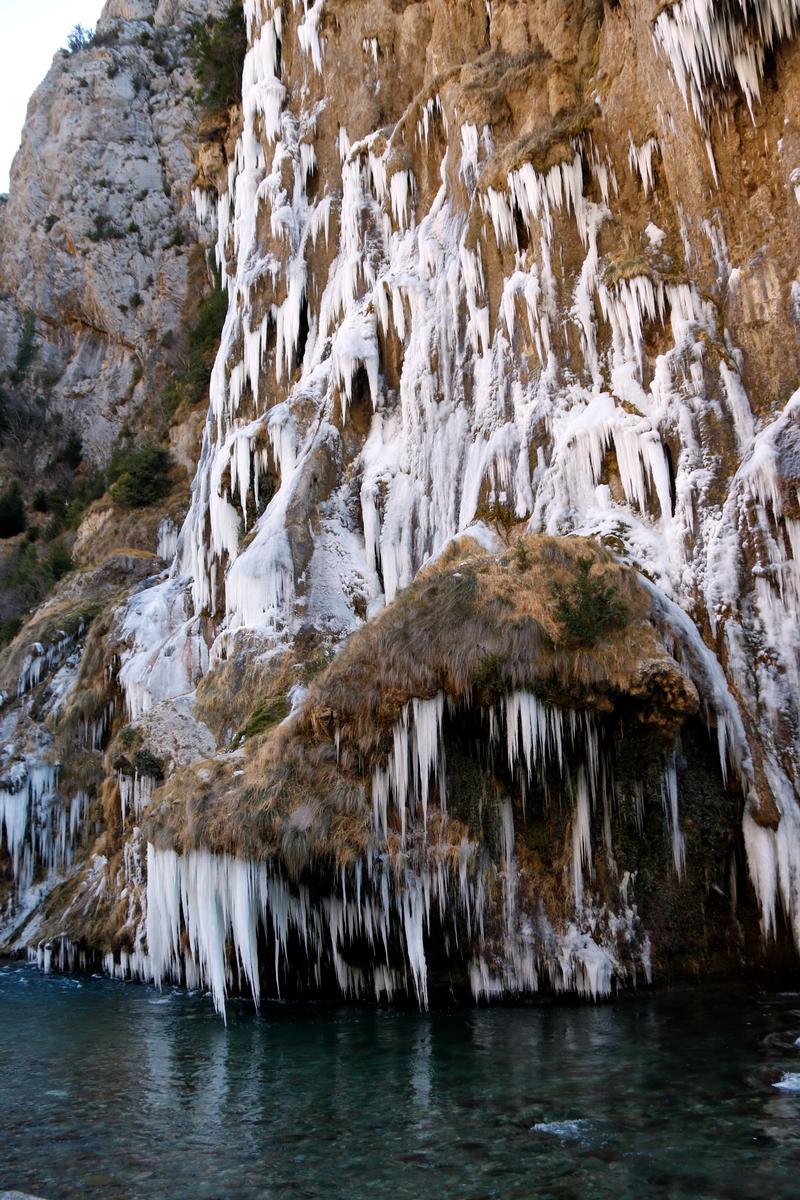

A new cross-border study led by the Catalan meteorological services (Meteocat) confirms a steady rise in temperatures across the Pyrenees, with the mountain range losing three frost days per decade as climate warming intensifies.
The research shows that, since 1959, average temperatures in the Pyrenees have increased by 1.9°C overall and by 2.7°C during summer months. Over the same period, the number of days with minimum temperatures below 0°C has dropped, while warmer conditions have pushed up the number of summer days (defined as those exceeding 25°C) by nearly five per decade.
This means that the Pyrenees now have 20 fewer frost days than in 1959 and 32 more summer days over the same period. The data also highlights a rise in so-called tropical nights, when temperatures remain high after sunset.
The findings form part of the 'LIFE Pyrenees4Clima' initiative and point to longer warm spells and shorter cold periods across the range.
According to Meteocat's head of climate change, Jordi Cunillera, the data reflects a "clear trend" toward a climate that is increasingly warm and, particularly on the southern slopes, drier.
Rising air temperatures are also affecting aquatic systems. In high-altitude lakes such as Ivo de Marboré in the Aragonese Pyrenees, surface water temperatures have risen by close to 0.5°C over the past decade.
Researchers warn this is contributing to more frequent lake heatwaves and reducing the duration of winter ice cover.
Blas Valero, from the Pyrenean Institute of Ecology, noted that these changes can disrupt lake heatwaves and lead to anoxia, the low-oxygen conditions posing serious risks to aquatic ecosystems.
The study is published annually in the Bulletin of Indicators of Climate Change in the Pyrenees (BICCPIR), drawing on long-term temperature and precipitation records from 1959 to 2024. Data contributions come from several institutions, including Météo-France, Spain's official state meteorological agency (AEMET), and the Pyrenean Institute of Ecology (IPE-CSIC), among others.
Researchers say the report provides essential guidance to support climate adaptation strategies across the Pyrenees.