Pyrenees and western Catalonia see temperatures rise over 2°C in first quarter of the century
Ski industry invests in technology to achieve better traction and optimization of snow

The first quarter of the 21st century, the climate change that was predicted has accelerated. In the Pyrenees and in western Catalonia Pirineu have seen increases in temperatures that doubled the forecasts.
According to data from Catalonia's meteorological service, Meteocat, temperatures were between 2.1°C and 2.2°C above average, “confirming the acceleration of the process.”
Víctor Resco, an expert in climate change at the University of Lleida (UdL), affirms that “extreme summers” and shorter autumns are here to stay. He says that the acceleration in heating has been seen across Catalonia, but that there are marked differences in the climates of the western Ponent and the Pyrenean regions.
Temperatures have been rising “little by little,” with increases so far “hardly perceptible,” but in recent years “the line is accelerating.”
Taking the period between 1961-1990 as a reference, the year 2000 saw an average temperature of 1°C above the baseline.
He points out that if the current rate of fossil fuel consumption is maintained, the projection for the next 25 years indicates that the increase in temperature could reach 3 or 4 degrees compared to the historical average.
In western areas, the temperature rise has had an impact on farm work. Last summer, a system of limited working hours was implemented in the fruit campaign, with harvesting happening at night to avoid the hottest hours of the day.
Climate change has also led to an increase in extreme weather phenomena such as hailstorms or violent storms with strong winds. Between April and October alone, there were 19 such storms in the Ponent region, the highest number seen since records began.
Ski resorts and snow
The increasing temperatures and milder winters have caused Catalan ski resorts to strongly committed to managing the snow that falls and that can be produced.
The Catalan Association of Mountain Resorts (ACEM), has brought together experts from the sector for two days to highlight how sustainability, innovation, safety, and AI are transforming the management of ski resorts.

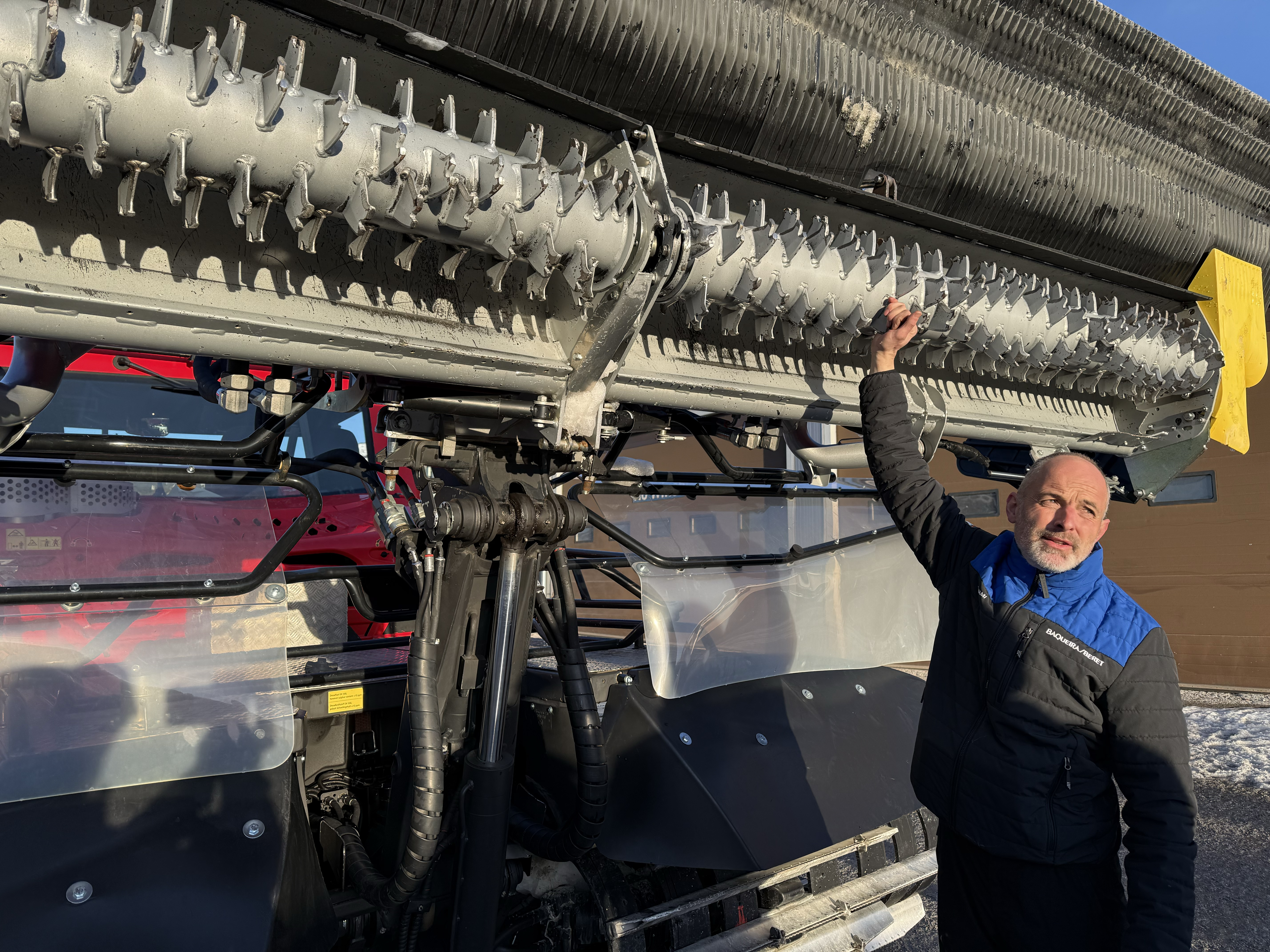
One of Baqueira Beret's most experienced machinists, Ignacio Sacau, explains that with state-of-the-art machinery, they can optimize the amount of snow produced and which falls from the sky.
The snow needs between 4 and 8 hours of rest after being worked to "bind" and harden.
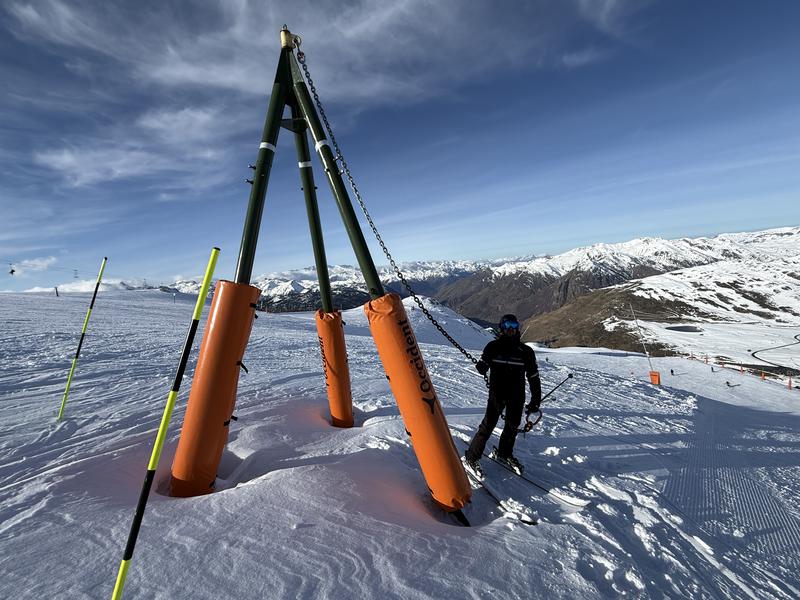
The machines have evolved to be able to work in all kinds of conditions and terrains, so that with winch systems it is possible to climb slopes of more than 45%.
Decarbonization is the future of these machines, with the introduction of fuels such as hydrotreated vegetable oil (HVO).