Postal voting becomes a 'campaign weapon' for right bloc ahead of November 29 election
Mail-in ballots topped 100,000 in Catalonia in every general election since 2016
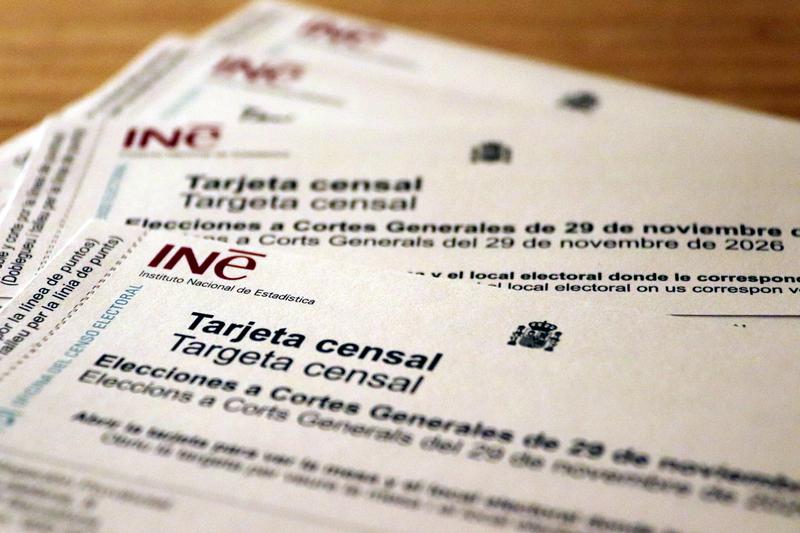

Voting by mail is now firmly established in Spanish general elections. Since 2016, every vote for Congress saw more than 100,000 postal ballots in Catalonia and more than 1 million nationwide, regardless of overall turnout.
Distribution of voting materials for the November 29 election begins Monday. It remains to be seen how many people will vote by mail this year, with the election falling in November and some voices on the right and far-right questioning the reliability of the process.
"It has become a campaign weapon," said Joan Miró, a professor at Pompeu Fabra University (UPF), while Silvia Vega, who regularly votes by mail, said she will do so with "full confidence."
Postal voting expanded significantly over the past 15 years, in Catalonia and across Spain. In the general elections of November 2011 and December 2015, postal ballots made up between 1% and 2% of the total in Catalonia and between 2% and 3% in Spain. Each election saw about 60,000 postal votes in Catalonia.
The turning point was the repeat election in June 2016, just as summer began. Turnout dropped by five percentage points, but postal votes nearly tripled to 162,634. That was 4.6% of the votes cast in Catalonia and 6% nationwide.
Since then, postal votes never fell below 100,000 in Catalonia or 1 million nationwide, regardless of turnout.
The record came on July 23, 2023, in an election called at the height of summer, which is directly credited with the surge. Postal voting made up 7% of the votes cast in Catalonia, or 251,324 ballots, an unprecedented figure of more than a quarter of a million.
"Campaign weapon" for right bloc
Leaders of the conservative People's Party (PP) and far-right Vox have cast doubt on the postal voting system several times since the election was called.
Isabel Díaz Ayuso, president of the Madrid region, urged voters "not to even consider" voting by mail. PP leader Alberto Núñez Feijóo said he has "full" confidence in the postal workers of Correos, Spain's postal service, but not in the company's "executives."
Vox leader Santiago Abascal also questioned the system in a video posted on social media. "If a Spaniard goes to vote at a ballot box, Sánchez's hand won't appear there to interfere with anything."
According to Miró, a professor of European Union public policy at UPF, the system "operates with multiple safeguards," and "it is difficult to imagine how" a massive electoral fraud could be carried out.
He said questioning mail-in voting is common in "fragile" or developing democracies but is a "newer" phenomenon in Western democracies such as Spain's. He cited U.S. President Donald Trump as the leader who "set the trend" for questioning the system.

"It has gained considerable prominence, the difference is that it has become a campaign issue used to set the agenda," he said.
In this election, he said, the questioning of postal voting has been "intertwined" with the immigration debate and the regularization of immigrants, with the aim of creating the impression that "the country's social majority is being altered."
"Full confidence" in the system
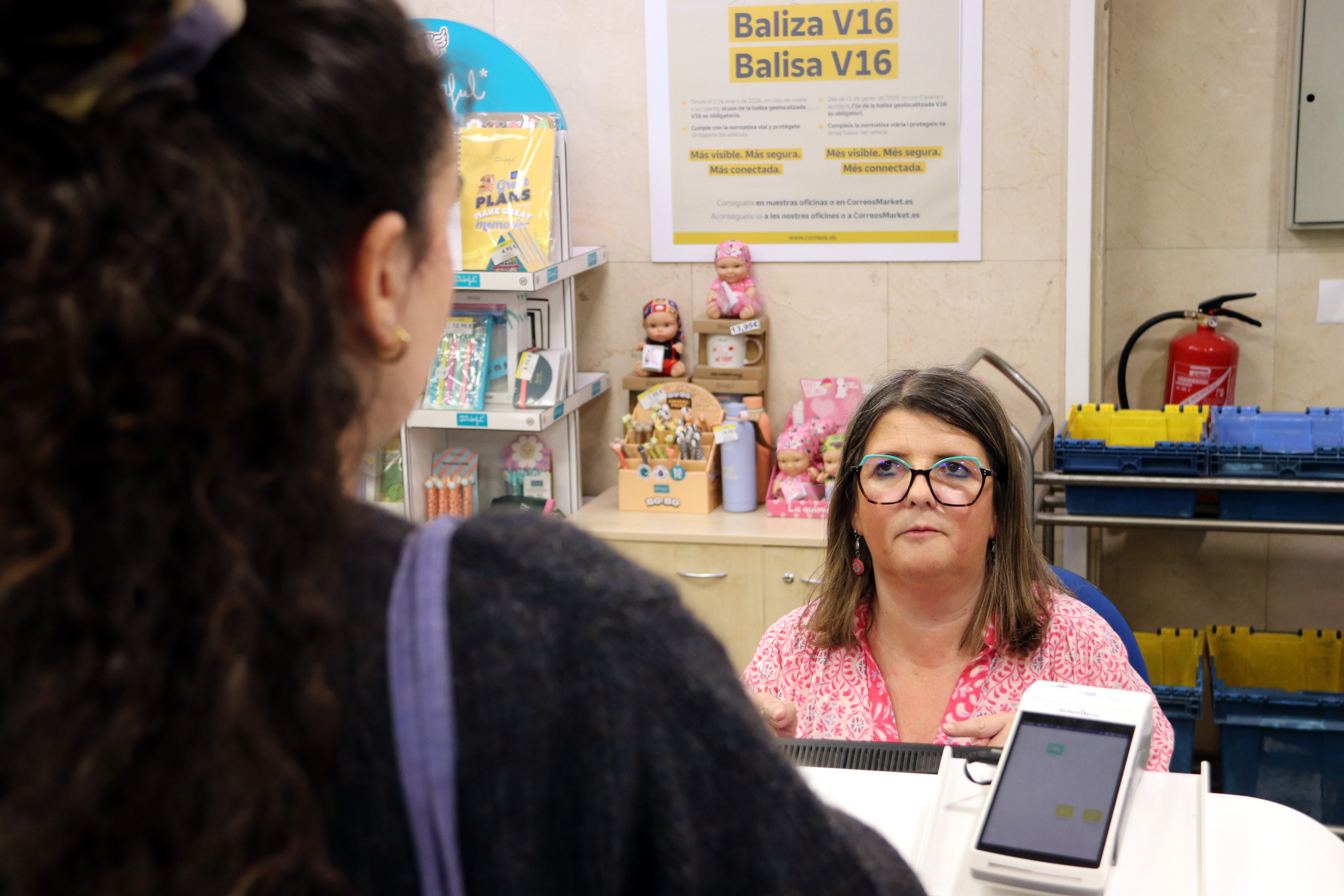
Silvia Vega, originally from the Canary Islands who now lives in Barcelona, said she has never voted in person on election day. "I have always voted by mail," Vega told Catalan News Agency (ACN) shortly after requesting a mail-in ballot at a local post office.
Preparing to vote by mail for the fifth time, she said she has "full confidence" in the procedure.
"My vote will reach Gran Canaria just as it would have if I had taken a flight and voted there in person," she said.
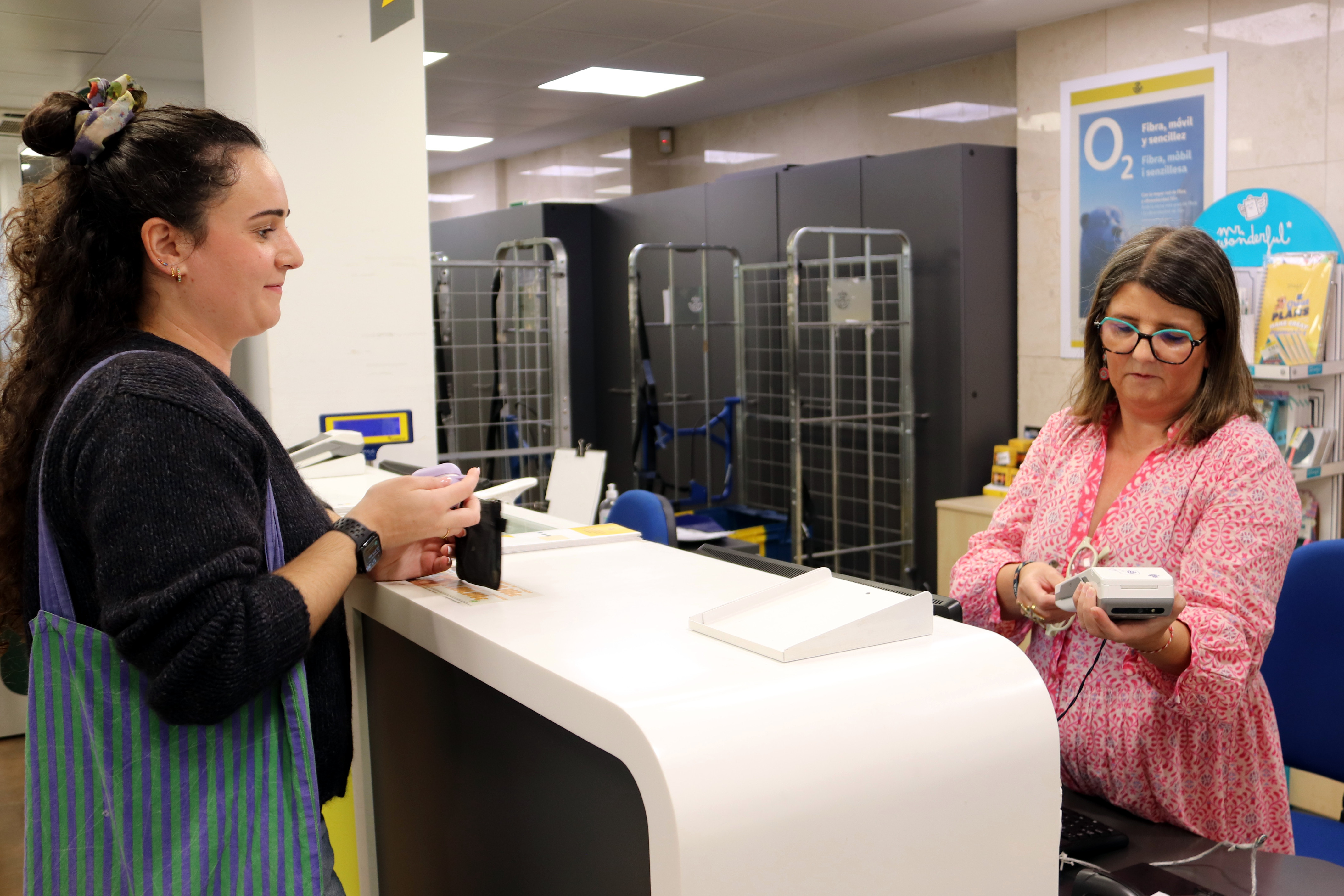
Vega said digitalization made the process "faster" this year. "In the past, you had to fill out a lot of paperwork by hand, now, I simply handed over my national ID card (DNI), which they scanned, provided my phone number and email address, and that was it," she said.
Key dates and the procedure
Voters who want to cast their ballot by mail can submit their requests until November 19, online through the Correos website or in person at a post office. Applicants must give the address where they want to receive their electoral documents. It does not have to be their primary residence and could be, for example, their workplace.
For those who already submitted a request, delivery of the voting documents begins Monday and runs through November 22. The documents are handed directly to the applicant, who must show a DNI or another form of identification to the postal worker.
Correos will make two delivery attempts. If the recipient cannot be reached, a notice will be left to collect the documents at a post office.
Once voters receive the documents, they must select a ballot and place it in the voting envelope. To cast a blank vote, they should leave the envelope empty. The voting envelope and the electoral roll registration certificate then go inside the envelope addressed to the polling station. Voters should not include any other documents, such as the DNI, or the vote could be declared void.
The sealed envelope must be handed in person at a post office and cannot be sent by standard mail. Voters must show identification, and the envelope will be sent by registered mail free of charge. The deadline is November 25.
Voters who cannot go to the post office can authorize someone else to do it for them, using the authorization form from Correos along with a photocopy of the voter's ID and their signature. Once a postal vote is requested and approved, voters cannot reverse that decision and vote in person on November 29.