Police warn of rise in animal trafficking via Catalonia's AP-7
Mossos d'Esquadra target gangs bringing dogs from Eastern Europe
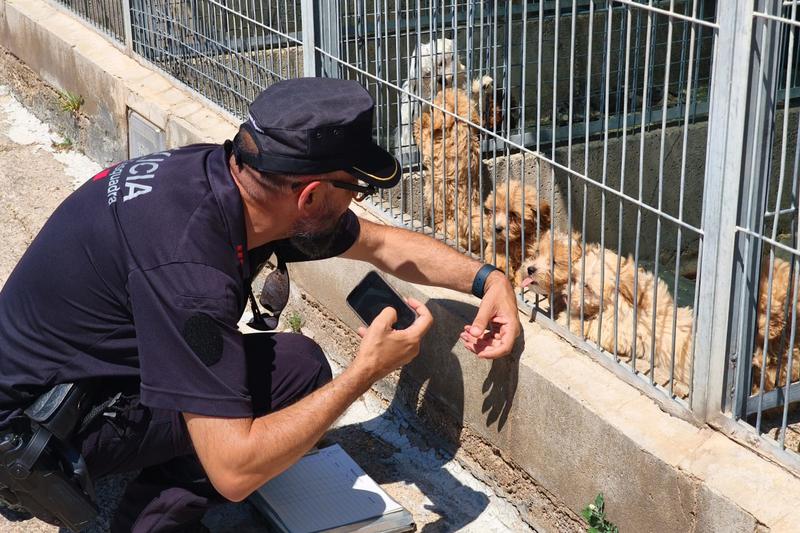

Catalan police, the Mossos d'Esquadra, have detected a rise in animal trafficking, particularly dogs, via the AP-7 motorway, which runs from the French border through Catalonia.
Police warn that some of the animals can carry diseases from their countries of origin because they often arrive "without any [health] checks."
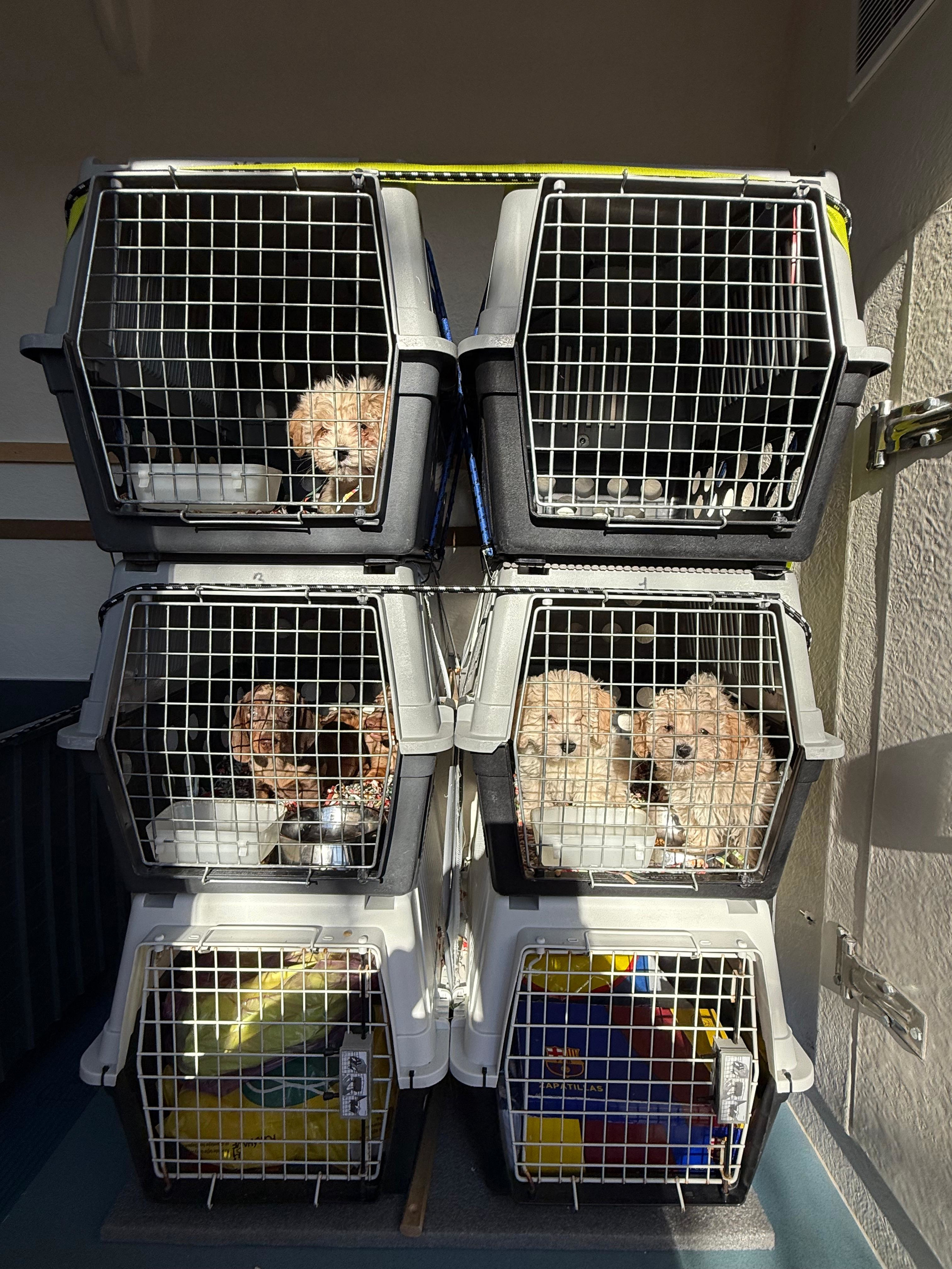
The Mossos' Girona Regional Environmental Unit (URMA) is targeting organisations involved in animal trafficking.
Gangs typically bring dogs from eastern European countries to sell them elsewhere in Spain, sometimes making profits of 10 or even 20 times their initial outlay.
"Many things enter through the AP-7, it is a critical point because it is a border crossing," said Toni Martín, head of the Girona URMA.
One of his main concerns is animals, mainly highly sought-after breeds such as chihuahuas, dachshunds, labradors and golden retrievers.
Martín said the trade was particularly lucrative. In some cases, traffickers pay €100 for a dog, resell it to an intermediary for €500 and the intermediary can ultimately sell it to a private buyer for €2,000.
"It is very profitable, which is why it continues," he said.
Many of these dogs arrive without the required health checks, sometimes carrying diseases that only emerge after the final customer has bought the dog.
"A person thinks they are buying an animal with health guarantees and, because it comes from abroad and there has been no control over how it was bred, and the genetic profile is not appropriate, they find that the dog develops a disease later. We encounter this quite often."