Over 80% of Barcelona's homeless people report suffering crime, assault or discrimination
Two in three incidents go unreported and 40% of women cite cases of sexual assault
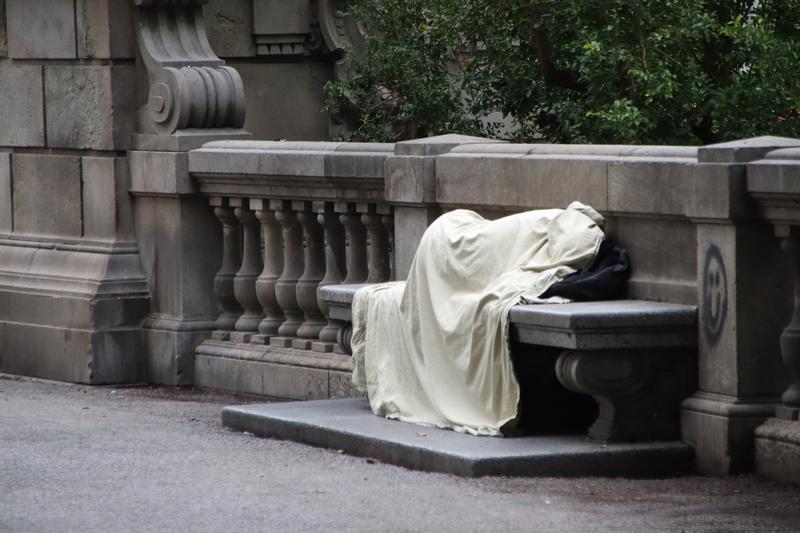

Of people living on the streets in Barcelona, a significant majority, 83.3%, say they have experienced a crime, assault or discrimination since becoming homeless.
This figure comes from a new report titled "Victimization and Aporophobia Among People Living on the Streets in Barcelona." Aporophobia is hostility toward people in poverty.
That share is down from 86.9% in 2023, but some forms of victimization have grown. Insults, humiliations or threats rose from 56.3% to 61.6%, and physical assaults rose from 46.9% to 48.4%.
About one in four people also identify an explicit aporophobic motive behind the assaults they suffered. The study is based on surveys of 685 people in 2023 and 670 in 2025.
Theft of money, belongings or documents remains the most common form of victimization, affecting 83.5% of those who reported being victimized, up from 82.9% in 2023.
The share of people whose belongings were damaged rose from 35.9% to 41.4%, and the share who faced discrimination or assault in public spaces rose from 30.6% to 33.3%. Reports of sexual assault rose from 9.1% to 9.7%, and being denied entry to a place increased from 30.5% to 34.1%.
The share of people who believe such incidents happen only to those living on the street also rose, from 40% to 46.6%, and the share reporting insults that explicitly referenced their homelessness rose from 22.6% to 26.5%.
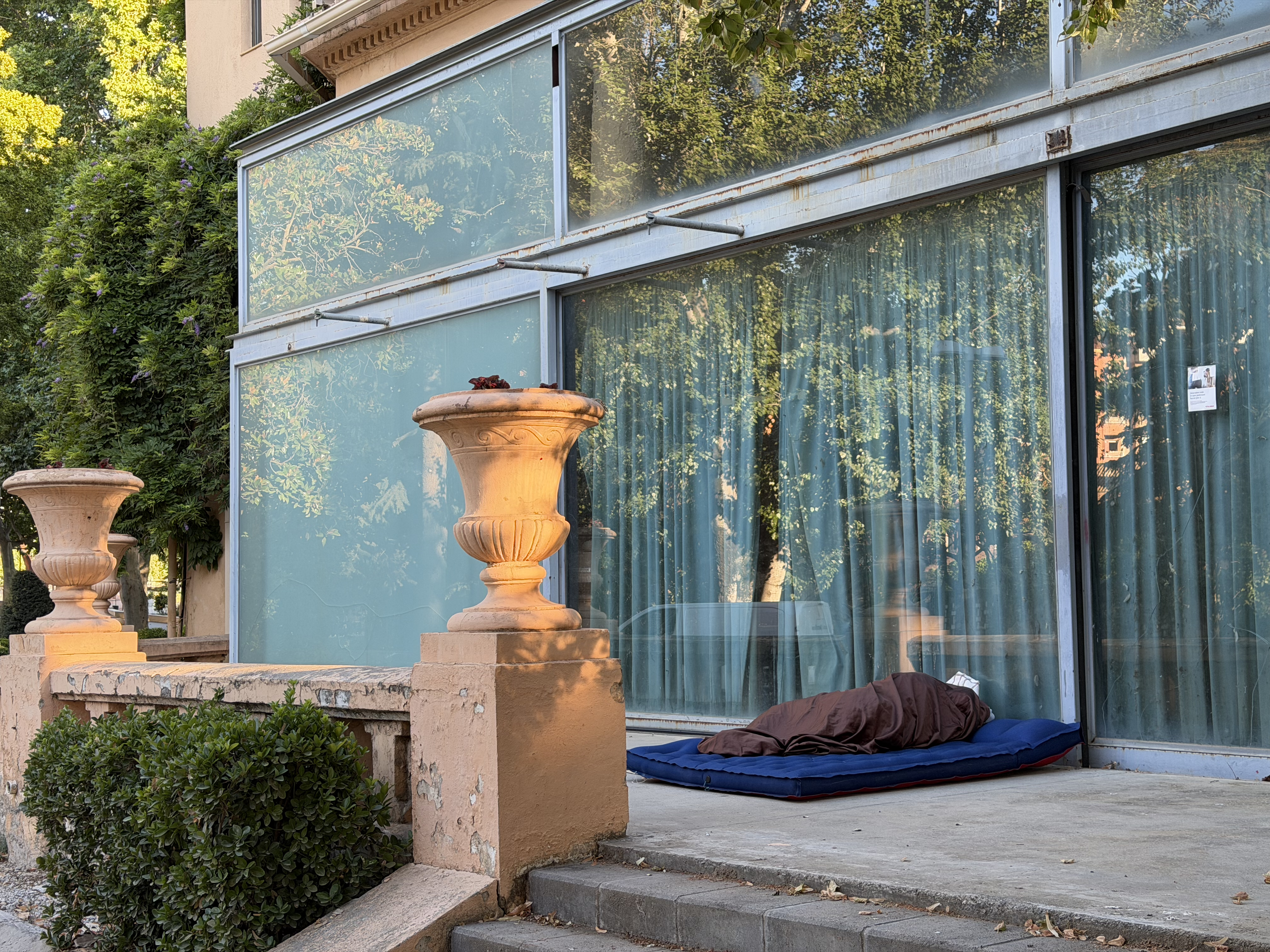
However, the report notes that not all victimization is necessarily aporophobic. Victimization is tied to the exposure and vulnerability of living on the street, while aporophobia involves a motive rooted in rejection of or contempt for poverty and homelessness. Indicators used to identify it include statements by the aggressors, insults related to homelessness and the victim's own perception.
41.4% of women report sexual assault
The study found a marked gender gap. Women show higher rates of virtually every form of victimization, particularly sexual assault, coercion, physical aggression and discrimination in both public and private spaces.
Beatriz Fernández, director of the Arrels Foundation, a Barcelona group that works with homeless people, said 41.4% of women living on the street report having been sexually assaulted, compared with 4.6% of men.
Two out of three incidents go unreported
Underreporting is another key finding. Some 62.1% of those who experienced such situations did not report them, similar to the 63% recorded in 2023. The percentage of those who do report incidents fell from 32.7% to 31.2%.
Among those who did not report, the share who said doing so is "pointless" rose from 44.5% in 2023 to 56.4% in 2025. Distrust of police and the justice system also rose, from 28.2% to 33%. Slightly fewer people said they did not report because they did not know how (down from 8.8% to 7.9%) or because they feared reprisals (down from 9.4% to 8.3%).
Fernández warned that underreporting leaves victims "under-represented" in police and court records. For people who have lived on the streets the longest, Fernández cited a particularly "poignant" reason for not reporting.
"They know the system inside out, but they don't believe it serves any purpose," she said.
José Luis Miralles, who has lived on the streets for years and took part in the report's presentation, said he has endured "all kinds of violence."
Among other incidents, he recalled that a group of young people insulted him as he headed to sleep near Hospital del Mar in Barcelona, calling him a "piece-of-shit beggar."
"Who is going to pay attention to someone living on the street? That's why many of us don't report anything, because we think nothing will be done," he said.
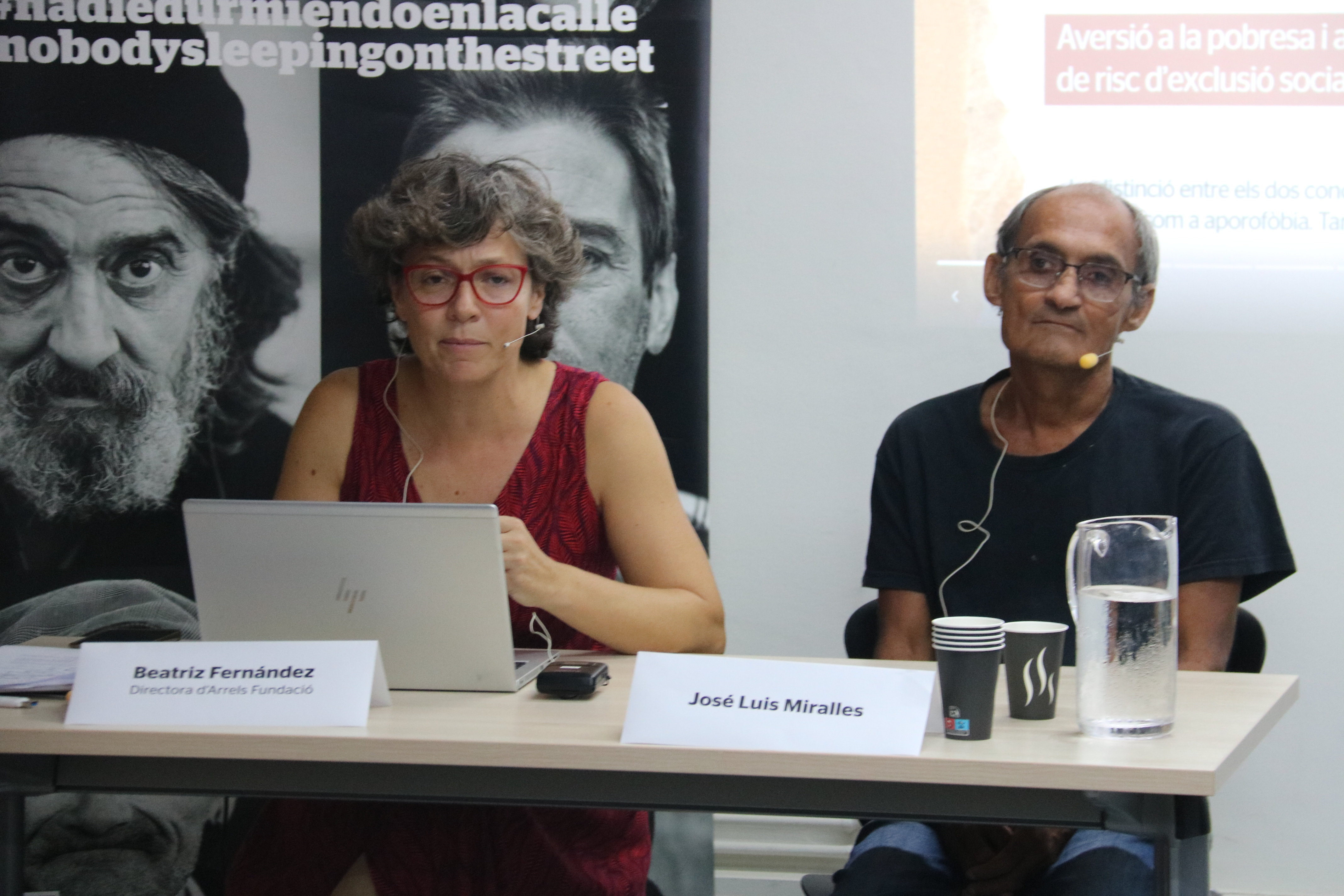
Reporting channels outside police stations
In response, the study proposes improving tools to detect aporophobia and developing specific indicators. It notes that such attacks can take the form of insults about poverty, destruction of belongings, humiliation, expulsion from public spaces or assaults on people while they sleep.
The study also calls for more accessible ways to report crimes outside police stations, through support services, organizations or mobile units. Other proposals include bolstering frontline staff, training law enforcement and improving coordination among police, prosecutors, social services and support organizations.
It also calls for police, court, health and social records to systematically document a victim's homelessness and any signs of aporophobic motivation.
Finally, the authors argue that the response cannot be limited to the criminal justice system and that reducing the time people spend on the street is the best protection against violence.
They call for guaranteeing decent, stable housing, preventing people from becoming homeless and avoiding policies that displace, criminalize or make homeless people invisible without offering alternatives.