One in five at risk of poverty in Barcelona metropolitan area despite post-pandemic decline
Poverty risk more than twice as high for people born outside Spain
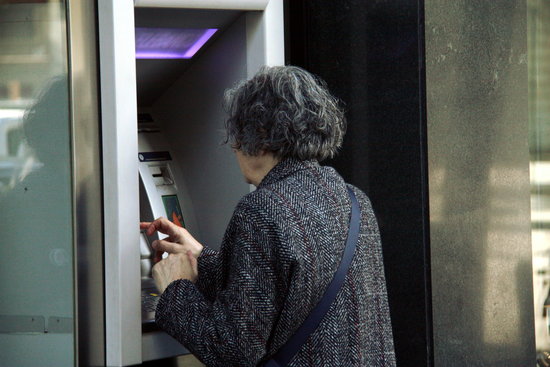

The number of people at risk of poverty in the Barcelona metropolitan area has declined since the pandemic, but a growing share of residents say they feel they struggle to make ends meet, according to new data.
Figures from the Metropolitan Institute, based on Catalonia Living Conditions Survey, show that 19.4% of residents – around 660,000 people – were at risk of poverty in 2024–25.
The rate has fallen since the pandemic, but trends diverge sharply between Barcelona city and the surrounding area.
In Barcelona itself, the poverty risk rate dropped from 19.7% in 2022–23 to 16.4%. Across the rest of the metropolitan area, however, it rose from 19.8% to 22.4%.
Overall, nearly one in five residents in the metropolitan area falls below the poverty threshold, defined as 60% of median household income.
With average net household income at €46,048 in 2024–25, the threshold stands at €14,641 for a single-person household and €30,764 for a family of two adults and two children.
Women, children, and foreign-born most at risk
Women remain more exposed to poverty than men, with rates of 20.9% and 17.9% respectively. c
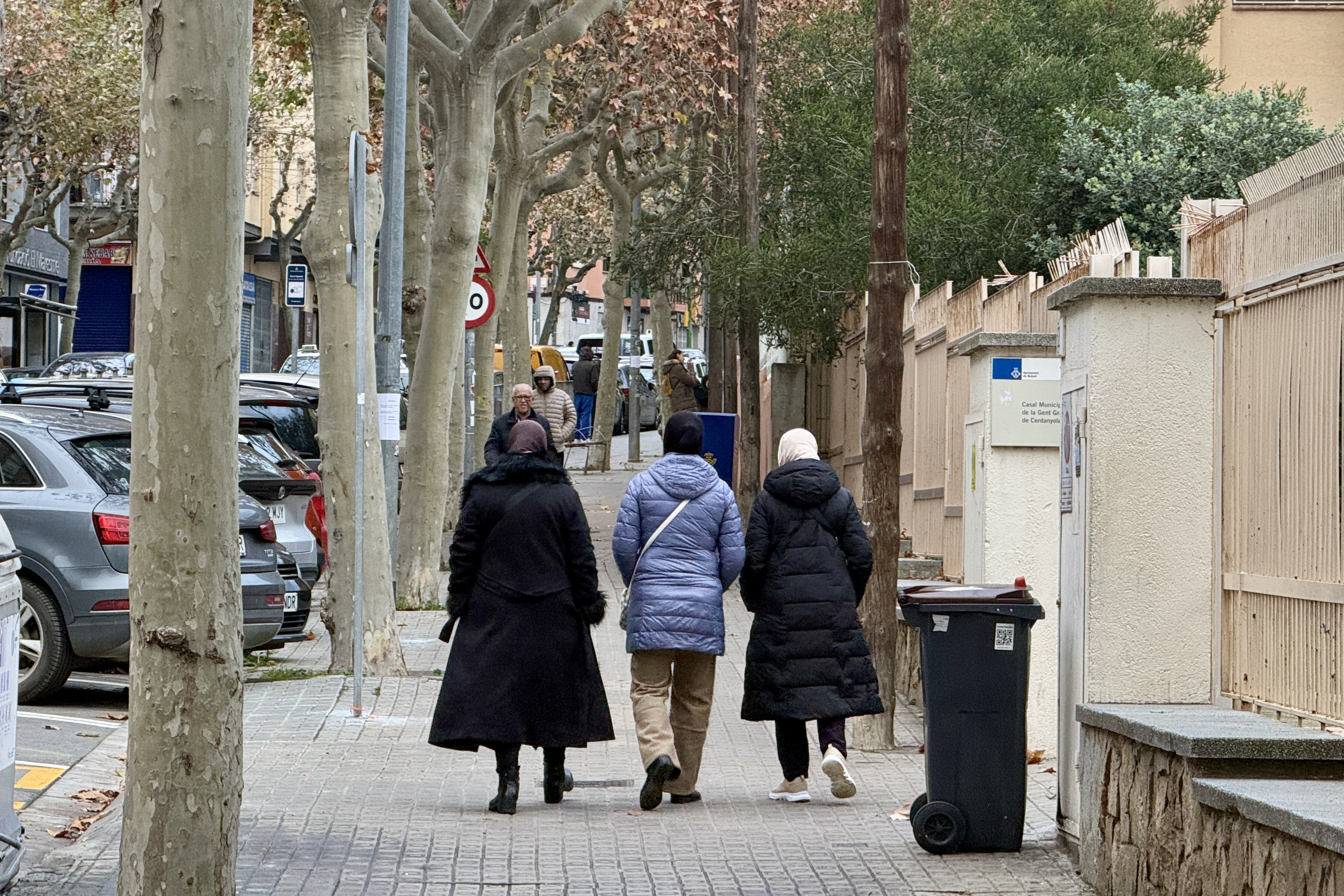
Children and teenagers are the most vulnerable group: 31.4% of under-16s in greater Barcelona – roughly 148,000 young people – are at risk of poverty.
People born outside Spain face a poverty risk rate more than double that of those born in Spain, at 32.8% compared with 14.8%.
Not making ends meet
At the same time, subjective poverty – the feeling of not making ends meet – has increased.
The share of residents reporting such difficulties rose by two percentage points to 23%, meaning nearly one in four people feel financially strained, close to levels seen in 2020–21.
This perception remains higher outside Barcelona, at 27%, although it has risen markedly within the city, climbing from 15.4% in 2022–23 to 19.2% in 2024–25.