International Women's Day: Barcelona women reflect on freedom, fears and pressure
From public safety to motherhood, the struggles remain
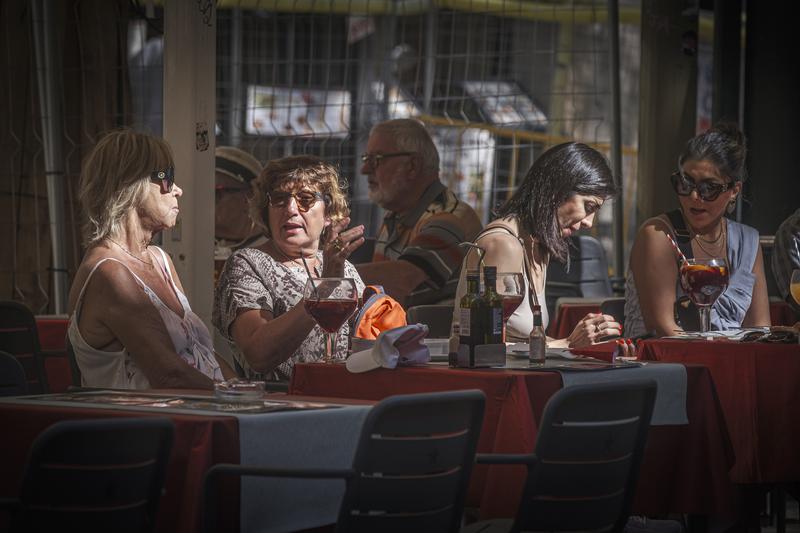
Ahead of International Women's Day on March 8, women in Barcelona shared how it feels to live in the city today, describing a place that offers freedom and opportunity but where everyday caution and unequal pressures remain part of daily life.
For some, Barcelona represents freedom. "I think it is awesome," said Sam, who recently arrived from Texas. "I feel safe. I feel seen."
Angela, who moved from Colombia, described a stark contrast with her home country. "Here I can run without feeling watched," she explained. "I feel very free." Compared to her home country, she said, walking alone at night feels calmer and less stressful.
Carla, from the Philippines, had heard worrying stories about the Catalan capital before arriving. "I thought it would be dangerous, because of what I heard about pickpockets, for example," she said. "But now that I am here, I actually feel safe."
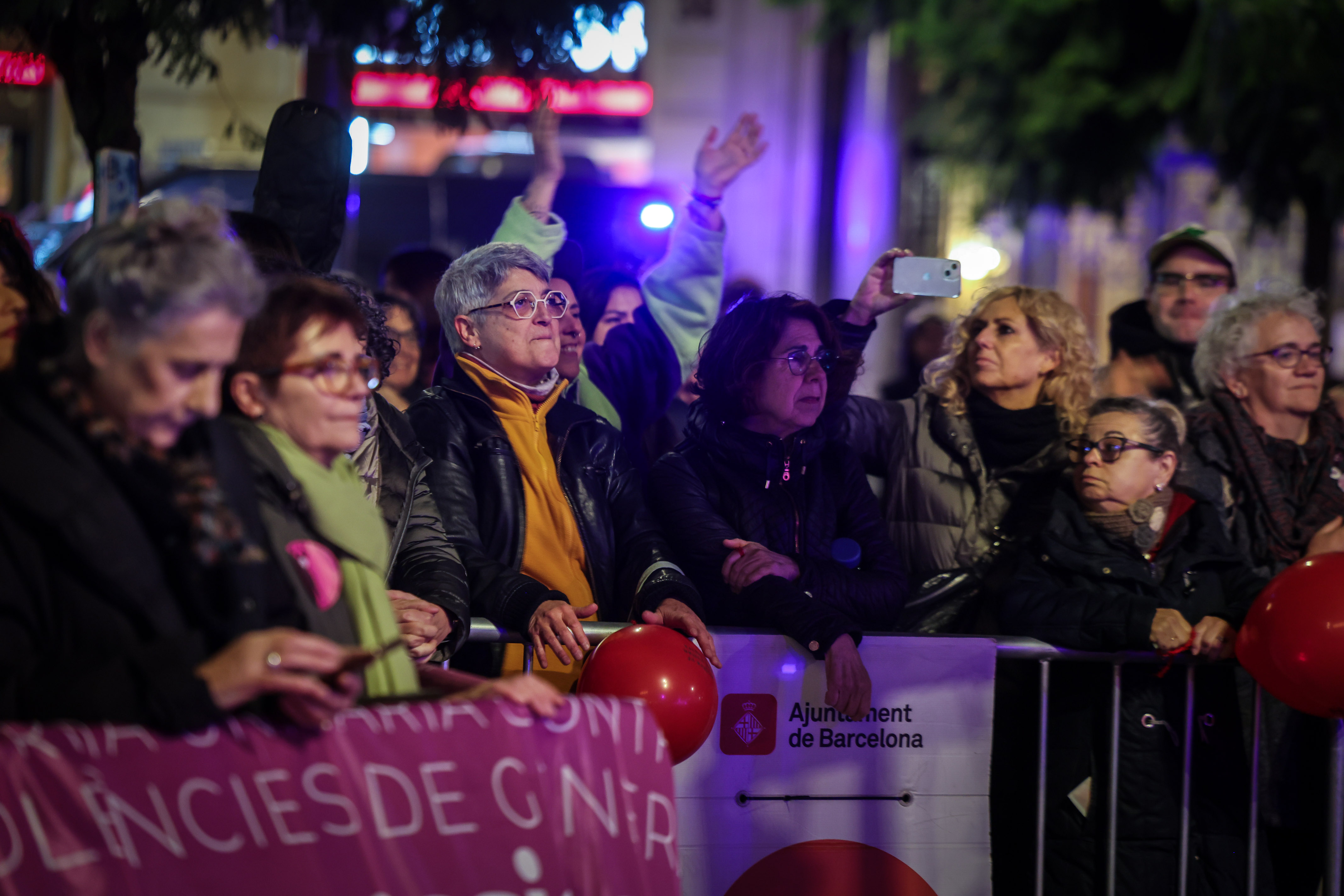
Yet for many women, safety in Barcelona comes with conditions.
Official figures from the Spanish Ministry of Interior's Crime Report show the issue remains a major concern across the region.
Catalonia recorded around 1,794 sexual assaults involving penetration in 2025, slightly more than the previous year, making it one of the Spanish regions with the highest number of reported cases.
"It depends on the neighbourhood and the time," Claudia explained. "As a woman, it is hard to feel safe anywhere."
She described the unease of being stared at, followed, or simply watched, moments that trigger fear even when nothing happens.
Alba said she avoids certain places and thinks carefully about how she dresses, where she goes, and how she will get home. "We are so used to it," she said. "It is just part of our lives. And that is kind of sad."
Societal issue
"We are asked to do everything," said Laia. "We have come a long way, but we are still doing many things from the past on top of modern life."
She described the pressure of caring, working, and achieving, often without equal responsibility being shared. "We are asked to do the same as men, without them doing the same as us," she added.
For her, this imbalance is not just personal but societal. While insecurity affects everyone in the city, she believes women still carry a distinct, persistent fear.
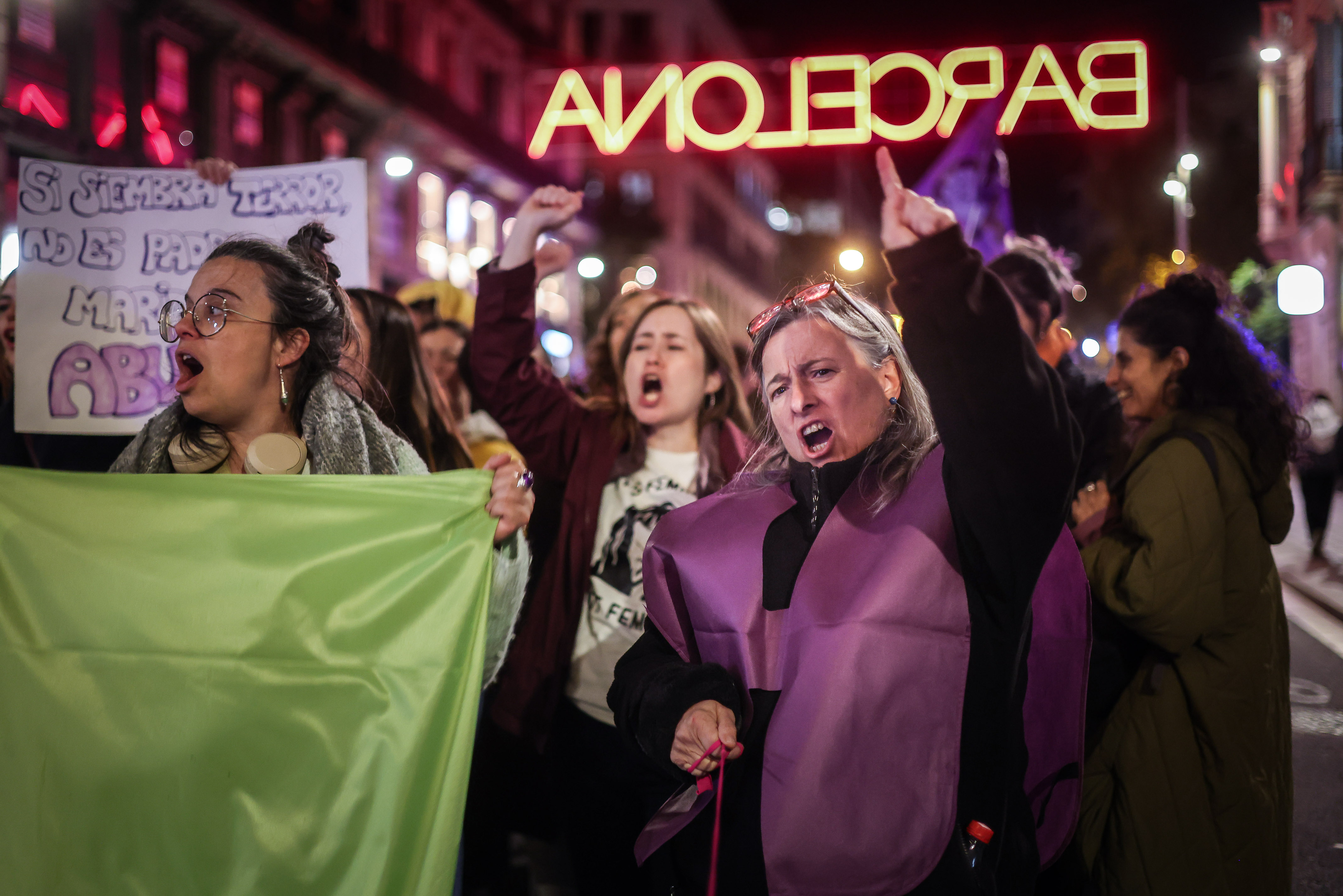
Miriam, a mother of three, highlighted the strength of women's networks across ages and communities in Barcelona.
"There is a whole network of women weaving together powerful projects," she said. "We support each other, and that gives you strength."
Angela also called for more visible spaces for women, particularly migrants, where asking for help or sharing experiences feels safe and accessible.
The pressure multiplies for mothers
"It is really difficult to juggle work and being a mum," said Ivonne, who described coordinating childcare, relying on babysitters, and returning to work early after giving birth. "If I had not received help, I would not be able to work."
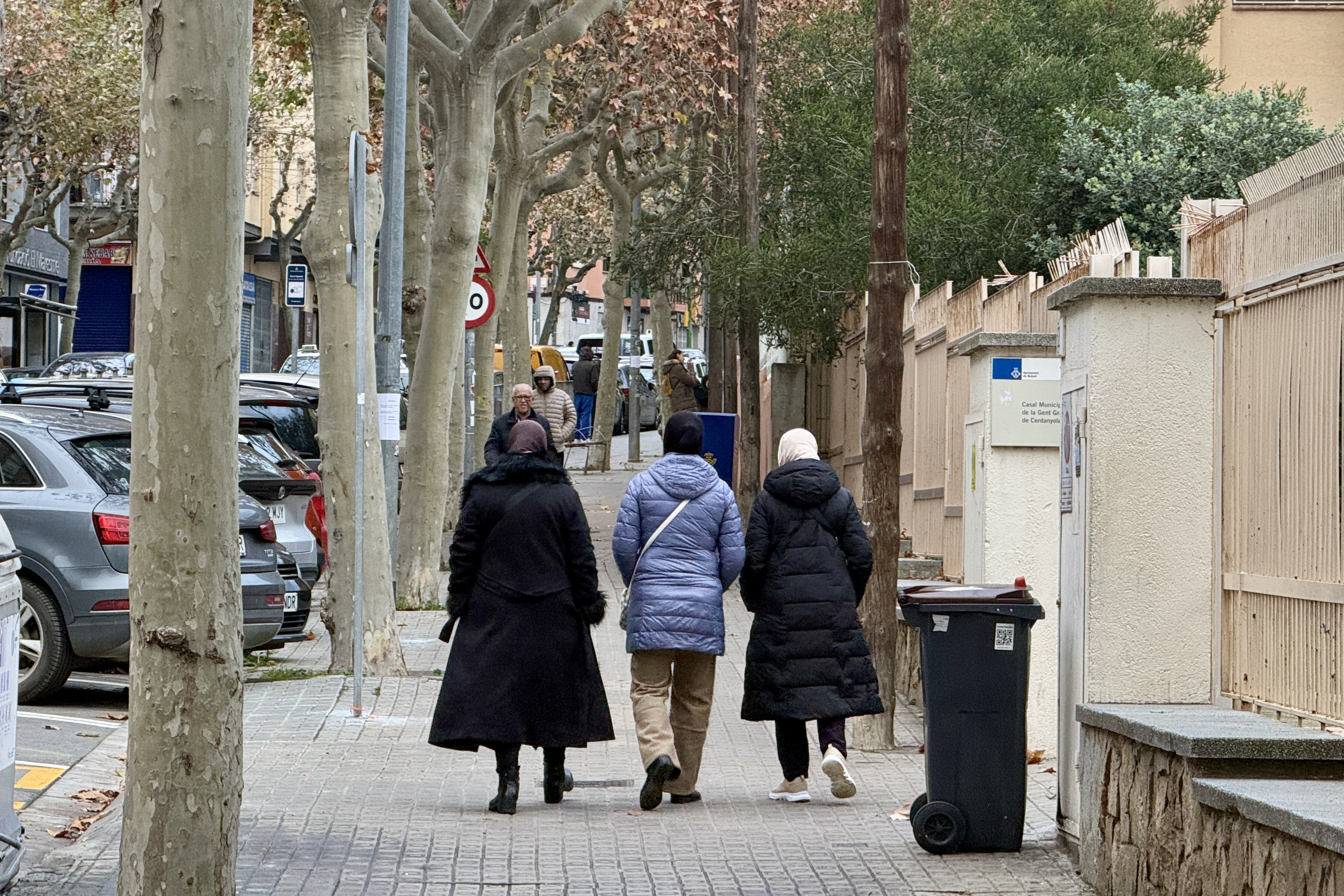
Claudia, who recently became a mom, said that Barcelona is relatively accessible with a pushchair compared to the smaller town where she comes from.
Yet, responsibility can also heighten feelings of vulnerability.
"When you are out with a baby, you worry more," she said. "That is just the reality, as a woman, it is hard to feel safe anywhere"