Incurable fungus that attacks European ash trees found in Catalonia
Experts say a 'peak' in infection is expected and that 'it is here to stay'
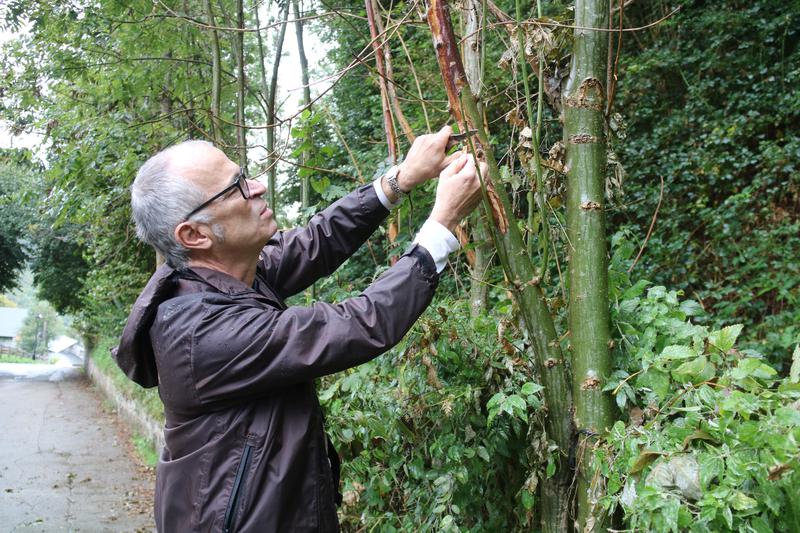

An incurable exotic fungus attacking European ash trees has appeared in Setcases, a town in the Pyrenees close to the French border. It marks the first time the fungus has been detected in Catalonia and experts warn that "it is here to stay."
It is an airborne pathogen of Asian origin that causes ash dieback, according to Jonàs Oliva, a researcher at the Forest Science and Technology Centre of Catalonia.
As well as the impact on the landscape, the loss will also have cultural consequences, as "it is an important tree in the Pyrenean region."
"We need to monitor the situation to see if the impact will be severe, as it could jeopardize the future of this species," he said. Finding resistant specimens in Catalonia offers the main hope for the future.
The scientific name of the fungus is Hymenoscyphus fraxineus and it can be found mainly along roadsides and in forests. It was first detected in Europe in 1992 after a large number of ash trees died in Poland. It is now in almost every European country and has had significant effects in central, northern, and western Europe.
On the Iberian Peninsula, its presence was recorded in 2021 in areas such as Asturias and later in Navarre, where monitoring is underway. The leading hypothesis is that the fungus entered Catalonia from the northern slopes of the French Pyrenees, an area where it is known to exist.
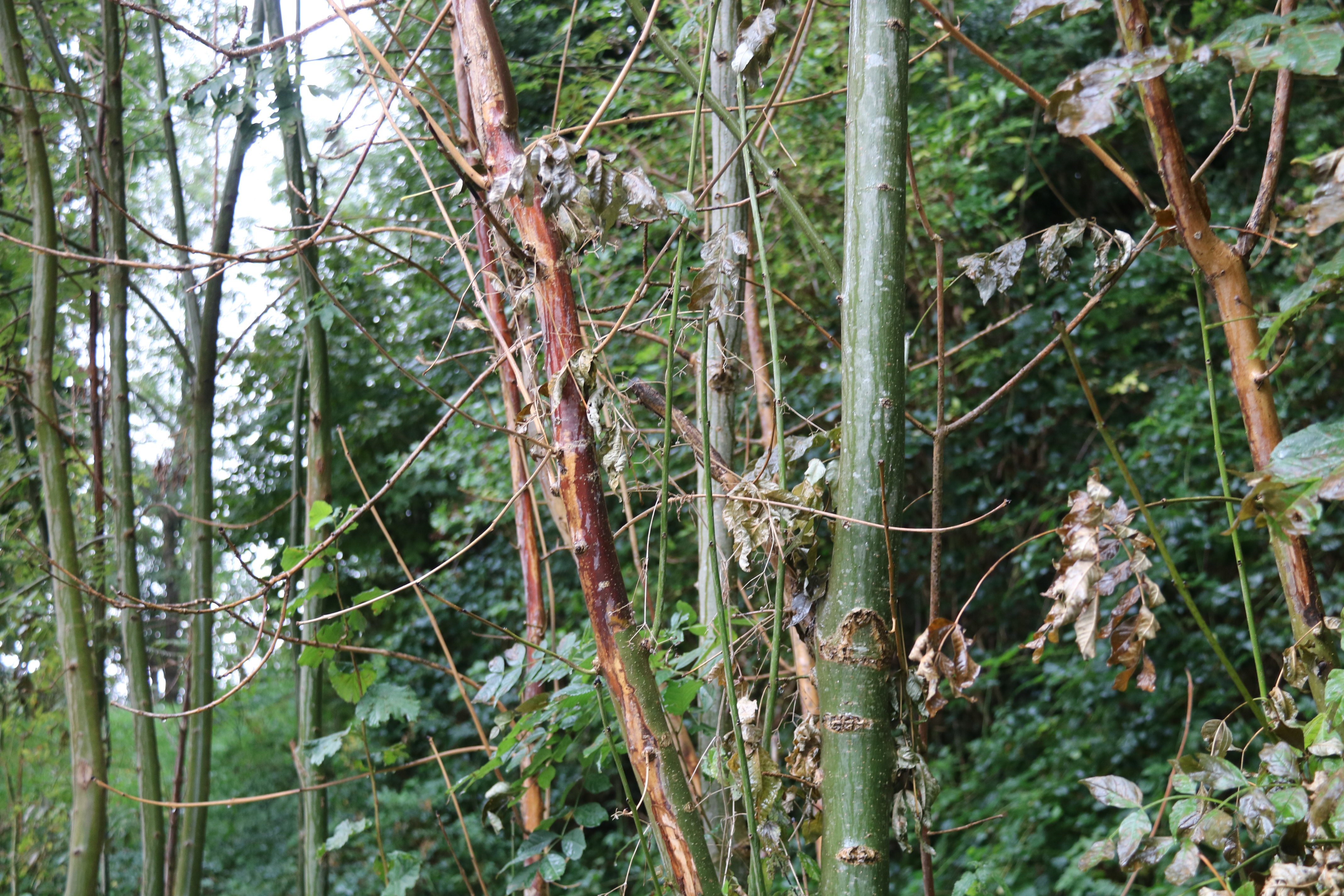
It spreads through airborne spores, where once it infects the ash tree, the fungus enters through the leaves and then spreads to the branches, causing them to turn dark brown.
"Over time, the tree dries out from the crown down to the trunk, eventually leading to the tree's death," said Oliva, who is also a professor at the University of Lleida.
Its presence now poses a significant threat to Catalonia's ash trees, which are concentrated mainly in the valleys of Ripollès, Berguedà, the Aran Valley and Pallars. Ash trees used to be planted along the edges of pastureland because its leaves are "highly nutritious" for livestock.
A "peak" in infection is predicted, with dead trees themselves spreading the fungus "kilometers away." According to Oliva, felling the trees is not a solution either.
Ash trees are not a species commonly used for timber production, so experts anticipate that the impact will be primarily on the landscape as the trees gradually die off.
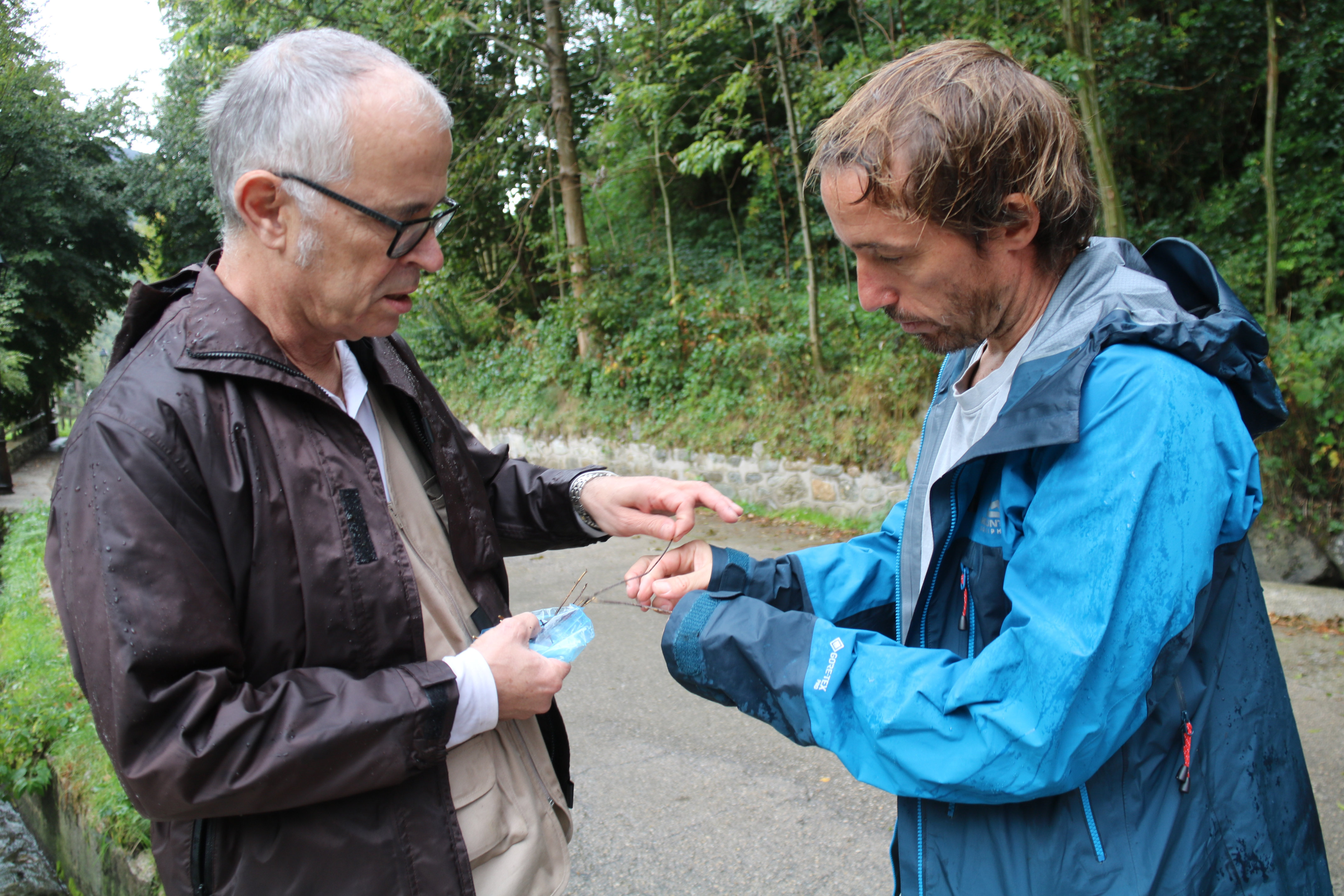
"Ash trees are planted for their environmental, landscape, cultural and ornamental value," said Jorge Heras, head of the Forest Health and Environmental Adaptation section at the Catalan government's Department of Agriculture.
He acknowledged that "it is impossible to say for sure what will happen," but said they are certain that "the landscape will change significantly."