Iberian blackout, one year on: experts assure improvements in prevention but warn zero risk is impossible
Engineers demand advances in energy storage and review of emergency protocols in critical sectors
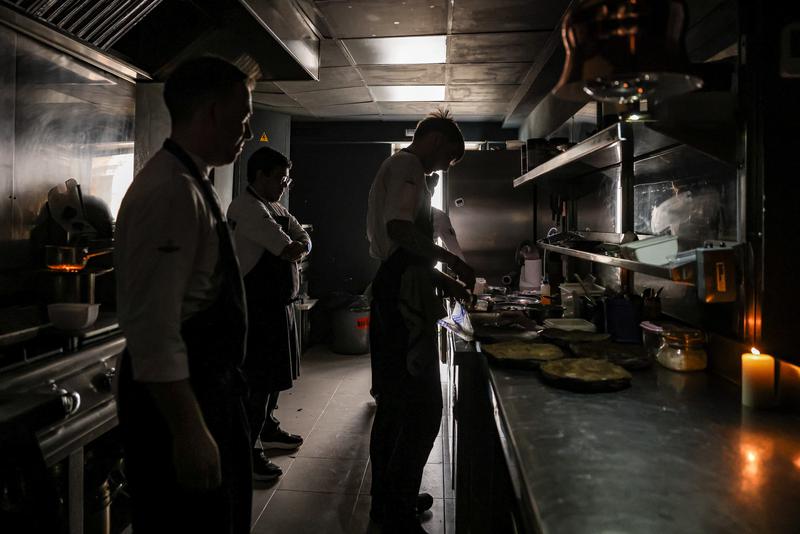

On April 28, 2025, more than 50 million people across the Iberian peninsula were left without electricity for hours.
The world came to a halt during the Iberian Peninsula blackout: many businesses were forced to shut, the Barcelona metro stopped running, and information was scarce.
EU experts pointed to "cascading overvoltage" and a "perfect storm" linked to multiple interacting factors as the cause of the historic blackout.
According to the data presented, the cause was an imbalance between supply and demand in the system, as well as voltage and frequency fluctuations that triggered a "cascading" disconnection of power generation plants in southwestern Spain.
Improvements in prevention
One year on, experts assure that the energy sector has learned lessons from the blackout.
Several engineers and academics interviewed by the Catalan News Agency point to improvements in prevention, aimed at preventing a similar episode from happening again in the future.
However, they also warn that zero risk is impossible, and call for further progress on issues such as energy storage and the review of emergency protocols in critical sectors such as telecommunications, which were severely affected during the day.
The failure to attribute direct responsibilities, or even shared blame, has spurred on the energy sector.
"We are more prepared now," says Roberto Villafáfila, industrial engineer and professor in the Department of Electrical Engineering at the Polytechnic University of Catalonia. "As a result of that incident we have learned lessons and established measures to try to mitigate the effects."
The president of the Chemical Industry Commission of the Industrial Engineers of Catalonia, Jeroni Farnós, echoes the same tone.
He points out that several actions have been carried out to guarantee the dynamic stability of the voltage and energy frequency. In practical terms, this means bringing renewable energies into the task of voltage control in the network, something that did not happen before the blackout.
Since the blackout, renewable energy units are having a more important role in participating in the grid's dynamic voltage control.
In the eyes of the country's biggest association of solar energy companies in Catalonia (UNEFCAT), this is a real success. "It is one of the most important and most successful measures. We are no longer a passive sector but an active sector," says the organization's delegate in the country, Salvador Salat.
The College of Engineers of Catalonia also points to an update of the network's protection automation and, at the same time, improvements in the methods to ensure reserve energy and to increase resilience in terms of cybersecurity.
"The entire system to prevent another blackout has clearly been strengthened," Jeroni Farnós assures.