Half of teens seen at Vall d'Hebron STI clinic test positive
Chlamydia and gonorrhea, most common infections among adolescents
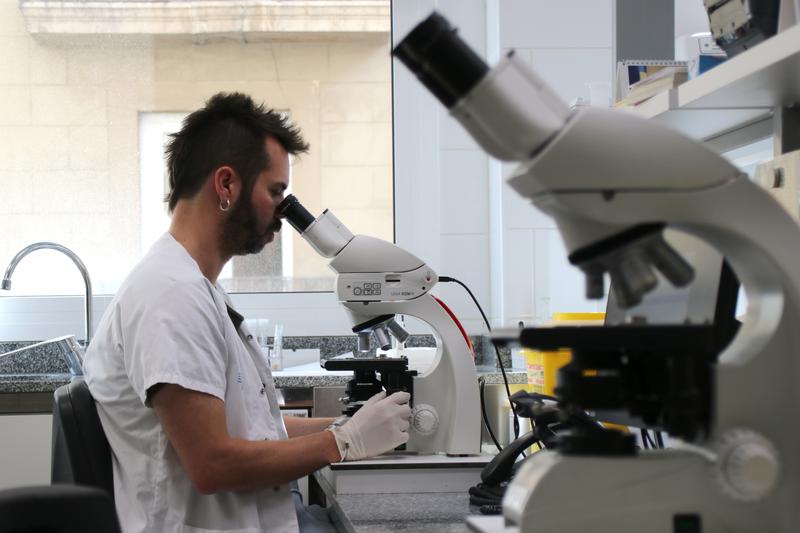

Nearly half of the 41 adolescents aged 13 to 17 who attended Barcelona's Drassanes-Vall d'Hebron International Health and Infectious Diseases Center in 2025 were diagnosed with a sexually transmitted infection (STI), according to hospital data.
Despite the high proportion, Dr. Maria Espiau, a pediatrician at the Infectious Pathology and Immunodeficiencies Unit, said the figures represent a slight decrease compared to recent years, when infections had "doubled and tripled."
She stressed that "these are not very high numbers" and are "not comparable" to those seen in adults.
The most commonly detected infections among teens were chlamydia and gonorrhea, followed by other conditions such as syphilis, scabies, and Trichomonas vaginalis.
No single profile
The main reasons for attending the service included routine STI screening without symptoms, the presence of symptoms consistent with infection, contact with an infected person, and cases linked to sexual violence.
The average age of patients seen last year was 16.
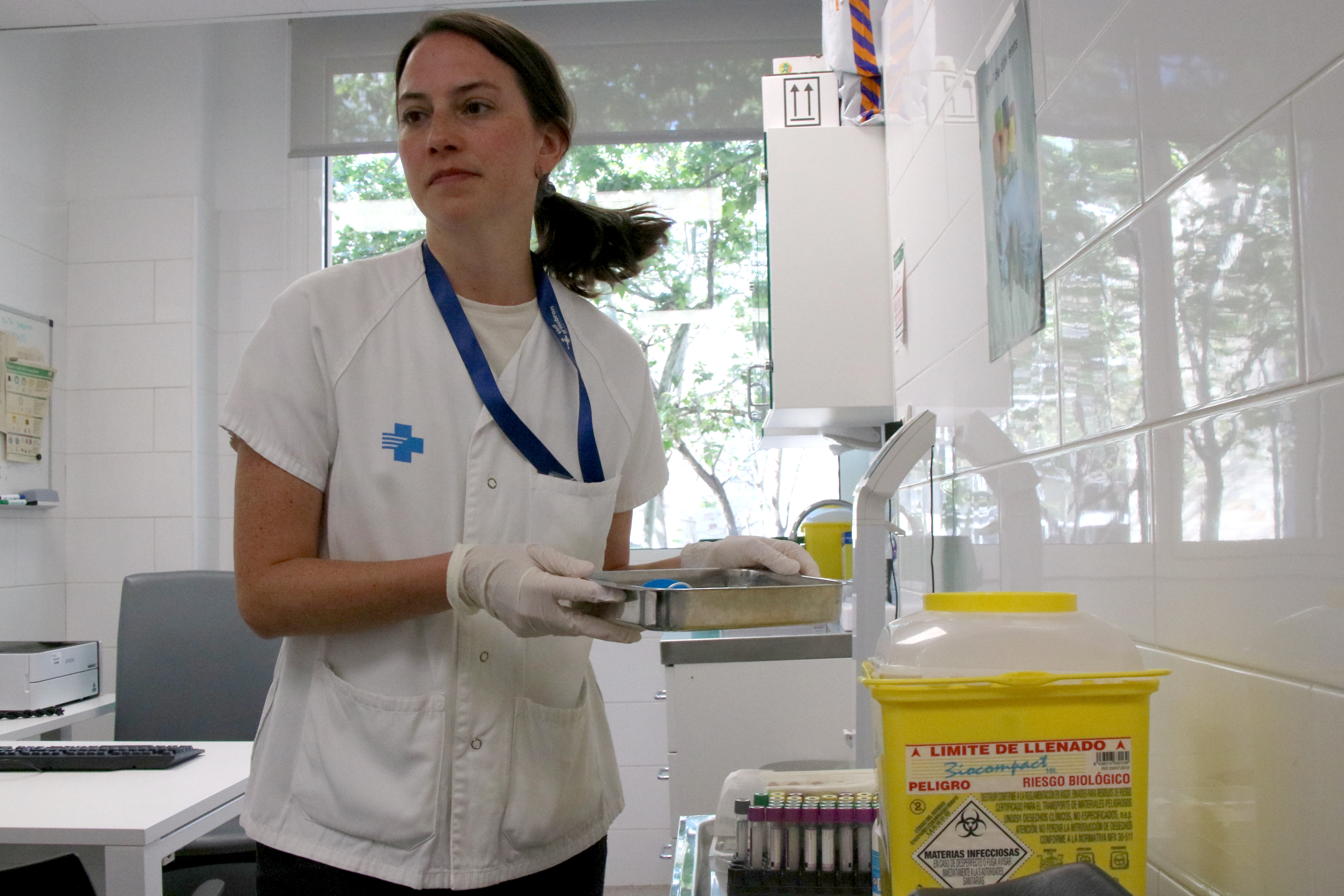
According to Espiau, there is "no clearly defined profile" among patients, and the clinic treats "both boys and girls with very diverse sexual orientations."
Since its launch in 2019, the adolescent unit has treated around 350 young people.
Health impacts and prevention concerns
Espiau emphasized that STIs in adolescents are "generally not serious," but warned that untreated infections can lead to complications, including pelvic pain and potential impacts on future fertility in women.
She highlighted prevention as key, including vaccination and condom use. However, she noted that condom use has been declining in recent years and said greater emphasis is needed on consistent protection.
The pediatrician also stressed the importance of regular screening and said awareness efforts must involve both schools and families, even as STIs remain a "stigma" topic.
"There is still a lack of information," she said, adding that sexual and emotional education is not being delivered in an "equitable and equal" way across schools.
Faster testing for older teens and adults
Espiau pointed to the 'Drassanes Exprés' testing service, designed for adults and expanded in 2025 to include teens aged 16 to 18, as complementary to adolescent care.
The main difference is turnaround time: results are delivered by text message within three hours, compared with the standard process, which takes longer.
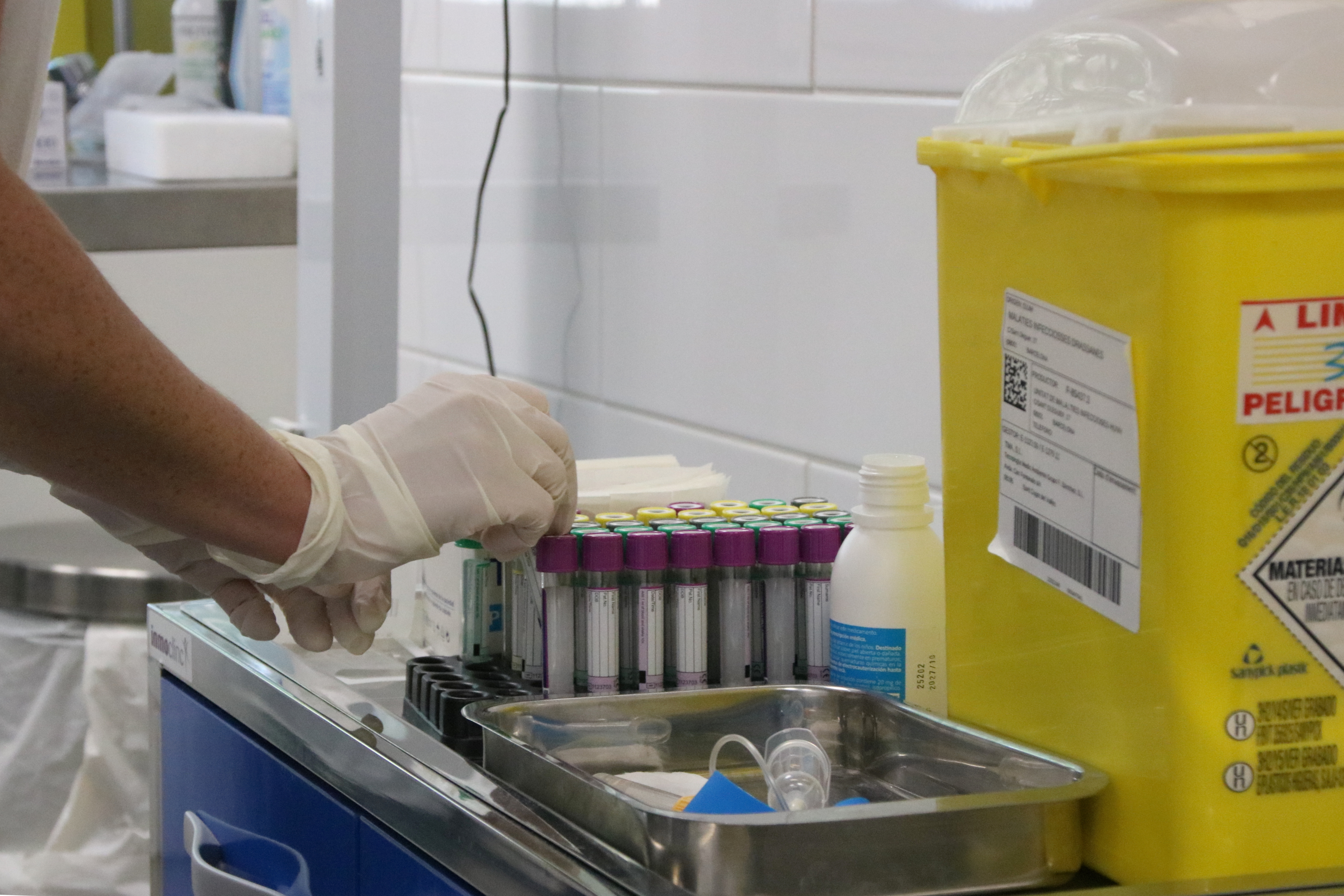
In 2025, 23 patients aged 16 to 18 accessed the expanded service, with eight testing positive, six for chlamydia and two for gonorrhea.
Among adults, the service conducted 6,057 screenings last year, with 726 positive cases.
The most common infections were also chlamydia and gonorrhea, along with three HIV diagnoses and five cases of hepatitis C.