Guide: How to file your 2025 tax return in Spain
Residents can submit returns from April 8 to June 30


April 8 marks the start of Spain’s 2025 tax filing season. Taxpayers have until June 30 to submit their annual return to the Tax Agency (Agència Tributària).
The process can be confusing, especially for newcomers or those facing a language barrier.
To help, here is the Catalan News guide to filing your tax return.
Who has to file tax returns in Spain?
To determine whether you must file an income tax return in Spain, the first step is to understand your tax residency. Generally, you are considered a tax resident if you live in Spain for more than 183 days in a calendar year, in which case you are taxed on your worldwide income.
Residents who earn more than €22,000 a year from a single income source must file a return.
If you have two or more income sources, the threshold is €15,876, provided the combined income from the second and subsequent payers exceeds €1,500.
These thresholds apply only to certain types of income (primarily employment income and pensions). Different thresholds apply to investment income, rental income, and other categories.
Self‑employed people are generally required to file a tax return, even if their income falls below the standard thresholds.
Recipients of the targeted basic income (IMV) must also file a tax return regardless of their level of other income.
The government has clarified that unemployed people are not required to file a tax return unless their total income exceeds the standard thresholds.
More information on who is exempt from paying income and wealth taxes in Spain can be found on the Tax Agency website.
The Tax Agency advises that even if you aren't required to file, it can still be worthwhile to check your draft return online, because in some circumstances filing it can result in a tax refund.
Where and when you can file your tax return
Online: Tax returns can be filed on the Tax Agency's website or through its app from April 8 to June 30, 2026.
By phone: Taxpayers can have the Tax Agency prepare their return by telephone from May 6 to June 30, 2026, with a prior appointment. Appointment requests can be made from April 29 to June 29, 2026.
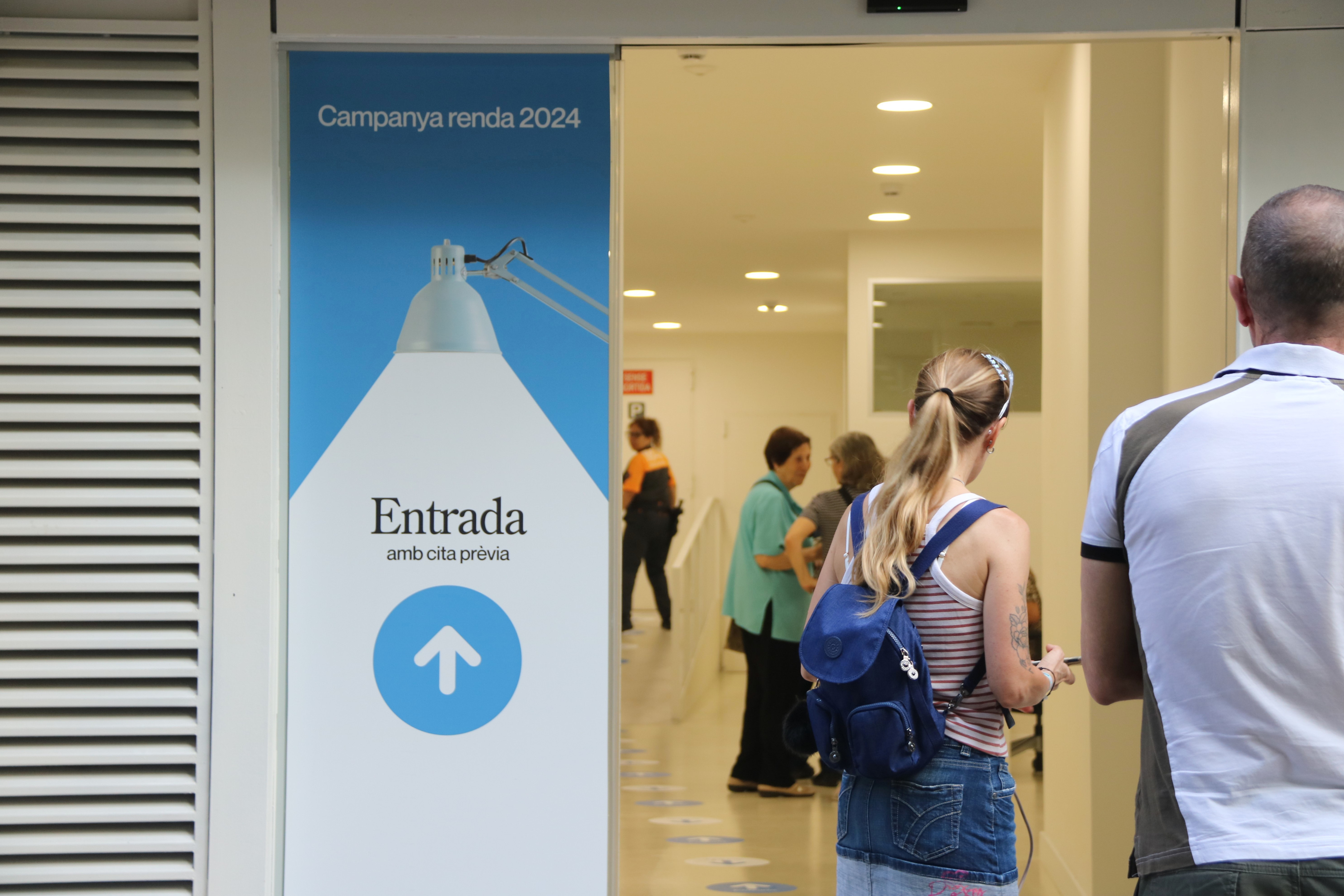
In person: Assistance at Agència Tributària offices is available from June 1 to June 30, 2026, also by appointment. Appointments can be booked from May 29 to June 29, 2026.
Appointments for telephone or in‑office assistance can be made via the Tax Agency's website, through its app, or by phone using any of the following official numbers: 915357326, 901121224, 915530071, or 901223344.
Consulting the draft
The Tax Agency provides a pre-filled draft tax return for taxpayers.
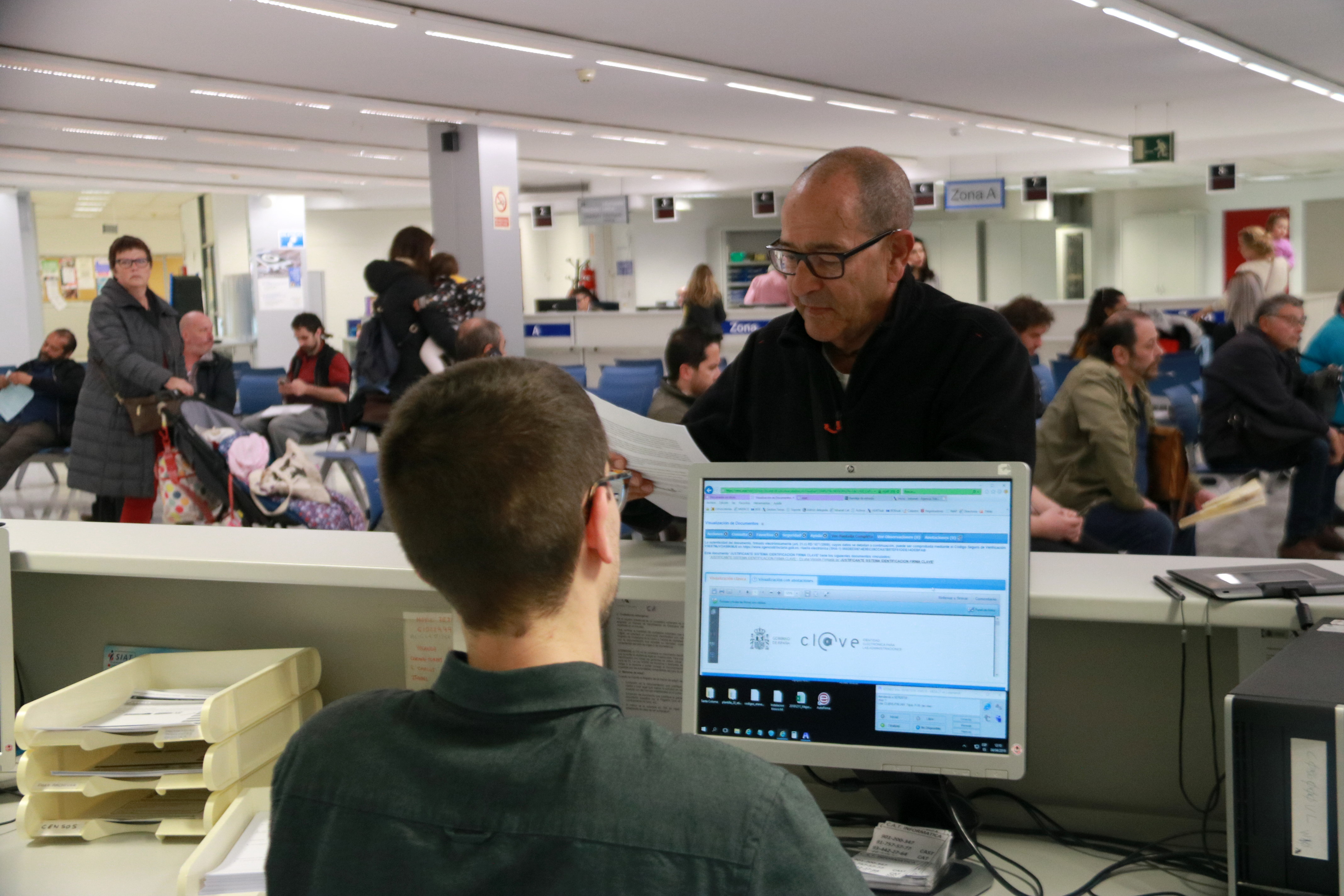
To access it on the website or app, you must verify your identity using an electronic certificate, reference number, or Cl@ve PIN.
After reviewing the information, you can either submit the draft as provided or edit it or create your own version if any changes are needed.
Payments and refunds
Taxpayers owing tax on their 2025 return can pay by several methods, including direct debit, card, or Bizum through the Tax Agency's online portal.
If you choose direct debit, the deadline to set it up is June 25, 2026. Filing and paying in full must be completed by June 30, 2026.

Returns that result in a payment can be split into two interest-free installments. The first instalment – 60% of the tax due – is paid at the time you submit your return, and the second – the remaining 40% – is due by November 5, 2026.
If the return results in a refund, the Tax Agency generally begins processing refunds soon after filing, though there is a legal maximum period of six months from the end of the filing deadline for refunds to be completed.
Things to watch in your 2025 tax return: rent relief, energy efficiency, influencer income
The 2025 tax return campaign introduces additional deductions targeting low-income earners and young people but brings no "major changes," according to tax advisers.
Across Spain, the framework for deductions remains relatively stable.
Tax breaks for home energy-efficiency improvements carried out up to December 31, 2025 continue under the same rates and limits as in previous years.
Incentives for electric vehicles have also been extended: buyers can deduct 15% of the purchase cost, up to €3,000, while installing a charging point qualifies for a 15% deduction capped at €600.
For savings income, the top rate has increased from 28% to 30% on earnings above €300,000, including dividends, interest, and share sales – affecting higher-income taxpayers.
The Tax Agency has also specified that income earned by influencers will now be treated as professional economic activity, regardless of how they are registered.
In Catalonia, taxpayers can access up to 13 regional deductions, including new measures for victims of gender-based violence who are renting a home and for investments in agricultural and housing cooperatives.
The deduction for birth or adoption has been expanded to include foster care, while the widowhood deduction has also been updated.
Among the most significant is a tax break for renters under 35. Those using a property as their primary residence can deduct 10% of rent, up to €500 annually (€1,000 for joint filings), provided their taxable income is below €30,000.
Advisers also highlight a lesser-known deduction of around €100 for young people with multiple employers.
Catalonia has also lowered tax rates on the lowest income brackets, aimed at supporting lower earners. Advisers estimate this will reduce the Catalan portion of taxpayers' bills by about €70 for those with taxable income between €20,000 and €30,000.
Bizum and Wallapop
Advisers highlight issues that have caused "controversy" in previous years. Payments received via Bizum must be declared depending on their nature, particularly if they generate gains, as must income from digital-only bank accounts, even if held abroad.
Users of second-hand sales platforms such as Vinted or Wallapop must declare income if they complete more than 30 transactions, earn over €2,000, or make a profit.