Foreign buyers account for half of home purchases in Barceloneta
Experts say trend driven by Barcelona residents rather than speculative investors from abroad
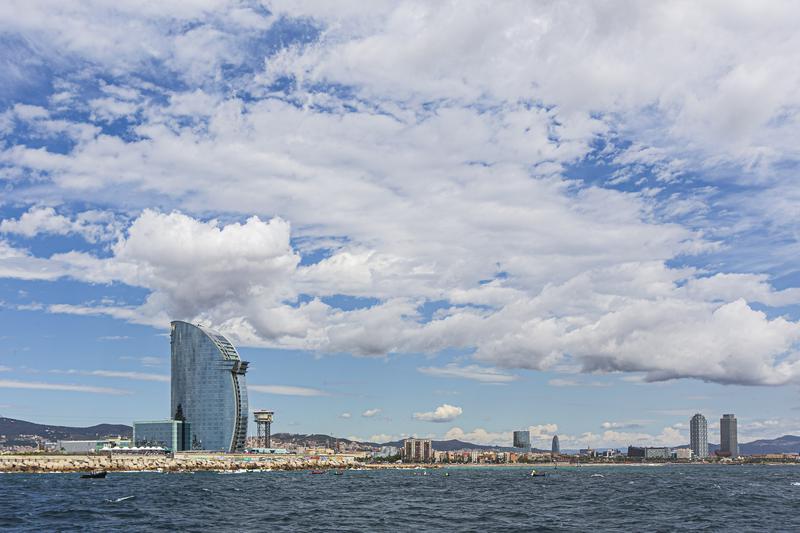

Foreign nationals now account for half of all home purchases in Barceloneta, the Barcelona neighbourhood with the highest share of property acquisitions by non-Spanish nationals, according to city council data.
In Ciutat Vella, the Old Town, which includes Barceloneta, non-nationals were behind 42% of transactions in 2025. The proportion of foreign buyers in the city's central and coastal neighborhoods exceeds 35%.
On average, foreigners bought 23% of homes sold in Barcelona city and 15% of homes across Catalonia.
The Catalan province with the highest share was Girona, at 27.1%.
Experts consulted by the Catalan News Agency (ACN) say the trend is driven mainly by the growing share of foreign residents rather than speculative buying by non-residents.
Close to population share
Nearly a quarter (23%) of home sales in Barcelona in 2025 involved foreign nationals, according to figures from the city council.
While not a record, it is among the highest levels registered and broadly mirrors the proportion of foreign nationals living in the city, who accounted for 26.4% of residents as of January 1, 2025.
By district, Ciutat Vella recorded the highest share of foreign buyers at 42.6% of transactions, followed by Sant Martí (30.9%) and Eixample (27.8%).
At the lower end were Sarrià-Sant Gervasi (11.5%) and Les Corts (12.9%).
Looking at individual neighborhoods, Barceloneta, part of Ciutat Vella, saw 49.6% of its 246 homes sold last year purchased by foreign nationals, the highest proportion in the city.
In the rest of Ciutat Vella, foreign buyers accounted for 43.9% of sales in Sant Pere, Santa Caterina i la Ribera, which includes El Born, 41.3% in El Raval, and 38.4% in the Gothic Quarter.
Diagonal Mar, Poblenou, Dreta de l'Eixample, Vila Olímpica and Sagrada Família also recorded foreign buyers in more than one third of transactions.
Ramon Bastida, a professor at the UPF Barcelona School of Management, said the high share of foreign purchases – 23% citywide – reflects the demographic weight of foreign residents, who make up 26.4% of Barcelona’s population.
He attributes nearly 90% of foreign purchases to residents rather than overseas investors.
Foreign investors, whether large or small, have increased "a little," Bastida said, but still represent a "low" percentage.
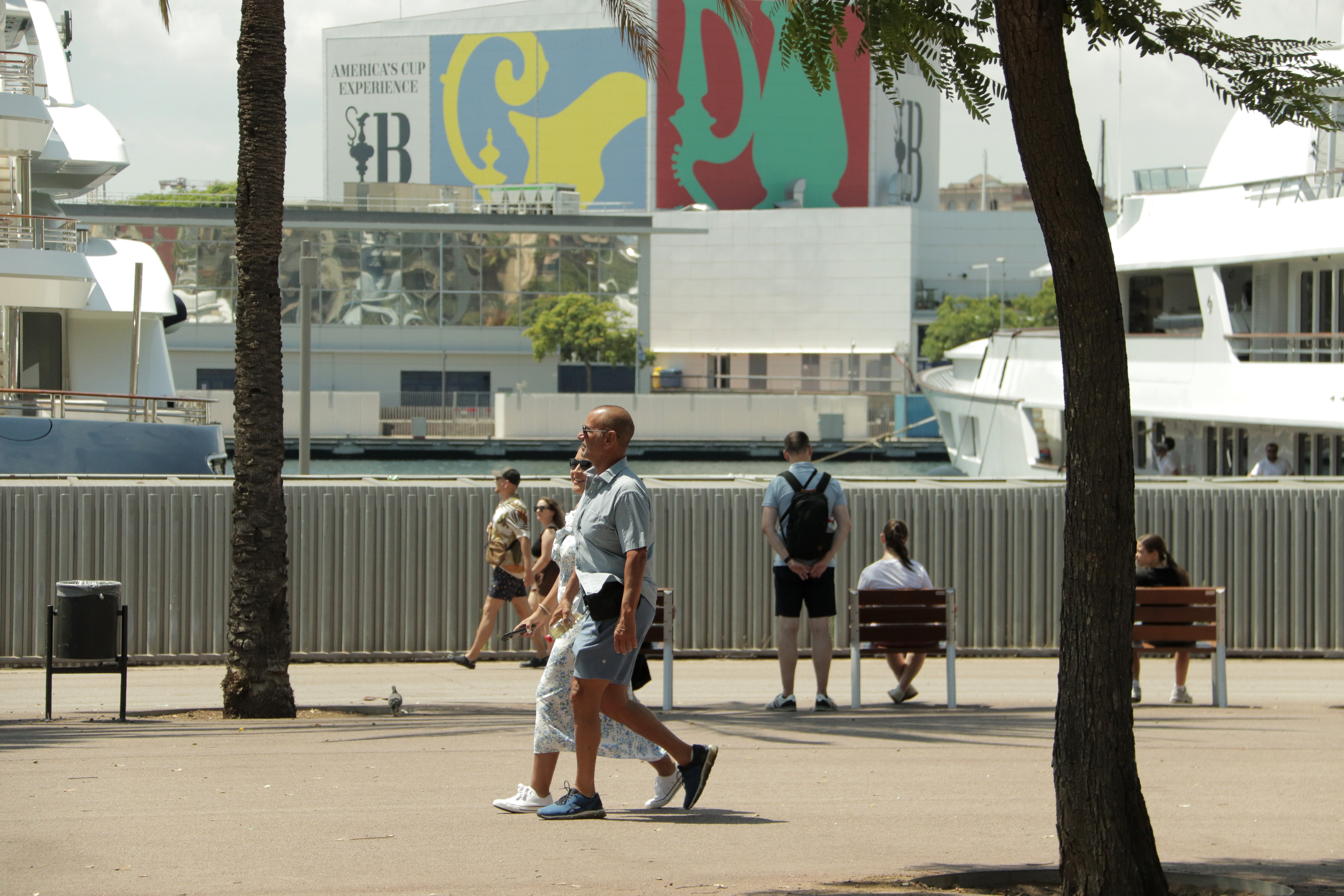
Tine Mathiassen, founder and chief executive of the Barceloneta-based estate agency Casamona, works mainly with non-resident foreign clients.
She said they are typically not investors but Europeans buying second homes in Spain to use part of the year and rent out "to students or professors" when they return to their home countries.
"They are not rich," she said, insisting they are not engaged in speculative buying.
Bastida, however, said non-resident foreigners "mostly" buy as an investment, generally for tourist rentals. "There may be some people who buy it as a second home, but very few," he said.
"Limited" impact on prices
Mathiassen acknowledged that foreign buyers do push up prices, particularly because their purchasing power is higher than that of local buyers, allowing them to pay more.
However, she said Barcelona's price increases cannot be compared with the rises seen in other European cities, citing London and Copenhagen.
According to property registrars, average house prices in Barcelona rose 16% between 2021 and 2025.
Bastida said foreign demand may contribute to price growth, citing the city's housing shortage and the "competition" between foreign and domestic buyers.
He agreed that the purchasing power of at least some foreign residents allows them to buy homes "20% or 25% more expensive than national residents."
Even so, he stressed that foreign buyers account for 23% of transactions – a "relatively small" share with a "limited" impact on overall price increases.
"Chilling" figures
While the overall price effect may be difficult to quantify, neighbourhood dynamics are shifting, particularly in areas with high concentrations of foreign residents.
In Barceloneta, the sea continues to attract foreign buyers, whether residents or investors. The neighbourhood association says that while the problem of tourist apartments has eased slightly, it is now seeing "another type of speculation."
"There are people who buy flats to rent them out by the room, which is not well regulated," said Manel Martínez, spokesperson for the Barceloneta neighbourhood association.
Martínez said the area has seen a proliferation of co-living spaces and so-called expats who "come to work here in a foreign corporation, with a higher salary, and life is much cheaper for them than in Geneva or Paris."
He said the figures for foreign home purchases are "chilling" and lamented the impact on the neighbourhood's social, cultural and commercial fabric.
"A city is like the body, it has to be cared for and if it is not cared for it develops illnesses and sometimes they are fatal," he warned.
15% of purchases across Catalonia
Across Catalonia, foreign nationals accounted for more than 15% of home purchases last year for the third consecutive year, according to the College of Property Registrars.
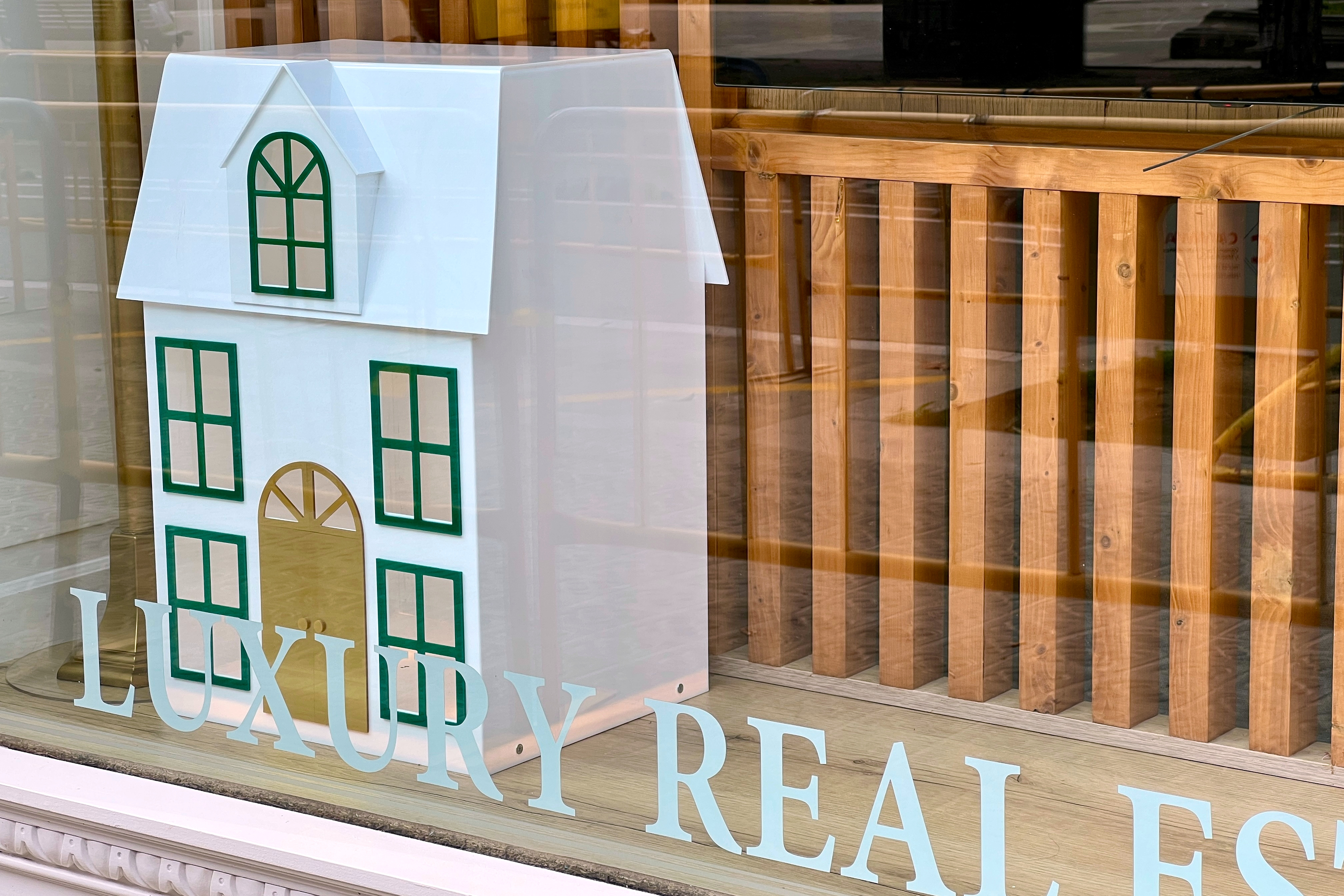
Catalonia has recorded the largest increase in the share of foreign purchases of any autonomous community in Spain since 2018, rising by just over four percentage points.
However, it does not have the highest proportion overall. The Balearic Islands lead with 29.9% of transactions involving foreign buyers, followed by Valencia (27.65%), the Canary Islands (25.6%) and Murcia (21.4%).
Across Spain, the share has fallen for two consecutive years after peaking at 15% in 2023 and now stands at 13.8%.
Girona remains by far the Catalan province with the highest proportion of foreign buyers at 27.1%, although that figure fell by 2.1 percentage points over the past year, easing from nearly 30% in 2023.
It is the fifth-highest province in Spain for foreign transactions, behind Alacant (Alicante), Málaga, Tenerife and the Balearic Islands.
Tarragona ranks second in Catalonia at 15.9%, down one point year-on-year. In the province of Barcelona, the share stands at 14.2% – ten points lower than in the city itself – though up four points compared with 2022. Lleida has remained stable at around 10%.
According to property registrars, buyers from Morocco, Romania, and France accounted for the most foreign home purchases in Catalonia in the final quarter of 2025.