Hospital emergency services under pressure as flu peak arrives early
Health unions warn hospital emergency departments are already stretched by flu and it's only the beginning
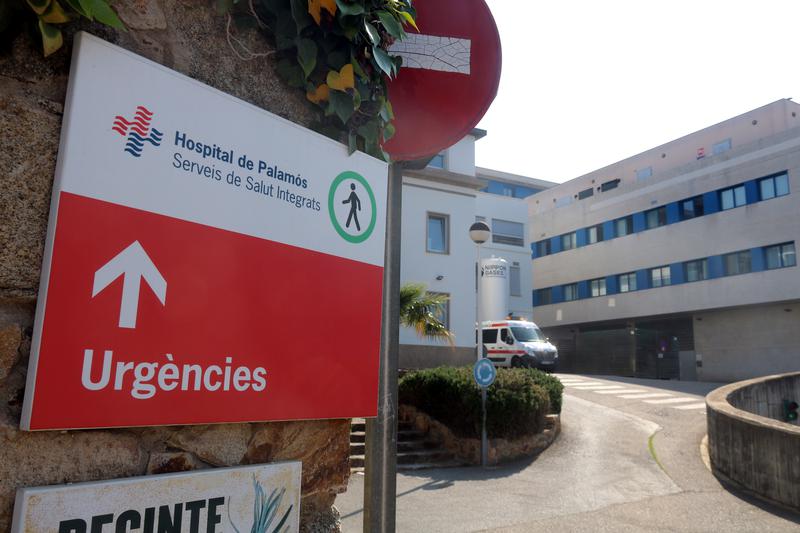

This year's flu season has arrived earlier and stronger than usual. According to official data, cases began rising five weeks ago, earlier and more sharply than in previous years.
Currently, the incidence stands at 164 cases per 100,000 inhabitants, double the figure from the previous week. The peak is expected in three weeks, coinciding with Christmas.
"The collapse has begun, and we haven't even reached the peak yet," explains Neus Muñoz, a doctor at Terrassa Hospital.
She notes that the paediatric area is already under heavy strain, and when respiratory infections among infants rise, they typically spread to adults within about ten days.
"We have an underfunded system, both in terms of facilities and staff. We always have patients in corridors or waiting in urgent care when they should already be admitted," she says.
The doctor adds that this situation was expected this year, as authorities anticipated an early flu season, yet no preventative measures were taken.
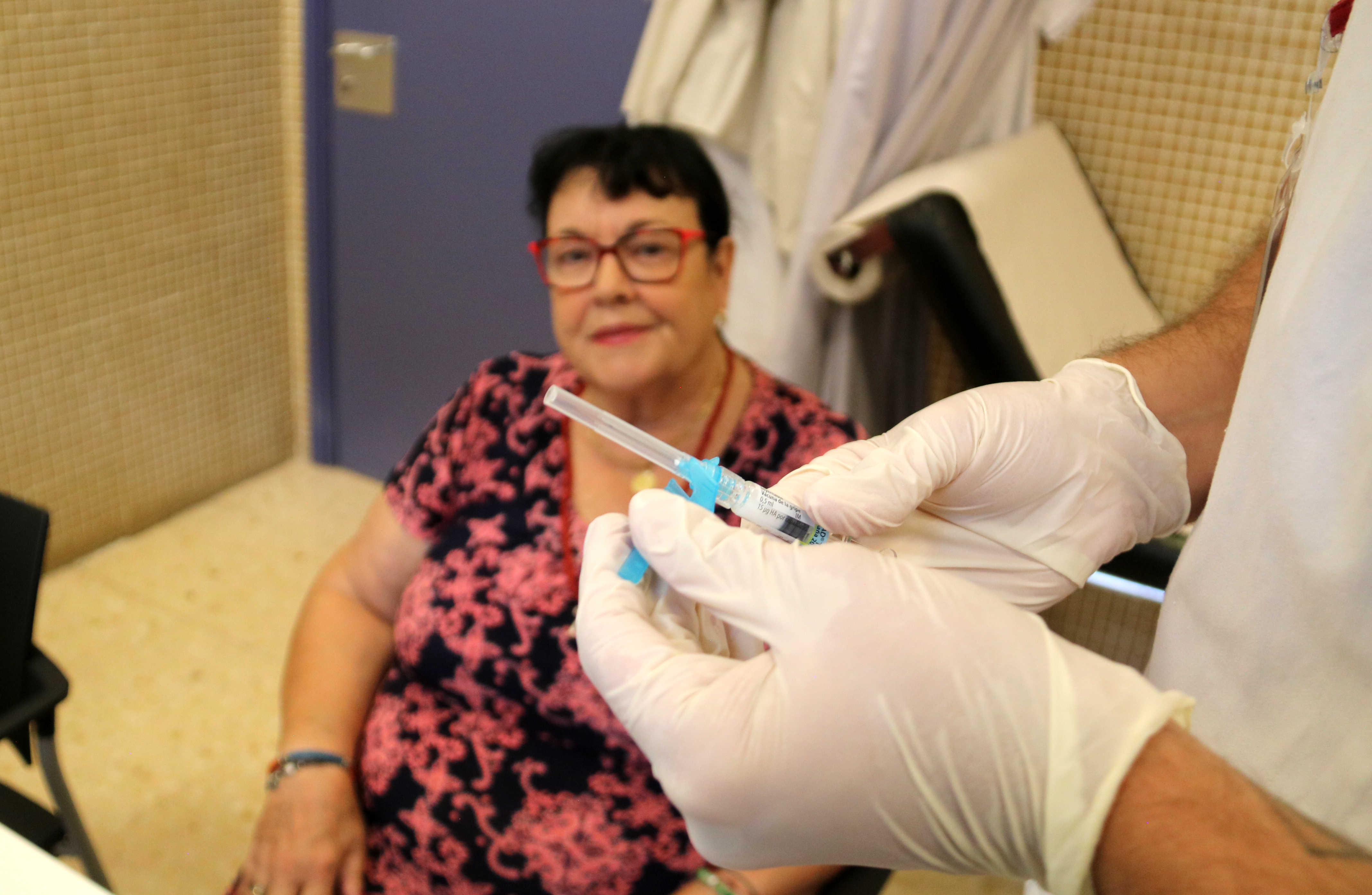
Like Muñoz, health unions such as Metges de Catalunya and SATSE have sounded the alarm.
They argue that the situation could have been foreseen and criticise the lack of human and material resources to manage the arrival of the flu and other respiratory viruses.
They point to a structural problem of chronic underfunding, with emergency departments consistently stretched to the limit and overwhelmed every winter.
Raúl Ceresuela, SATSE’s delegate at Vall d'Hebron Hospital, describes the situation as a "total care overload" and calls it a "structural deficit."
He explains that in recent days they have observed an "exponential" increase in respiratory cases, with patients already accumulating at triage and waits of up to eight hours at Vall d’Hebron before being assessed.
Ceresuela laments that this scenario occurs "every year," creating suboptimal working conditions for staff and inadequate care for patients.