First Catalan doctor appointed full professor at Harvard: 'Catalonia has outstanding oncologists, funding is the limitation'
Marking World Cancer Day, Dr. Joaquim Bellmunt discusses new advances in cancer treatment
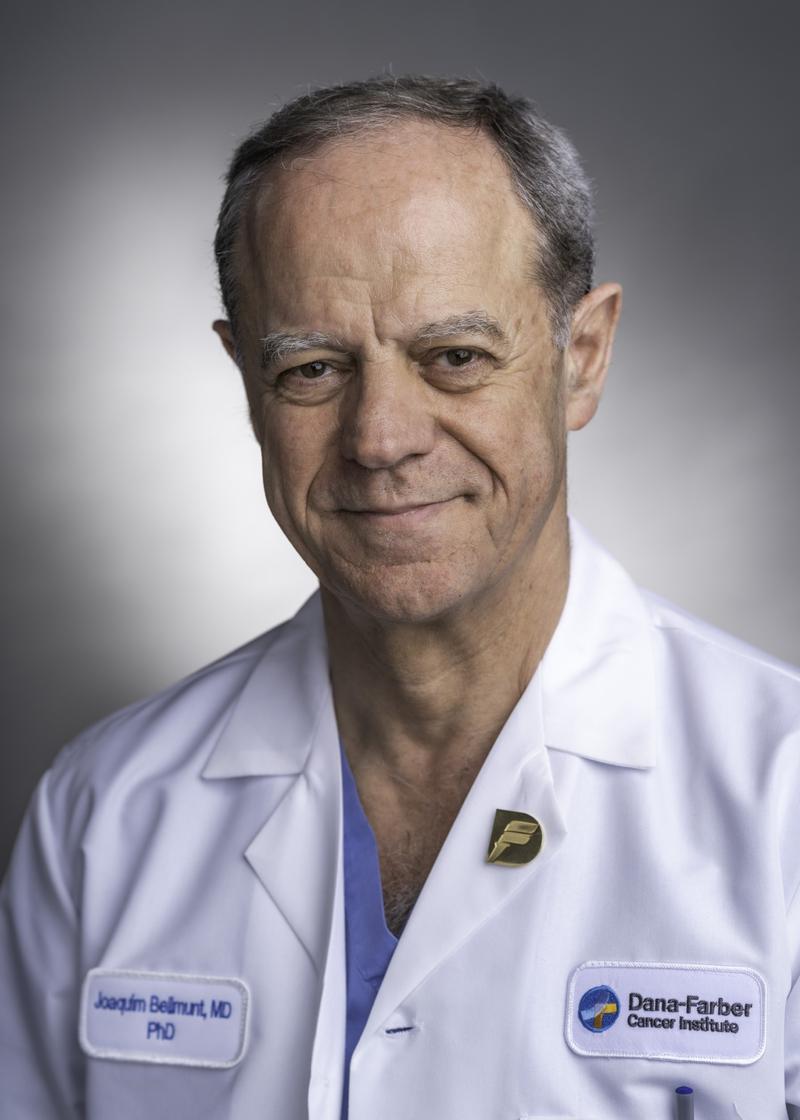

Dr. Joaquim Bellmunt was recently appointed Full Professor at Harvard University, becoming the first doctor trained in Catalonia to reach this senior academic rank.
On the occasion of World Cancer Day, the oncologist spoke with the Catalan News Agency (ACN) about the progress made in cancer research in recent years and the challenges that remain.
"I wish we could cure cancer," Bellmunt says. "What we aim for today is to turn it into a chronic disease; one with effective treatments that preserve patients' quality of life."
As Bellmunt points out, although society has hoped for a single cure for cancer for many years, specialists have long cautioned that it is not one disease but many.
Its impact is reduced not by one breakthrough alone, but by the combined effect of prevention, early diagnosis, and increasingly precise therapies.
In many cases, this approach allows patients to live with cancer for years.
Liquid biopsy
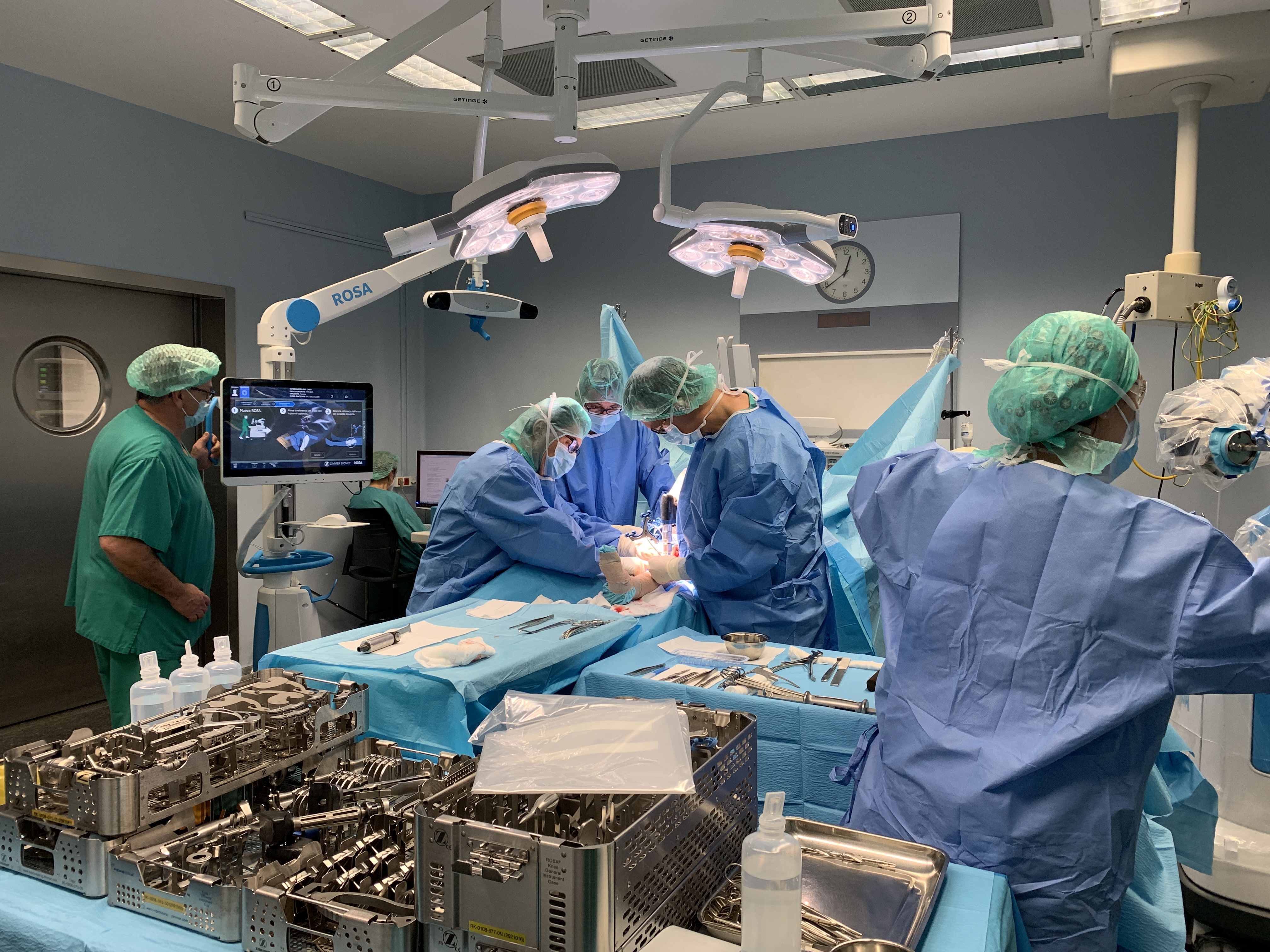
Looking ahead, Bellmunt highlights major advances in research on liquid biopsy, a blood test that detects circulating tumor DNA.
Using sophisticated sequencing techniques, liquid biopsy makes it possible to identify tumors in a non-invasive way and at very early stages, sometimes before they can be detected by other tests.
This information helps clinicians tailor treatment decisions to the specific characteristics of each tumor at any given time.
"One of the biggest challenges in cancer is the ability of tumor cells to mutate," he explains. "Treatment may eliminate most malignant cells, but a few resistant ones can remain and later proliferate again. Liquid biopsy allows us to track the tumor’s evolution over time."
While the technique is already part of clinical practice, its use is currently limited to certain cancers and specific indications.
New therapies
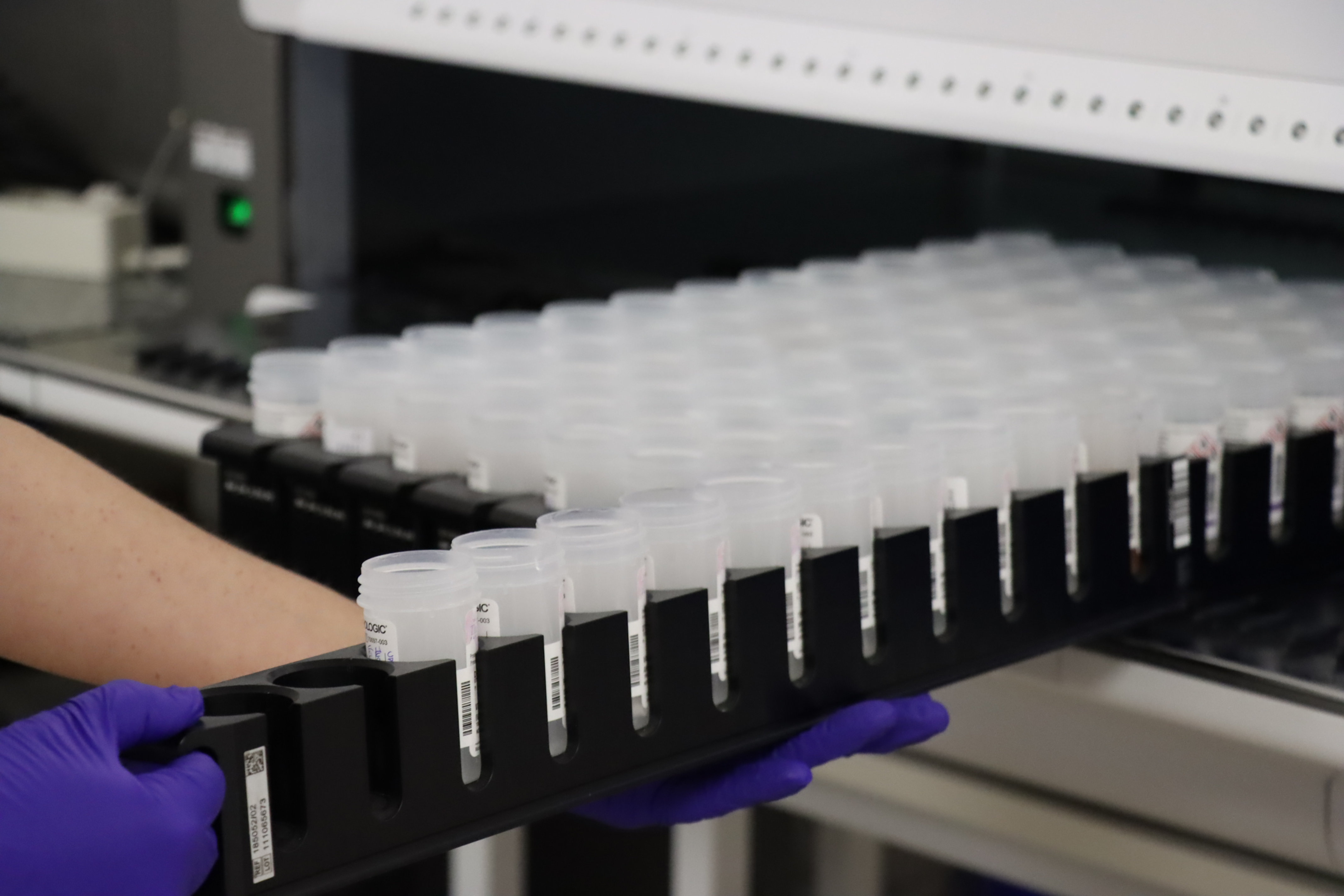
Treatment options have also expanded dramatically, Bellmunt explains. Decades ago, oncologists relied mainly on chemotherapy, radiotherapy, and surgery.
Today, they have a much broader arsenal. Immunotherapy, which activates the patient’s own immune system to attack cancer cells, and targeted therapies, which focus on specific molecular or genetic features of tumors, have transformed outcomes for many patients.
Combining these strategies is opening new opportunities, and new hope, for people living with cancer.
Comparing healthcare systems
Reflecting on his experience in the US, Bellmunt weighs in on Catalonia's cancer system: "We have outstanding oncologists, but funding is the limitation."
The oncologist explains that economic constraints are most evident when it comes to financing new cancer drugs, which often come with very high costs.
"Health organizations have to optimize their budgets," he adds.
Another challenge is the delay between a medicine’s approval and its availability in the public healthcare system.
"In the US, you pay for what you receive. In Catalonia, you cannot access all new medicines because distribution is more limited," he says.
Cancer statistics in Catalonia
In 2025, Catalonia recorded 43,633 new cancer cases and 17,696 deaths from the disease, according to data released by the health department on World Cancer Day.
Of the deaths, 10,259 were men and 7,437 were women.
The most common tumors in men were prostate, colorectal, and lung cancer, while in women they were breast, colorectal, and lung cancer.
Lung cancer remains the leading cause of cancer-related deaths for both men and women.