Fifty Civil War fighters exhumed from mass grave in southern Catalonia
Hospital records and oral testimony help locate victims buried during Battle of the Ebro
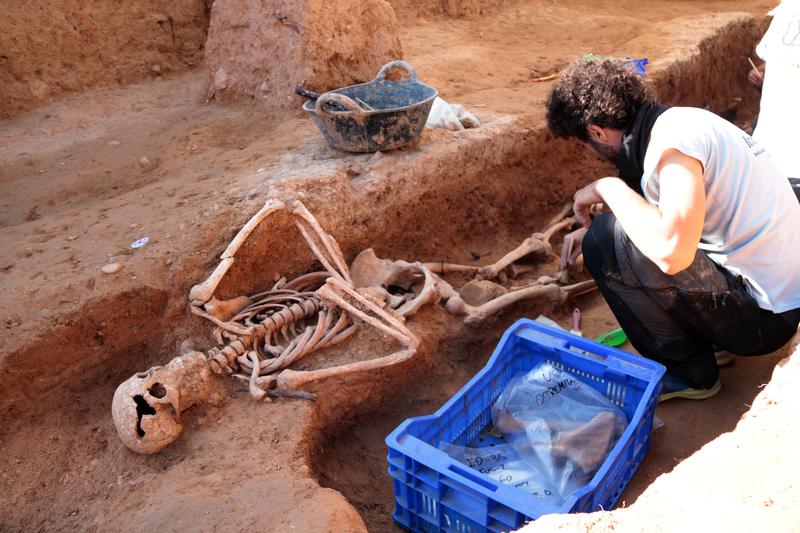

The remains of 50 Spanish Civil War fighters have been exhumed from a mass grave in La Bisbal de Montsant, in Catalonia's southern Priorat region.
The discovery includes 48 soldiers who fought in the Battle of the Ebro, along with two Republican military officials buried in separate graves in the town cemetery.
Unlike most excavations of this kind, investigators had prior information about the victims, based on records from a field hospital located in the Santa Llúcia cave nearby, and on oral testimonies collected over decades.
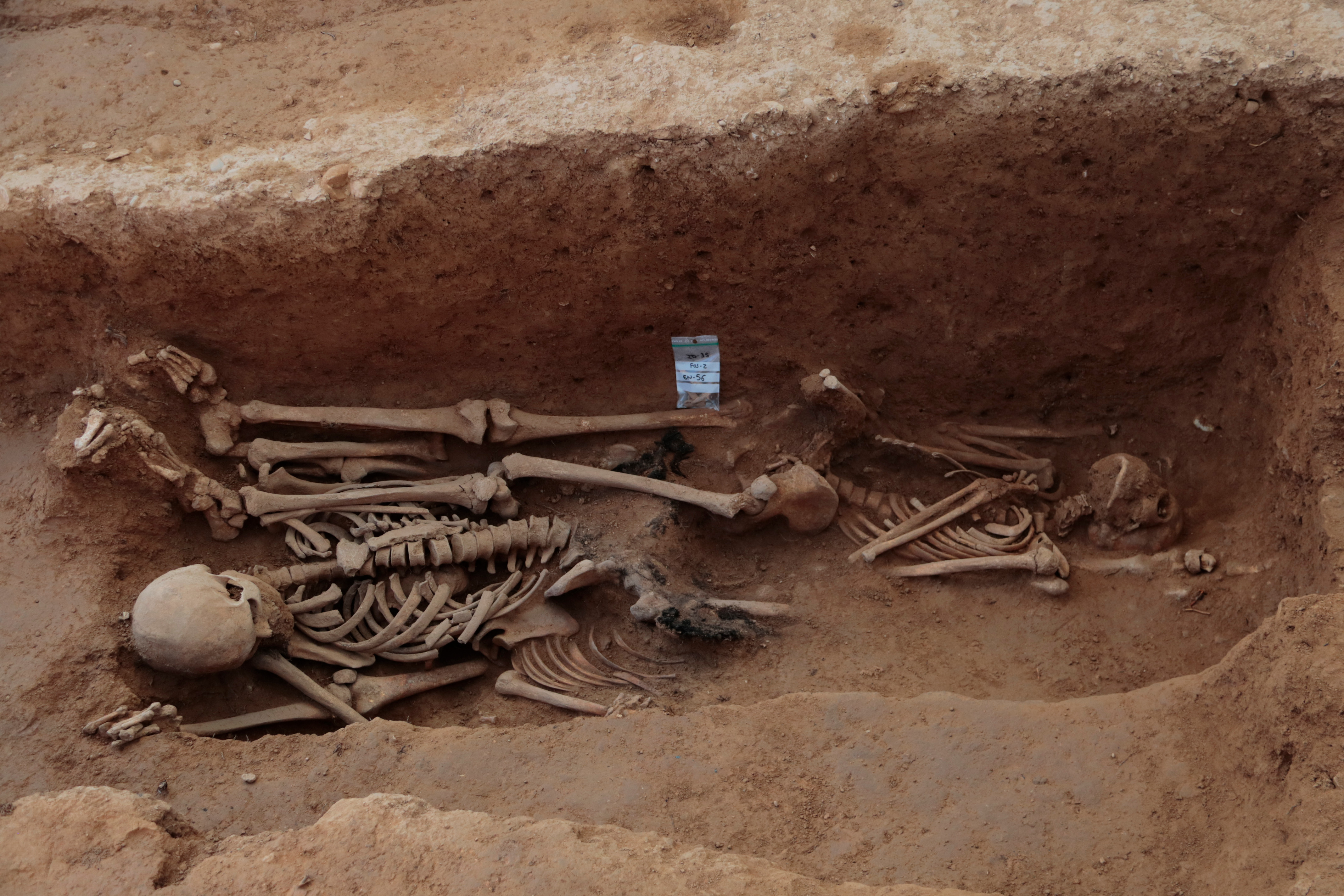
Sources suggested that up to 70 people may have been buried at the site, but only around 50 remains were ultimately recovered. Researchers believe others may lie elsewhere in the cemetery or in yet unidentified locations.
Archaeologists found most of the soldiers buried in an orderly manner, lying on their backs, aligned, and spaced apart, suggesting careful and respectful burial practices, which are uncommon in wartime mass graves.
The two other individuals, a Republican captain and a commissioner, supposedly died accidentally in June 1938 and were buried without formal identification.
Cave hospital
Historical data show that many of the buried individuals died during the early days of the Battle of the Ebro, in 1938, after being treated for injuries at the Santa Llúcia cave hospital, located about 2.5 kilometers from the village.
The hospital served as an important frontline medical post before more permanent hospitals were built. The facility was equipped for surgery and staffed by both local and international medical personnel.
The site of the former field hospital was abandoned after the war, later restored in the 1980s, and is now open to visitors.
Among the dead are believed to be 14 International Brigade members from countries including Germany, Canada, the United States, and the United Kingdom. The efforts are now focused on locating relatives, including coordination with international authorities where possible, to enable identification through DNA testing.
Despite having names in some cases, full identification is challenging. Some records only include first names, and three individuals remain completely unidentified.
The cemetery also contains the remains of three children killed during a bombing in August 1938 and two Republican officials who died before the Battle of the Ebro began.
Oral testimony
Oral history played an important role in locating the grave. Local resident Enric Masip Gorgori spent decades collecting testimonies from neighbors, inspired by stories shared within his own family. His work helped preserve memories of the war and contributed directly to the excavation effort.
The excavation began in June last year and concluded in February and was carried out entirely by hand due to the complexity of the site and the presence of later burials.
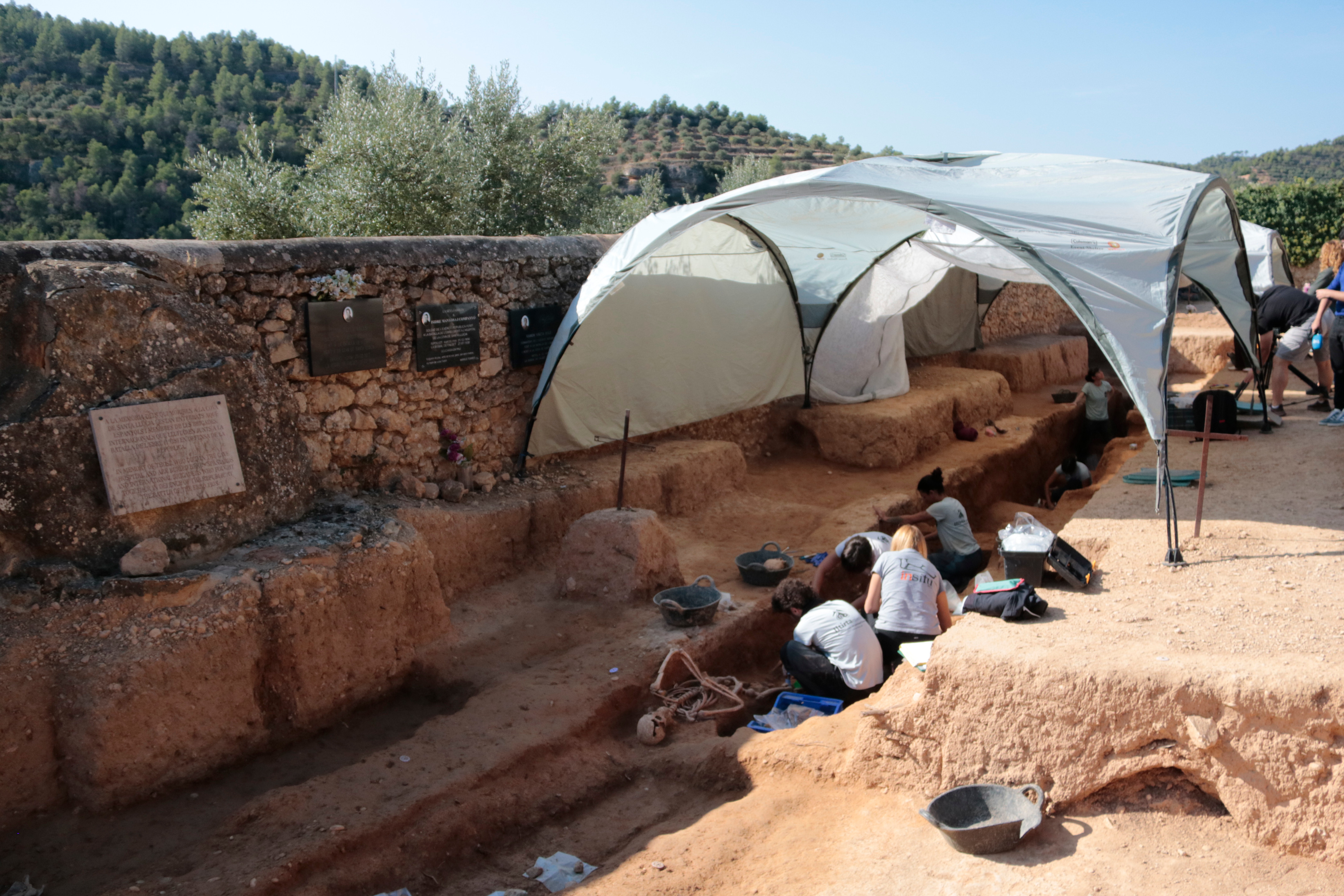
Still, the recovery of articulated skeletons has helped preserve key information for identification.
The exhumation is part of a program led by the Catalan government's Democratic Memory office, which has been working for eight years to recover and identify victims of the war. Since 2017, 34 individuals have been identified, most through DNA analysis.
Authorities hope that some of the individuals recovered from this grave can be identified through existing genetic data.
With hundreds of DNA samples already collected from both remains and relatives, officials say each new excavation increases the chances of providing answers to families still searching for loved ones still unaccounted for.