Farmers to maintain roadblocks across Catalonia over the weekend in protest against EU-Mercosur deal
Hundreds spend second night blocking key roads: "We are upset, but still hope the decision is reversed"
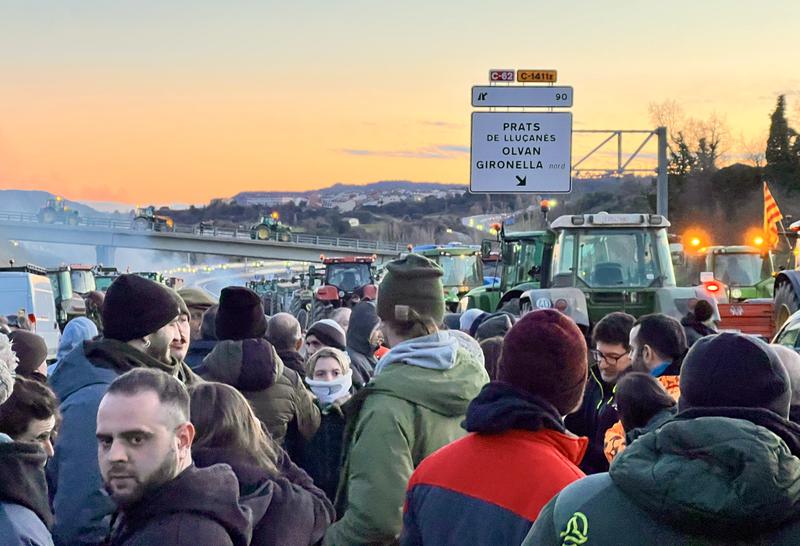

Catalan farmers will maintain roadblocks for a second consecutive night in protest against the EU-Mercosur deal approved on Friday.
The protests began on Thursday, ahead of the vote, when dozens of farmers halted traffic on key routes, including the AP-7 and A-2 highways and the C-16, and also blocked access to the Port of Tarragona.
On Friday, after 25 years in the making, EU member states endorsed the agreement, which will remove tariffs between the EU and Argentina, Brazil, Paraguay, and Uruguay.
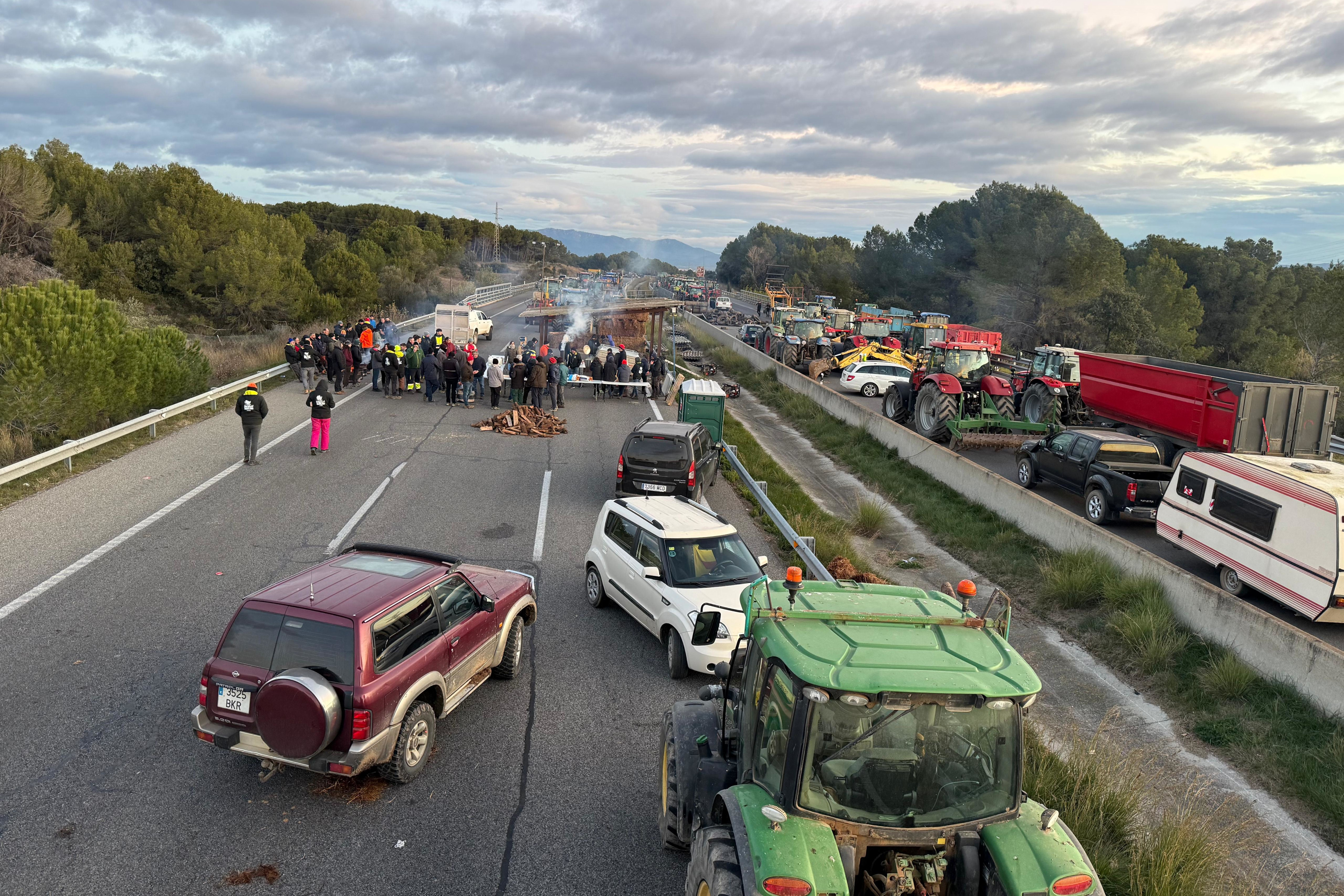
Protesters have vowed to continue demonstrating, and it is likely that many of these protests will persist at least until Sunday.
"We are very upset, but there is still hope that the agreement can be reversed," said Marc, a protesting farmer on the C-16.
Around 150 farmers there have pledged to spend a second night on the road, which is particularly busy today with many vehicles heading to the Pyrenees for the weekend.
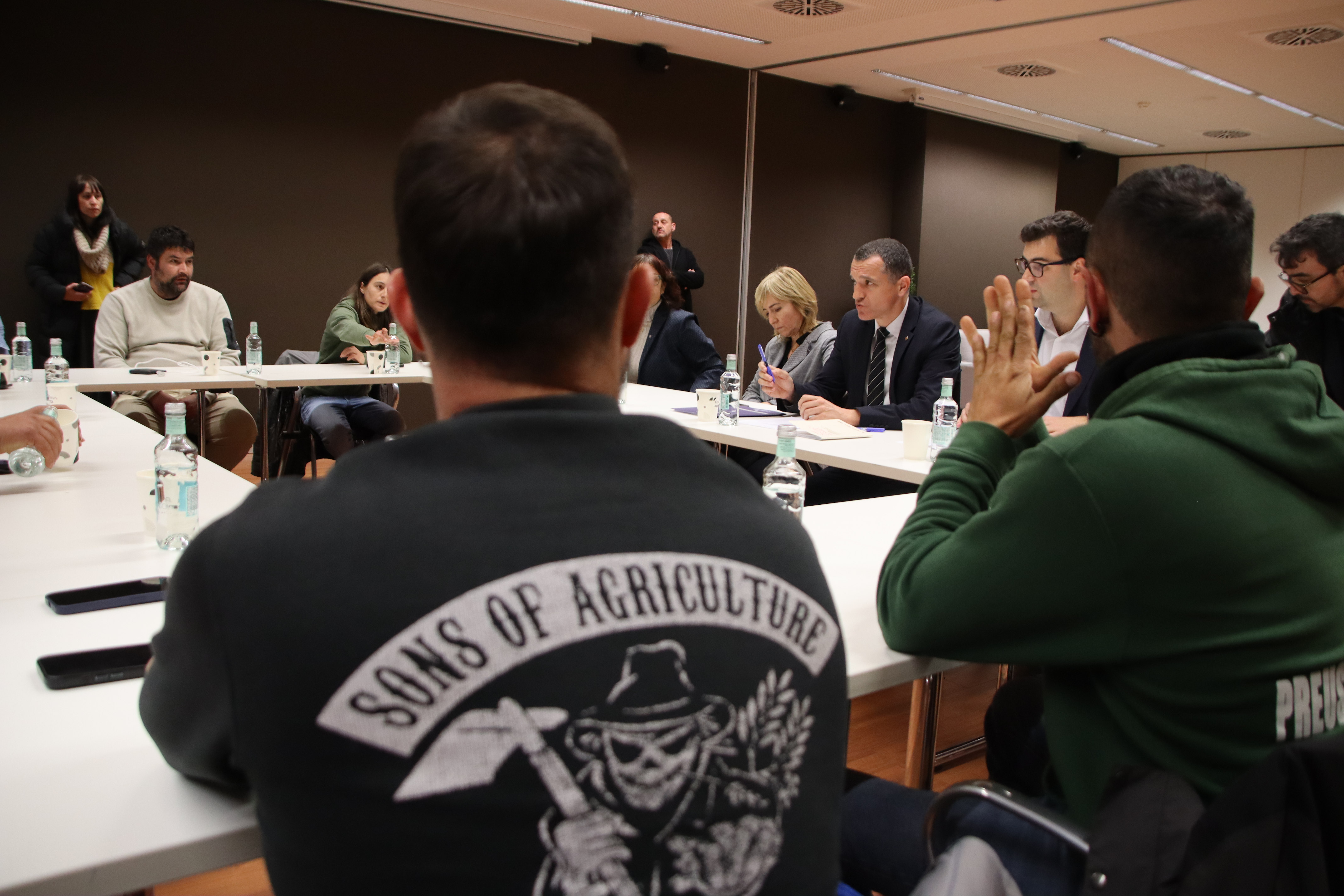
The decision to maintain the roadblocks comes after a meeting this afternoon in Tarragona with Catalan Agriculture Minister Òscar Ordeig.
Ordeig told farmers that "Catalonia stands to gain the most" from the deal because of its export potential. "We have a 105% food trade surplus, which we want to maintain and expand," he said.
However, he acknowledged that authorities are "concerned" about how the agreement will affect sectors such as honey, rice, and parts of the meat industry.
Ordeig also reminded farmers that the Catalan government has no authority over this EU agreement.
Meanwhile, demonstrators at the Port of Tarragona also plan to keep the protest until Sunday, and farmers blocking the AP-7 near Pontós, just south of the Spanish-French border, urged citizens to join them in the protest.
Jordi Ginebreda, spokesperson for Revolta Pagesa in Girona, said that the agreement is a "shared problem" as it will not only impact the economy, but also public health, and many other industries.
Sector representatives voiced their displeasure when news of the deal's approval broke.
"The Mercosur approval means that we are led by governments that do not defend their citizens, but those landlords in South America," said Ramon Rojo of Revolta Pagesa. "This is why we are completely against it," he added.
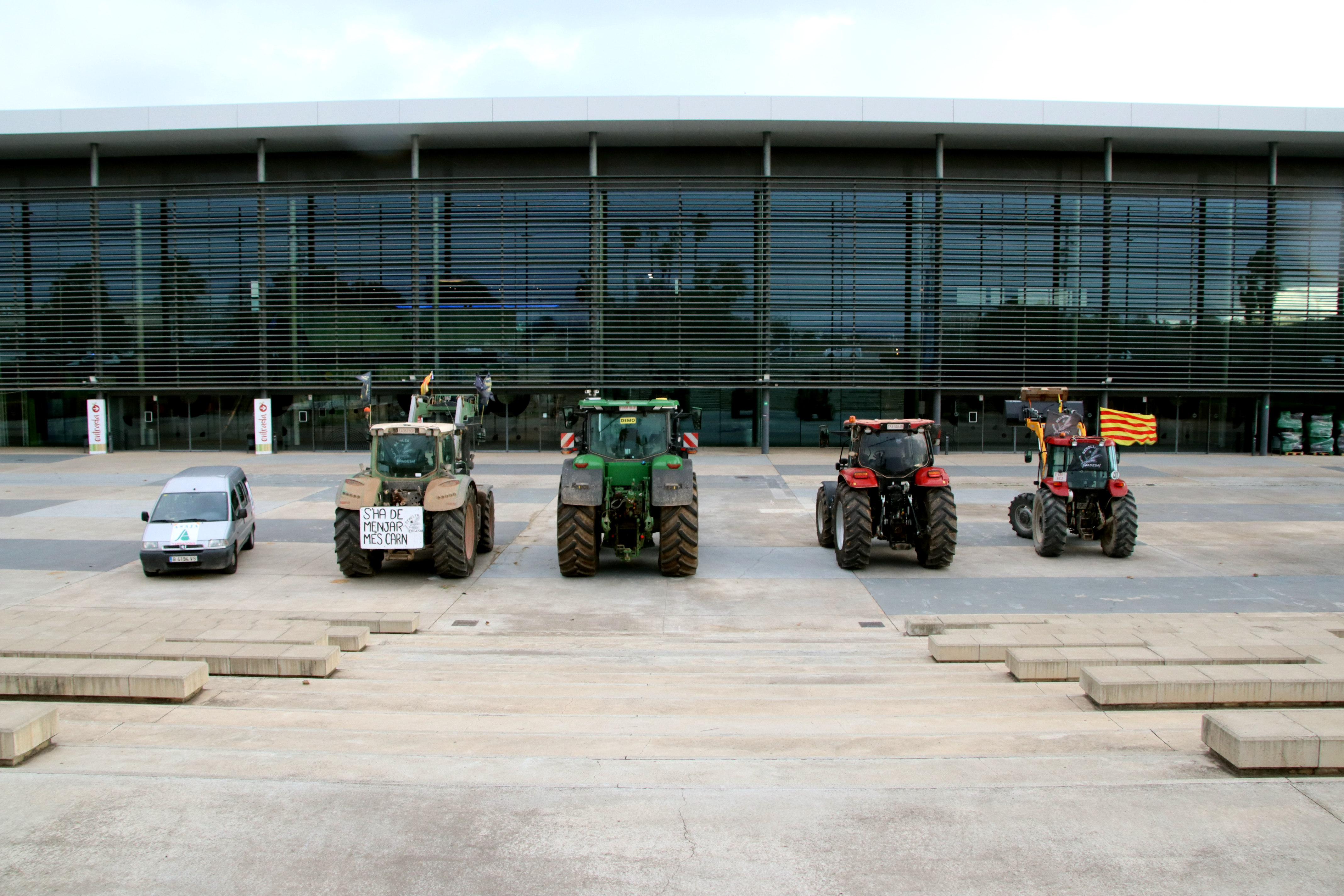
Farmers claim that the deal allows Mercosur countries: Argentina, Brazil, Paraguay, and Uruguay to export crops to Europe using pesticides deemed illegal in the EU. They also say it will cause more emissions affecting sustainability, as there will be more goods transported, and the local economy, as there will be less work.
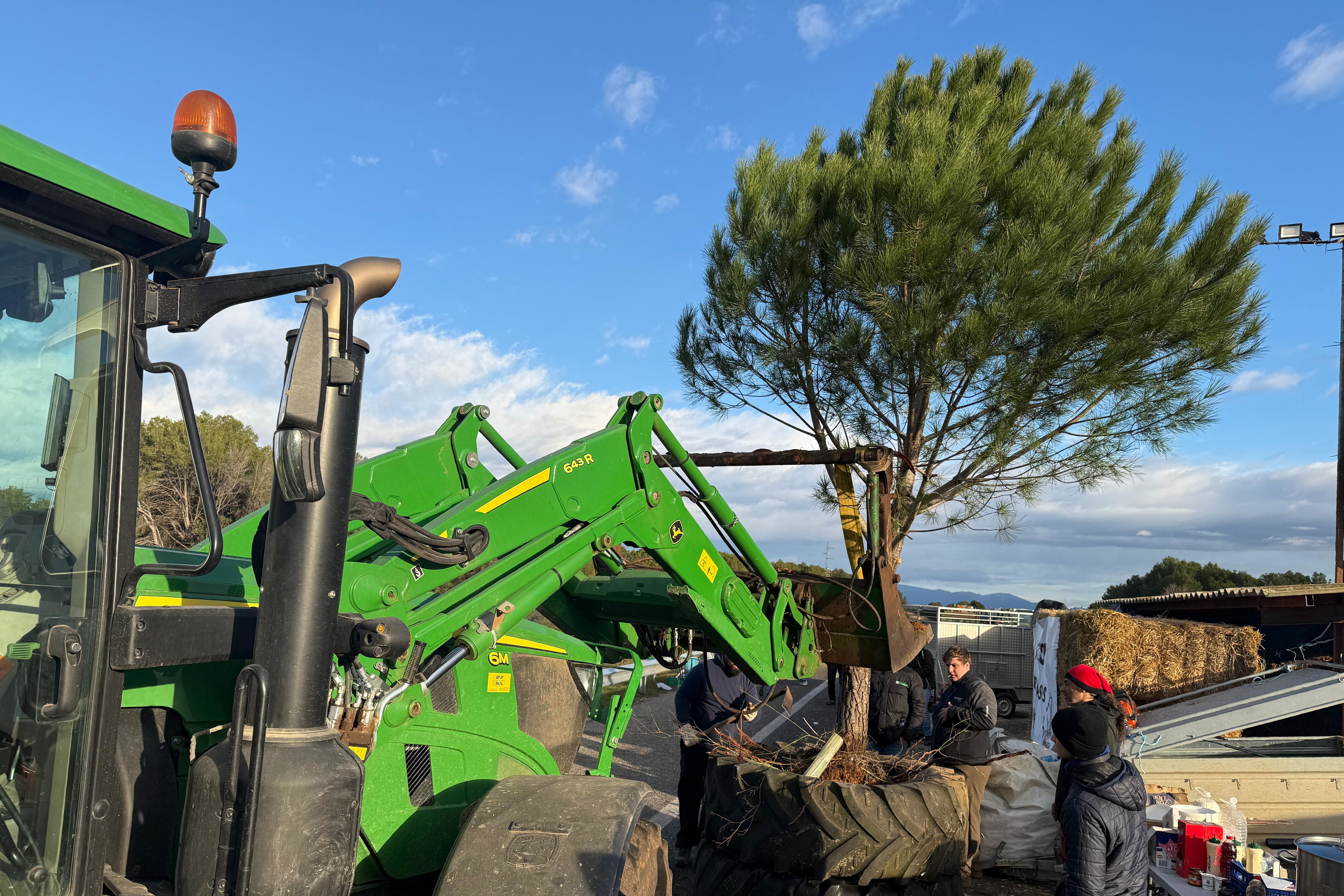
During the first hours of sunlight on Friday, the protest in Pontós returned to its full strength, with plans to stay as long as possible. Farmers even planted a pine tree in the middle of the highway.
Meanwhile, in Fondarella, in western Catalonia, farmers blocked the A-2 highway. There, Pere Roqué, president of ASAJA farmers union, said that the protests are organized just to keep "food safety guidelines."
"We urge all of Europe to vote against the Mercosur deal to be able to keep working," he said hours before the vote.
France will be one of the countries voting against the deal, while Spain is in favor of the agreement with South American countries.
Spanish agriculture minister Luis Planas has said, as Roqué claims, that the deal will not affect farmers in the country. "This is a statement out of place," Roqué told the Catalan News Agency (ACN).
Italy, which first rejected the deal in December, when it was close to a vote, gave its approval on Friday.