El Niño could end northwestern Catalonia's drought, Meteocat says
Weather service also sees a chance of "very cold" conditions this winter
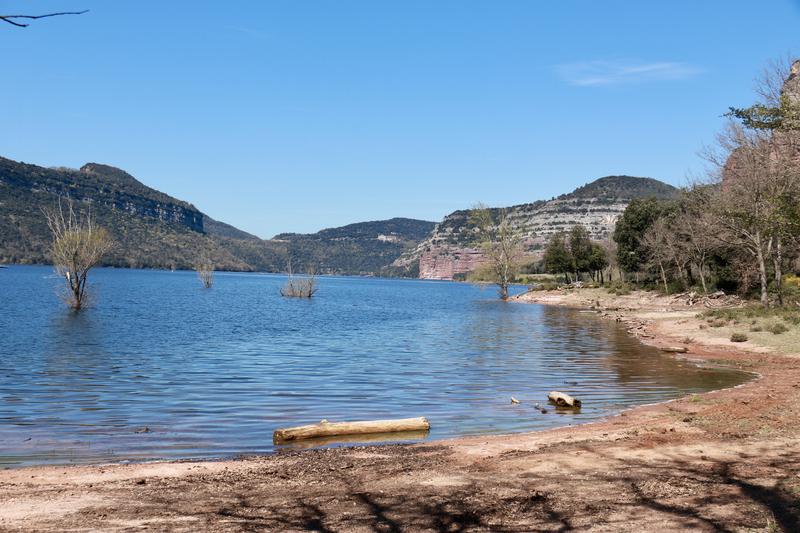

El Niño, the periodic warming of Pacific Ocean waters, could reverse the drought in the northwestern half of Catalonia, Meteocat said Friday.
Toni Barrera, a climate change specialist at Metocat, said this is one of two "atmospheric developments" that could be linked to El Niño's impact on Catalonia.
The other "signal" points to the possibility of "very cold" conditions between late autumn and winter, though he said that, if it happens, it would be a "localized or temporary" event.
Barrera said the northwestern half of the country is experiencing an "incipient and superficial" drought. If seasonal forecasts hold, "normal water conditions" could return to the headwaters of the Noguera rivers and the middle stretch of the Segre river.
He did not say how intense the expected precipitation would be. He noted that the most recent storm to cross the Iberian Peninsula, Charles, had a "lesser impact" on Catalonia than on other parts of Spain.
Barrera expects "a succession of storms" in the coming weeks, which may arrive "carrying much more moisture" than usual as they approach the Atlantic side of the peninsula, though how strongly they will affect Catalonia is not yet known.
The stormy weather is driven by a shift in the transport of large quantities of atmospheric water vapor from tropical and subtropical areas toward higher latitudes.
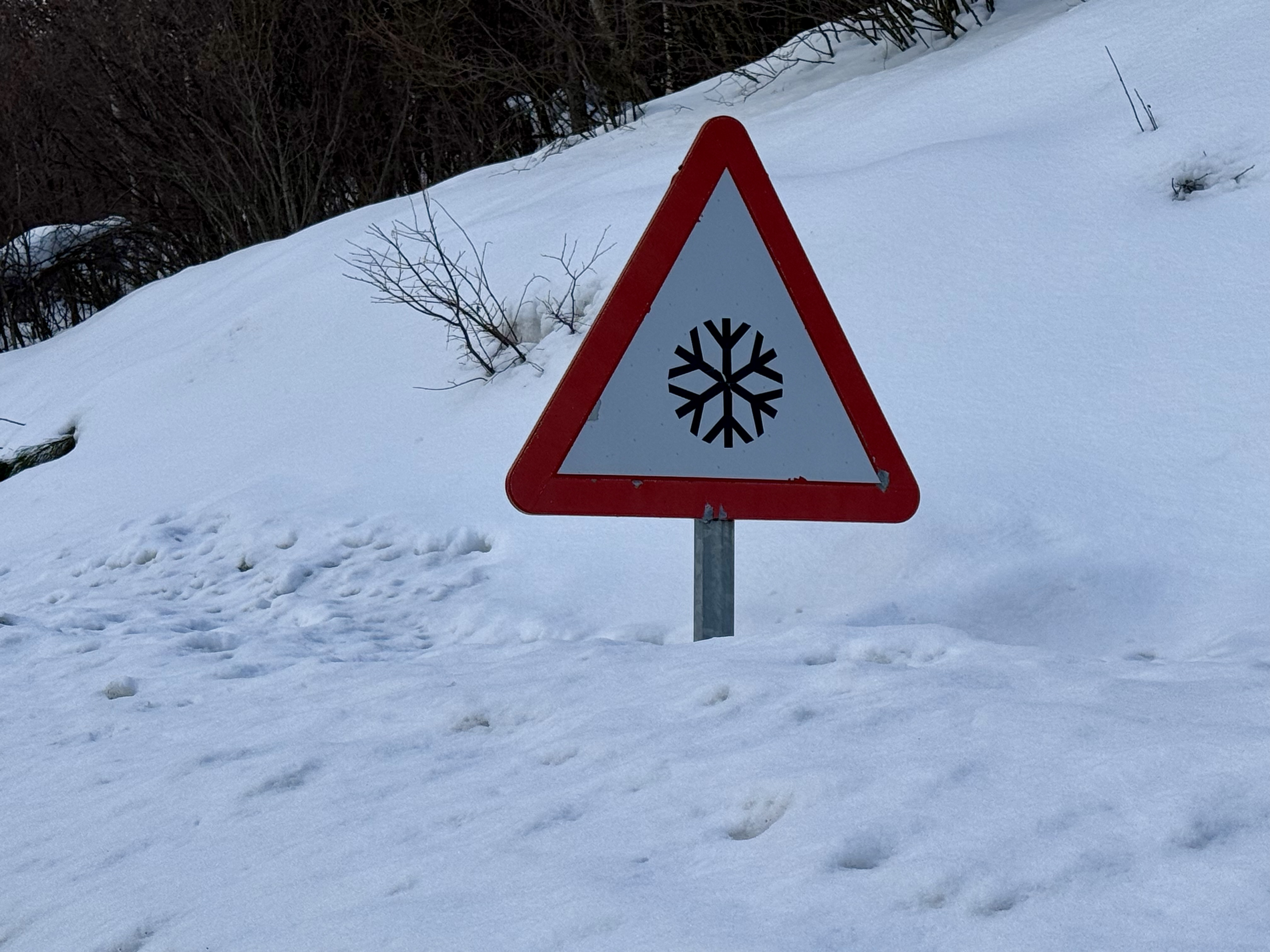
El Niño is pushing this moist air toward Catalonia, and when it collides with the colder air typical of these latitudes, it can bring heavy, persistent rain.
As for a possible drop in temperatures, Barrera said it could happen if "confined, very cold air" from the polar areas is released and moves south.
He said studies from the United Kingdom suggest a 70% probability of this happening, so the likelihood for Catalonia is "lower." He stressed that it is still too early to say whether there is a significant link between these patterns and El Niño.
Storm Charles
Sarai Surroca, director of Meteocat, said Storm Charles was "an example of the effects of El Niño in Catalonia."
She said its impact in Catalonia was "very diminished" compared with other parts of the Iberian Peninsula, because the storm "dissipated" as it approached.
Precipitation was concentrated on the southern slopes of the Pyrenees, particularly in the western section. She also pointed to the strong wind gusts recorded Thursday and the high waves along the coast.
Barrera said the 2026-27 El Niño is the "most intense" since records began in the 1950s, and "it is possible that its impacts could reach areas where they do not typically occur."