Eastern Pyrenees see deepest snow in a decade after exceptional winter storms
Catalonia's western Pyrenees snowpack also far above average, boosting spring water reserves
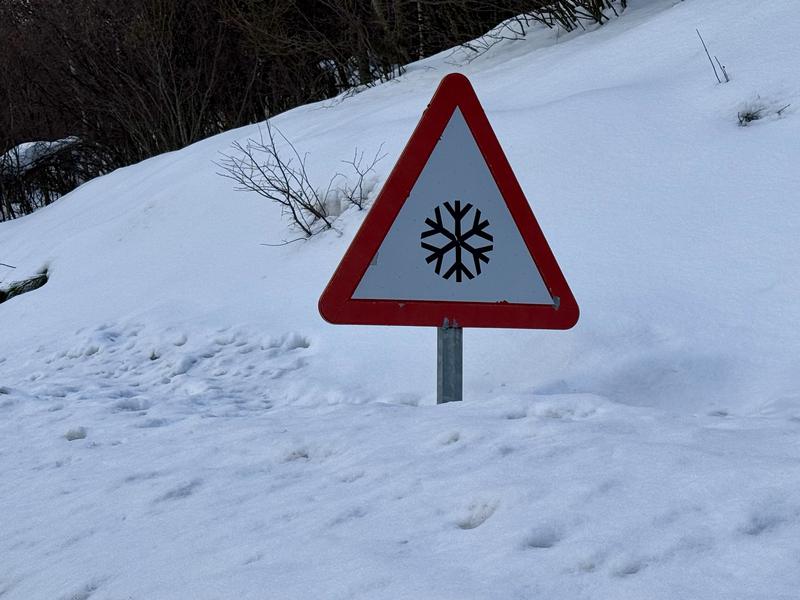

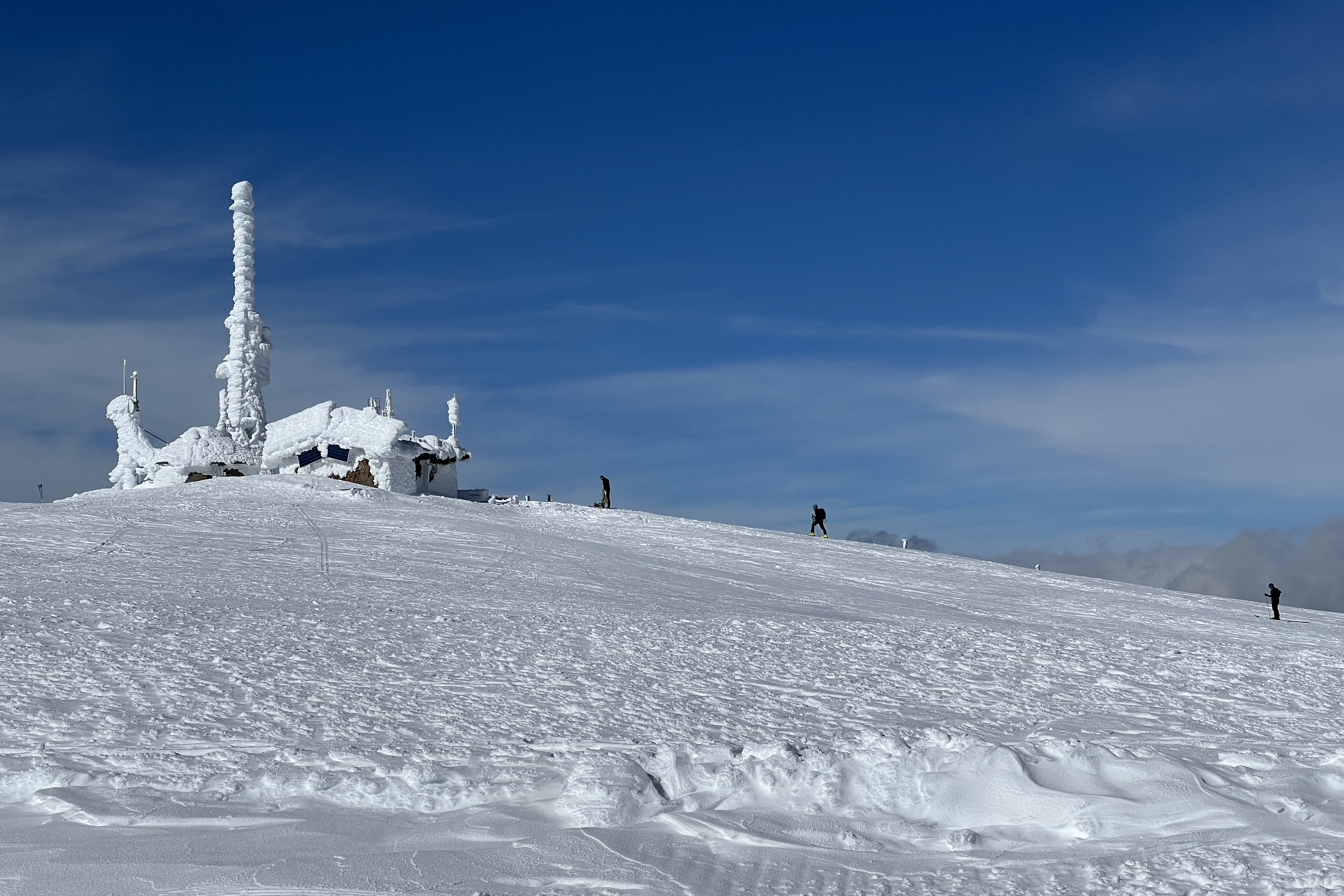
The 2025–26 snow season is shaping up as the most exceptional in at least a decade in the eastern Catalan Pyrenees, with snow depths of between one and two metres already recorded in several locations.
In the western Catalan Pyrenees, accumulated snowfall is running more than 40% above the 21st-century average, according to Spain's Ebre River Basin Authority (CHE), building a vast reserve of water that is expected to feed reservoirs during the spring thaw.
In the eastern Catalan Pyrenees, measurements have reached levels not seen for years. Vallter recorded 230 cm of snow in late January, far above recent norms, while Vall de Núria measured 144 cm – a depth not seen there for 26 years – according to data from the Spanish (Aemet) and Catalan (Meteocat) meteorological services, analysed by the Catalan News Agency (ACN).
The western Catalan Pyrenees, while less extreme in relative terms, are holding far greater absolute volumes of snow because of their higher peaks and broader snow-covered basins. Nearly 800 cubic hectometres (hm³) of water is currently stored as snow in this area, much of it expected to flow into reservoirs once melting begins.
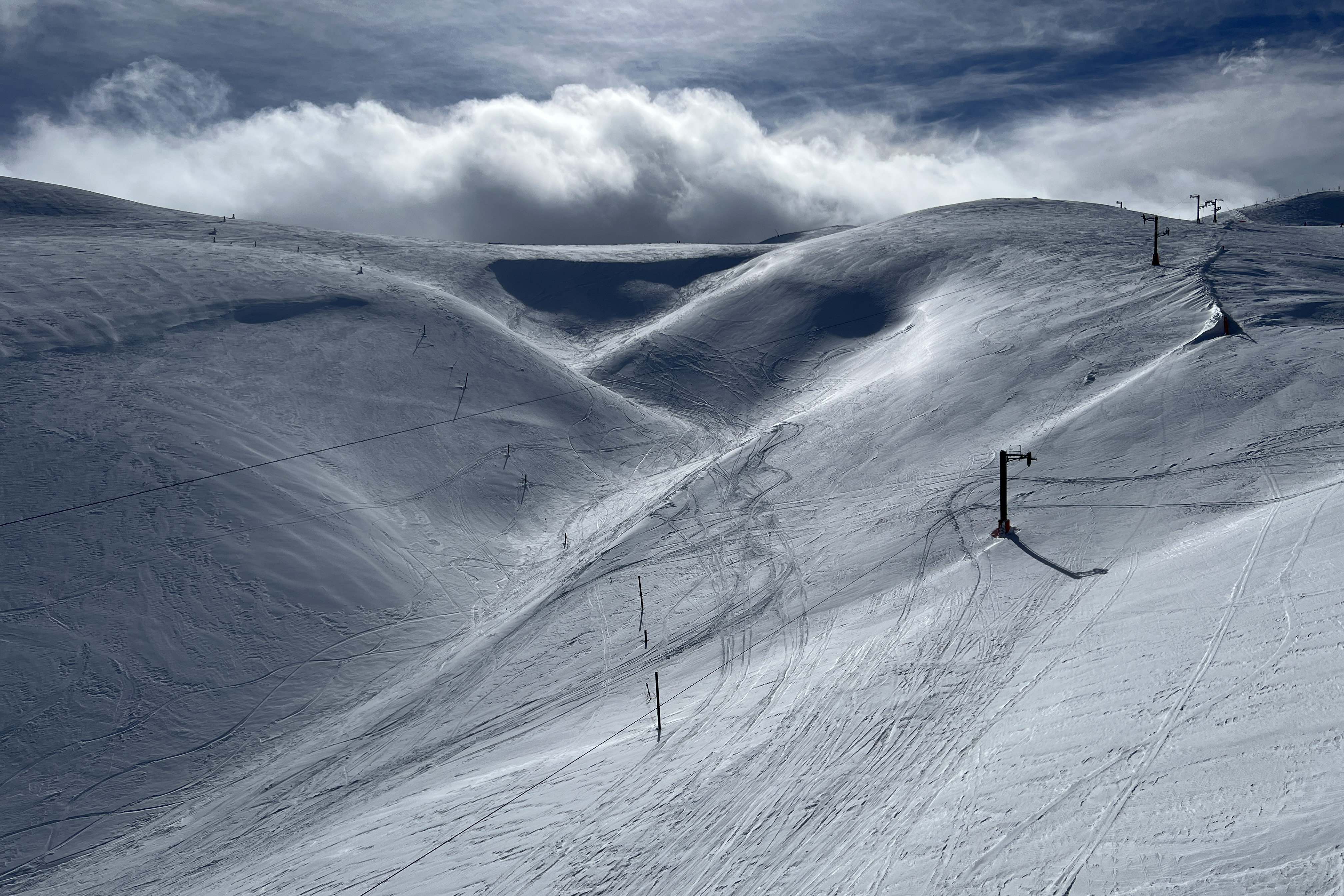
At Vall de Núria, Meteocat's automatic weather station at 1,971 metres above sea level recorded 144 cm of snow on January 26, the highest level in its 26-year record of snow-depth measurements. Comparable figures were last seen two decades ago, with 142 cm recorded on January 30, 2006.
Another striking example comes from the Cadí Nord station near Prat d'Aguiló in Cerdanya, at 2,143 metres. Snow depth there reached 172 cm on January 20 and again on February 5. The station has not recorded so much snow since 2018, when a record 234 cm was measured.
Vallter, in Ripollès county in the eastern Pyrenees, offers a third illustration of the season's scale. On January 25, an Aemet station there measured 230 cm of snow. By contrast, the average snow depth for that date between 2018 and 2022 was just 9 cm.
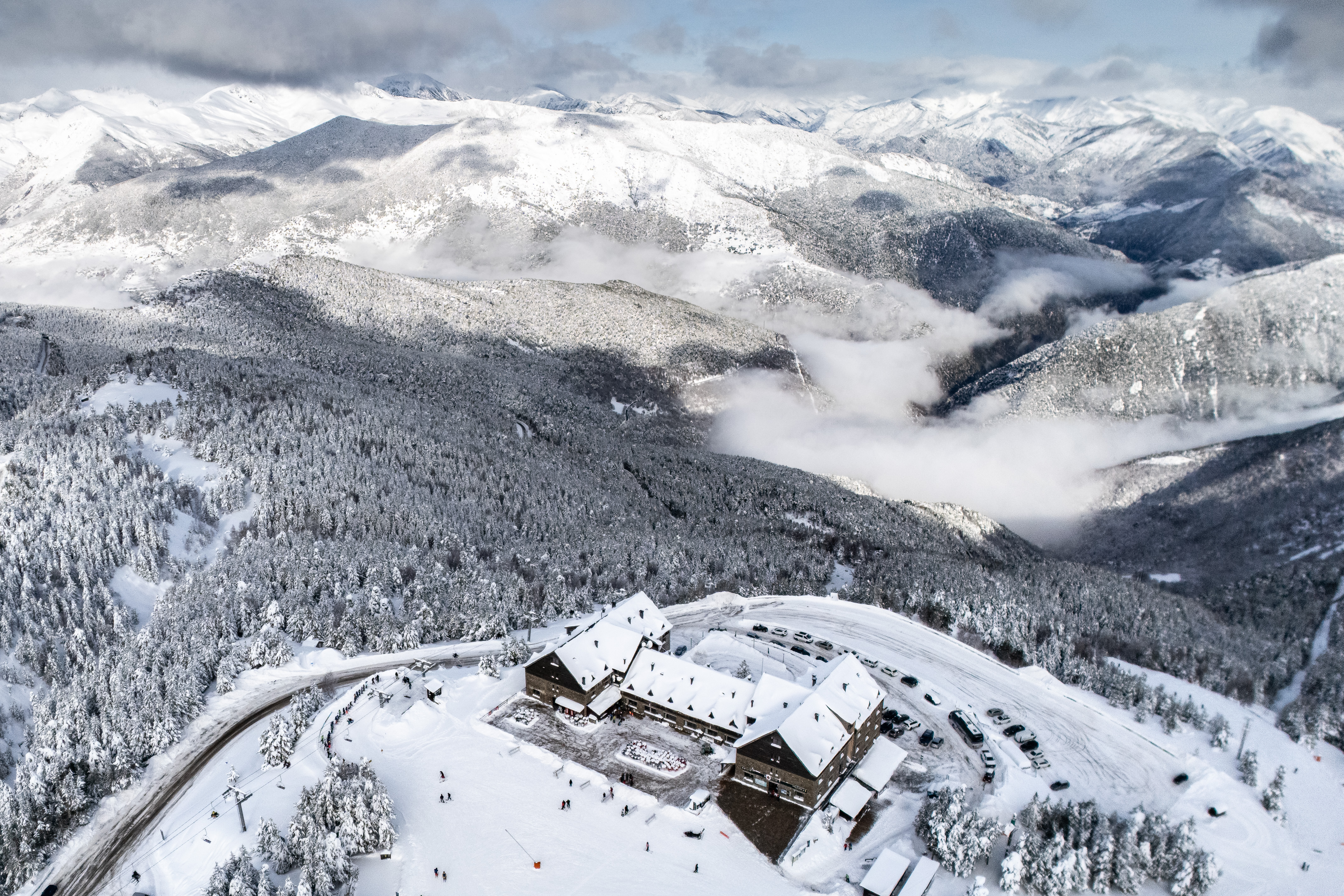
Aleix Serra, head of Meteocat's Data Control and Quality team, said the snow season began in a "fairly unremarkable" way, but from the second half of December a succession of northern and southern snowfalls, easterly storms and Atlantic fronts "have caused large accumulations of snow at mid and especially high elevations."
Serra noted that, normally, snow depths at high elevations are clearly greater in the western Catalan Pyrenees – particularly in the Aran Valley and the far north of Pallars – but this year "we are also seeing snow depths above one metre in the eastern Pyrenees and the Pre-Pyrenees.
It is therefore in these latter areas where the season is more exceptional, in some cases with a metre and a half of accumulated snow at around 2,000 metres."
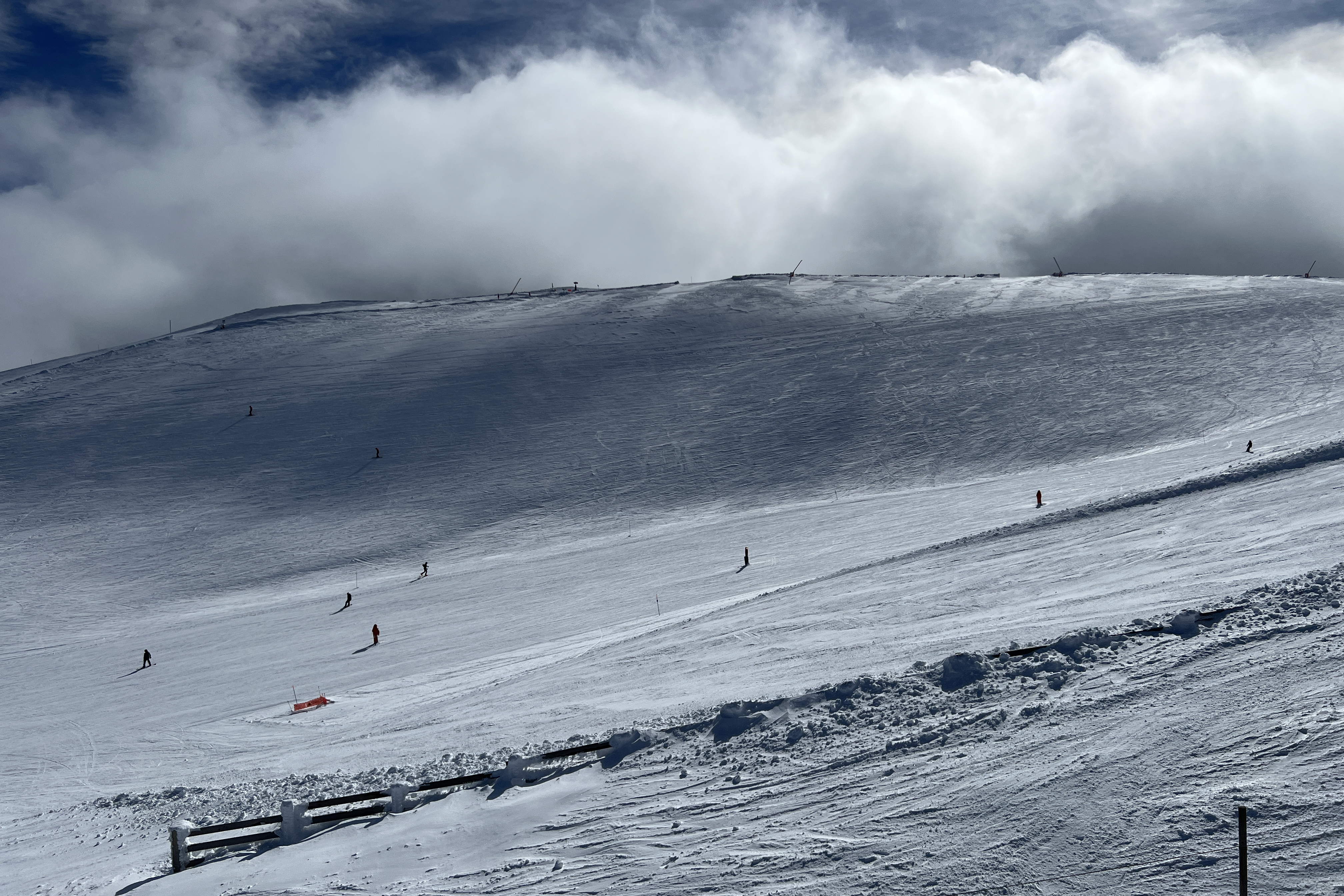
A combination of average winter temperatures, the absence of warm high-pressure systems and multiple precipitation episodes with a snow line "almost always below 2,000 metres" has helped preserve the snowpack, he added.
Thanks to the heavy snowfall and favourable conditions, the Catalan Water Agency (ACA) estimates that around 230 hm³ of water are currently stored as snow in this stretch of the Pyrenees – an exceptional figure – with about 100 hm³ expected to flow into reservoirs in Catalonia's internal river basins, particularly the Ter, during the thaw.
The ACA does not have historical snowpack data to directly compare this winter with past seasons. However, it estimates that last year the reservoirs in the internal basins received around 30 hm³ from snowmelt in spring, less than a third of the volume already projected for this year.