Donkeys tackle invasive giant reed in Penedès pilot project
Environmental group GEPEC tests grazing as a sustainable method to control one of the world's worst invasive species
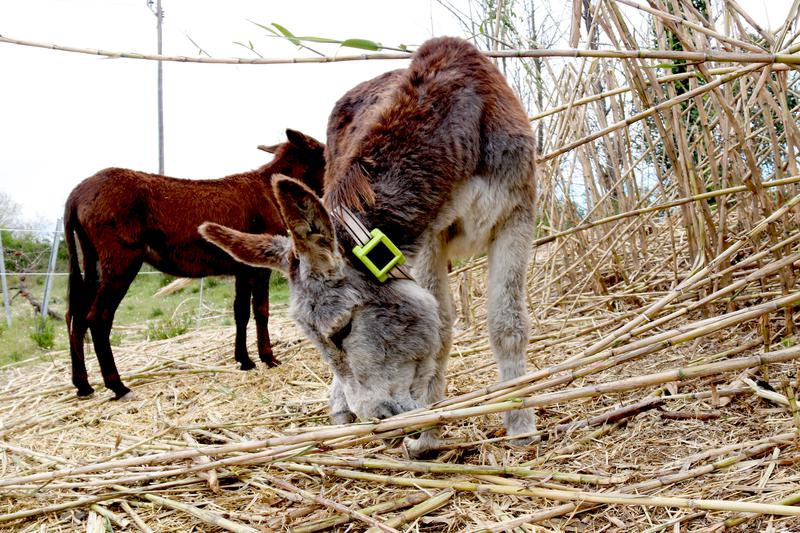

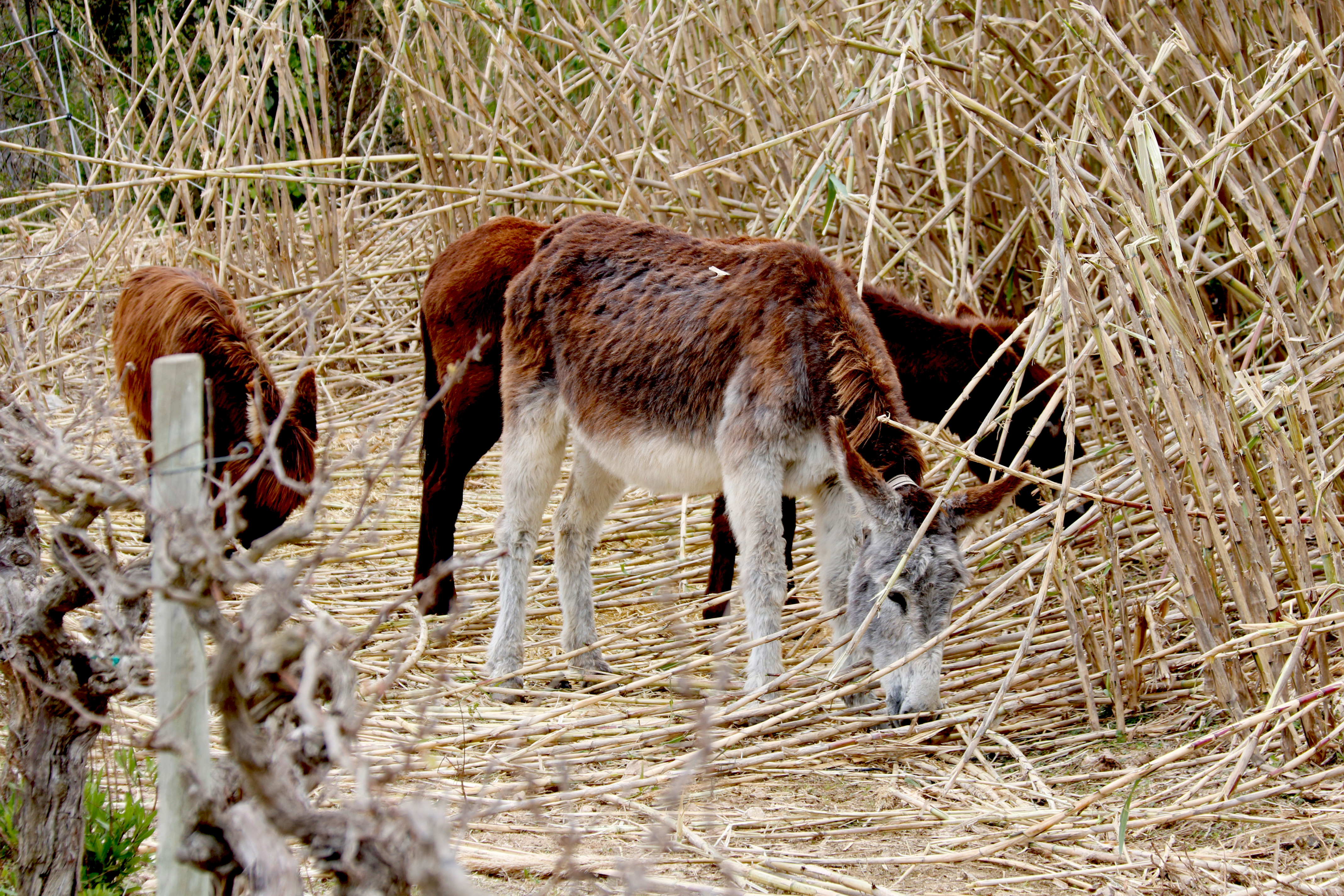
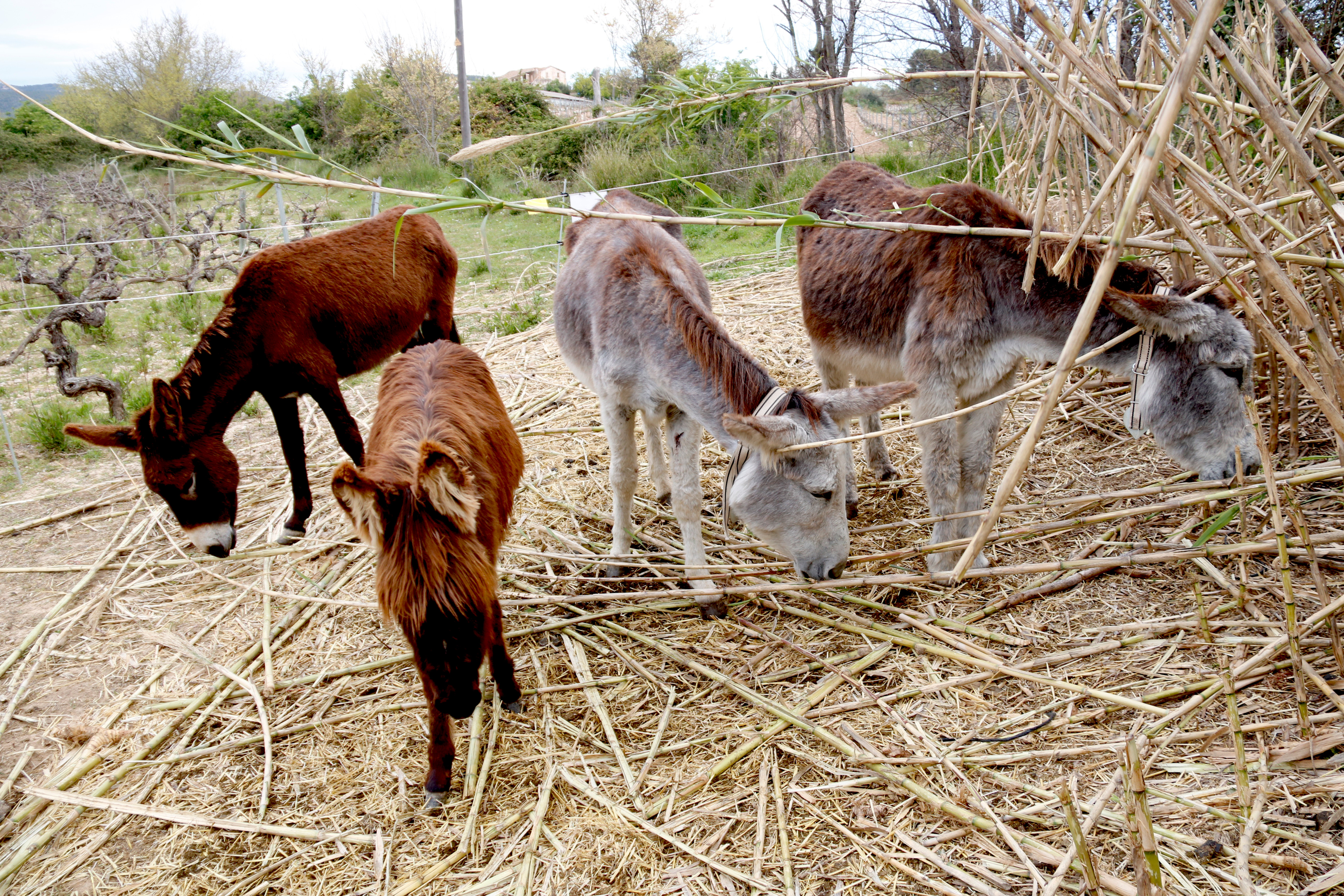
Seven donkeys are grazing along a riverbank near the village of Cornudella, in Sant Jaume dels Domenys (Baix Penedès).
It's part of a pilot project to curb the spread of giant reed, one of the world's most invasive plant species.
The initiative, led by the environmental group GEPEC in collaboration with the Catalan Water Agency, aims to evaluate whether donkey grazing alongside waterways can help control the spread of giant reed (Arundo donax).
The plant can root up to three metres deep, making it difficult to eradicate.
The trial is assessing whether donkey grazing could offer a sustainable method of "maintenance" whenever the reeds regrow.
Ecosystem and animals
"We're evaluating whether donkey grazing is positive both for the ecosystem and for the animals," GEPEC's Xavier Pedro told the Catalan News Agency (ACN).
The animals, from a local farm, have been grazing for several days along the Gatell ravine, an area heavily overgrown with the invasive species. Giant reed has spread widely across rivers and streams in the region, and its extensive, deep rhizome network makes removal particularly challenging.
The pilot is examining whether grazing by donkeys can provide a sustainable way to manage the plant. The animals are kept within a fenced area and monitored by veterinarians.
"We look at whether the donkeys are fit for this work and whether they suffer colic or any problems from ingesting the cane," Pedro said. "So far, they are responding very well," he added.
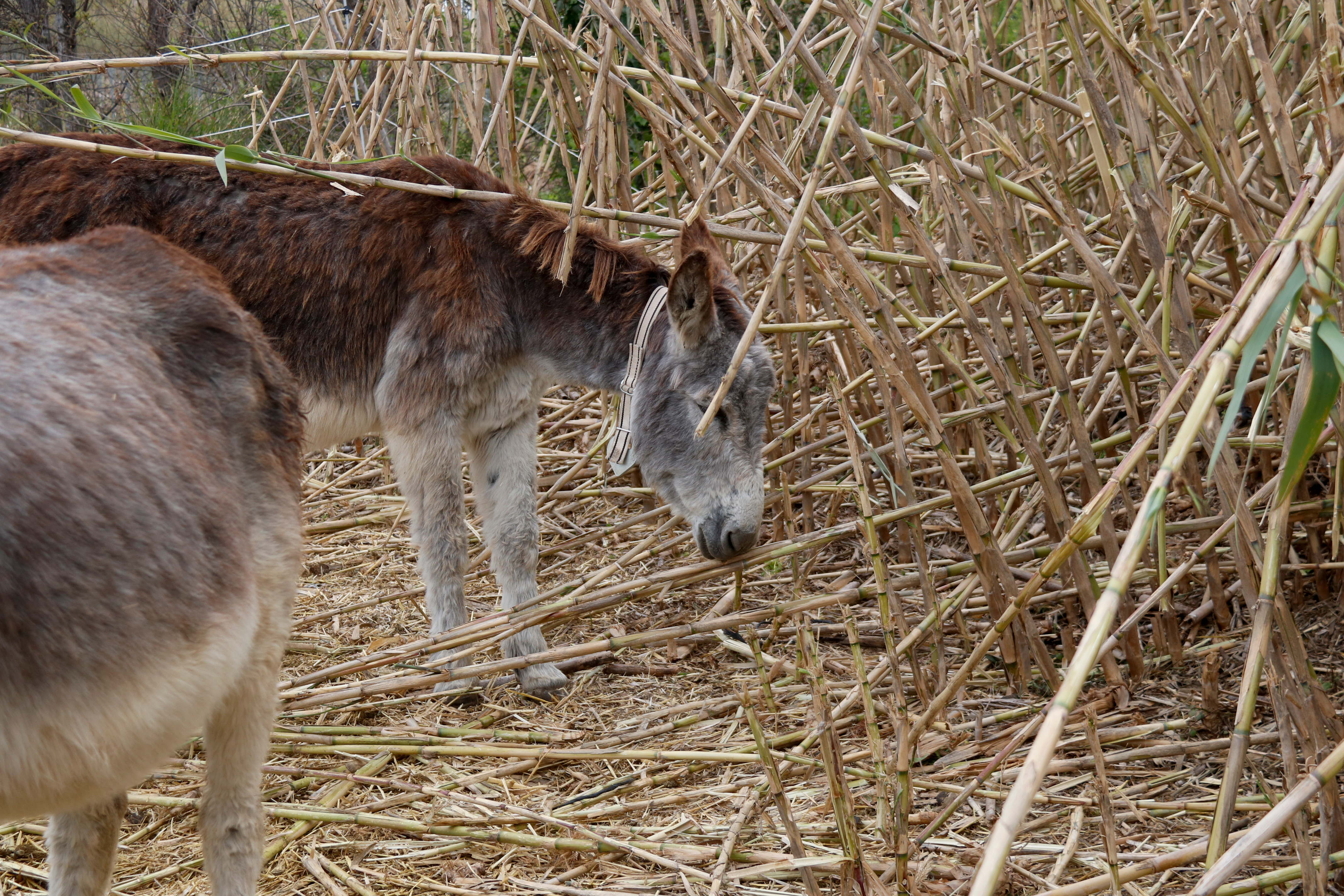
Researchers are also observing how the animals interact with the reeds. In some areas, plants are cut to see whether the donkeys eat the regrowth, while in others they are left intact.
"We have seen that they break the canes themselves with their mouths to eat the tender leaves at the top," Pedro said.
Preliminary assessments of the ecological impact have also been "positive." Pedro said that once reeds are removed, other species are planted to "compete" with any regrowth."
"We weren't sure if they would damage any riverside trees, but so far they haven't eaten them and are helping us control the cane," he said.
One of the world's worst invasive species
Giant reed is considered one of the 100 worst invasive species globally, requiring significant public and private resources each year to contain it.
"It occupies areas where there should be a riverside forest with native species that help prevent floods and torrents, and also filter and clean the water," Pedro said.
The plant obstructs water flow and reduces the capacity of river systems to absorb large volumes of water, increasing the risk of flooding. It also harms ecosystems by reducing biodiversity and displacing native vegetation.
GEPEC said it does not intend to "fill the rivers and waterways of Catalonia where there is cane with grazing donkeys," but noted the approach could be "useful" in certain areas. "Especially where there is a monoculture of cane," Pedro said. "It could be a sustainable solution."