Disruptions, diversions, and road closures as Tour de France kicks off in Catalonia
Some 400km of road closures across territory, with Barcelona, Tarragona, and Granollers mainly affected
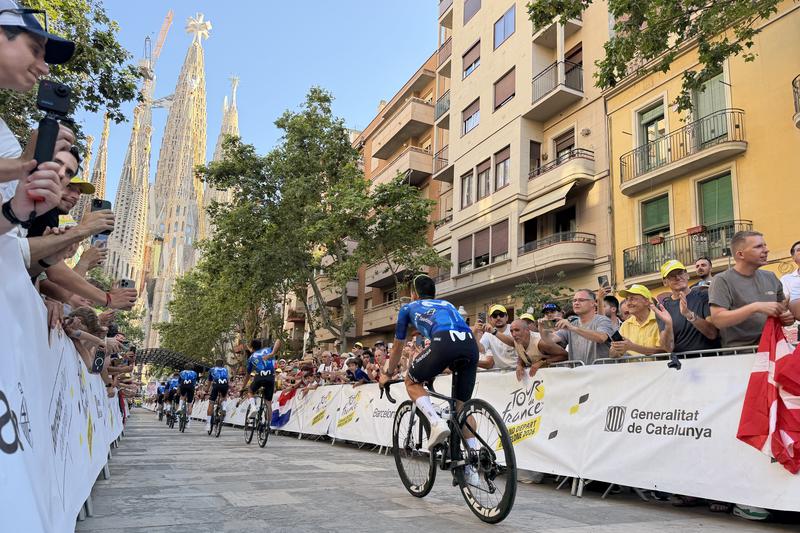

The Tour de France kicks off this Satuday, July 4, with the Grand Départ setting off from Barcelona.
Catalonia is in for an exciting three days of hosting the world's biggest race in cycling.
The first stage will see a team time trial running through a 19.6km city-centre route, passing by iconic locations such as the Sagrada Família and the Montjuïc Olympic Stadium.
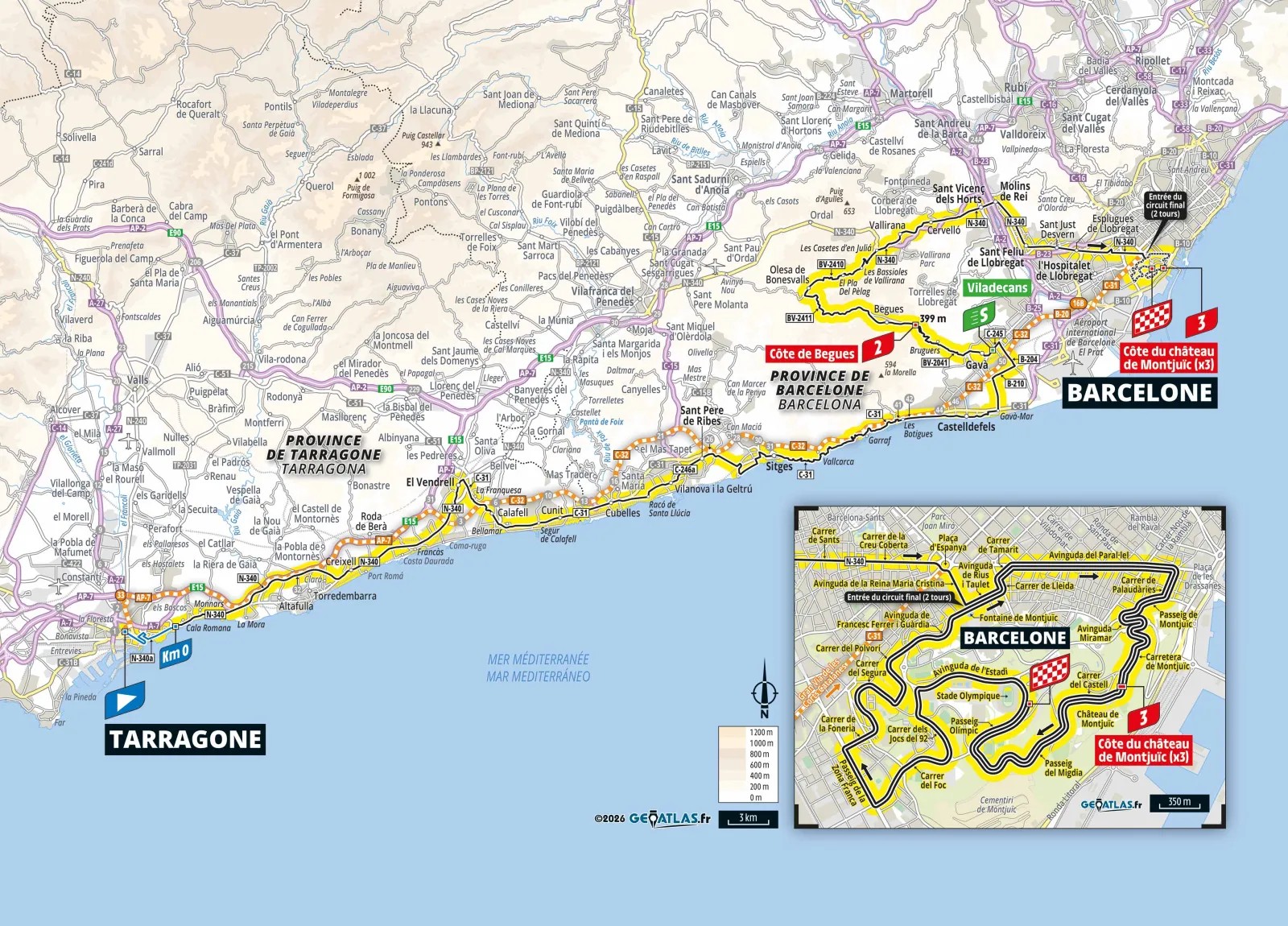
A hilly, 168.5km second stage will see riders race from the southern city of Tarragona back up to Barcelona, with three laps of the Montjuïc hill to finish.
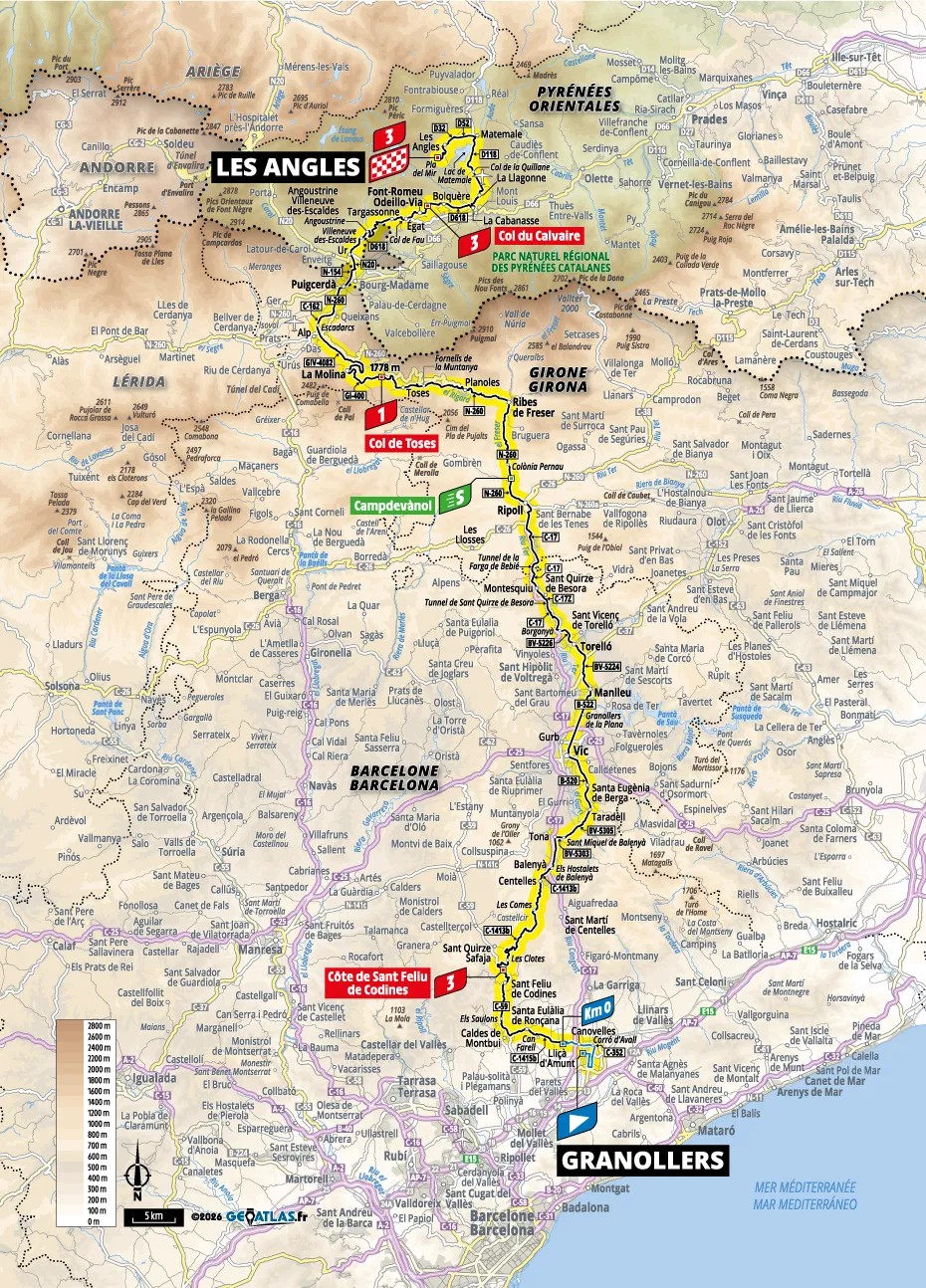
The third stage starts in Granollers, in the broader Barcelona metropolitan area, and finishes 195.9km away, just over the French border in the mountain town of Les Angles.
Travel disruptions in Barcelona
The arrival of the grand tour will see mobility severely affected across Catalonia during each stage.
Restrictions for the Grand Départ will start on Thursday, July 2, during the official team presentations between Hospital Sant Pau and Sagrada Família.
Then on race day, Saturday, July 4, the most affected areas will be around Sant Martí, Eixample, and Sants-Montjuïc.
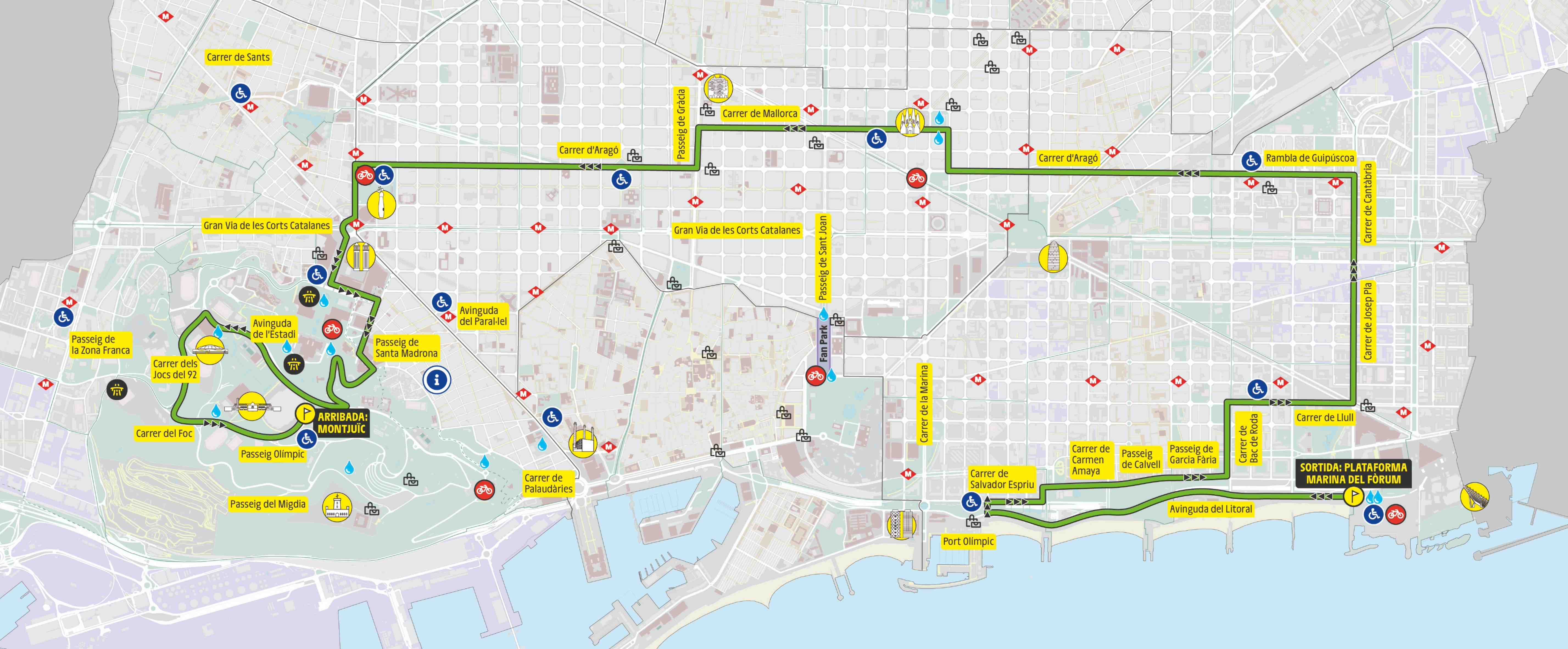
In Sant Martí, the coastal area, Carrer Josep Pla, and Rambla Guipúzcoa will be most affected. In the Eixample, Carrer Aragó, the Sagrada Família area, and Passeig de Gràcia will see closures. Meanwhile, in the Sants-Montjuïc area, Creu Coberta, Plaça Espanya, Paral·lel, and practically all of Montjuïc will see disruptions.
To get around the affected areas, which will be practically closed, it is recommended to use the metro.
The City Council estimates that over the three days there could be around 850,000 spectators on the streets of the city to follow the cyclists: up to 80,000 for the presentation of the teams, around 600,000 in the first time trial stage and around 170,000 in the second stage entering from Baix Llobregat.
The second stage will then finish in Barcelona, arriving from Tarragona, with disruptions around Montjuïc.
The restrictions will begin at 12.00pm, with complete closure at 1.30pm. Between 3.45-5.45pm, Montjuïc mountain will be practically totally closed off, with traffic restored from 6:00 p.m.
Pedestrian crossings
To guarantee the mobility of people, a network of more than 50 pedestrian crossing points will be set up along the entire route, duly signposted and with support staff.
These points will be distributed so that there is always a crossing option less than 5 minutes away on foot, although during the race they may be temporarily regulated or closed.
The device also reinforces accessibility with itineraries adapted for people with reduced mobility and strollers, with specific support to facilitate crossings in safe conditions.
The metro will be the main tool for crossing the circuits, since its lobbies will act as safe passages in key axes such as the Eixample, the Sagrada Família or the Plaça d'Espanya. In fact, TMB does not rule out that at some point it will be possible to enter for free to take advantage of the underground passages if necessary.
On each of these days, TMB will increase metro services by up to 40% compared to the usual offer, a particularly important reinforcement on lines 1 and 5.
Stages two and three
In the following days, stages two and three will see mobilty affected from Tarragona to Barcelona, and from Granollers to Les Angles.
The two stages total almost 400km and involve around sixty municipalities.
The temporary closures, diversions, and restrictions will last an average of 5 hours per section, as they will be activated around 3 hours before the cyclists pass and will reopen approximately one hour later.
Sunday will certainly affect many people's plans to get to the beach, with the stage running from Tarragona to Barcelona.
Specifically, there will be closures on the A-7, the N-340, the C-31 and the BV-2041 and several accesses of the C-32, B-24, B-23 and C-32 to the metropolitan area. The restriction of several sections and mandatory detours is expected in points such as Torredembarra, El Vendrell, Vilanova i la Geltrú, Sitges, Castelldefels, Begues, Vallirana, Molins de Rei, Sant Just Desvern, and Esplugues de Llobregat.
The disruptions will see closures of around five hours on coastal roads, mainly the N-340 and the C-31, while the C-32 toll will be free between 11am and 4pm.
On Sunday, it's expected that all disuptions will be finished by 6pm.
Monday's stage, from Granollers to the Pyrenees, will affect the C-352, the C-59, the C-17, the C-37, the C-25 and the N-260 and Pyrenean roads.