Collserola's reopening remains uncertain a year after swine fever outbreak
Restrictions imposed to prevent disease from spreading have disrupted life for hiking groups and residents in the surrounding area

This coming Saturday will mark one year since the first cases of African swine fever (ASF) were detected in wild boar in Cerdanyola del Vallès, just outside Barcelona.
Restrictions imposed to prevent the disease from spreading have profoundly disrupted life for residents in the surrounding area and for outdoor organisations and hiking groups, following the closure of green spaces including Collserola Natural Park and the Rodal de Sabadell.
Residents and hiking groups say the restrictions have disrupted people's access to their usual outdoor activities, taking a toll on their health and the finances of local organisations.
Although the Catalan agriculture department has floated the possibility of a partial reopening towards the end of the year, those affected say they have received no direct communication from officials and believe any changes are now unlikely before 2027.
Collserola is one of the main outdoor escapes for the towns and cities surrounding it, including Barcelona – a green lung where residents can get some fresh air.
It attracts a steady stream of visitors every day, particularly at weekends.
Before the restrictions came into force, cyclists, walking groups, families, and hikers were a familiar sight.
That changed a year ago, when the first ASF case triggered a series of restrictions, including the closure of natural areas within high-risk zones – defined as a six-kilometre radius around any detected case.
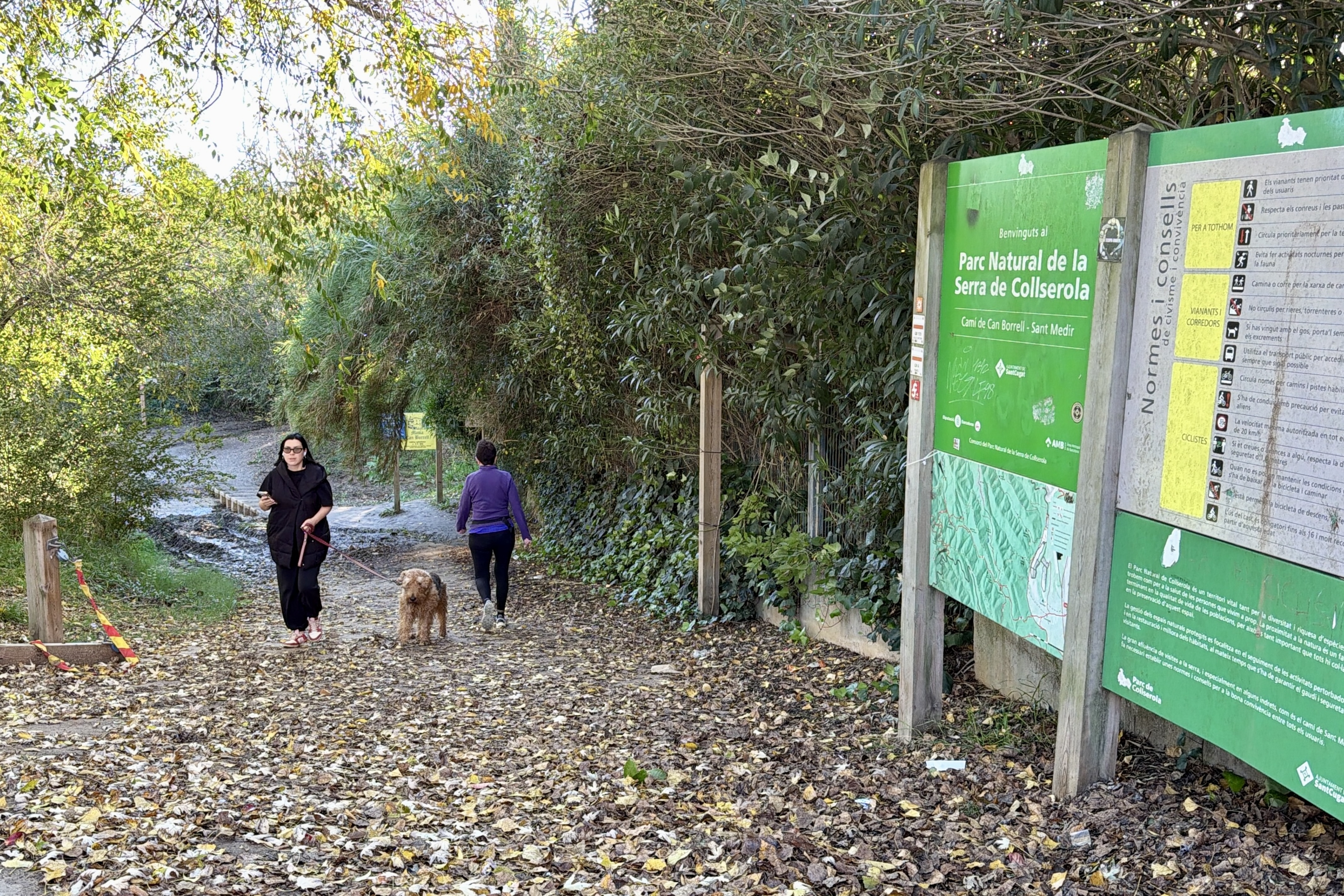
Collserola has been directly affected, with access to its trails from surrounding towns blocked.
"Nature heals"
"We are really suffering. It's causing a lot of anxiety. Many people are extremely on edge," says Cristina Alier, who launched the Reobrim Collserola (Reopen Collserola) campaign on change.org. The petition has gathered more than 8,700 signatures.
Alier, who lives in Cerdanyola del Vallès close to the park, was a regular visitor to its woodland areas, as were many of her friends and neighbours.
She describes the case of a close friend who is suffering from severe depression and has been particularly distressed by the closure, which has no end date in sight.
"Nature heals, and they are not taking that into account," she says.
Alier believes the authorities have focused heavily on protecting the pork industry, which she understands, but she points out that there are no pig farms around the park and argues that the needs of local residents have been overlooked.
She also cites the example of other countries that adopted less restrictive measures.
In Belgium, she says, authorities have monitored the disease without restricting public access to natural areas.
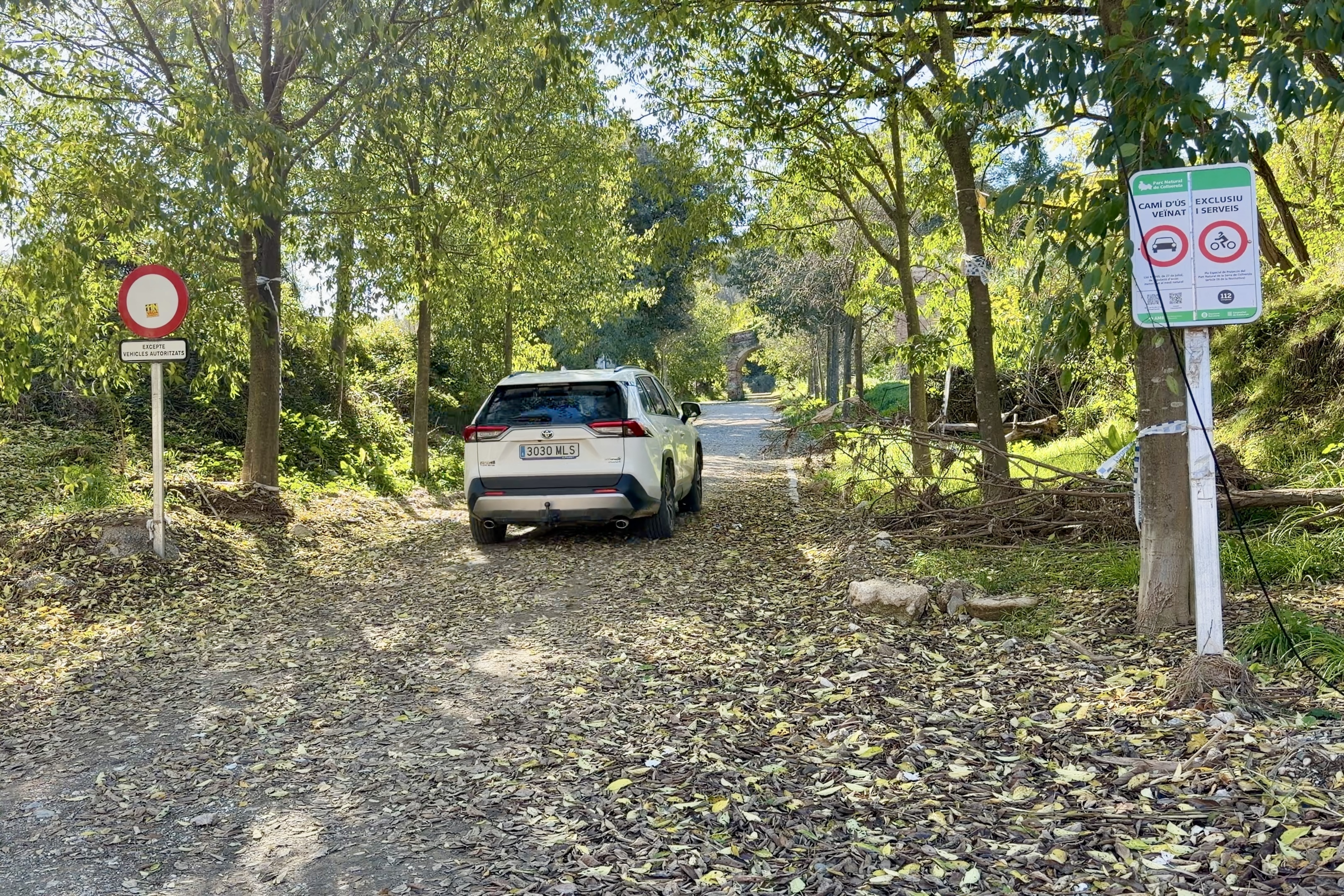
Alier also questions the logic of banning walkers while vehicles continue to access the park, including those belonging to residents and the emergency services, whose tyres are not disinfected when they leave.
The situation has driven some people to enter Collserola despite the ban, Alier says.
They risk being fined, but feel they need direct contact with nature.
Alier submitted the petition signatures to the agriculture department and received a response last Thursday, saying that the request would be forwarded directly to the minister, Òscar Ordeig.
"We need them to reopen it, to let us go to the mountains for our physical health and our mental health."
Safe routes
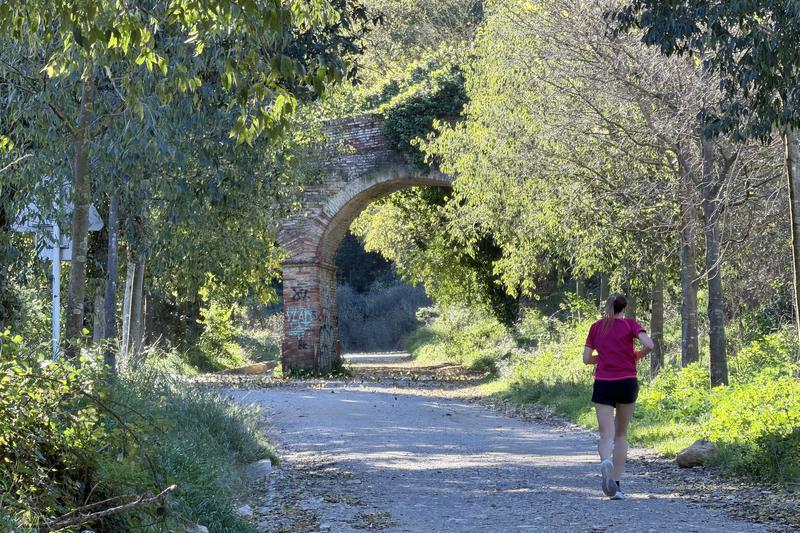
Despite the ban, people continue to walk, run and cycle in Collserola. While the restrictions were initially closely observed, it is clear that many now feel they have gone on too long and have returned to their usual habits.
"The ban isn't working," says Jaume Llugany, president of the Sant Cugat Mountaineering Centre.
The organisation has proposed the creation of designated safe routes through Collserola, even offering to map out trails designed to minimise exposure to the natural environment as far as possible.
In mid-October, Ordeig said a gradual reopening of natural areas would begin at the end of November, subject to agreement with local councils.
The possibility of establishing safe corridors was also raised.
"It's as simple as marking out the routes that people can walk. They should be able to spend time in a healthy environment, because ultimately this is a matter of people's health," Llugany says.
"We put the proposal to the council, and we understand that it reached the department," he says.
Beyond Collserola
The restrictions extend beyond Collserola.
In Sabadell, the Rodal – the agricultural and woodland belt surrounding the city – is also within the ASF high-risk zone. Many trails, including the paths along the Ripoll river, one of Sabadell's favourite spots for walking and exercise, remain closed.
"Not being able to go to the Rodal, which is where we operate, has meant we can no longer organise our usual events," says Xavier Oller, president of the Sabadell Hiking Association (UES).
"As a result, the organisation, a registered non-profit, has suffered a very significant loss of income."
"The Rodal is part of who we are. It belongs to Sabadell. Not being able to access it is like having a green space taken away from us, as though we're missing a part of ourselves," he says.
Reopening remains uncertain
Residents and hiking groups say they have received little information about when restrictions might be lifted.
"We are worried because we cannot see an end to this. And what we do know, we learn from the media. At no point have we received a clear explanation from the department," says Llugany.
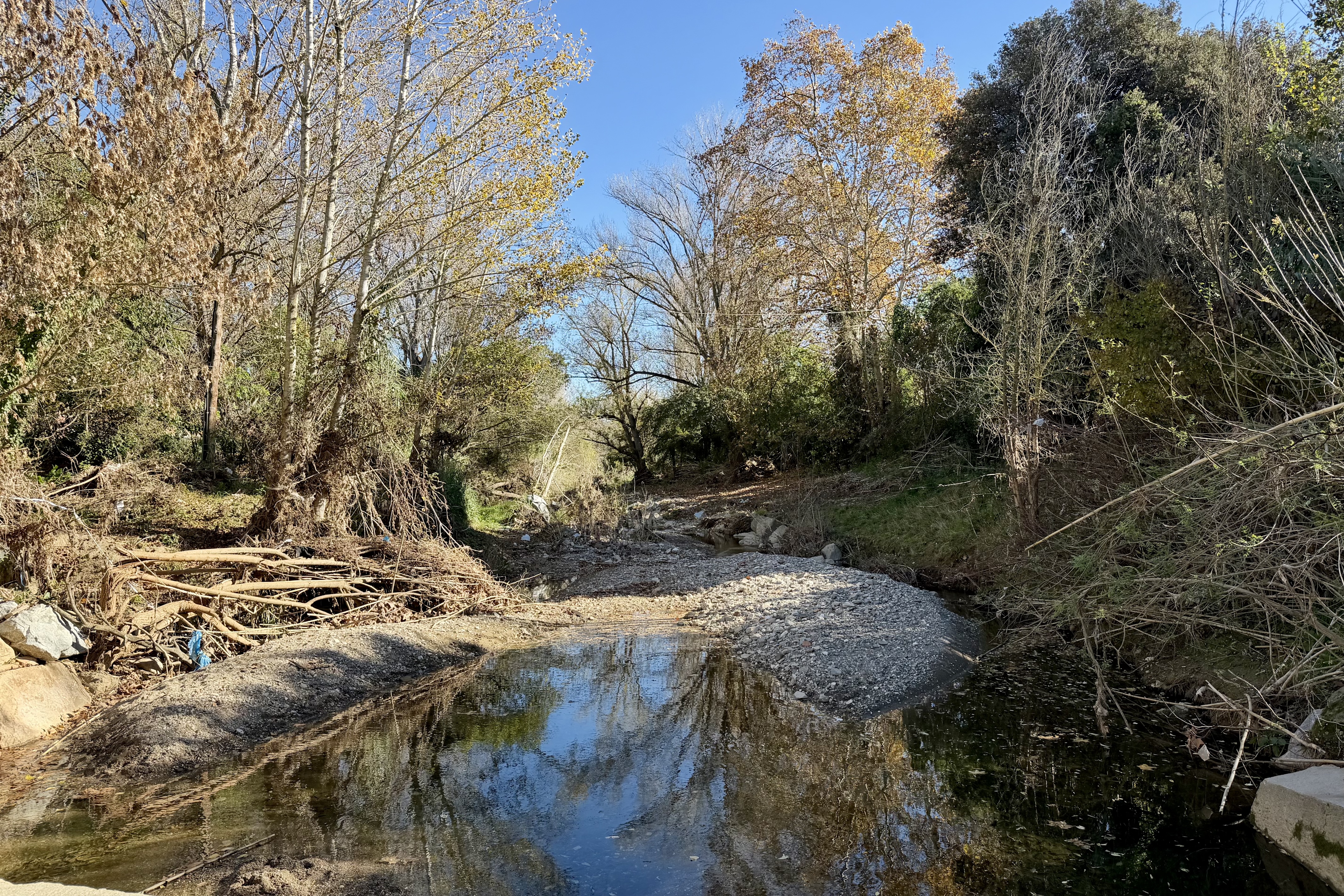
The autumn's heavy rainfall has added to the uncertainty, damaging trails, footbridges and infrastructure around Collserola.
Residents fear the repairs needed could further delay the park's reopening.