Cocaine accounts for 53% of Projecte Home addiction cases in 2025
Alcohol remains a significant factor, accounting for 31% of cases treated, rising to 46% among women
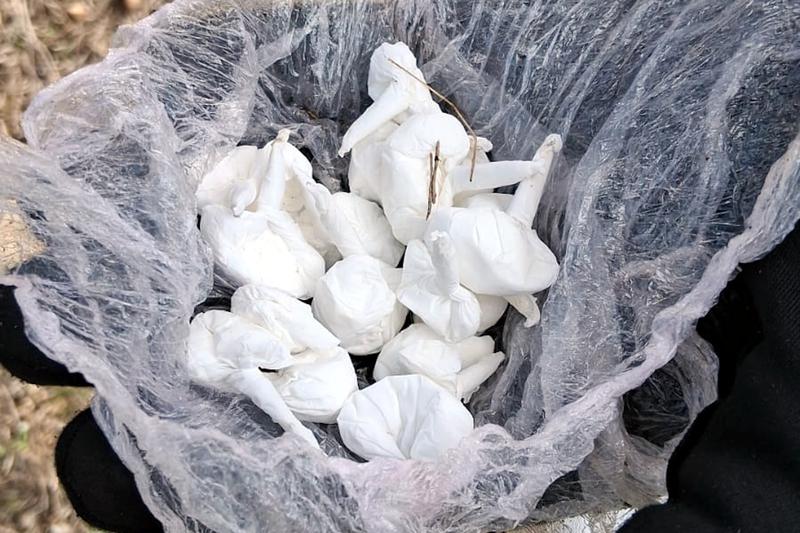

Cocaine-related addiction accounted for 53% of cases treated by Projecte Home in 2025, the organisation said on Thursday, warning that the figure was the highest recorded in recent years.
The NGO said cocaine was becoming the "most persistent" drug, as it has generated the highest demand since 2016.
The finding is the main conclusion of the Projecte Home Catalunya's annual report.
The drug addiction treatment and prevention NGO treated 1,787 people last year across its seven centres in Catalonia: Barcelona, Montgat (Maresme), Montcada i Reixac (Vallès Occidental), Tarragona, Tortosa, Lleida and Girona. A further 6,177 people took part in prevention programmes.
The report also found that alcohol continued to be a significant factor, accounting for 31% of cases treated, rising to 46% among women.
"Normalisation" of cocaine use
Projecte Home warned about the "normalisation" of cocaine use and said the drug was "integrated" into society.
The NGO attributed this to a "low perception of risk" and its "easy access," which allows consumption to spread across different age groups, professions, genders and social backgrounds.
The organisation said cocaine use often begins as "recreational and weekend" consumption. It later becomes "a pattern of daily and solitary consumption," leading to "serious consequences" in family life, employment and health.
By gender, cocaine use was more common among men treated (55%), while among women it stood at 42%.
The analysis also indicated that cocaine use is "almost always" accompanied by alcohol.
Alcohol consumption remained a significant factor, accounting for 31% of cases treated.
Among women, it represented 46% of cases and was associated with "more solitary patterns of consumption and the use of legal and accessible substances." Among men, it accounted for 28%.
Long-term addiction
Projecte Home Catalunya has drawn up a profile of the people receiving treatment. They are typically aged 43 on average and have been living with addiction for around two decades.
Men accounted for 82% of those treated, while women represented 18%.
The NGO described the proportion of women as "very low" and attributed it to "accessibility problems" affecting their ability to reach treatment programmes.
In terms of economic circumstances, 37% of people treated by the service had employment as their main source of income. By contrast, more than 40% were in a vulnerable situation.
The 2025 report also found that in 36% of cases, addiction was accompanied by a diagnosis of a mental health disorder.
The organisation stressed that more than half of these cases involved women, showing "the deterioration of mental health" among the female population receiving care.
One thousand family members supported
Projecte Home’s treatment programmes also provided support to 1,009 family members of people with addictions, who often "accumulate years of suffering and emotional exhaustion."
This support was "clearly feminised," with two out of every three family members being women.
In terms of family relationship, mothers were the largest group (32%), followed by siblings (18%), among whom women accounted for the majority (62%).