Catalonia's highest-altitude construction project aims to restore Pica d'Estats mountain path
Work on Sotllo scree slope will improve safety and protect endangered Pallaresa lizard
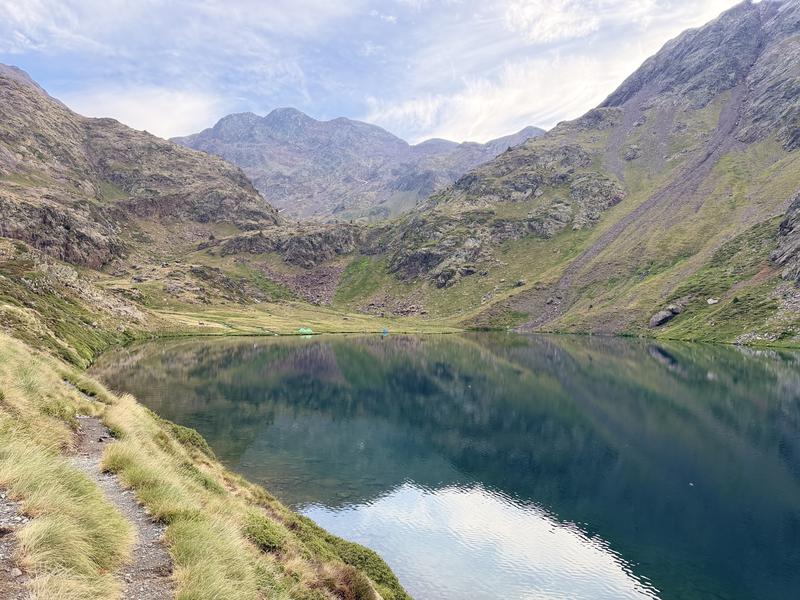

The Catalan government will restore the Sotllo scree slope, the most frequently used path to climb the Pica d'Estats mountain peak located within the High Pyrenees Natural Park.
This will be the highest-altitude construction project ever carried out in Catalonia.
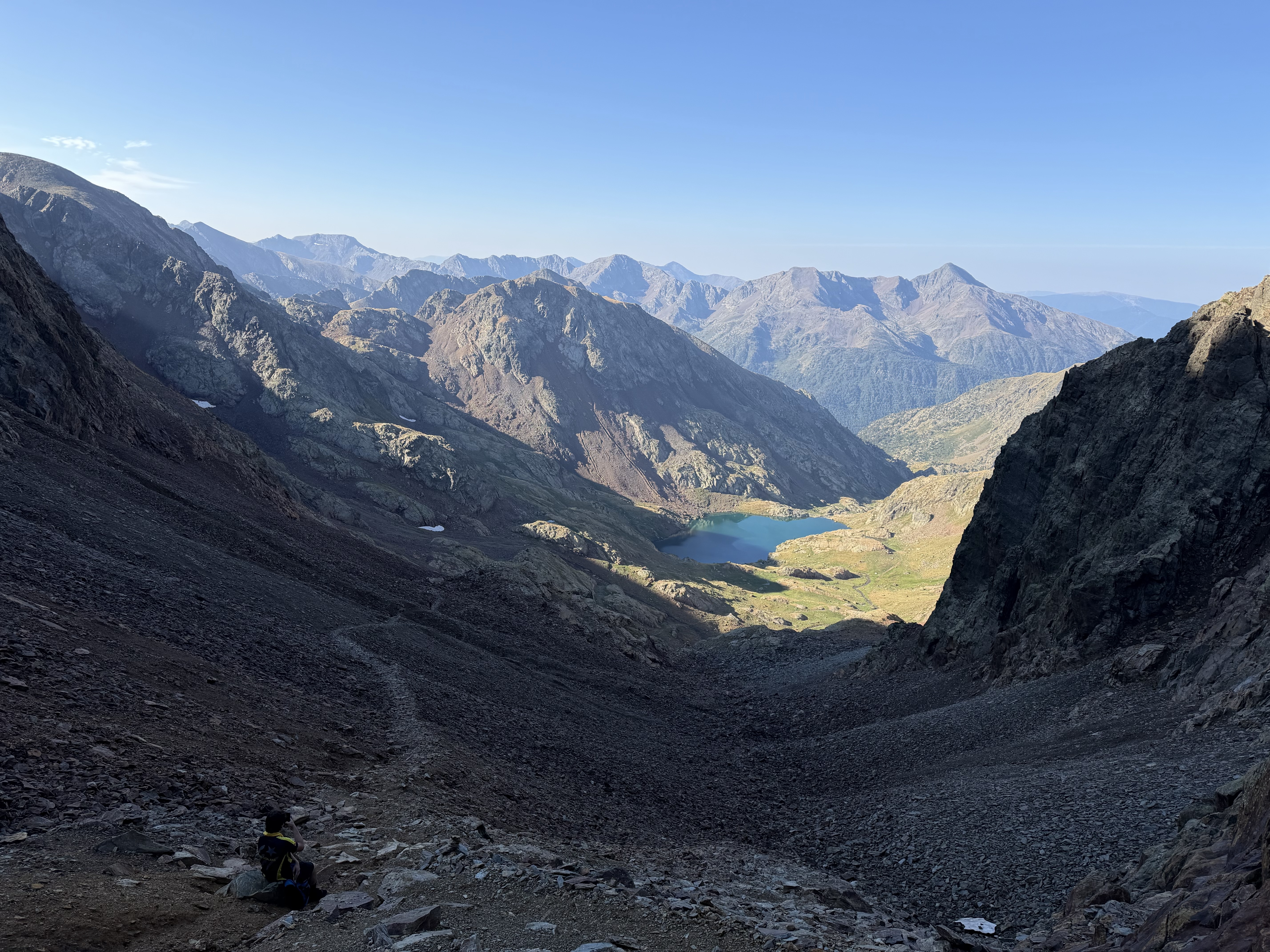
Work will take place along the trail connecting the Vallferrera mountain hut with the Sotllo Pass at 2,910 meters altitude.
The scree slope was damaged last summer by a severe storm. Since then, hikers have had to deviate from the original route, taking a steeper and less stable path.
Conservation efforts
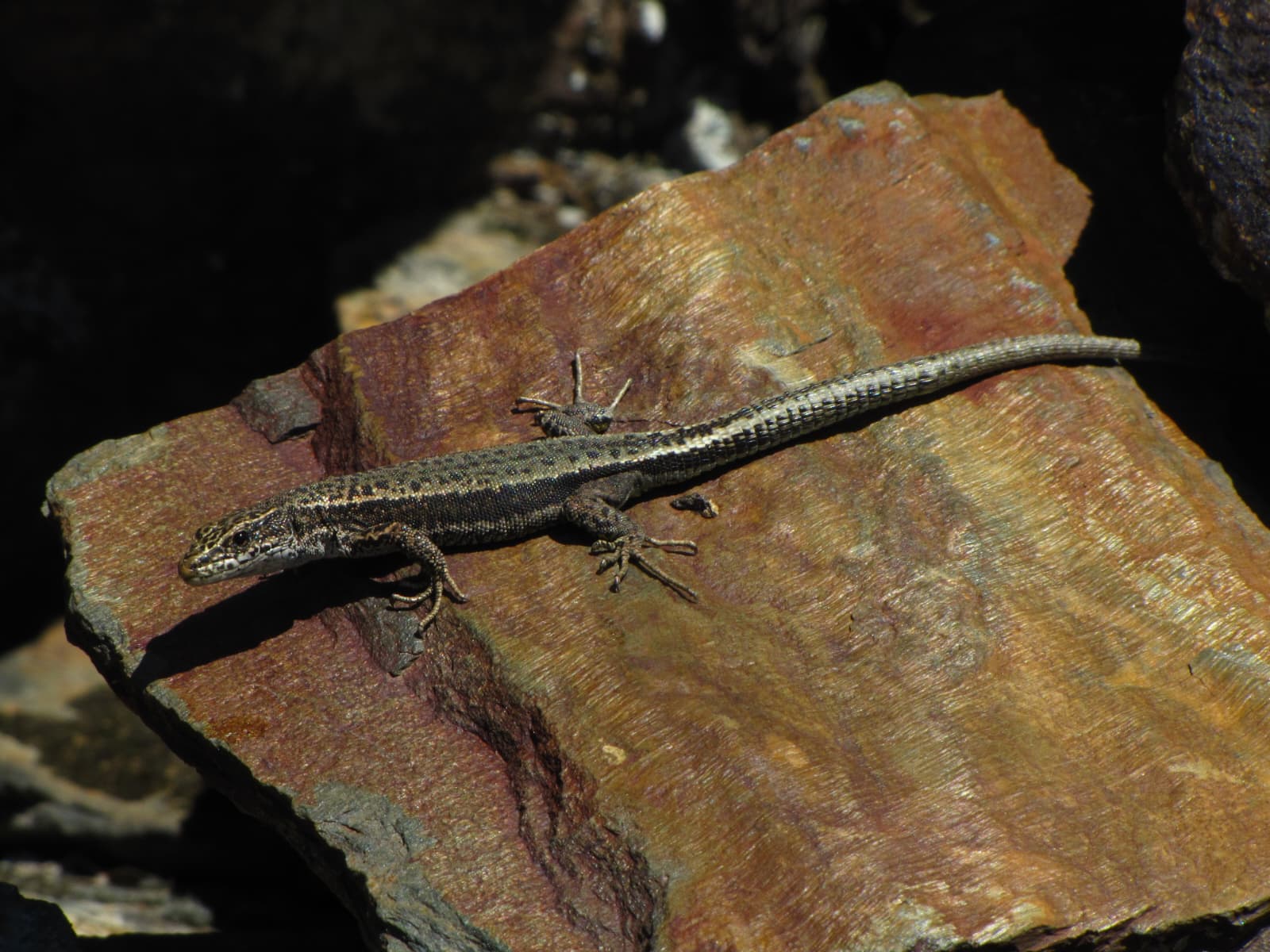
The park's director, Marc Garriga, explained to the Catalan News Agency that the project has a dual goal of improving safety as well as protecting the habitat of the Pallaresa lizard, an endangered species native to the Pyrenees that lives exclusively on high-mountain scree slopes like the one at Sotllo.
Other conservation efforts will be focused on the wetlands of Pla de Sotllo, high-mountain marshes classified as a priority habitat of European Union interest.
These areas support species such as carnivorous plants and sphagnum mosses and are extremely sensitive to trampling and soil compaction.
Managing use of trail
Another objective of the project is to better manage public use of the trail, which currently features numerous shortcuts created by hikers themselves.
As Garriga explained, the aim is to establish a single, well-marked main route to concentrate foot traffic and thereby reduce erosion caused.
Improving safety is also a key focus of the project, given that this is a high-mountain area where many accidents occur.
Wooden boardwalks will be installed, stabilizing sections of the trail and rerouting the path away from the most sensitive conservation areas. The boardwalks will move hikers as far as possible from the core habitat of the Pallaresa lizard.
New signage adapted for the visually impaired will also be installed.
Safety chains will be added to some rocky passages, and the steepest slopes will be made more manageable with dry-stone steps.
A dry toilet will also be installed at the Molinassa car park to address the current problem of uncontrolled defecation in the surrounding area.
HIghest altitude construction project
Given the remote location of the work site, at mostly altitudes above 2,000 meters, the project includes the setup of three temporary work camps.
The High Pyrenees Natural Park receives around 365,000 visitors annually, and the ascent of Pica d'Estats accounts for a significant portion of the visitors in the area.
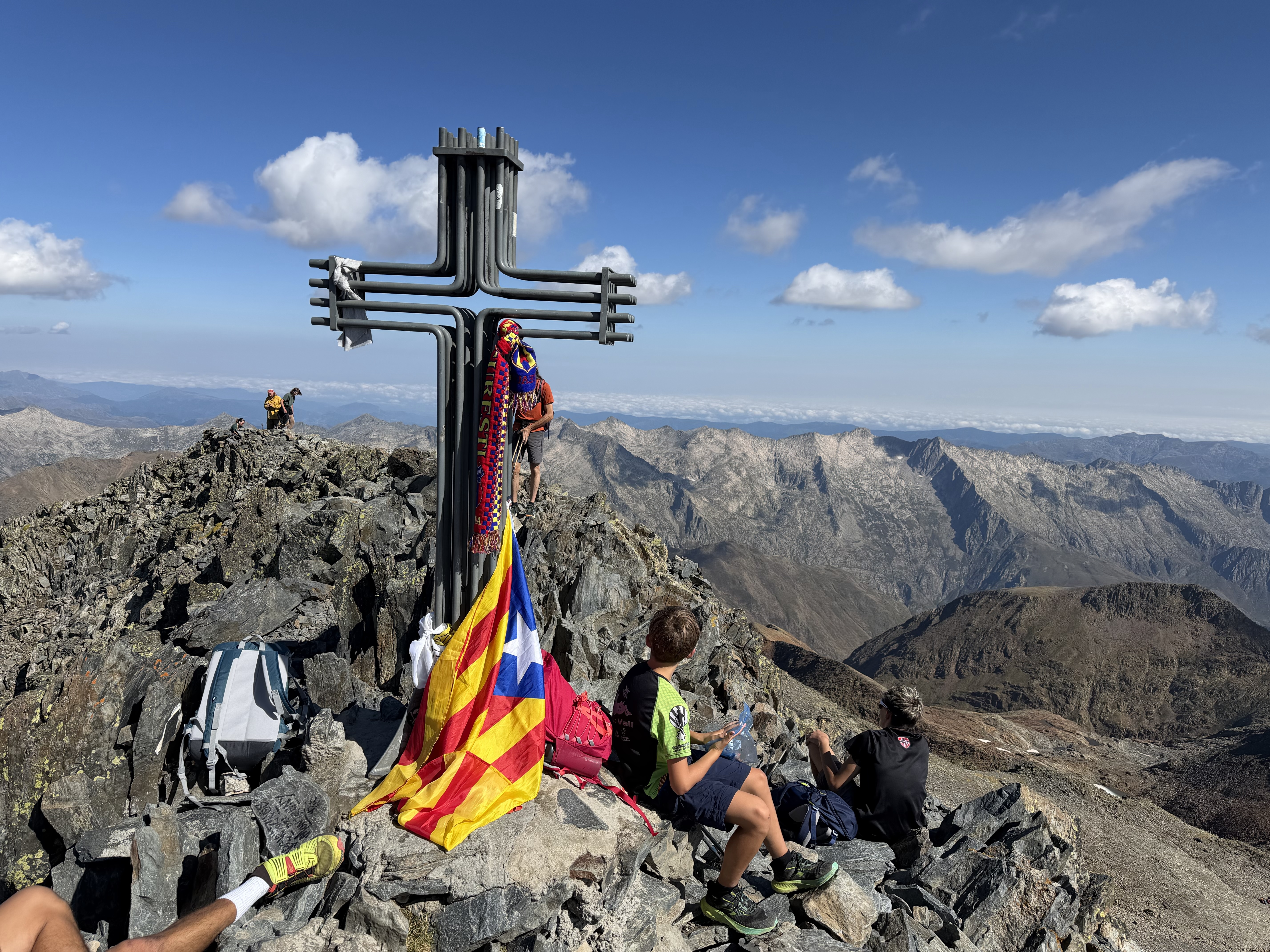
Garriga attributes this to the route's natural appeal, noting that its beauty "promotes itself." Due to the amount of people who visit, "this is where erosion is most prevalent, and our goal with this project is to mitigate an impact that is inevitably going to exist."
To manage this influx, the car park already has a reservation system at the four access points, which ensures "safe" and "comfortable" access.
Furthermore, while acknowledging that "parking reached capacity on quite a few days this summer," Garriga noted that they successfully prevented the area from becoming gridlocked, ensuring that emergency vehicles, among others, could still circulate.
The Natural Park is also considering creating two new bus lines departing from Llavorsí to connect with Àreu and Tavascan, linking up with the bus service for Aigüestortes i Estany de Sant Maurici National Park.