Catalonia Shepherd School trains next generation of young farmers
Access to farmland remains biggest barrier to generational renewal
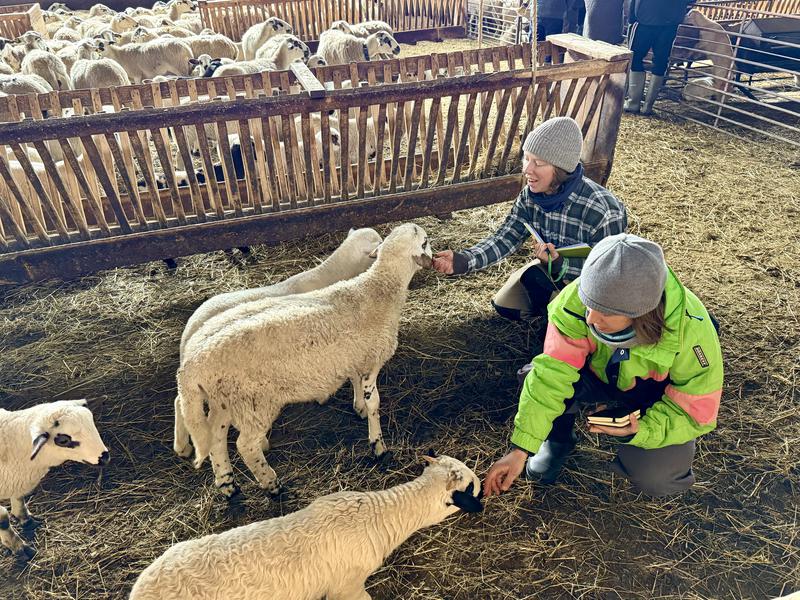

In the Catalan Pyrenees, a small rural school has spent the past 18 years training a new generation of shepherds and livestock farmers.
The Catalonia Shepherd School, based in the village of Enviny near Sort, has trained nearly 300 students to date.
Around 60% have gone on to work in the primary sector, either running their own farms or employed by others, according to the school.
Every year, demand for places outstrips supply. Twelve students have enrolled in the latest intake, drawn by hands-on training in livestock farming and land management.
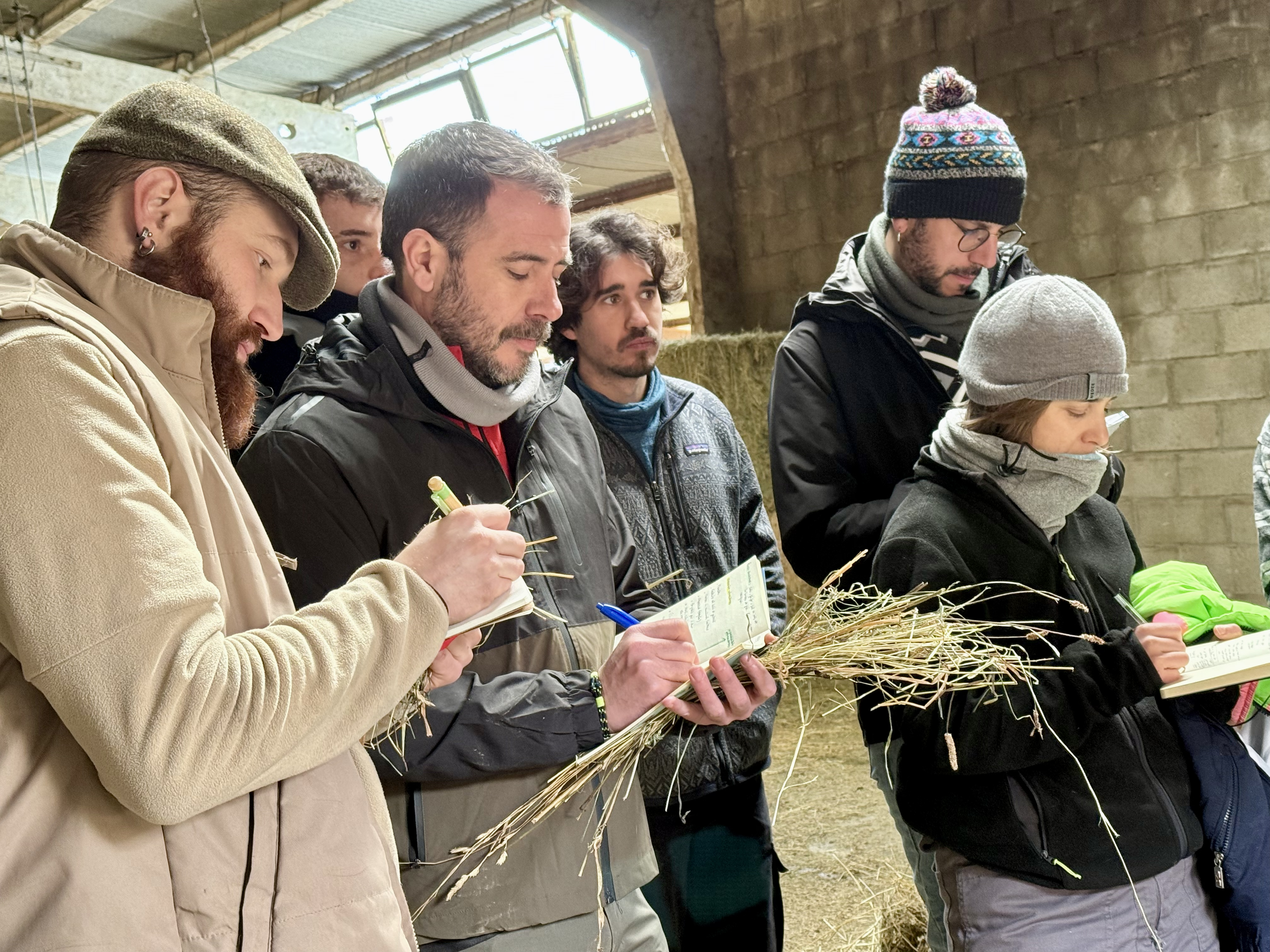
While early cohorts were almost exclusively male, enrolment is now evenly split between men and women.
Elsa Cabús moved from Barcelona with her parents to Fontdepou, Àger, in western Catalonia five years ago.
After doing a course at an agricultural school in Tremp, she did a placement at a goat farm that makes cheese.
"I discovered it was a real passion for me and something I really liked," she tells the Catalan News Agency (ACN).
For her, the Catalonia Shepherd School was the next logical step.
"Here it goes into more depth. They also talk a lot about the land, about regenerative methods. In the end, on the farm you learn how to milk, how to make cheese, but they don't explain how to take care of the land," she says.
"Coming to the Shepherd School is really about going deeper into what little I knew and to learn much more about everything I don't know."
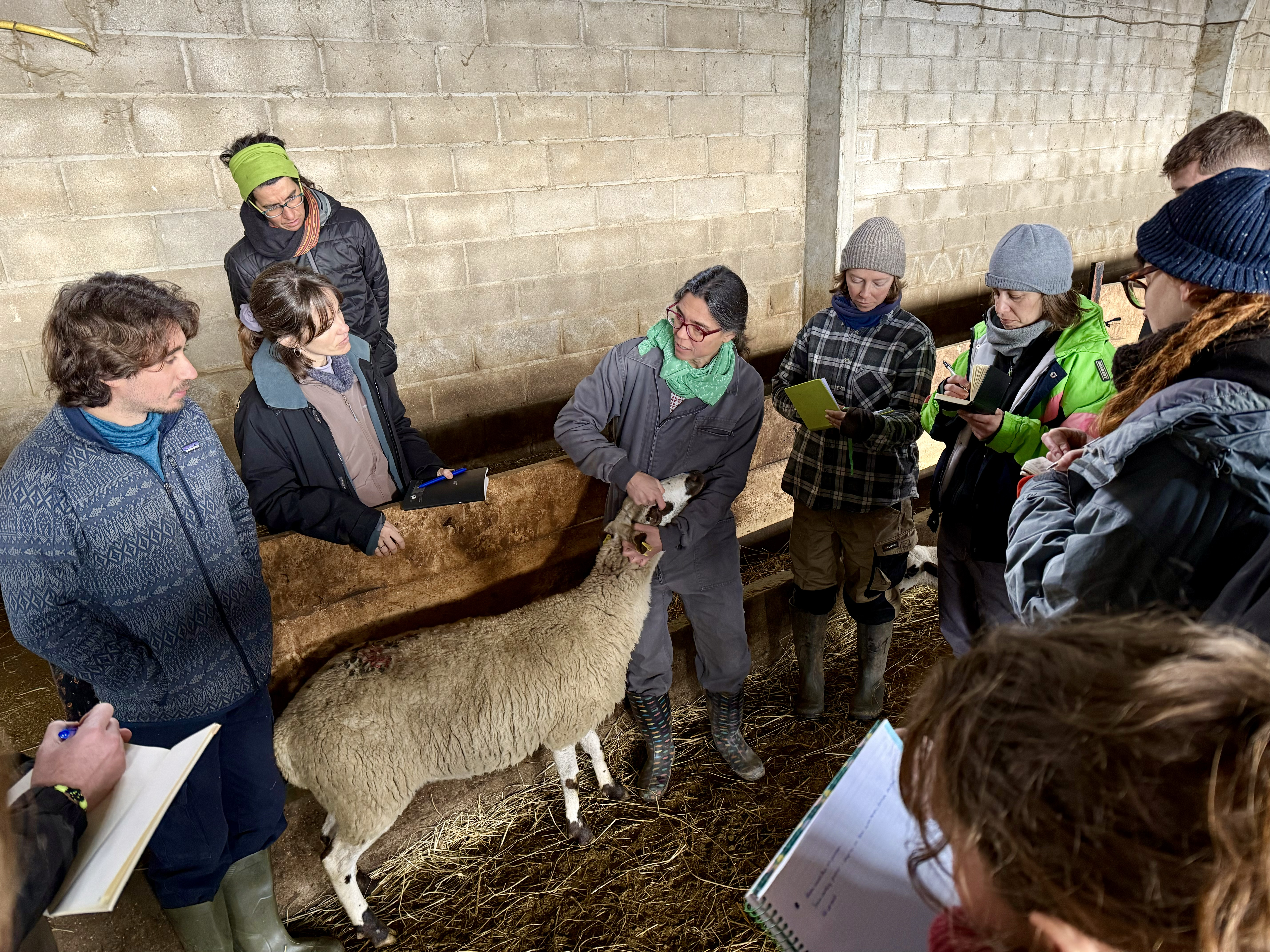
The school's programme combines classroom teaching with practical training on working farms. Students spend two months at the school in Enviny, beside a sheep farm used for practical lessons, before completing four months on placement elsewhere.
Generational renewal
Access to farmland remains the biggest challenge for the next generation.
Maria Díaz de Quijano works at Catalonia Shepherd School. "The primary sector is growing older," she says.
"Right now we have a lot of people who are either about to retire or who should have retired a while ago. This is an opportunity for our students."
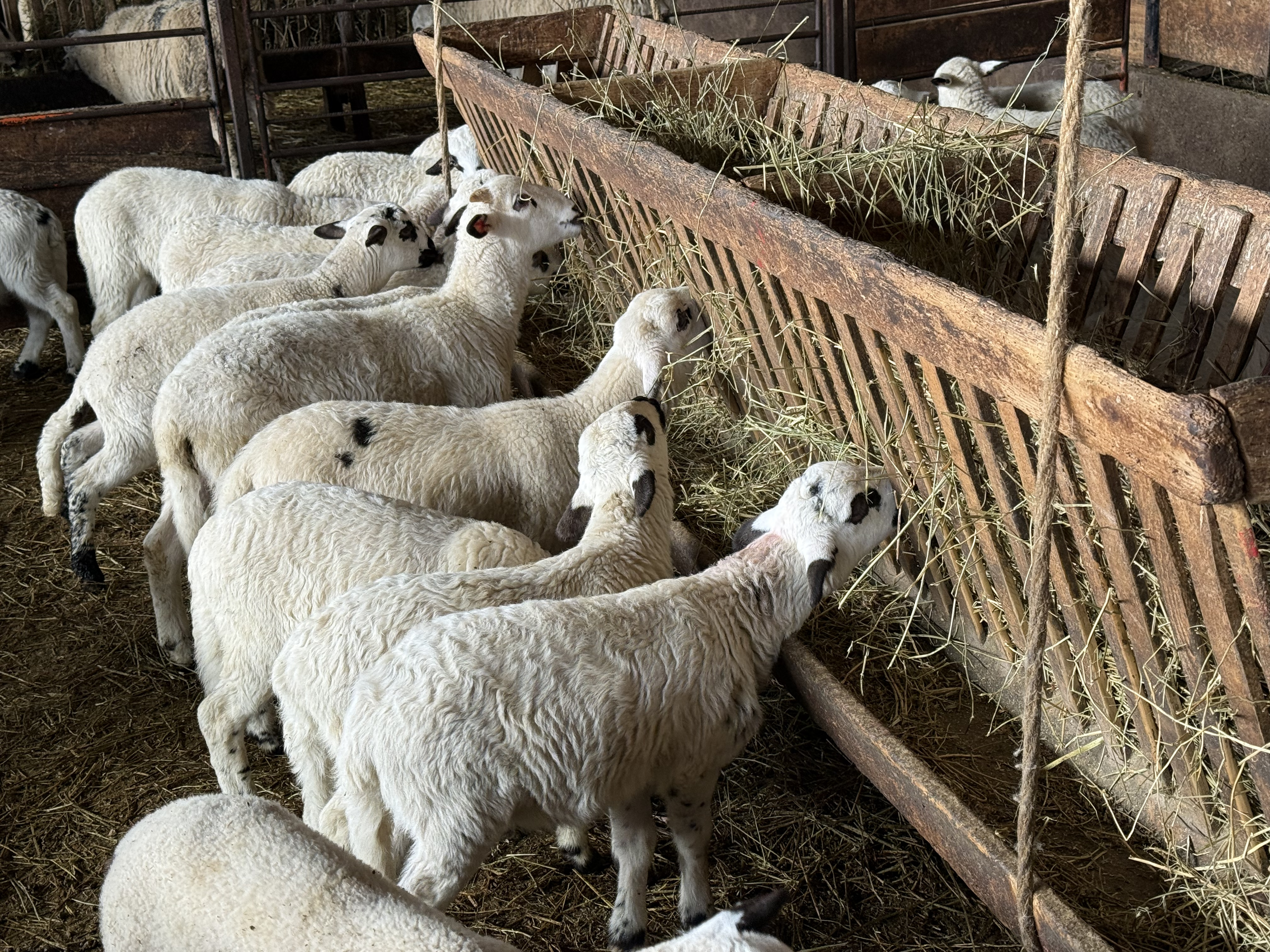
While most students come from Catalonia, recent cohorts have included participants from the Valencian region and the Balearic Islands, including Jaume Pardo.
"In Mallorca there isn't a training program or a school similar to the Shepherd School, and for some time I wanted to get to know, in a more respectful and closer way, the primary sector, livestock farming and agriculture," Jaume says.
The sector "needs young people," he adds, "who will apply everything new that we know in the 21st century, while taking into account everything that's been done before, and tradition."
Elsa hopes her training at the Shepherd School can help her turn a passion into a viable livelihood.
"The plan would be to set up a goat farm, mainly, which is what I like most," she says, " and maybe calves or beef cattle to generate more income that would allow me to make a living alongside the dairy goats."