Catalonia heading towards warmer, drier and less windy climate, report finds
2025 was the fourth consecutive year with average temperatures more than 2°C above pre-industrial levels
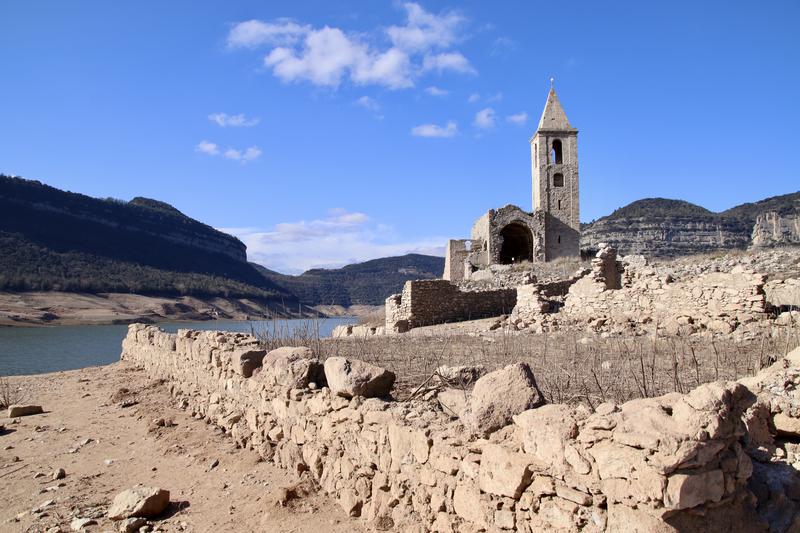

Catalonia is becoming warmer, drier and less windy, according to the latest Annual Climate Indicators Bulletin (BAIC) published by the Catalan Meteorological Service.
The report found that 2025 was the fourth consecutive year in which the average annual temperature exceeded pre-industrial levels (1850–1900) by more than 2°C.

Average temperatures were 2.1°C higher than those recorded in the mid-20th century.
For the first time, the bulletin analysed wind data from the past 27 years and found that average wind speeds have fallen by 4.9% per decade.
At 2.3 metres per second, 2025 was the least windy year in Catalonia since records began in 1998.
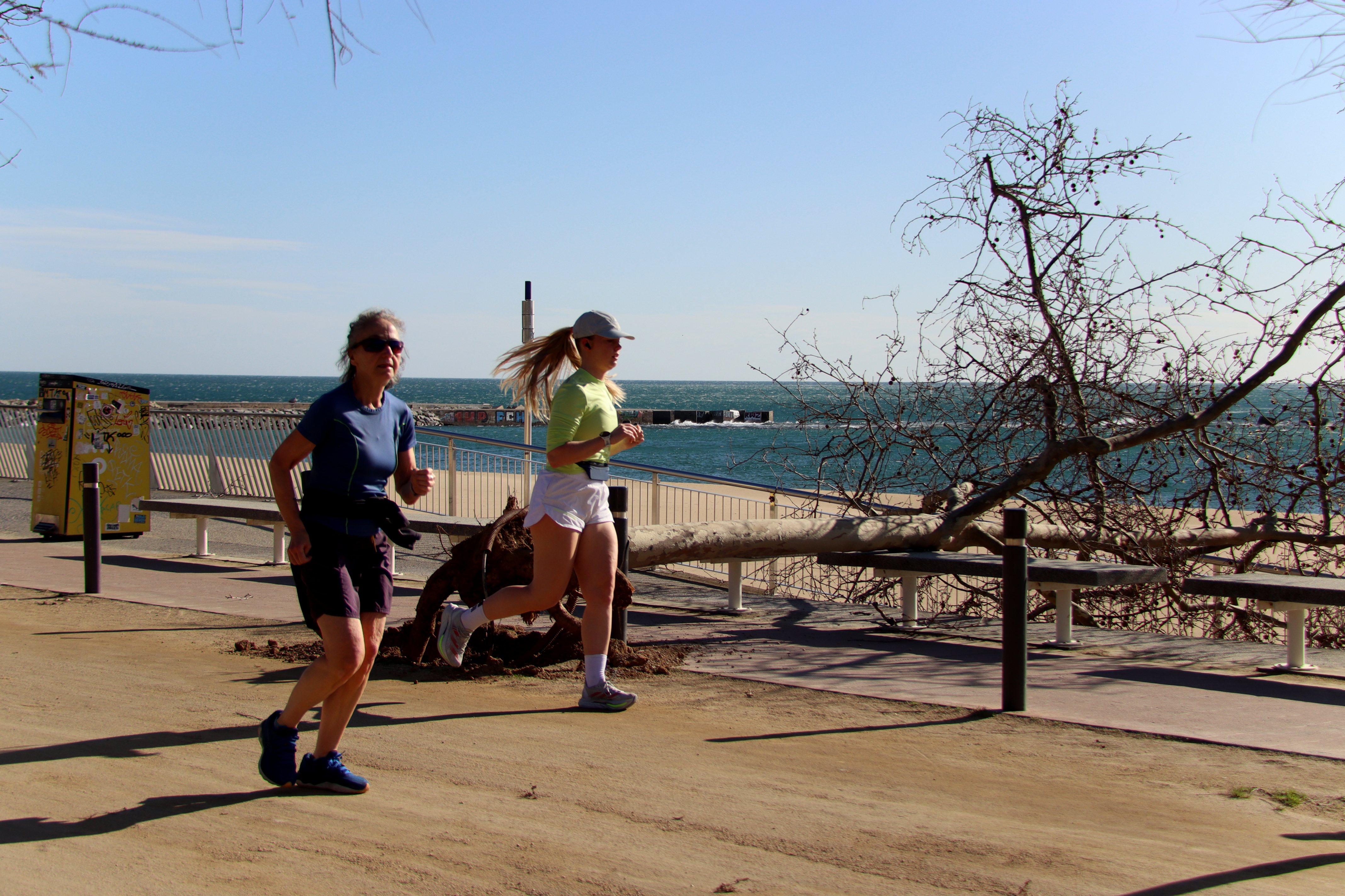
The rise in temperature has been particularly pronounced during the daytime. According to Jordi Cunillera, Meteocat's head of climate change, the number of hot days (days exceeding 30°C) has increased by between four and six per decade.
Sea surface temperatures have also risen sharply, with the annual average increasing by 1.8°C over the past five decades.
The warming trend recorded in Catalonia is broadly in line with that observed across Europe, but exceeds the global average.

Based on the average of the past five years, temperatures in Catalonia are now around 2°C higher than in the pre-industrial period, compared with 2.4°C across Europe and 1.4°C globally.
More tropical nights along the coast
Along the Catalan coast, there are now 39 more tropical nights per year than there were 76 years ago. Tropical nights are defined as nights when temperatures do not fall below 20°C.
The number of hot days (days exceeding 30°C) has also increased across the country since 1950, with 43 additional days per year recorded in southern Catalonia and 34 more in the north.
Rainfall declining, particularly in summer
Annual rainfall has generally decreased, although the clearest trend is a reduction in summer precipitation.
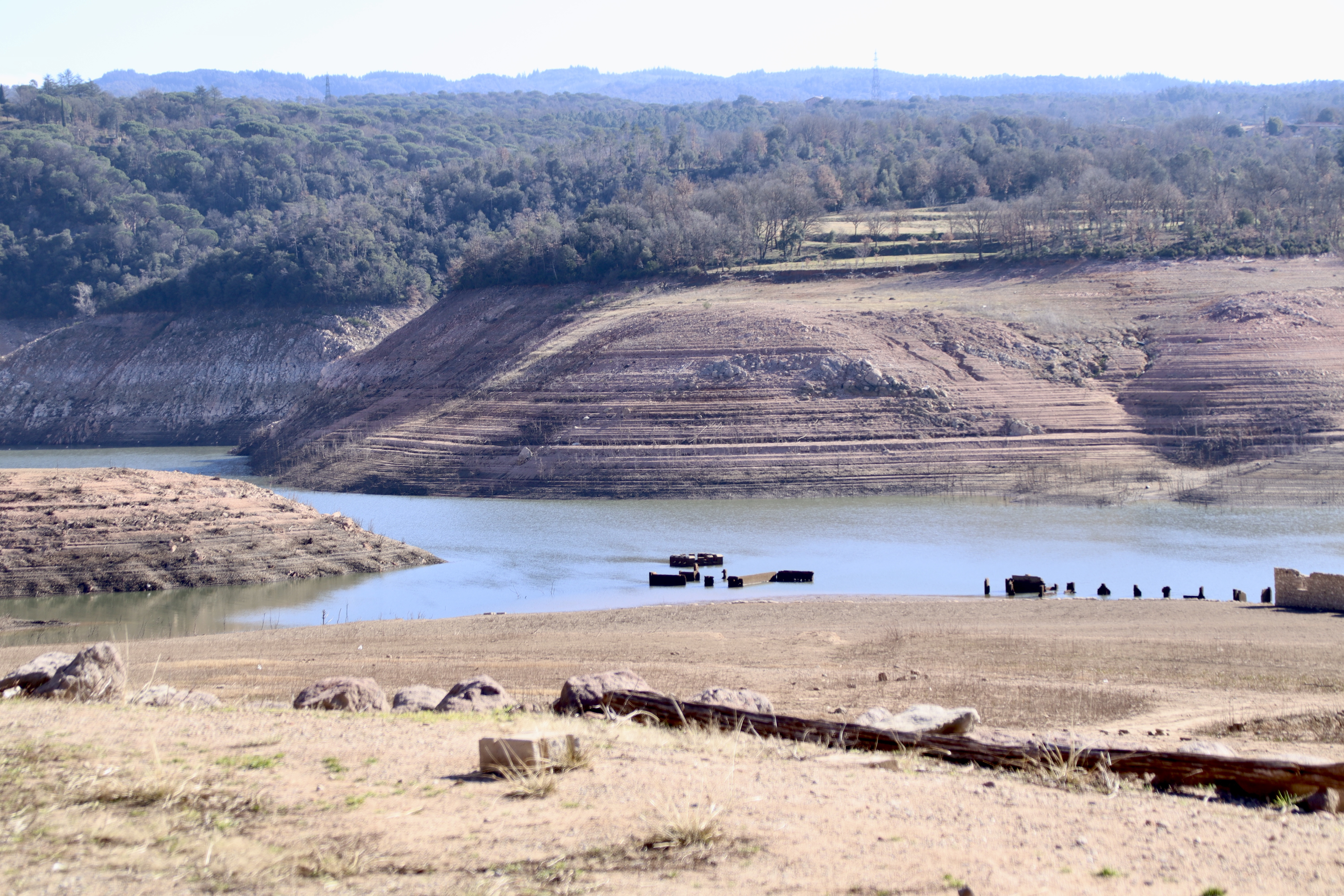
Summer rainfall has fallen by 4.4% per decade, equivalent to a 33% decline over the past 76 years.
After three notably dry years between 2021 and 2023, and a transitional year in 2024, when dry conditions gave way to wetter weather later in the year, 2025 was classified as wet or very wet across much of Catalonia.
Longer droughts, weaker winds
The bulletin also concludes that droughts have become longer and more intense in recent years, while wet periods are becoming shorter and less pronounced.
The number of days with very strong winds (above 72 km/h) and extremely strong winds (above 90 km/h) has also declined, particularly in the area north of the Cap de Creus, where between 25 and 28 fewer days of extremely strong winds are now recorded.
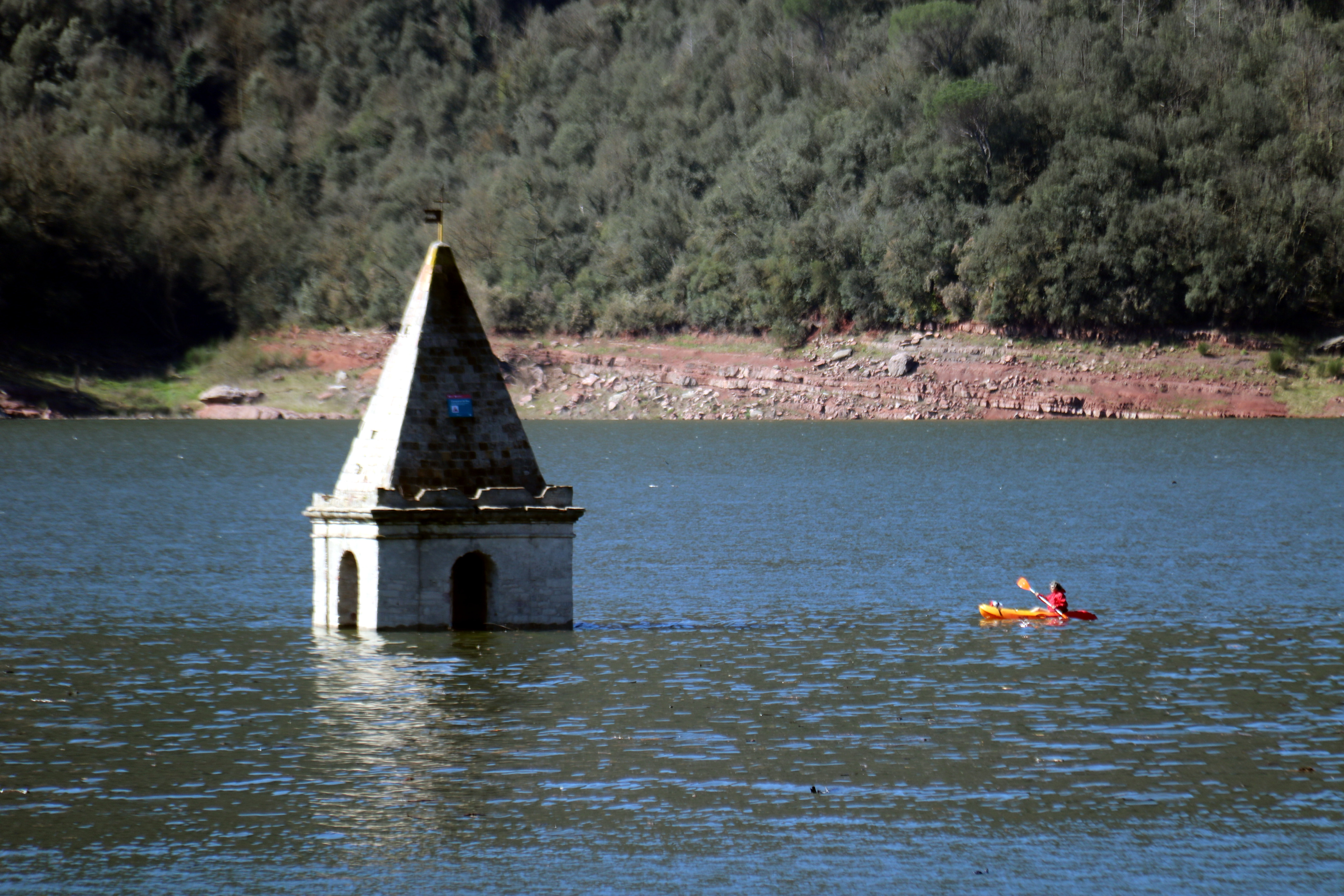
Marc Prohom, head of climatology at Meteocat, said the findings mirror trends identified elsewhere on the Iberian Peninsula and across Europe.
The phenomenon is known as "global stilling" – a long-term decline in near-surface wind speeds observed in many regions around the world.