Bellvitget Hospital performs Europe's first single-incision robotic kidney transplant
Patient says she regained 95% of her energy a month after surgery
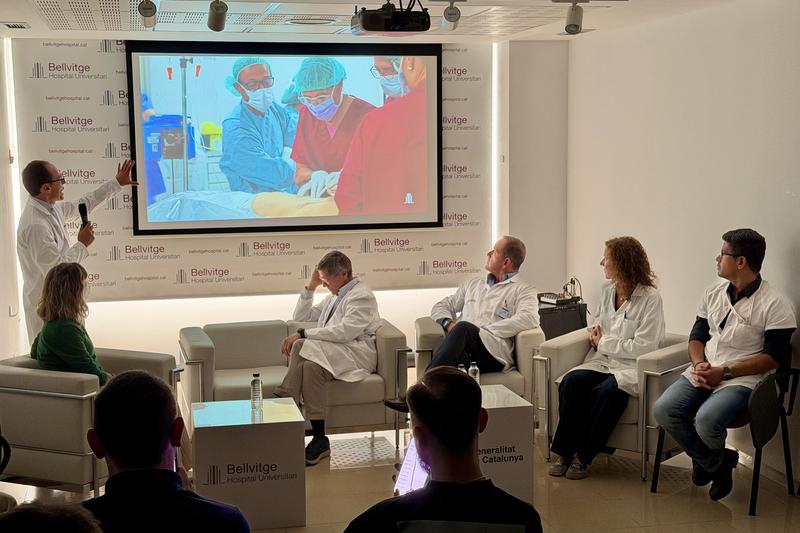

Bellvitge University Hospital in L'Hospitalet de Llobregat has performed the first living-donor kidney transplant in Europe using the Da Vinci SP (single-port) robotic system.
"This technique allows the entire procedure to be carried out through a single seven-centimeter incision, which facilitates a better recovery and reduces the need for painkillers," said Dr. Òscar Buisan, head of the urology department.
The patient, a 58-year-old woman with polycystic kidney and liver disease, received a kidney from her husband and said that one month after the surgery in September she has "regained 95% of her energy and mobility."
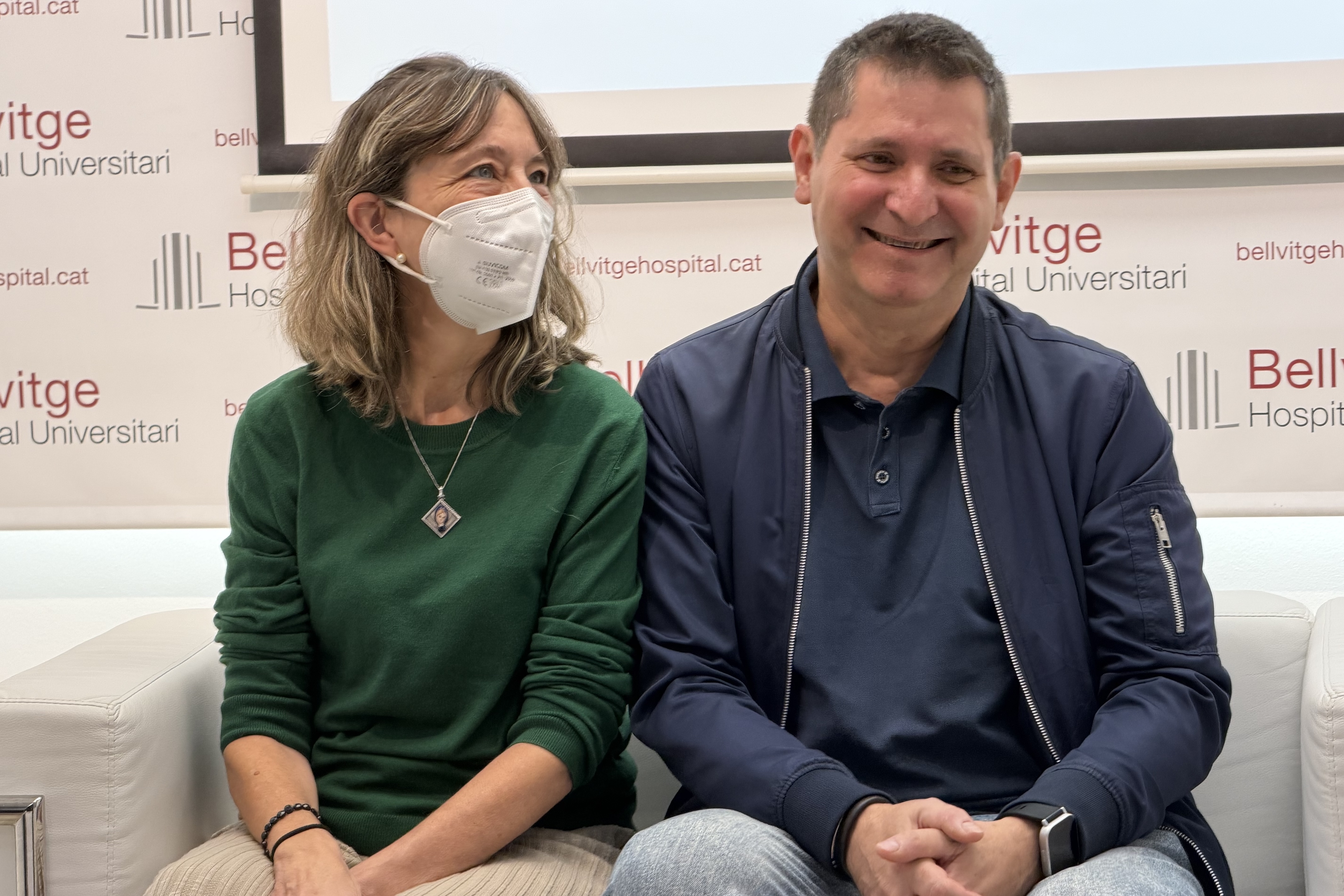
Bellvitge, a leader in Spain in robotic kidney transplants with 300 performed, took a further step by using a single-port Da Vinci robot. The robot replaces the standard multi-port setup, which typically requires three to five incisions for the robotic arms to get access.
The new robot offers the same precision and lets surgeons insert the kidney through the same seven-centimeter incision used in the standard procedure, which eliminates the extra incisions and wounds.
The patient, Sílvia, said that 10 years after her diagnosis with polycystic kidney and liver disease, doctors told her a transplant was her only option and that her husband could be the donor.
"I expected a very complicated post-operative period, but everything went surprisingly well," Sylvia said. "When I came out of the operating room, I saw that the incision was minimal, and I felt better by the minute," she said.
Although Sílvia felt more tired than usual in the weeks before surgery, she went into the operating room in good physical condition and came out in just as good a state.
One month later, she estimates her recovery in energy and mobility at 95% and says she is "free of any discomfort or pain."
Francesc Vigués, who led the operation, said procedures with a single-port robot are more complex than those with a multi-port system.
Given the positive results, though, the hospital will explore "new scenarios" so more patients can benefit. "We won't be able to use this technique for the most complex transplants, but there is a wide range of patients who can," he said.