Barcelona's Hospital Clínic treats 681 people for sexual violence in 2026, up 2.4%
Number of women assaulted by men they met on social media doubles
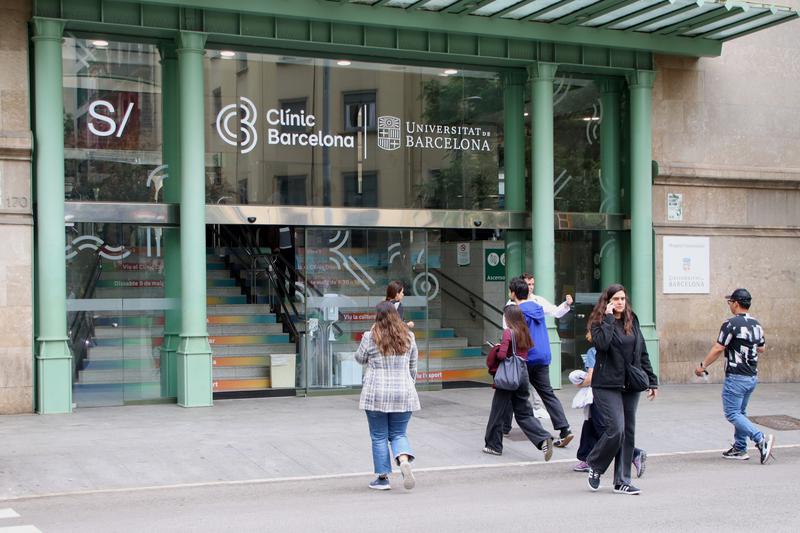

Hospital Clínic in Barcelona treated 681 people for sexual violence between the start of 2026 and October 31, a 2.4% increase on the same period last year.
That amounts to an average of 2.2 cases a day.
Most victims – 82.8% – were women, while four in 10 assaults involved victims aged between 16 and 25.
The figures were published by Hospital Clínic, which is a leading centre for the treatment of sexual assault, ahead of International Day for the Elimination of Violence Against Women on November 25.
More than half – 57.8% – of the women treated had been raped, while 7% of assaults involved more than one perpetrator.
The number of women assaulted by men they had met on social media doubled, from 21 last year to 41 in 2026.
Steady rise
The number of sexual assault cases treated at the hospital has risen steadily, increasing by 22.5% over the past five years.
Hospital Clínic director general Josep Maria Campistol described sexual violence as a "real tragedy" and a "scourge" on society, calling it "everyone's problem."
He urged collective responsibility and called for education and awareness-raising around respect from an early age.
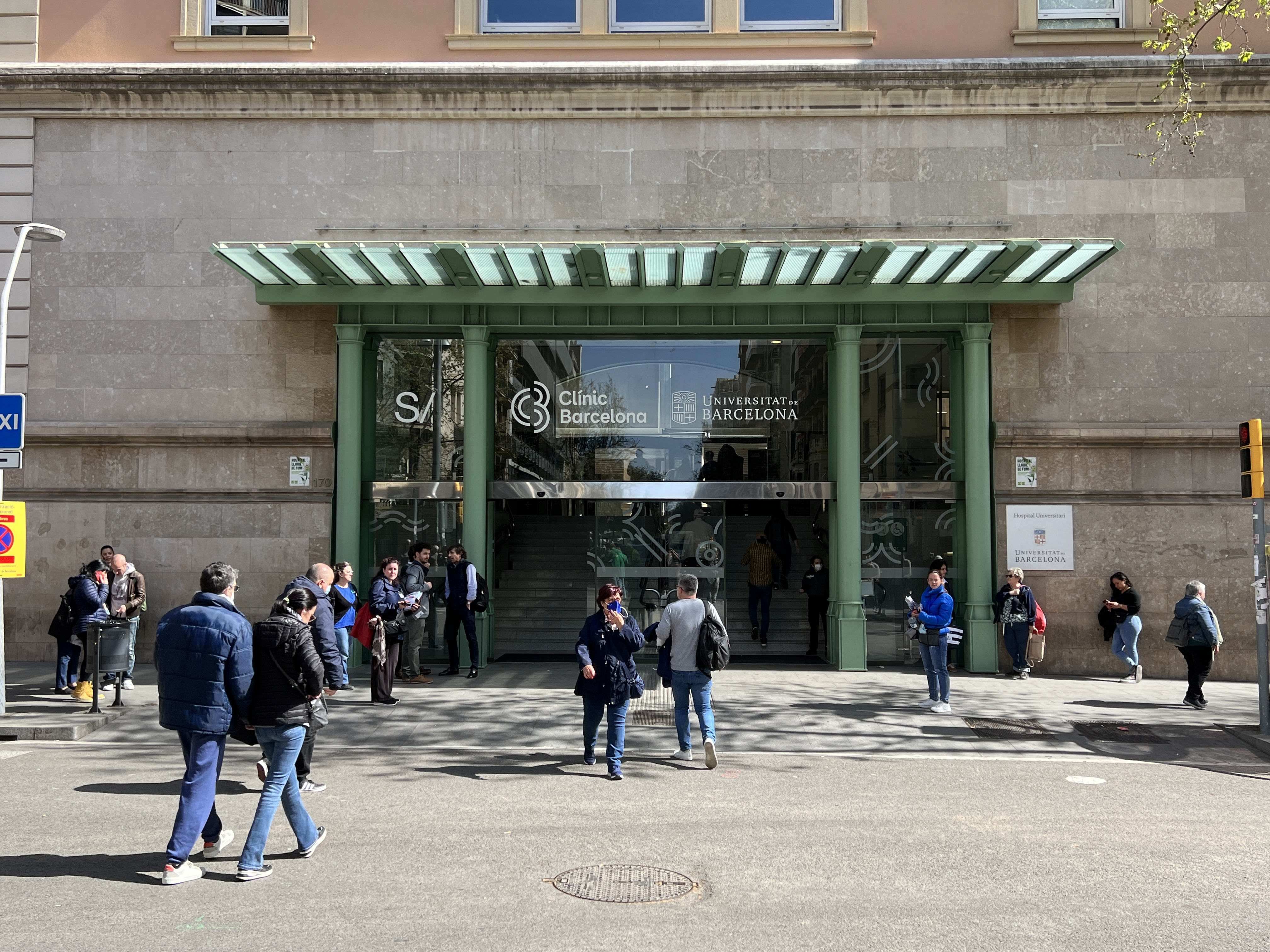
Of the 681 people treated in 2026, 70% were enrolled in follow-up programmes.
The vast majority of victims were women, 564, compared to 117 men.
Men were responsible for 99% of assaults.
Among female victims, 42.5% were aged between 18 and 25, while 7% were girls aged 16 or 17.
The youngest female victim was 16 and the oldest was 86.
Among men, the largest age group was 26 to 35, accounting for almost half of cases.
The hospital identifies homeless people as a particularly high-risk group, accounting for 5% of all victims.
Types of assault and perpetrators
Among women, 57.8% had been raped, involving vaginal, anal and/or oral penetration, while 28% could not remember what had happened.
Among male victims, 57.3% had experienced anal and/or oral penetration, while 35% had no recollection of the assault.
Multiple perpetrators were involved in 7% of assaults against women, including 11 cases involving three or more assailants.
Group assaults accounted for 10% of cases involving male victims.
Physical injuries, including blows, bruising and fractures, were recorded in 34% of female victims, with 47 cases classified as moderate or severe. Among men, 36.7% had physical injuries, eight of which were moderate or severe.
Among female victims, 39.5% were assaulted by a stranger, while 16.8% were attacked by someone they knew.
In a further 10% of cases, the perpetrator was a current or former partner, while another 7.1% involved a man the victim had met through social media.
Of the 41 women assaulted by men they had met online in 2026, 34 were raped.
Among male victims, 45.3% did not know their attacker, compared with 18.8% who did. In 7.7% of cases, the victim had met the perpetrator through social media.
When and where assaults take place
More than half of the assaults (52%) were reported to the hospital at weekends, while 42% of victims said they had been in a leisure or social setting before the attack.
In 61.6% of cases, victims sought medical attention within 24 hours of the assault, rising to 79% within 72 hours.
The hospital says this may indicate a shift in victims' priorities: whereas they previously tended to go to the police first, they now appear more likely to prioritise their physical and mental health.
"We think it is positive that patients come forward as soon as possible, although coming later is always better than not coming at all," said Àngels Martínez, a gynaecologist and chair of the hospital's Committee on Violence Against Women and Health.
She stressed that seeking care within the first 24 hours can help doctors detect possible drug-facilitated assault, provide preventive treatment for sexually transmitted infections and offer emergency contraception where there is a risk of pregnancy.
Half of all assaults against women took place in a home.
A further 11.3% occurred in public spaces and 5% in nightclubs or other nightlife venues.
Some 40% of women reported the assault to the police or said they intended to do so.
Alcohol consumption and suspected drug-facilitated assault
Some 63% of women said they had consumed alcohol in the six hours before the assault, compared with 59% of men.
The hospital also recorded 135 suspected cases of drug-facilitated sexual assault, most involving women, particularly those aged between 18 and 30.
Alcohol was the substance most frequently implicated, followed by cannabis, amphetamine derivatives and cocaine.
This year, the hospital expanded its toxicology testing in suspected cases of drug-facilitated assault to include benzodiazepines, sedatives and opioids. The new tests detected medication in 16% of suspected cases.