Barcelona families in emergency accommodation stay twice as long as five years ago
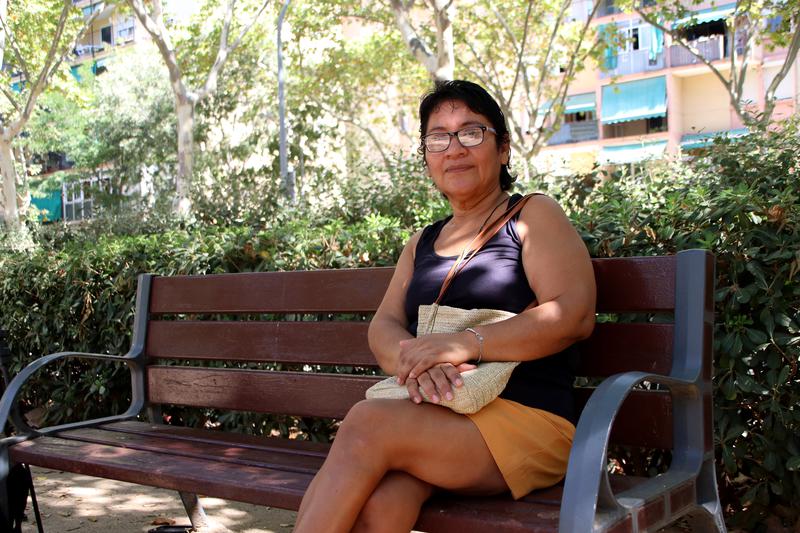
"I hope I can find a flat and move forward," says María, who has spent almost four years in emergency accommodation

Families living in emergency accommodation in Barcelona stayed an average of 202 days – more than six months – in 2025, almost twice as long as the average 103-day stay five years earlier.
The number of children housed in the system rose by 47.5% in the same period, according to data from the city council provided to the Catalan News Agency (ACN).
More than 76% of people in emergency accommodation such as hostels and guesthouses now stay for more than six months, while 5% stay for more than five years.
The number of people housed in emergency accommodation at some point during the year increased from 4,660 in 2020 to 5,886 in 2025, a rise of 26.3%.
The figure peaked at 6,654 in 2022.
More than half of admissions to emergency accommodation are linked to people losing the room where they were staying, according to the city council.
Temporary response becomes "basic service"
The system has capacity for around 3,000 people.
In May 2026, 3,279 people from 1,087 households were living in emergency accommodation.
Spending on emergency temporary accommodation has also risen, from €34 million in 2023 to €43 million in 2025.
Sònia Fuertes, Barcelona's commissioner for social action, said the figures reflect "all the difficulties" people face in accessing or keeping a home.
Emergency accommodation is primarily provided when people suddenly lose their housing, she told ACN, although social services also intervene before that happens to try to prevent homelessness.
Fuertes said the system was originally designed to provide a temporary response to emergencies such as the loss of a home, but in practice it has become a "basic service."
The figures, she said, point to an increasingly entrenched reliance on emergency accommodation, while Barcelona's social services are operating beyond their capacity because the housing crisis affects "very many families."
Number of children rises
The number of children in emergency accommodation rose from 1,705 in 2020 to 2,515 in 2025.
Children accounted for 42.7% of all people housed last year, compared with 36.6% in 2020.
Fuertes said the situation "is worrying and unfortunately, it is a recurring situation," as housing difficulties can be particularly acute for families with children.
"Losing one's home is always an emotional process that has a great impact on children," she added.
Four-year stay
For María Magdalena, 54, what was intended as a temporary solution has lasted almost four years.
She arrived in Barcelona from Peru in 2021 and began working as a carer.
Five months later, she was diagnosed with breast cancer and lost her job.
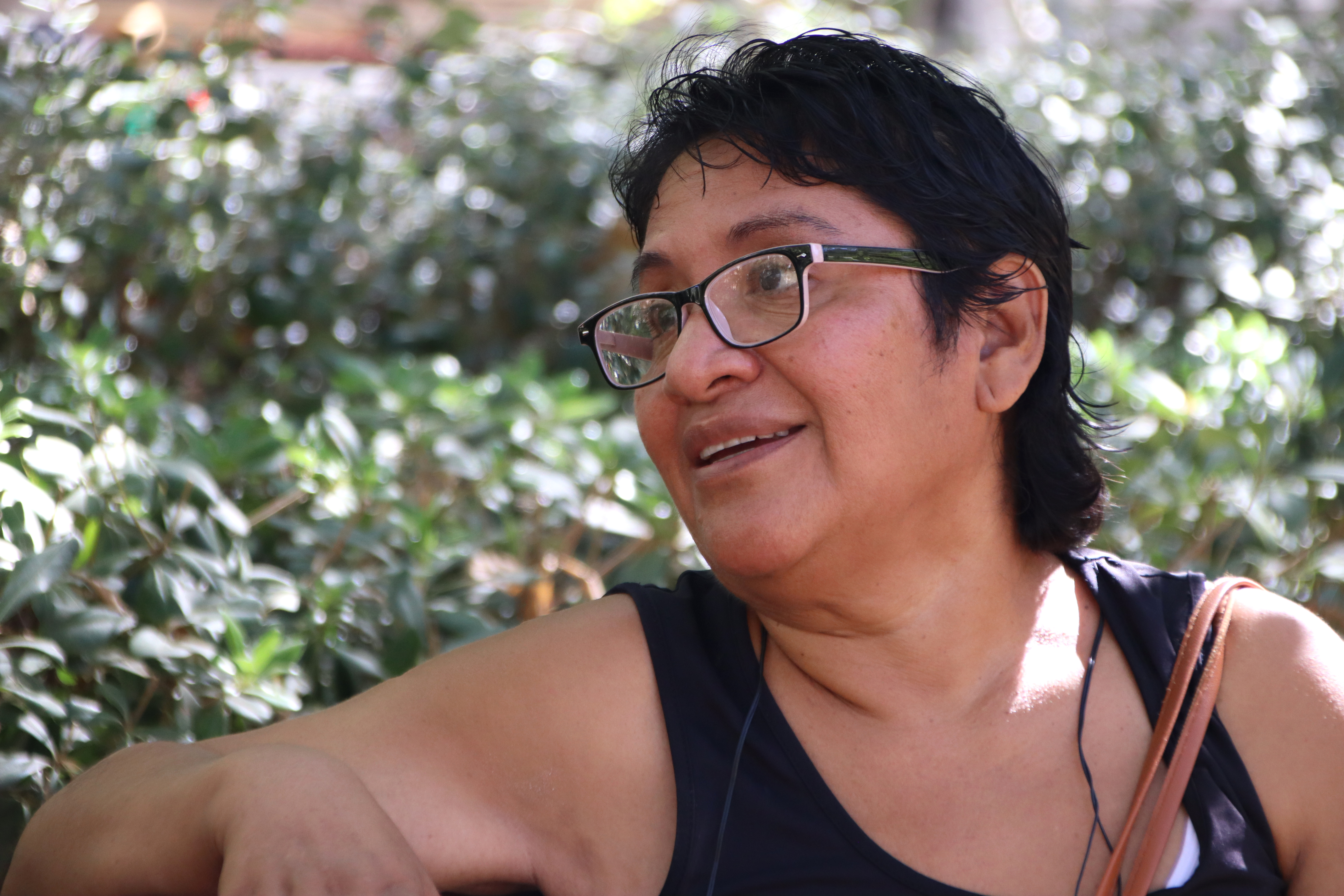
Through contacts of her eldest daughter, who had previously lived in Barcelona, she found a room in a flat in the city's Old Town.
She initially paid €150 for the first month, but later discovered that the flat was illegally occupied.
When an eviction notice arrived, the other women living there left. María had nowhere else to go and remained with her two younger daughters.
On November 10, 2022, while undergoing chemotherapy, María and her daughters Allison, 22, and Mishel, 16, were evicted.
"I was with my two daughters and I had been operated on a few days earlier," she recalled.
Because of her vulnerable situation, Barcelona's social services referred the family to a hostel in neighbouring Badalona. The three share a room and bathroom, while the kitchen is shared with other residents.
"I can't complain," María said, grateful to have somewhere to sleep, eat, shower and keep her belongings.
But she acknowledged that the space can sometimes be "small", causing tension and stress, and that they miss having more privacy.
María is still looking for a home of her own. She is not currently working because her cancer treatment prevents her from doing so, but hopes to recover and find a job.
"I don't know what would have become of me if they hadn't supported me up to now. At least I have a roof over my head," she said.
"This is what we have to go through, but I hope I can find a flat and move forward."