Audit finds research center suspected of lab leak meets safety standards for African swine fever
Catalan agriculture minister says there is 'no evidence' pointing to the IRTA-CReSA lab as the source of the outbreak
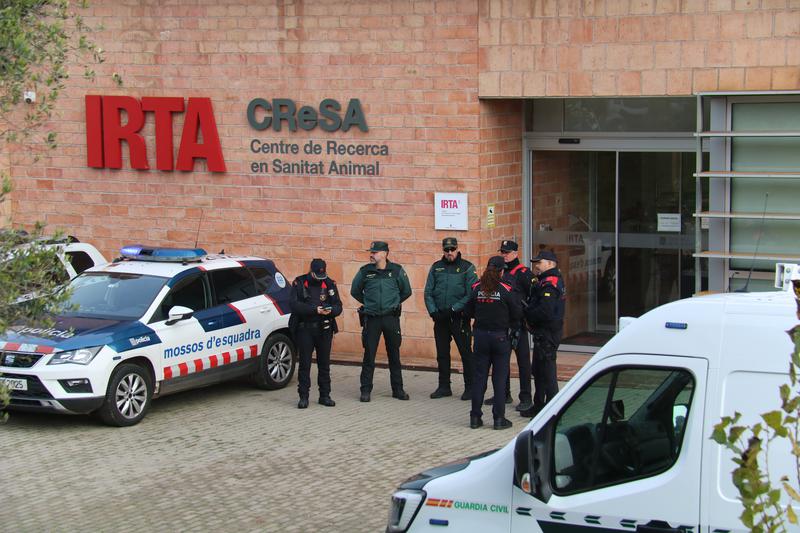

The IRTA-CReSA research center, the only facility working with African swine fever in Catalonia, meets safety standards to handle the virus, an external audit has concluded.
The results of the investigation were announced on Monday by Catalan agriculture minister Òscar Ordeig, who said there was "no evidence" pointing to the lab as the source of the outbreak that began in Catalonia in November.
The external audit, conducted by Catalan, Spanish, and European experts, was ordered after virus sequencing from infected wild boars identified a strain originating from Georgia in 2007, one typically used in laboratory research.
IRTA-CReSA is the only laboratory in Catalonia working with this virus, which does not affect humans, and its headquarters are located less than one kilometer from where the first infected wild boar was detected.
"The facilities are adequate and secure to work safely with the African swine fever virus," Ordeig said. "The audit validates biosecurity systems, internal management, personnel training, access controls, and waste management."
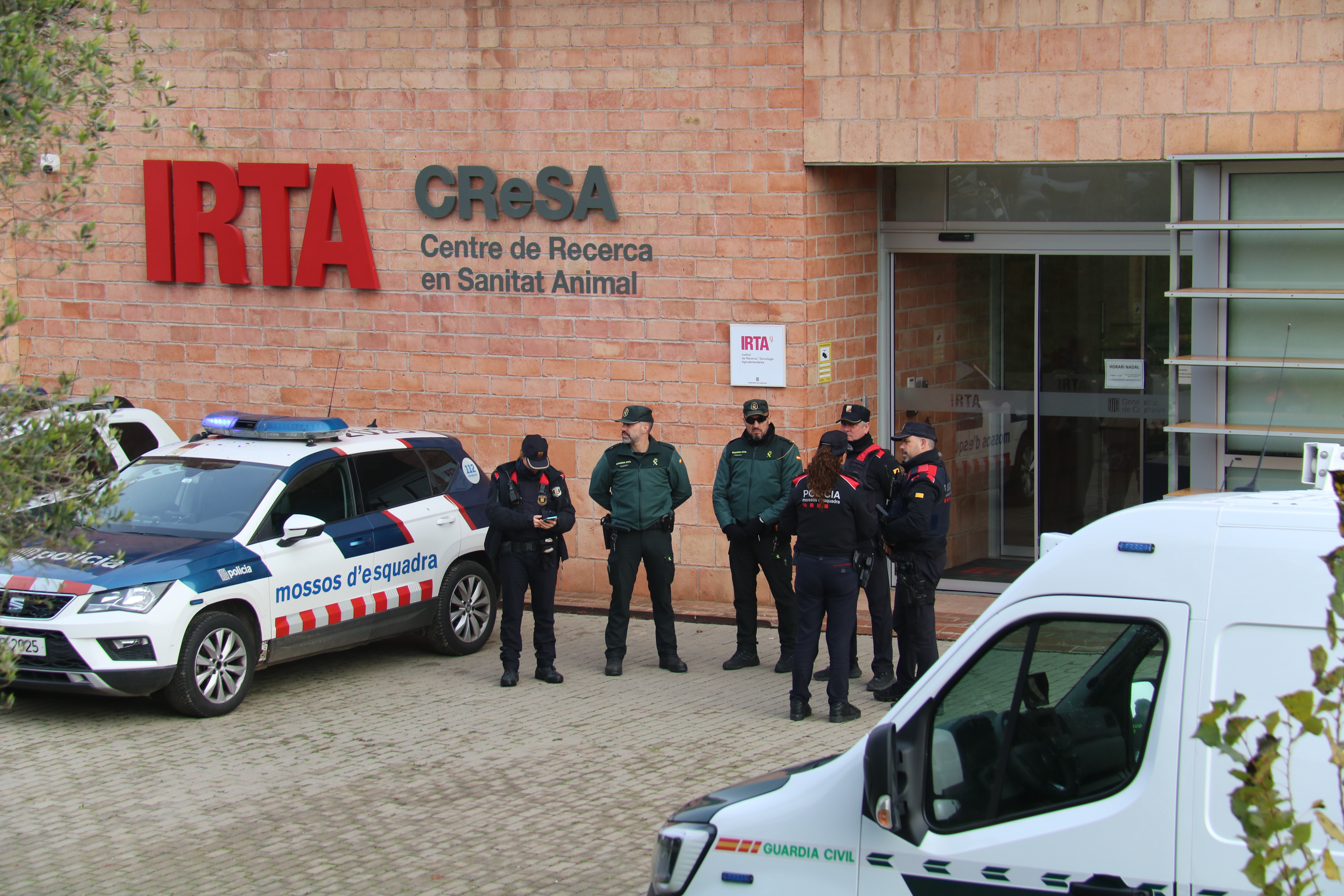
However, the minister stressed that "definitive proof" will come from genetic comparisons between the virus found in affected animals and the strain used at the research center.
"If they do not coincide, this hypothesis will be automatically ruled out," he said. "One thing is sequencing, and another is auditing whether there has been any failure in biosecurity or procedures."
Ordeig called for "prudence and responsibility" and urged that scientists be allowed to carry out their work, stressing that results will be released "immediately" once available.
One of the external experts who participated in the audit, Dr. Gonzalo Pascual, said that safety measures at the center are "strict and precise," making it "unlikely" that the virus was released from the laboratory, whether intentionally or not.
However, he said the hypothesis cannot be completely ruled out, as there could have been a "human error."
So far, 27 infected wild boars have been detected, the latest this weekend in Sant Cugat del Vallès, within the initial six-kilometer radius of the first cases.
This means the spread of the virus remains confined to the first containment zone, one of the main priorities in controlling the outbreak, and no domestic pigs have been infected to date.