AI use sees demand for data centers soar, testing electricity grid
Sector sees Barcelona as hub for connectivity, while environmentalists warn of "energy gentrification"
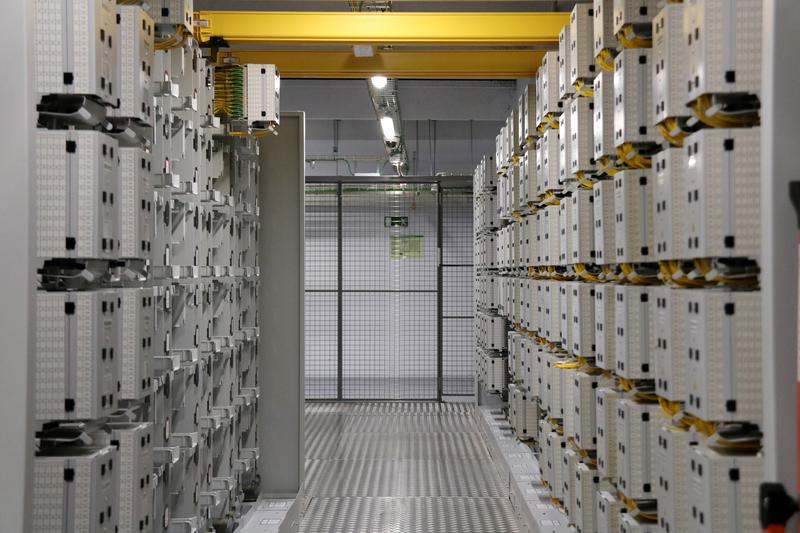

The emergence of artificial intelligence has seen demand for data centers soar.
Data centers are large infrastructures that house the servers that make a large part of everyday digital services possible. The Catalan government has identified 26 potential data center projects to promote.
The sector believes that Barcelona meets the conditions to consolidate itself as one of the main hubs in southern Europe for data centers, but warns that the main obstacle to its development is the availability of energy, as data centers are highly energy dependent.
At the same time, environmental organizations warn that the high electricity consumption of these facilities could compromise other uses.
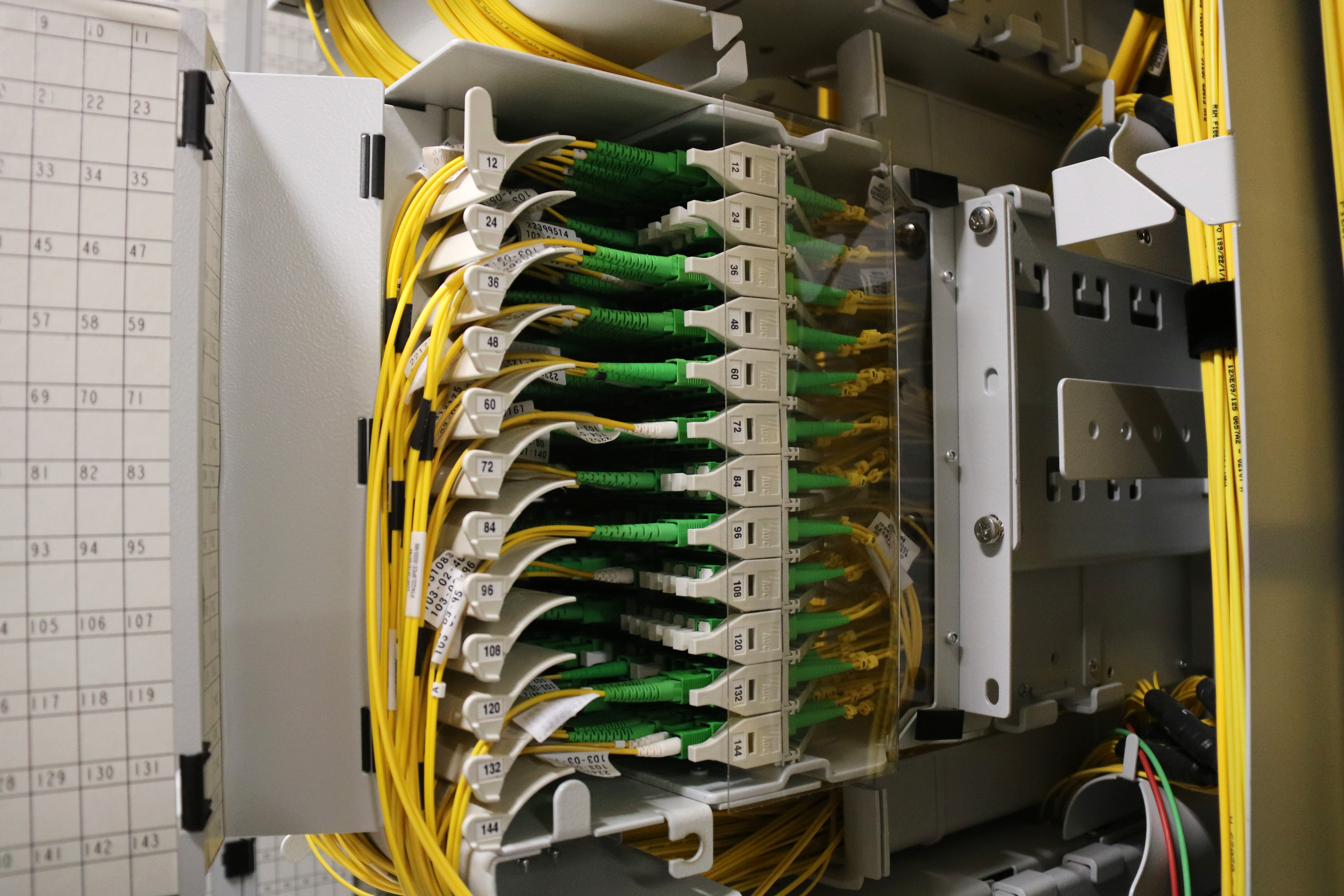
Data centers support everyday services such as banking operations, social networks, or digital medical records. However, with the emergence of artificial intelligence (AI), these infrastructures have also started to power the models that train new algorithms, which has multiplied the calculation and energy needs.
This is explained to the Catalan News Agency by Vladimir Estivill, professor of the Engineering Department at Pompeu Fabra University (UPF), who assures that this new scenario poses a "moral dilemma" between digital sovereignty or environmental impact.
In this sense, he argues that hosting data centers locally makes it easier for it to be subject to European legislation and makes it harder for foreign governments to access it. Otherwise, he believes that there is a risk that someone outside could come to know critical information.
One of the companies that has chosen to build data centers in Catalonia is the multinational Equinix, which specializes in the construction and operation of this type of infrastructure. The company has around 10,000 customers worldwide, 300 of which are in Spain, and operates eight data centers in Spain, two of which are in Catalonia (Zona Franca and l'Hospitalet).
On the other hand, ecologists read the situation very differently. Activist and doctor in physics, Agustí Emperador, points out that data centers, especially those used to power artificial intelligence, have a "very high" energy consumption that is "very disruptive" to the environment.
The expert maintains that these buildings consume an amount of electricity that does not correspond to the return they provide to the territory.
Emperador offes the example of the future Flix data center, which "will consume the same amount of energy as the Seat factory in Martorell," although the data center "will employ 150 people" and the automobile plant "has more than 10,000 people working there, with the same electricity consumption."
The activist warns that this high energy demand can "monopolize all the electricity" available in an area and prevent the establishment of new industries, a phenomenon he defines as "energy gentrification".