8 in 10 Catalan teachers say hate speech is rising in classrooms
Study of 872 teachers finds sexism and racism are the most common forms


Nearly 8 in 10 teachers in Catalonia (78.7%) say hate speech is increasing in classrooms, and nearly 6 in 10 (58.4%) have seen students glorify fascism.
That is according to a study by the Neus Català Foundation and Mediam, based on 872 surveys of teachers, from primary school to vocational training, between February and April.
The two organizations published a guide called 'How to Address Hate Speech in the Classroom' (Com abordar els discursos d'odi a l'aula), meant as a "practical tool" for teachers.
"Hate speech has entered the classroom without asking for permission," its authors write. It includes examples of comments heard in schools, such as, "I respect gay people, but it disgusts me to see them kissing."
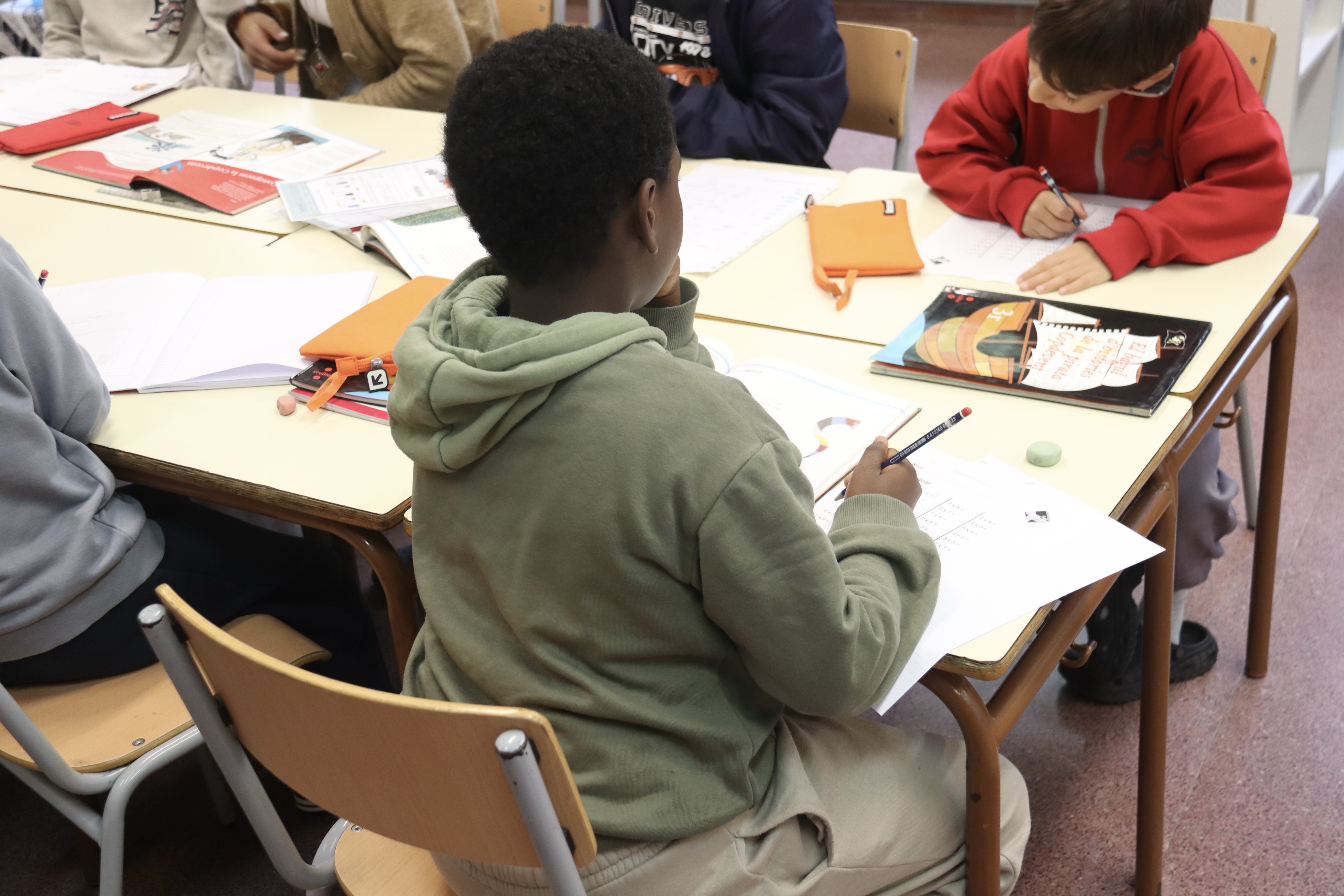
Sexism (83.6%) and racism (76.6%) are the most common forms of hate speech, the survey found. Only three teachers in the whole sample thought it had decreased in recent school years. Social media plays a significant role in spreading these ideas, according to 70.9%.
The survey also points to how isolated teachers are. Only 6.7% said they get real support from families for "coordinated intervention."
86.8% back a ban on mobile phones in schools, but 77.8% say a ban is "insufficient" unless it comes with digital education and mediation.
Asked what they need, teachers called for "critical thinking, media literacy, democratic memory, engagement with families, and, above all, time, resources, and training."
The guide does not claim to offer fixed formulas or tell teachers what to think. Rather, it proposes a "shift in perspective," treating conflict as "educational raw material" and not something to be resolved as quickly as possible.
Its premise is that "anti-fascism is not taught through a rigid, pre-packaged discourse, rather, it is fostered by how teachers navigate difficult conversations and guide students to think for themselves."
The guide is about 60 pages in 16 chapters. It covers how to recognize hate speech, how to respond "without losing the group," and how to ask questions without steering the conversation.
It also has dos and don'ts for hateful comments, activities to encourage dialogue, advice for each school stage, ways for the teaching staff to respond together, guidance for working with families, a glossary and self-assessment tools.
The Neus Català Foundation and Mediam will present the guide at 6 pm Thursday at the Espai Berta Cáceres, run by Lafede.cat, in Barcelona.