With more frequent drought on horizon, Catalonia and California pledge cooperation in water research
Collaboration promotes mobility of researchers between research centers and innovation in sustainabilit
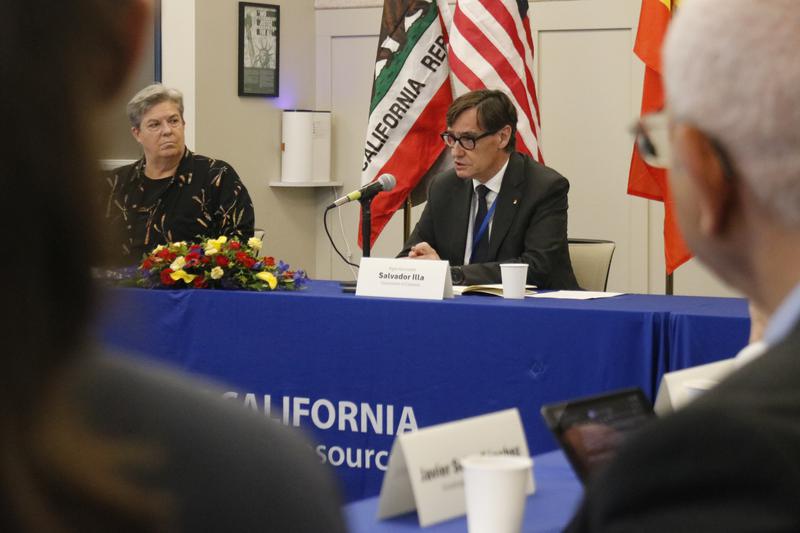

The Catalan Institute for Water Research (ICRA) and the California Institute for Water Resources have signed a collaboration agreement aimed at addressing the impact of climate change and droughts, two elements that are increasingly frequent in both territories.
This agreement will promote scientific cooperation in research, innovation, and technological development related to sustainable water management, and to promote the movement of researchers between both two centres.
The two institutions sealed their cooperation arangement with Catalan president Salvador Illa present in California, while ICRA researchers visited the University of California.
One of the central aspects of the collaboration deal will be the exchange of knowledge and experiences, which will allow them to share how the two territories approach water management in extreme climatic conditions.
Additionally, a Catalonia-California seminar on water management is planned to be held in California in November 2026.
Afterwards, Illa and the ministers for foreign affairs and research accompanying him, Jaume Duch and Núria Montserrat respectively, went to the Codorniu wineries in Napal, an area very dedicated to vineyards and wine production. There they got to know first-hand the facilities and the business that the Catalan brand does in California.
On the same trip to the west coast American state, Salvador Illa visited Silicon Valley. There, he met with managers and employees of technology companies and Catalans who work there, as well as students from Stanford University.
The president also accompanied the signing of two agreements of the Barcelona Supercomputing Centre (BSC) with two of the leading technology companies in Silicon Valley, NVIDIA and Supermicro.
Meeting with Senate president and Lieutenant Governor
During the trip, Illa has strengthened the institutional relationship between Catalonia and California.
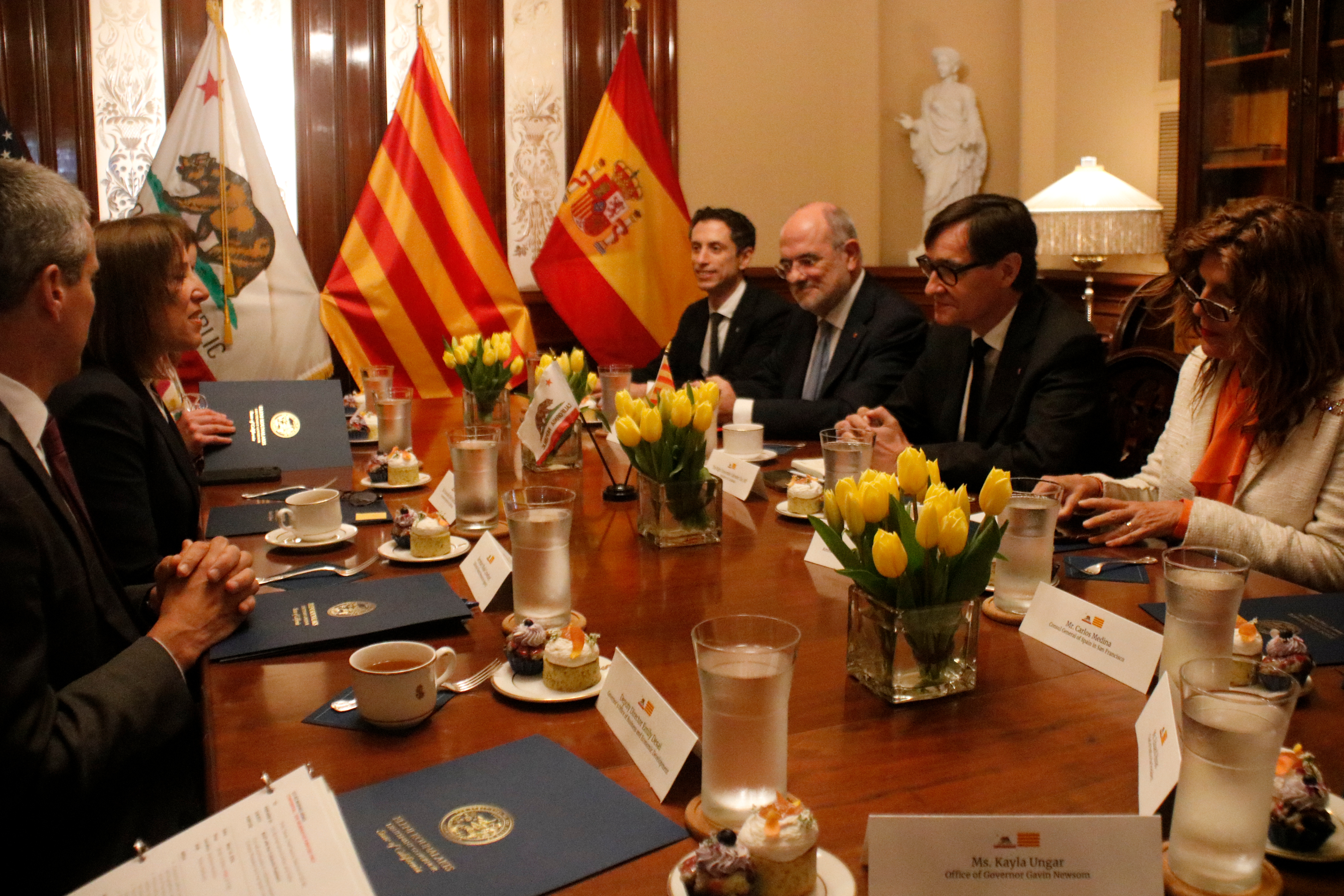
First, he met with the President of the California Senate, Monique Limón, and was formally presented before the Senate plenary. Amidst praise, both institutions commemorated 40 years of bilateral relations.
Afterwards, the Catalan president met with the Lieutenant Governor of California, Eleni Kounalakis. At this meeting, the two institutions approved a declaration that served to update relations, renew their commitment to “collaborate in innovative sectors, such as technology, agriculture, research and entrepreneurship,” as well as “strengthen trade and investment ties.”
The deal is also aimed at “supporting joint initiatives in the field of climate action, clean energy, and sustainable management of resources.”
As a result of these agreements, the president and the deputy governor agreed to promote an “economic forum” between California and Catalonia to foster the relationship between companies, and a progressive alliance that allows them to maintain collaboration.
International Brigades Plaque
The Catalan president also unveiled a plaque dedicated to Robert Hale Merriman (1908-1938), an economist trained at the University of California, Berkeley, where he also worked as a professor before joining the International Brigades during the Spanish Civil War.
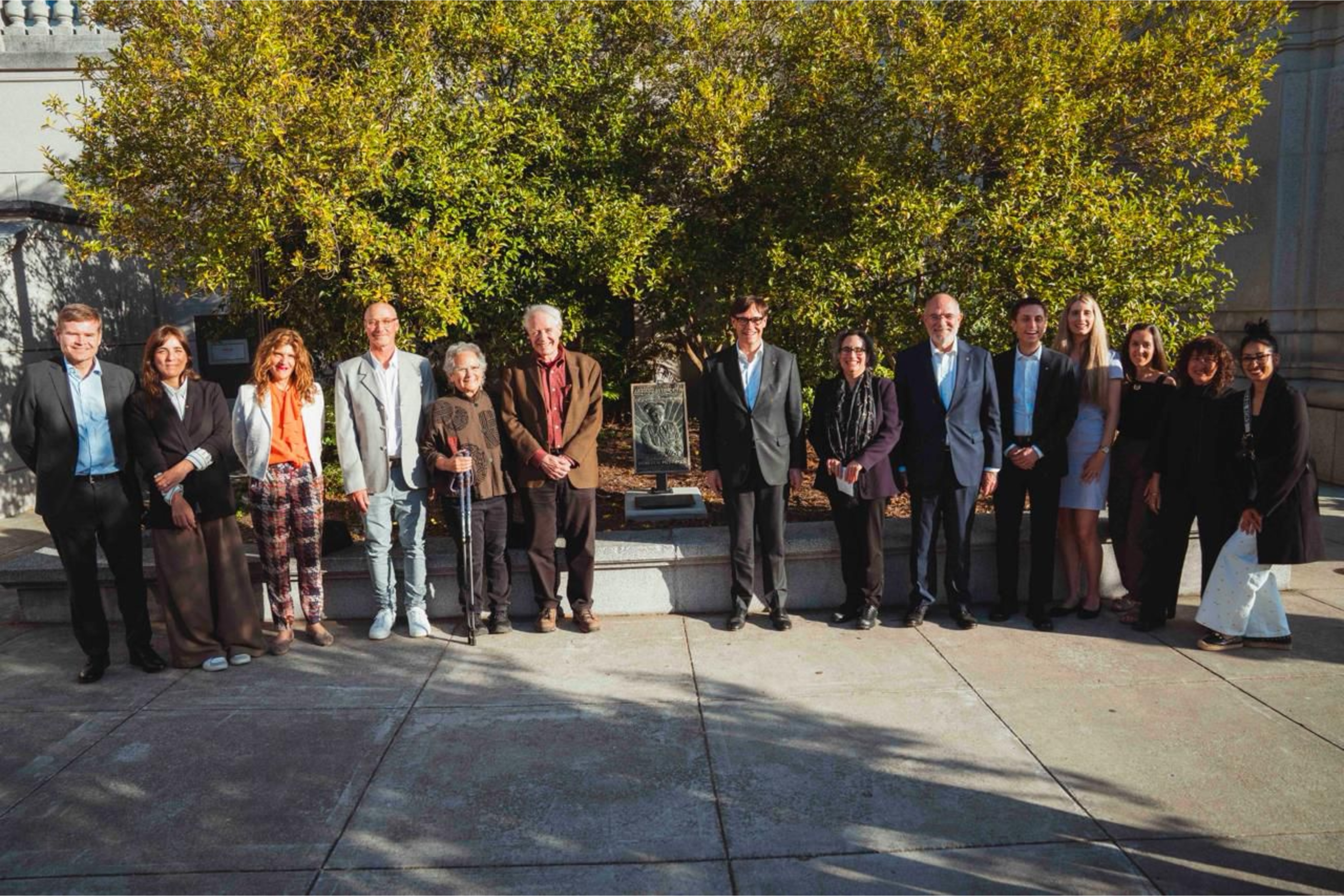
With the rank of commander and as chief of staff of the Abraham Lincoln Battalion, made up mainly of American volunteers who defended the Republic against fascism, Merriman became one of the most emblematic figures of the United States’ internationalist commitment to the republican cause.
He disappeared in April 1938 during the fighting in the Corbera d’Ebre and Gandesa areas of Catalonia, and is believed to have died in action or been executed after being captured.
In recent years, the University of California, Berkeley, and University of Barcelona have collaborated to promote historical memory initiatives linked to Robert Merriman and the legacy of the International Brigades.