Spain heads to the polls on Sunday for general election, with 38.6 million eligible to vote
Voters will elect 350 members of Congress and 209 senators, with nearly six million people eligible to vote in Catalonia


Spain heads to the polls on Sunday, November 29, with 38.6 million people eligible to vote, including nearly six million in Catalonia, to elect representatives to Spain's two parliamentary chambers.
A total of 38,616,949 electors are registered nationwide, according to the updated electoral lists published by Spain's National Statistics Institute (INE).
This includes 35,953,542 Spanish citizens resident in Spain and 2,663,407 registered as living abroad.
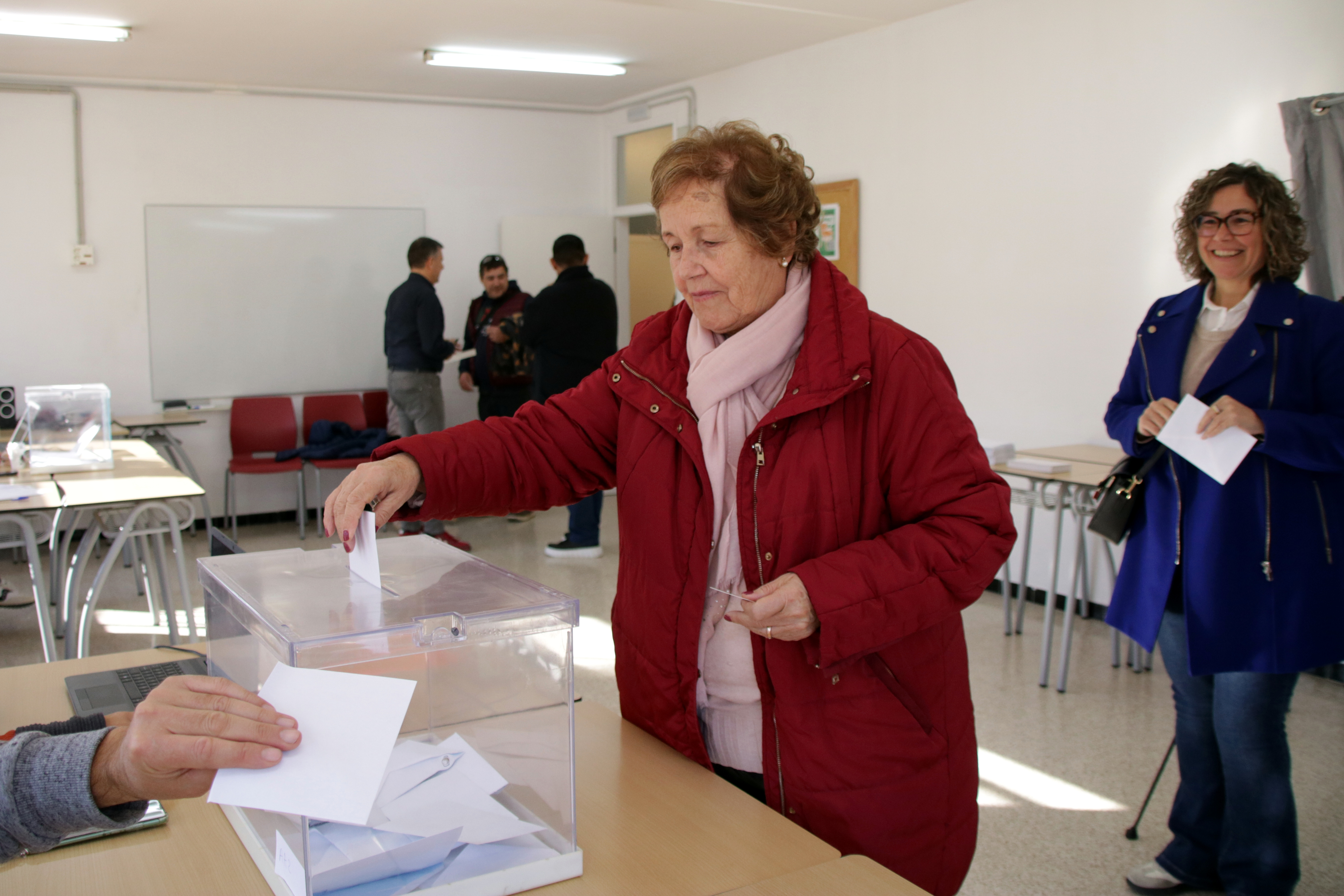
In Catalonia, 5,917,623 people are eligible to vote. Of these, 5,581,363 live in Spain and 336,260 are registered abroad. Barcelona accounts for the largest share, with 4,392,247 electors, followed by Tarragona (625,497), Girona (574,521) and Lleida (325,358).
Catalonia represents approximately 15.3% of Spain's total electorate.
What are voters choosing?
Voters will elect all 350 members of the Congress of Deputies, Spain's lower house, and 209 directly elected senators. The Senate also includes members appointed by parliaments of Spain's autonomous communities.
Catalonia will elect 48 MPs. Barcelona has 32 seats in Congress, Girona and Tarragona six each, and Lleida four.

Voters in each of Catalonia's four provinces directly elect four senators.
Spain is a parliamentary democracy, so voters do not directly elect the prime minister. Instead, the candidate seeking to lead the government must secure the confidence of Congress following the election.
How does the electoral system work?
Congress is elected through proportional representation.
Political parties present closed lists of candidates in each province, and voters choose one list without being able to change the order or select individual candidates.
Seats are allocated according to each party's share of the vote, using the D'Hondt method.
Parties generally need at least 3% of valid votes in a constituency to qualify for seat allocation.
The Senate uses a different system: voters select individual candidates on their ballot papers.
In Catalonia's constituencies, they can choose up to three candidates, although each province elects four senators.
Who can vote?
Spanish citizens aged 18 or over who are registered on the electoral census and retain their voting rights can participate.
Spaniards permanently living abroad can also vote if registered on the overseas electoral roll (CERA). They no longer need to submit a prior application.
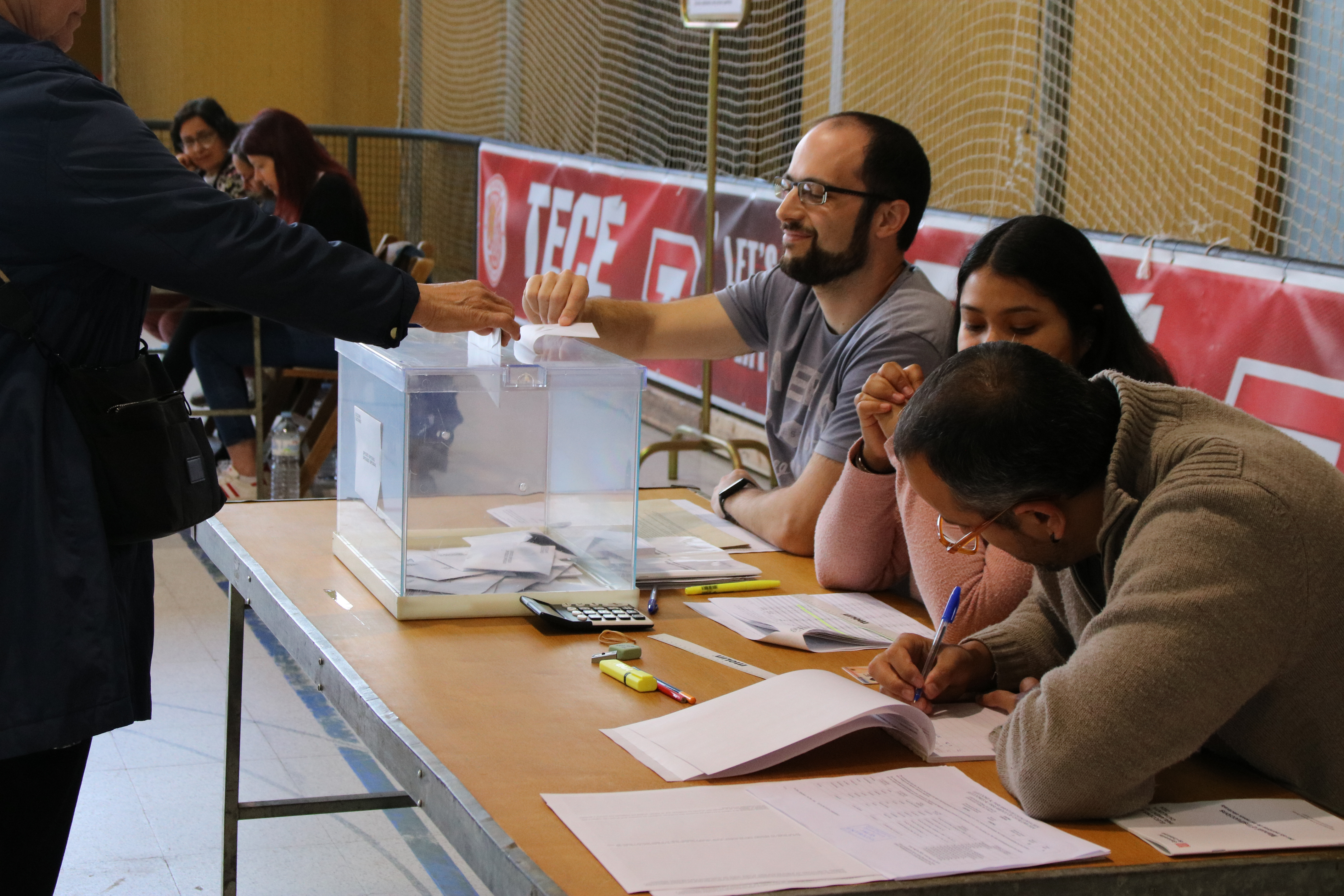
Foreign nationals living in Spain, including citizens of other EU countries, cannot vote in general elections. Their voting rights are limited to certain other elections, including municipal and European Parliament elections.
Voting is not compulsory in Spain.
What does Catalonia's electorate look like?
Of the 5,581,363 eligible voters resident in Catalonia, 2,900,301 are women and 2,681,062 are men. Women account for approximately 52% of the electorate, compared with 51.7% across Spain.
There are 874,349 voters aged between 18 and 29, representing 15.7% of Catalonia's resident electorate.
At the other end of the age spectrum, 1,590,696 electors are aged 65 or over, accounting for 28.5%.
How many new voters are there?
According to Spain's Interior Ministry, 1,615,034 new electors have joined the electoral census since the July 2023 general election.
In Catalonia, the equivalent figure is 266,320, representing approximately 16.5% of all new electors.
When and where can people vote?
Polling stations will be open from 9am to 8pm on Sunday, November 29.
Across Spain, 61,033 polling tables will be set up in 22,493 polling locations, with approximately 210,000 ballot boxes distributed for the election.
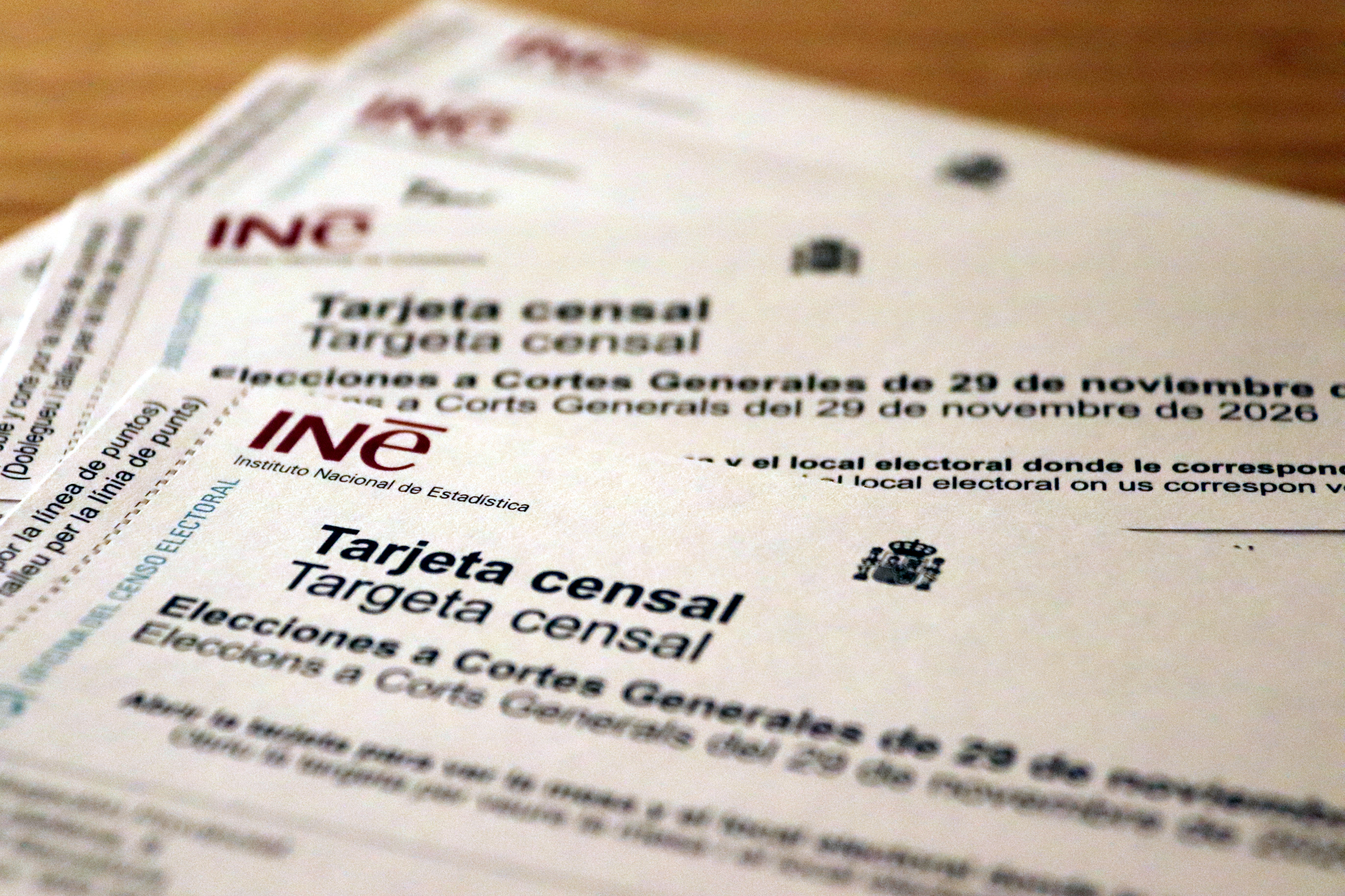
Voters can check their assigned polling station using their electoral census card or through the relevant electoral authorities.
Voters must present identification at the polling station. Accepted identification documents include an original DNI identity card, passport or driving licence with a photograph.
Expired documents are accepted, but photocopies are not valid.
For the first time in a Spanish general election, voters can also use the official MiDNI application to show their digital DNI on a mobile phone.
They must open the app in front of polling station officials, who can verify the temporary QR code.
What accessibility arrangements are available?
Visually impaired voters can request Braille voting kits, while polling stations in 155 municipalities feature accessibility pictograms for people with cognitive disabilities.
Voters whose disabilities make it difficult to cast their ballot can also ask someone they trust for assistance.
How does postal voting work?
In Catalonia, 127,024 postal-voting applications were approved from electors resident in Spain, out of 128,406 submitted.
A further 5,615 applications were approved from residents temporarily abroad (ERTA), out of 5,710 submitted.
Across Spain, the corresponding figures were 1,085,763 and 40,364 approved applications respectively.
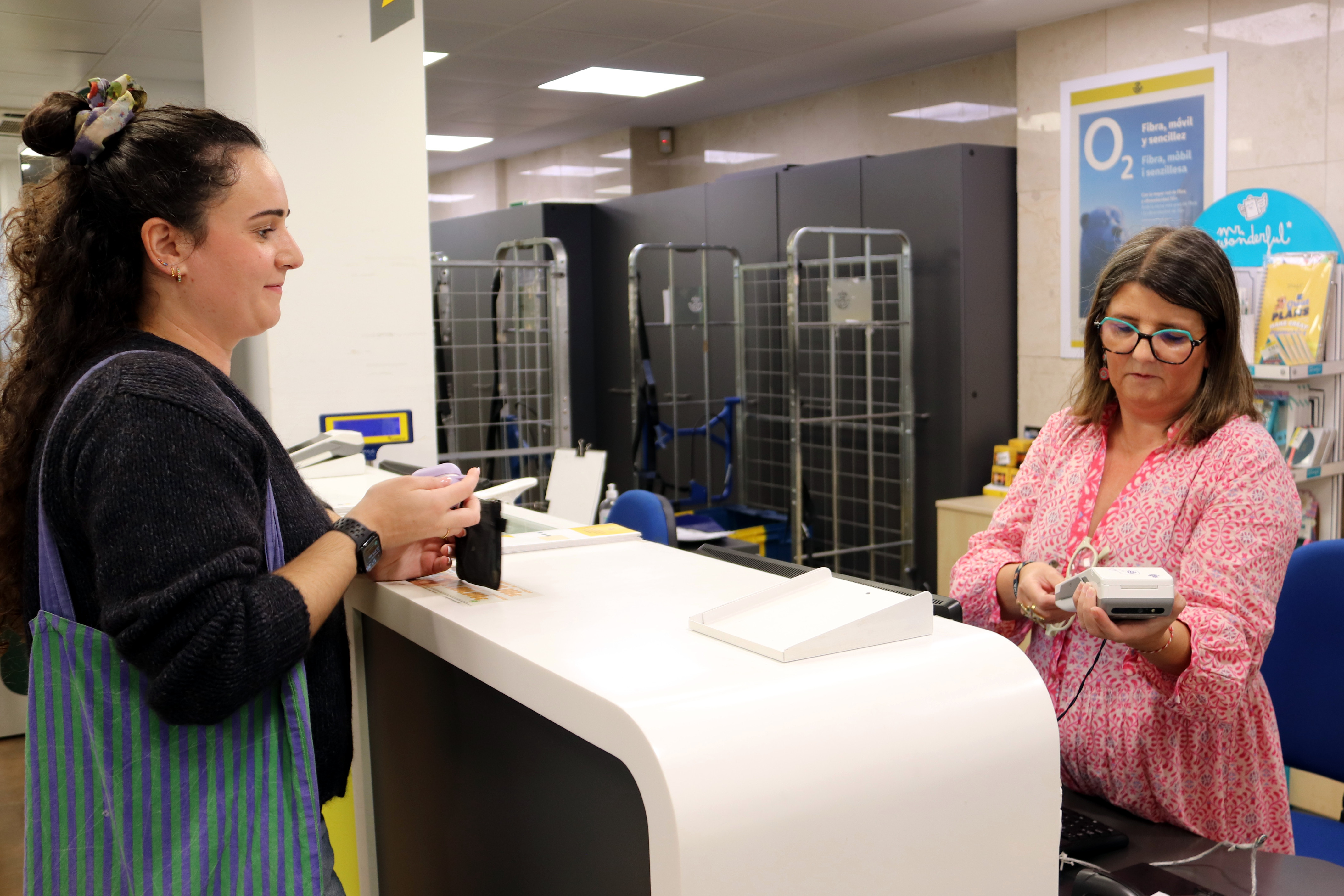
These figures refer to approved applications, not completed ballots returned and counted.
They are also separate from the arrangements for Spanish citizens permanently registered abroad (CERA), who can vote by post or at designated consular voting locations without having to submit a prior application.
The deadline for depositing postal ballots in Spain was extended to 2pm on Thursday, November 26, at Correos post offices.
Anyone whose postal-voting application has been accepted cannot subsequently vote in person.
What happens after voting closes?
Polling stations close at 8pm local time on Sunday, including in the Canary Islands, where local time is one hour behind mainland Spain.
The Spanish Interior Ministry has scheduled turnout updates for 2.30pm and 6.30pm, based on figures recorded at 2pm and 6pm.
Provisional results will begin to be published from 9pm, when polling stations close in the Canary Islands.
A provisional-results press conference is scheduled for 10.30pm mainland time, according to the Interior Ministry's election dossier.
Results will also be available through the official election website.
The composition of Congress will determine the balance of power in the new legislature and the negotiations needed to form Spain's next government.