President Illa hails Catalonia's 'solidarity' with Spain as new funding deal secures €4.7 billion
ERC's Junqueras warns Congress approval still needed while Spanish finance minister says model is "not custom-made" for any specific territory

President Salvador Illa has praised Catalonia's "solidarity" with Spain and celebrated what he called the "best possible" agreement on regional funding with the Spanish government.
Speaking from the Palau de la Generalitat in Barcelona on Friday, Illa described the new financing model as a "turning point" and a "unique opportunity," saying it lays the groundwork for both qualitative and quantitative advances in Catalonia's self-government.
"We have done the work, kept our word, and honored the agreements we signed," he said, referring to the deal his Socialist party struck with left-wing pro-independence Esquerra Republicana that saw Illa elected Catalan president.
The president also called on all political parties to side with "practical politics and solutions, not obstruction and problems."
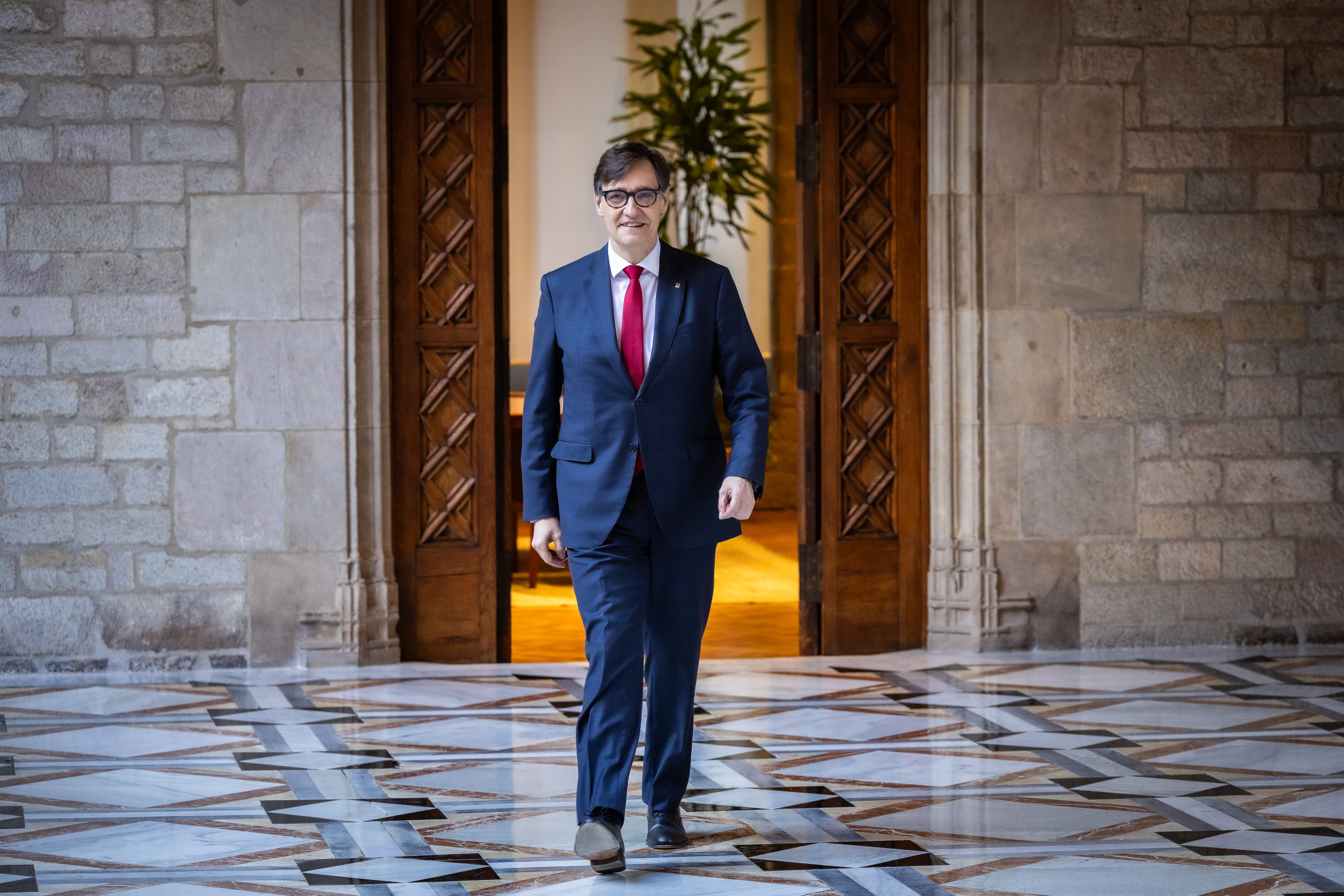
President Salvador Illa at the Palau de la Generalitat / Jordi Borràs
The president argued the current system is outdated and defended the new model as fairer, more efficient, and more transparent. It "significantly reduces" disparities between autonomous communities, ensures that "each receives the resources it needs," and is based on "objective, measurable criteria," he said.
According to Illa – who spoke in Spanish as well as Catalan – the new funding would channel resources to Catalonia "in line with its political, national, and cultural distinctiveness."
The additional €4.7 billion will support public services and investment. "We now have the resources to deploy our self-government, regulatory powers, investments, and public services with maximum ambition and guarantees," he said.
While emphasizing these gains, Illa reiterated Catalonia's commitment to "solidarity" with Spain, adding that the funding model will allow Catalonia to "activate all its capacities" to strengthen Spain and Europe as a whole.
"Catalonia is not asking for privileges,” he said. "It is offering proposals so that everyone can contribute their best."
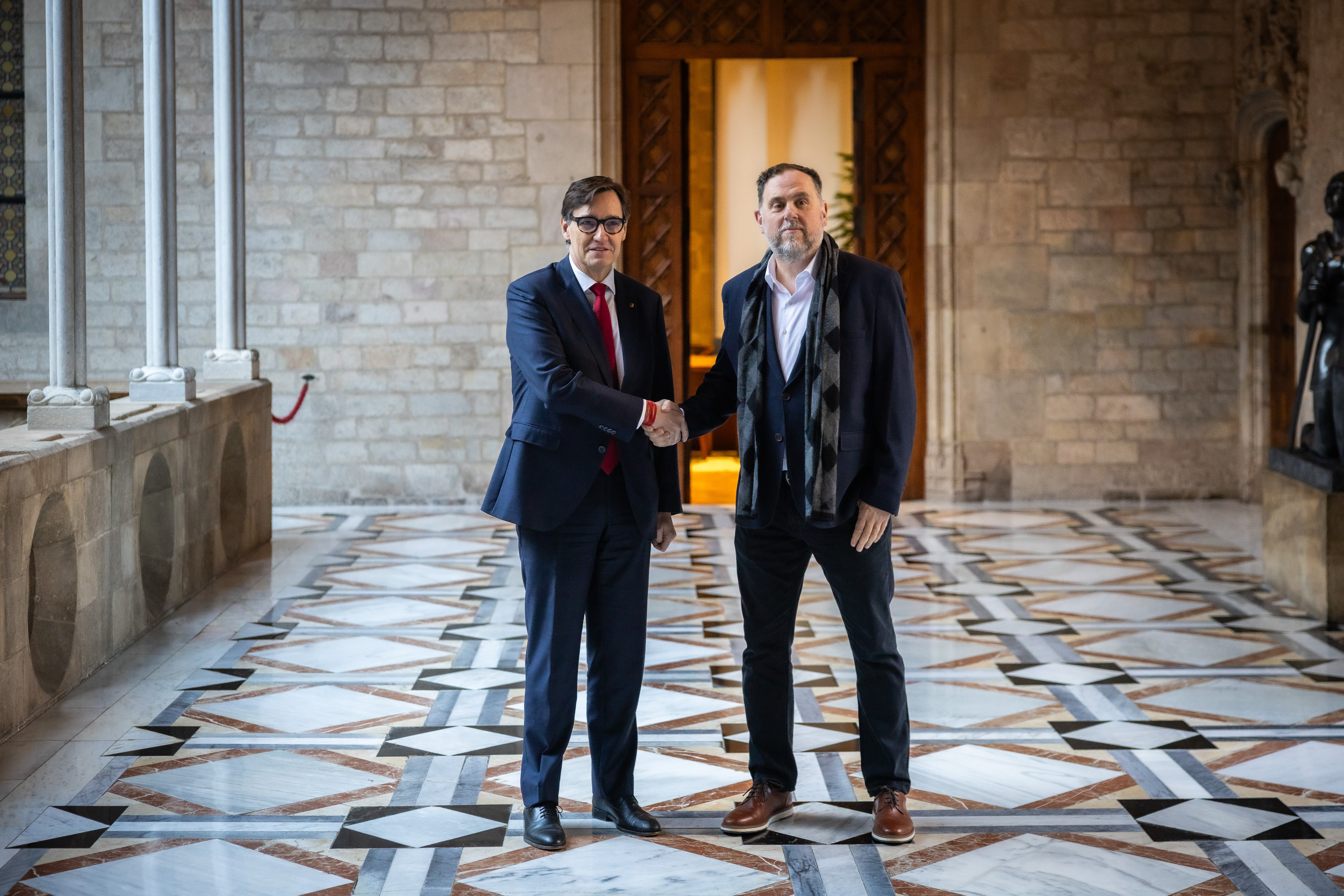
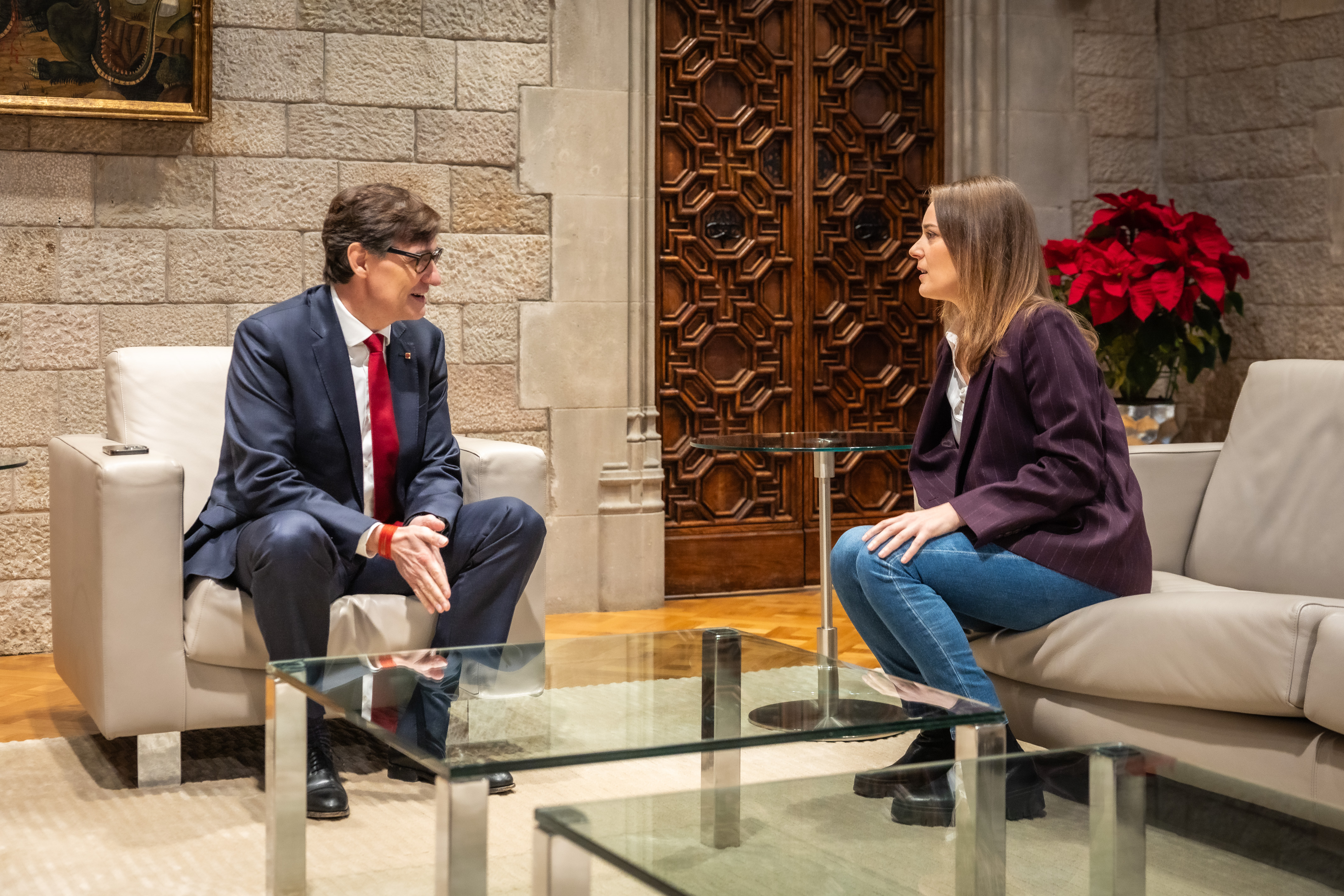
Illa's statement came shortly after meetings with the leaders of the Catalan left-wing parties, Esquerra Republicana (ERC) and Comuns, at the government's headquarters to talk about the future funding model for Catalonia.
The meetings with Oriol Junqueras and Jéssica Albiach took place after Junqueras, leader of ERC, met with the Spanish PM Pedro Sánchez in Madrid on Thursday.
The new funding model, however, does not envisage Catalonia collecting all IRPF personal income tax, as announced in mid-2025.
Following the meetings, Junqueras warned both Illa and Spanish Prime Minister Pedro Sánchez that "there is still much work to do," noting that the funding package must still be approved by the Spanish Congress, where the minority government relies on several smaller parties for a majority.
Albiach urged pro-independence Junts – whose votes are crucial – to support the legislation, saying she "would not understand anyone who loves Catalonia failing to back it."
Finance minister presents plan
Meanwhile, Spanish deputy PM and finance minister María Jesús Montero presented the proposal from Madrid. Next week, she is expected to meet with representatives of all 17 autonomous communities and the two independent cities across Spain to explain the next funding model. Next week, she is set to meet with representatives from Spain's 17 autonomous vommunities and two autonomous cities to outline the funding model.
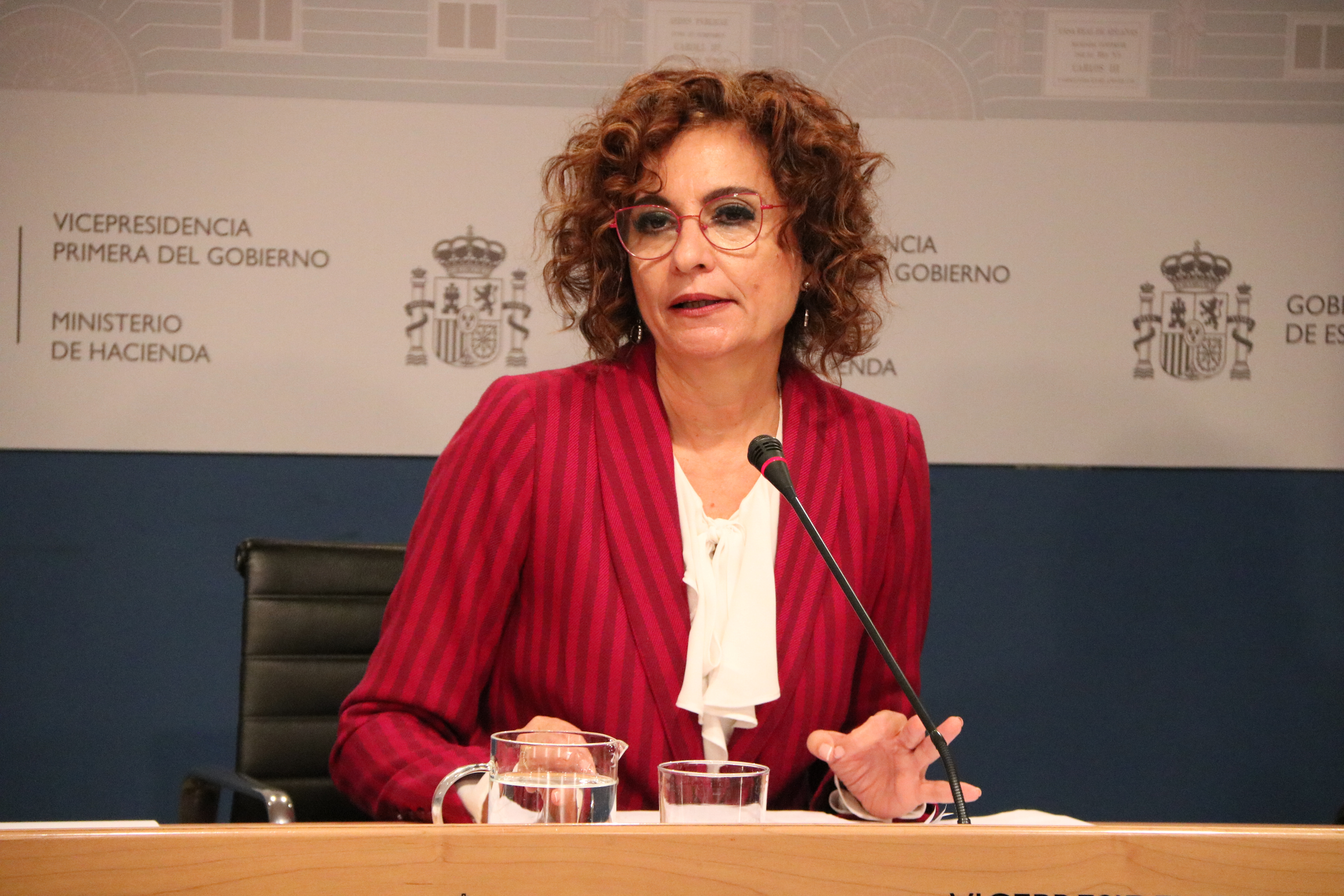
The new funding model will mean €21 billion more for all territories, as they will collect 56.5% of IVA tax and 55% of personal income tax, up from 50%.
Of these, 22.3% will be for Catalonia, totaling to €4.68 billion. The Catalan government would see its resources increase by 15%, well above the average of 11.82%.
Montero said the funding model is based on differences in population size, the impact of climate change, population age, and unemployment. She claims that it does not benefit only Catalonia, as it is not a scheme "adapted" to the territory.
"This is not a model tailored to a specific autonomous community," it is "adapted to each territory." She said, "All territories will see their resources increased."
After the meeting, it will be proposed to the Spanish cabinet, which, once approved, will need to be ratified by Congress. It requires an absolute majority, which is why the pro-independence Junts party is crucial, although they have broken ties with the Socialist-led cabinet, and have shown skepticism about the agreement.
Junts rejects plan
Junts announced they will submit a motion to reject the new funding plan presented by Montero on Friday, instead proposing a "transition toward an economic agreement system," similar to the arrangements in the Basque Country and Navarre.
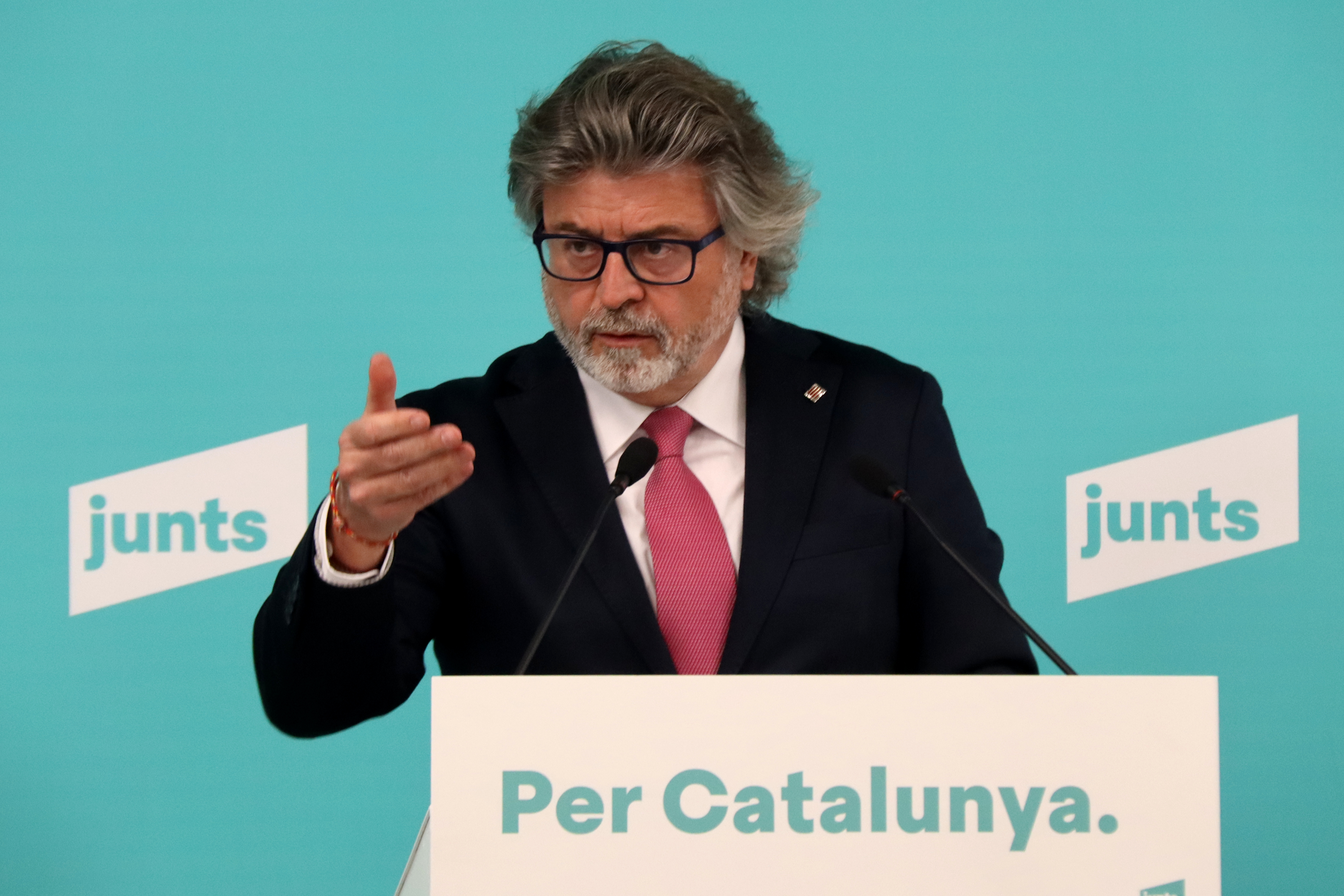
Junts vice president, Antoni Castellà, urged ERC to also break from the current deal and seize what he called a "historic opportunity" to redirect the system.
After Montero's presentation, Castellà criticized "the fine print," saying it "confirmed that Catalonia remains under the common regime, with no unique model and no guaranteed principle of ordinality." He added, "It shows there is no singular model, no economic agreement, and no key to the safe, contrary to what Illa promised at his investiture."
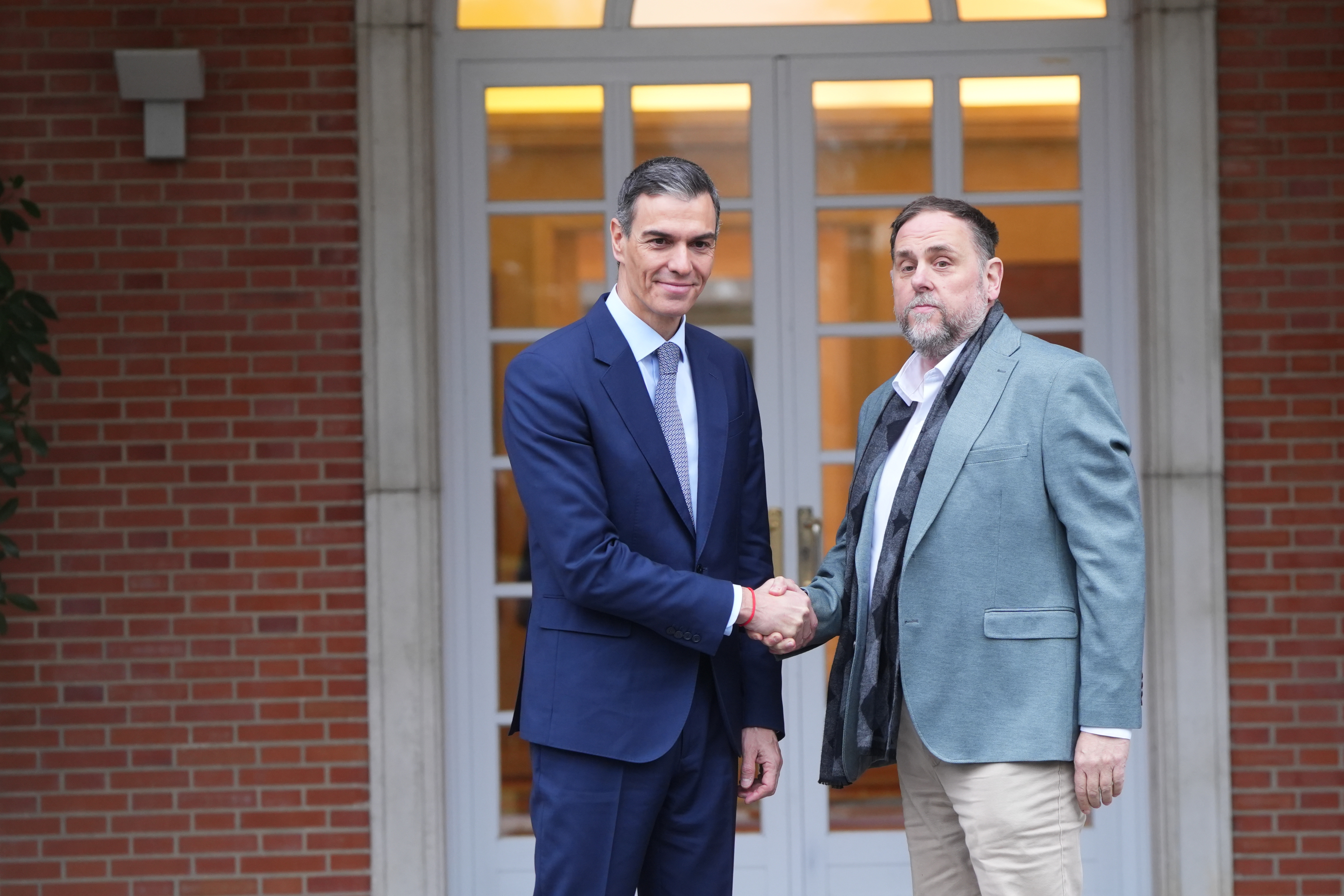
On Thursday, Junqueras issued a warning to fellow pro-independence party Junts, which has said it will withhold Congress support if the deal does not include an economic arrangement similar to that used by the Basque Country: "Voting against this agreement will be voting that these resources stay with the Spanish government."
The new "singular" financing system could channel an additional €4.7 billion to Catalonia, part of a broader pact between ERC and the Socialists that helped install Salvador Illa as Catalan president in 2024.
ERC says the deal will respect the principle of ordinality: if Catalonia ranks third in contributions to the Spanish state, it will also rank third in what it receives under the new model.
The Spanish government said the new deal is to revamp an expired model that has been in place for the past 13 years.
The new model "proposes several solutions to the current system and complies with what had been promised to all Spaniards," sources from the Spanish cabinet said.
They say that "all territories will receive more funding transfers" to "strengthen the welfare state."