Government approves 2026 budget worth €50bn without necessary parliamentary support
Socialists have deal in place with Comuns, but ERC demands guarantees over personal income tax deal
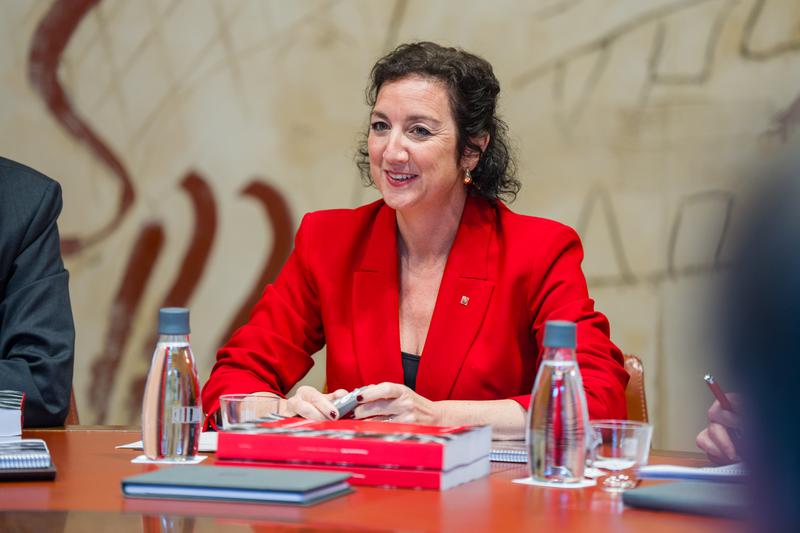

The Catalan government has approved their 2026 draft budget law in an extraordinary Executive Council meeting, without having secured the required parliamentary support.
The executive struck a deal with the left-wing Comuns last week on the budget deal, after agreeing to prohibit speculative purchasing of housing, but will also need to negotiate with Esquerra Republicana (ERC) to gather a majority in the chamber.
The bill that economy minister Alícia Romero will submit to Parliament is valued at almost €50 billion, increasing spending by €9.1 billion compared to the last approved budgets, those of 2023.
ERC is, so far, sticking with its 'no' to the spending plan on account of the lack of "guarantees" in the collection of personal income tax, one of the agreements sealed between the party and the executive in the investiture pacts.
The government is steadfast in its determination to approve the budget bill as they are, and believes there is room to gain the support of ERC.
President Salvador Illa has reiterated his "commitment" to collecting Catalan personal income tax within Catalonia, but Spain's Ministry of Finance, which has the powers to levy this tax, is against devoling 100% of this to Catalonia.
Romero admits that if the budgets are not approved, the government would be in a "delicate situation" as finances would begin to "strain." The loss of the additional €9.1 billion in spending would mean stopping "a lot of things," according to the minister.
The budget now need to be presented to parliament, before the Bureau will admit them for processing, and the period for groups to submit amendments will open.
If timings go as expected, the plenary debate on the spending plan will take place from March 11. If the budget passes this debate, the chamber could approve them just after Easter.
"Brave" budgets
The budget bill allocates 74% of spending to the welfare state, €4.146 billion to investment, and €1.9 billion to housing policies.
Alícia Romero revealed these details when delivering the draft accounts to the parliament speaker, Josep Rull, after they were approved by the Executive Council.
Romero called the spending plan "ambitious" and "brave," and said they aim to respond to "long-term challenges" and "immediate needs."
Almost €10 billion is allocated to the field of knowledge, companies, and infrastructure.