Spain's finance minister says new regional funding plan is voluntary amid PP opposition
Bilateral meetings will explain details of financing deal agreed by Spanish government and pro-independence ERC
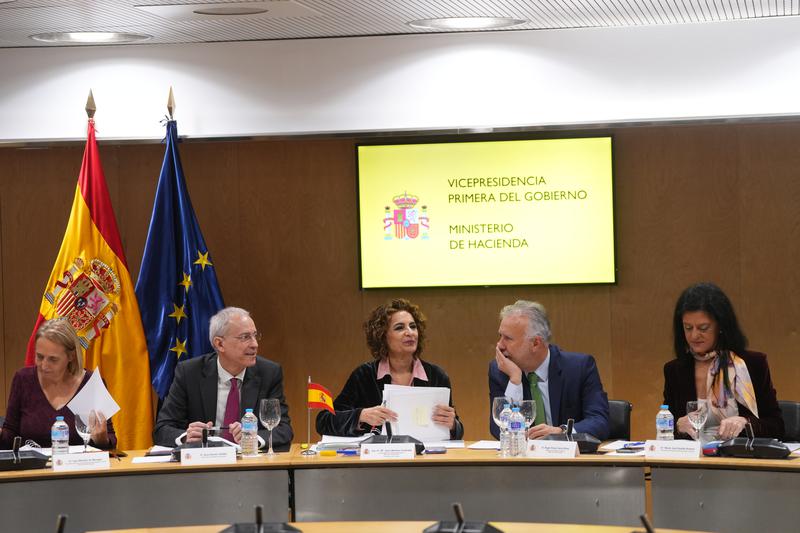

Spain's central government and regional administrations met on Wednesday for the first session this year of the Fiscal and Financial Policy Council (CPFF), a gathering that formally set in motion the overhaul of Spain's regional funding system, which expired in 2014.
The meeting got underway just before 11am, chaired by Spain's deputy prime minister and finance minister, María Jesús Montero. It brought together all "common-regime" regions – every autonomous community except the Basque Country and Navarre, which operate under separate fiscal arrangements.
The government's starting point was the funding model negotiated with the Catalan pro-independence party ERC, which it says combines Catalonia's fiscal "singularity" with solidarity across Spain.
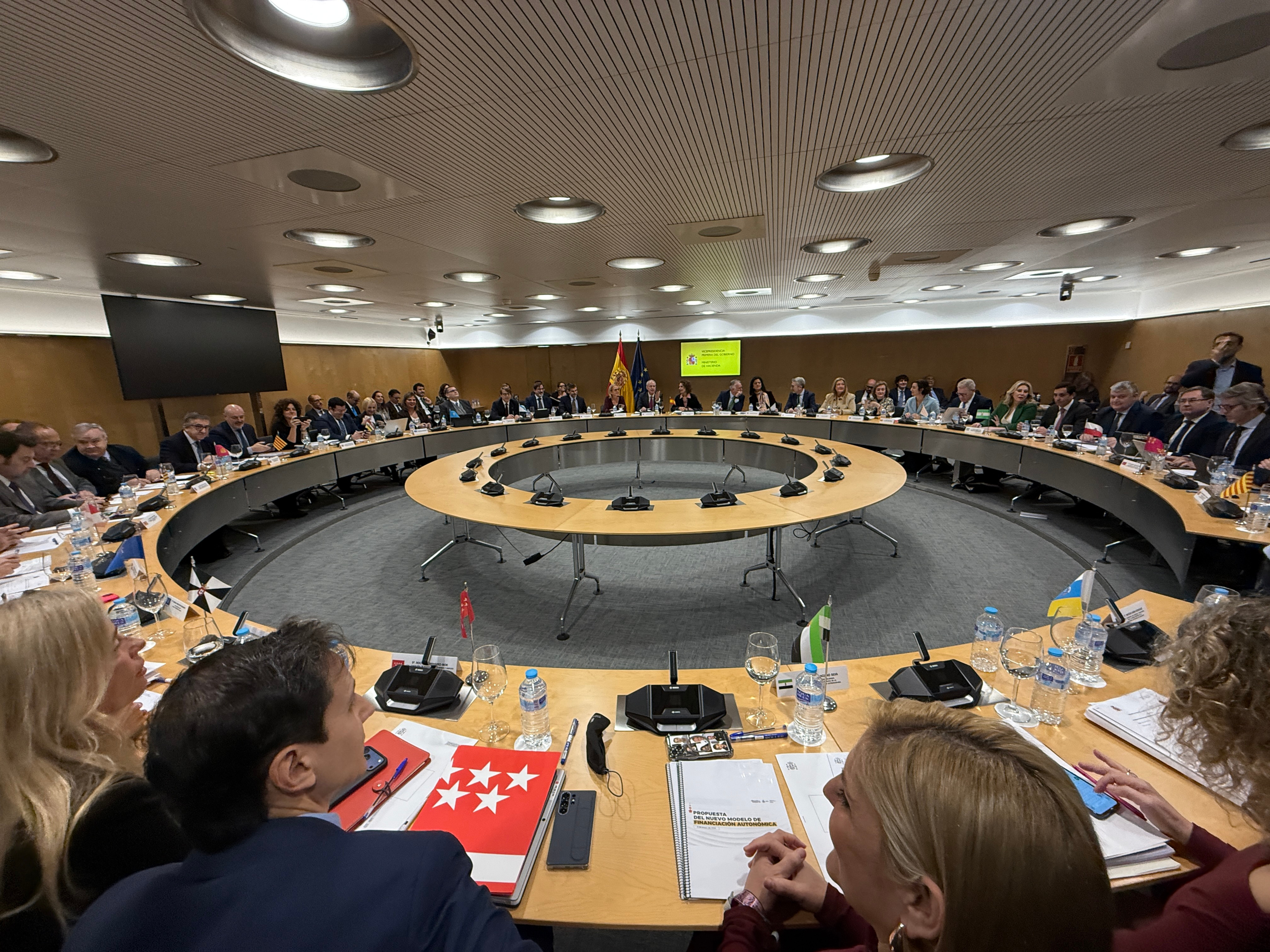
Regions governed by the conservative Popular Party (PP) countined their united front against the plan.
Opt-in
During the meeting, Montero told regional economy and finance ministers that joining the new funding model will be voluntary.
Each region can decide whether to adopt the new system, which would distribute an additional €21 billion across all regions, or to remain under the current funding arrangements.

The announcement appears aimed at undermining the PP's united opposition, which described the proposal as "champagne and caviar for the Catalan independence movement" and a "menú del día [set lunch] for the rest of Spain," in the words of Andalusian minister Carolina España.
Montero also announced she will launch a series of bilateral technical meetings with each region to go deeper into the design of the new model.
The government hopes discussions will lead to legislation before the summer.
If the model enters into force in 2027, Montero said last week, it would mean an additional €20.98 billion for Spain's autonomous communities. Catalonia would receive €4.69 billion of that total, equivalent to 22.3%.
Montero accuses PP of lying
At a press conference following the meeting, Montero stressed that the new system does not give special treatment to Catalonia, pointing out that 70% of the additional resources go to PP-led regions.
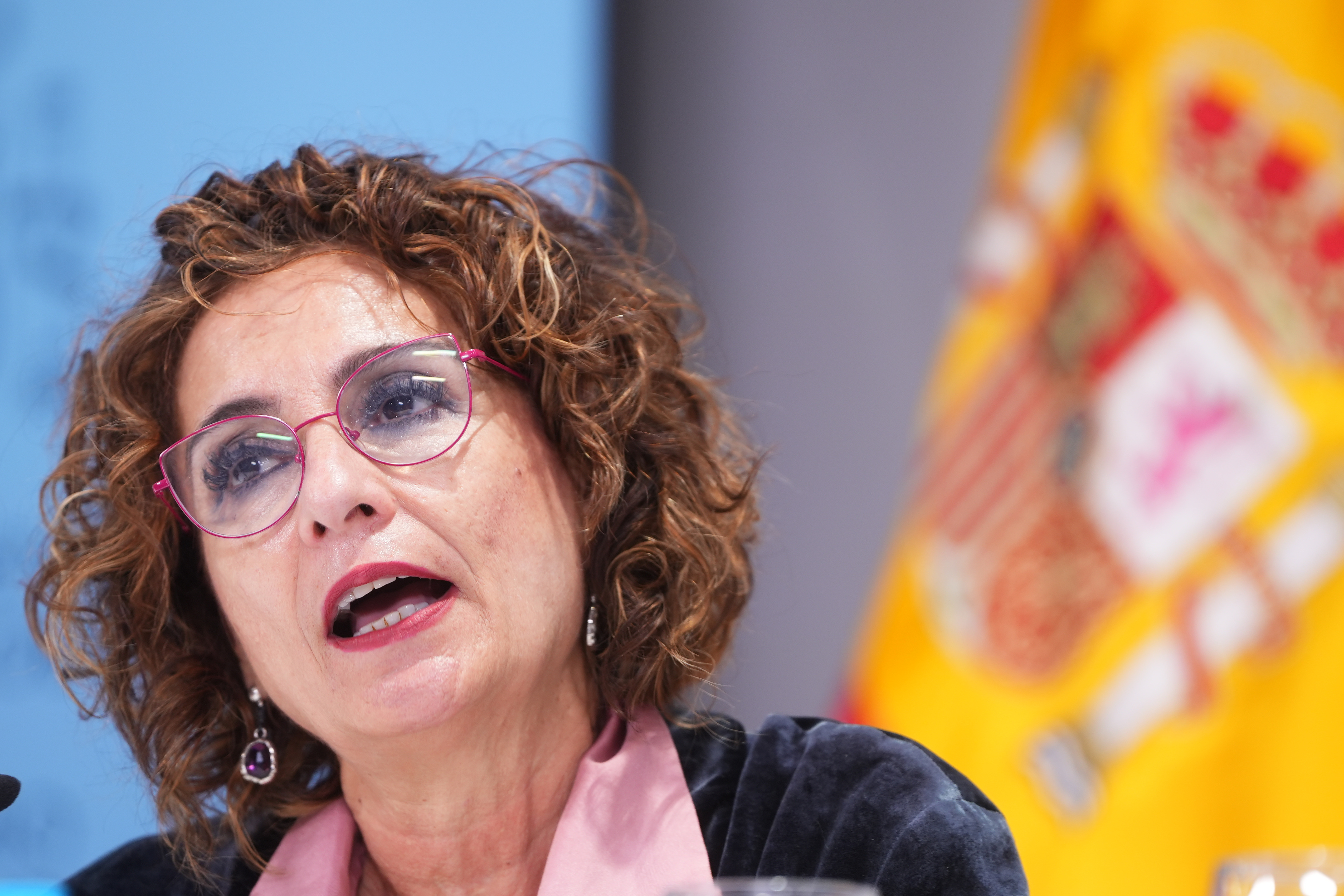
The Socialist accused the PP of "lying," saying the opposition party has limited itself to launching "falsehoods" about supposed grievances because their leader "lacks the leadership to address this difficult and uncomfortable debate."
Montero said her ministry "is not forcing anyone" to subscribe to the new funding model.
"Once the law is approved, autonomous communities that wish to adhere will be able to do so, and those that do not wish to adhere will continue with the previous system," she said.
Catalonia in favor, PP-led regions against
Catalonia's economy minister, Alícia Romero, described the plan as a "window of opportunity" and called on the PP to "contribute and be constructive," criticizing their interventions as "empty of rigor and content."
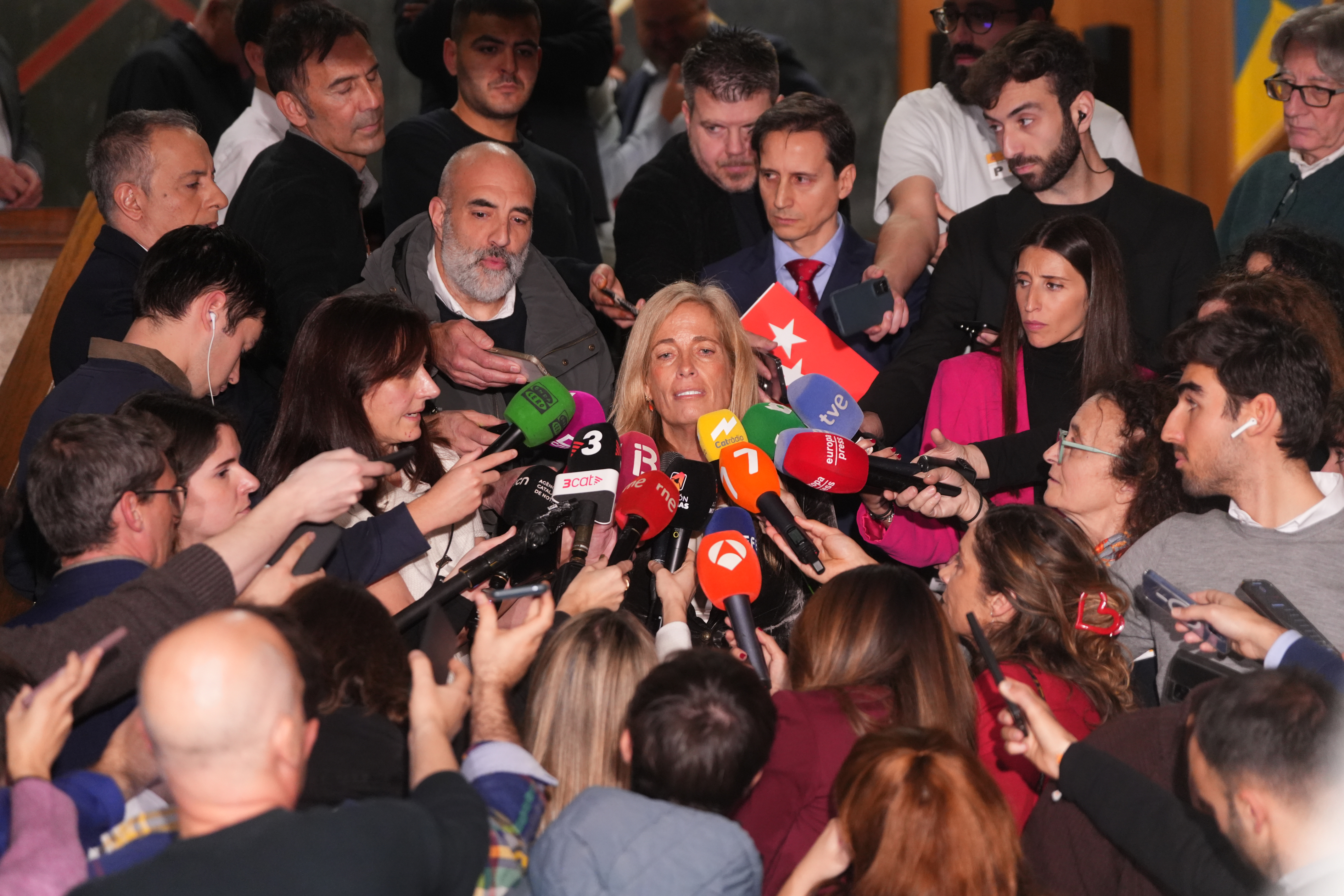
PP-led regions, however, left the CPFF meeting with renewed criticism. Madrid's Rocío Albert called the system a "caste system," while others threatened legal action should the law pass.
Romero warns against anti-Catalan bias
Ahead of the meeting, Catalonia's economy minister, Alícia Romero, called for a "serene, rational debate with the facts on the table," urging participants to avoid "anti-Catalan sentiment."
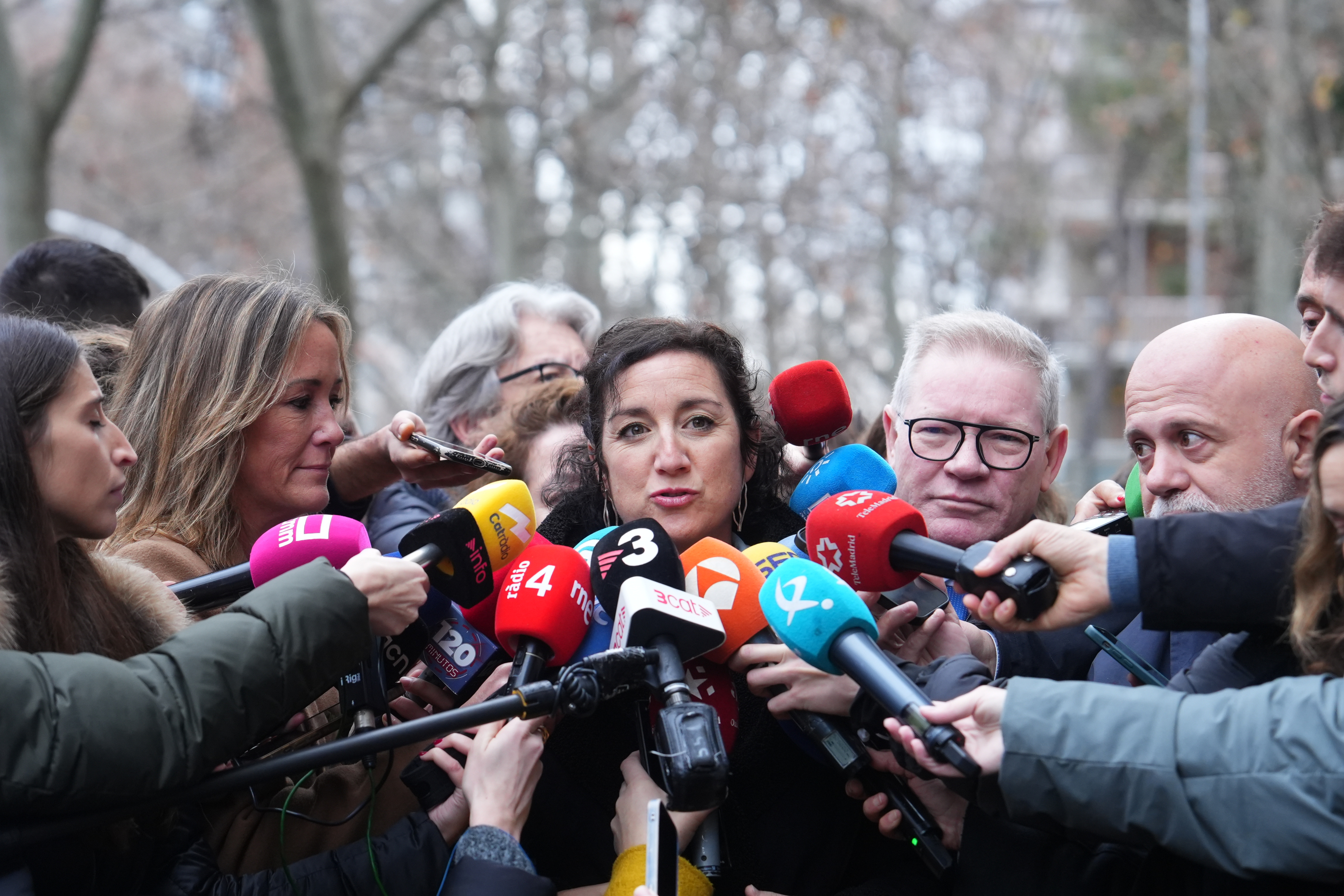
Speaking to reporters just before the meeting got underway, Romero defended the Spanish government's proposal as "fairer and more equitable," emphasizing that all autonomous communities would benefit.
She also challenged criticism from the PP, noting that roughly 70% of the €20.98 billion additional funds under the new system would go to PP-led regions.
PP reject 'Junqueras model'
Regional ministers from the PP arriving ahead of the meeting signaled their opposition to the new funding model.
"This is the Junqueras model – one that even Socialist-governed regions do not agree with," said Rocío Albert, representing Madrid. She warned that Montero was "essentially acting as the delegate of the ERC leader."