Authorities probe possible lab leak as source of African swine fever outbreak
Spanish government launches investigation as genome does not match circulating European strains, but one typically used in labs
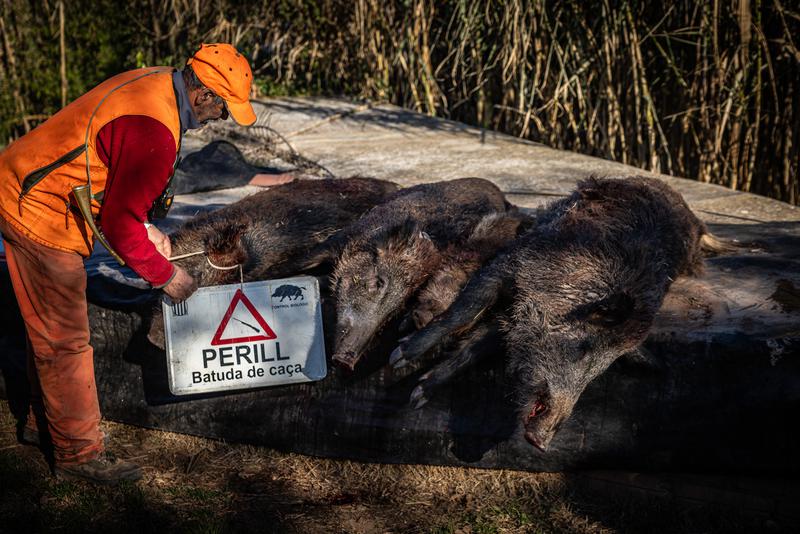

The origin of the ongoing African swine fever outbreak in Catalonia may have come from a laboratory.
The Spanish Agriculture Ministry issued a statement on Friday saying it does not rule out the possibility that the outbreak stemmed from a laboratory leak rather than from animals.
After sequencing the virus’s genome and comparing it with other outbreaks detected across Europe, the ministry said the strain does not match those currently circulating.
It explained that the genetic group found in the Catalan cases is "very similar" to the strain that circulated in Georgia in 2007, the same strain commonly used in laboratory research.
"Under natural conditions, viruses undergo different degrees of genomic changes as they spread through infection cycles in animals. The discovery of a virus similar to the one that circulated in Georgia therefore does not rule out the possibility that its origin lies in a biological containment facility," the statement read.
The Ministry said that the 'Georgia 2007' virus is a "reference" virus used in experimental infections in laboratories to conduct studies on the virus or to assess the effectiveness of vaccines currently under development.
"The report indicates that it is therefore possible that the origin of the virus does not lie in animals or animal products from any of the countries where the infection is currently present," it concludes.
The Spanish ministry has therefore launched an investigation, as the findings cast doubt on the leading theory until now: that the virus may have spread from contaminated cured meat discarded in the mountains.
Lab near wild boar site studied ASF
Immediately after the Spanish Agriculture Ministry's statement, which shocked pork industry leaders, the Catalan government responded.
Catalan Agriculture Minister Òscar Ordeig did not rule out the possibility that the outbreak originated in a laboratory, but called for "calm and prudence."
"We will see this through to find the origin of the outbreak, but for now we must let the scientists do their work," he said.
The minister stressed that the report was "not conclusive," but confirmed that the Mossos d’Esquadra police have launched a parallel investigation alongside the one conducted by Spanish authorities.
"We have provided them with all the information to begin their investigation. We have also opened an internal review to analyze all the data and mobilize scientists to close the gaps regarding the origin of the outbreak," he added.
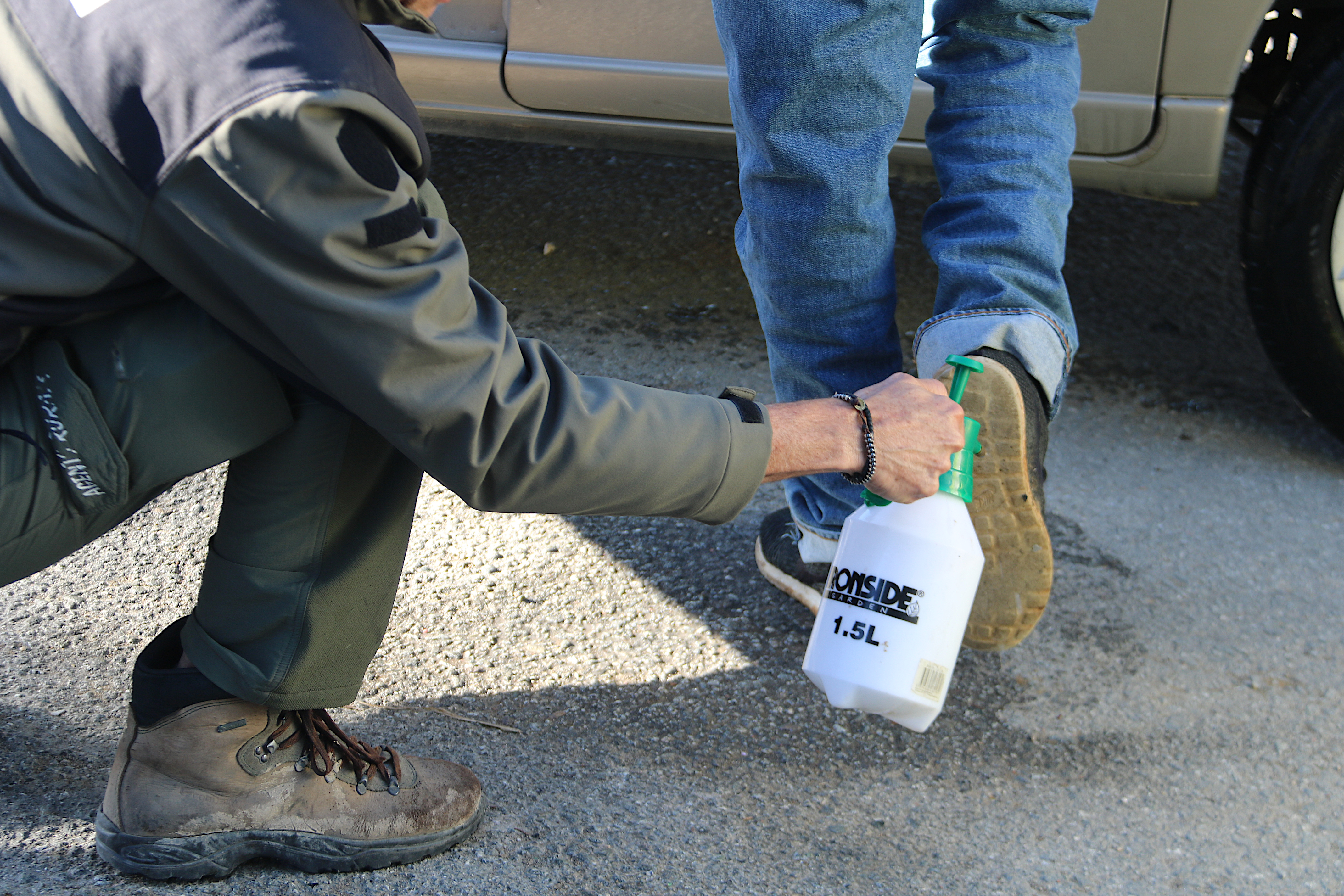
This new information comes amid ongoing speculation that the outbreak could have originated in a research centre located very close to the site where the first wild boars were detected.
It is the investigation center IRTA-CReSA, which has been working with pigs infected with African swine fever for 18 years. The centre is located less than a kilometre from where the first dead wild boars were found.
The investigator from the centre and Autonomous University of Barcelona (UAB) professor, Joaquim Segalés, defended the security measures implemented at the facility in an interview with RAC1 radio.
"There is no evidence that a breach in the security protocols could explain the African swine fever virus outbreak," he said, adding that all protocols have been checked over the past four months "without detecting any biosecurity breaches."