Tourist pressure is forcing residents to change routes and routines, study finds
Older residents in the cities busiest neighborhoods report greatest difficulties
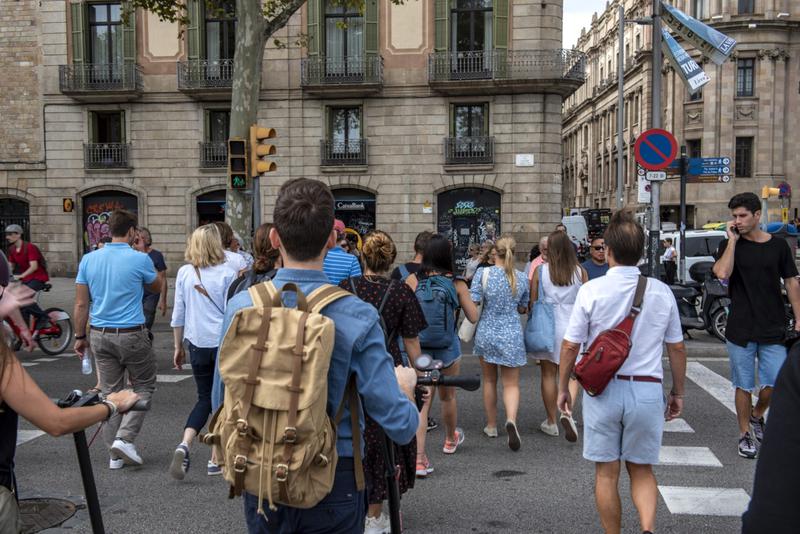

Tourism pressure is forcing Barcelona residents to change their routes and schedules, according to a study by Rovira i Virgili University (URV) in Tarragona.
The study looks at how overtourism affects the daily movement and routines of people who live in three of Barcelona's most crowded neighborhoods: the Gothic Quarter, Barceloneta and Sagrada Família.
In these areas, residents must plan everyday activities around tourists, such as shopping, taking children to school, going to the beach or simply walking around the neighborhood.
Older residents, who have lived in the neighborhood the longest and often care for grandchildren, report the greatest difficulties.
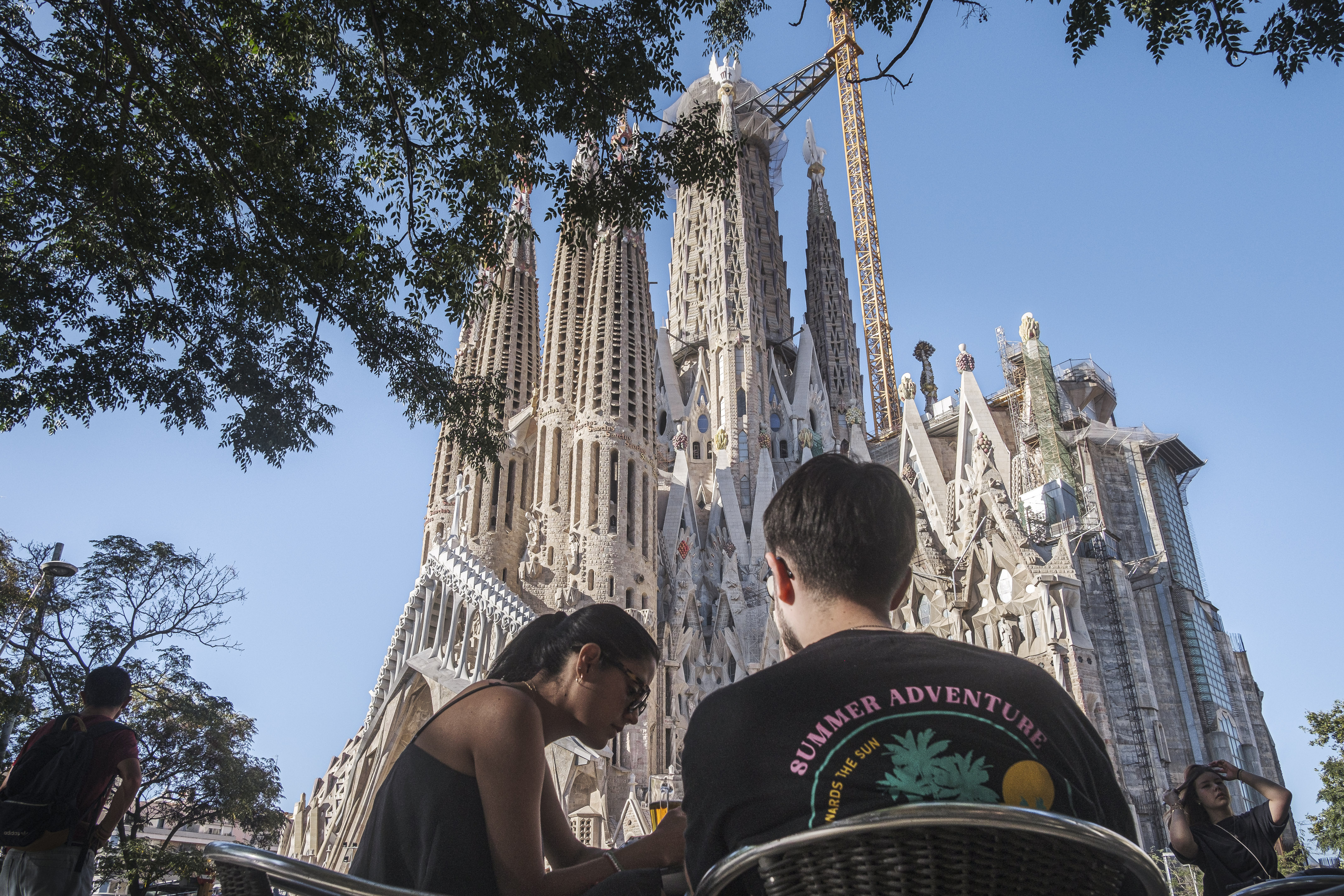
The study shows that tourism pressure affects not only housing, local shops and the urban economy but also how residents move around their own surroundings. The research team conducted 44 street-level interviews with residents of the three neighborhoods.
The method, known as "walk-along," involves accompanying participants as they follow their usual routes, so researchers can experience and discuss their daily journeys firsthand.
Many residents have adopted strategies to avoid crowds. Some change their routes to skip certain streets or squares, adjust when they go to the supermarket, take walks or visit the beach during periods of lower tourist traffic.
The situation "creates a sense of losing one's own space and of the local population being displaced."
According to the accounts gathered, squares, parks and main streets no longer work as neighborhood meeting points and have become zones of tourist transit.
Residents feel their quality of life has declined and the neighborhood's identity has been transformed. They also report a sense of insecurity tied to the concentration of visitors, which they associate with more thefts and petty crime in crowded areas.
Participants recalled the coronavirus pandemic, and the drastic drop in tourism it brought, as "an exceptional time when they could rediscover the neighborhood, move around more calmly, and better recognize the people living there."
Some interviewees said "an opportunity to rethink the tourism model" was lost.