Romantic springtime spirit: Catalonia gears up for Sant Jordi 2026
Millions of books and roses to be bought on Thursday for Catalan day of love and literature
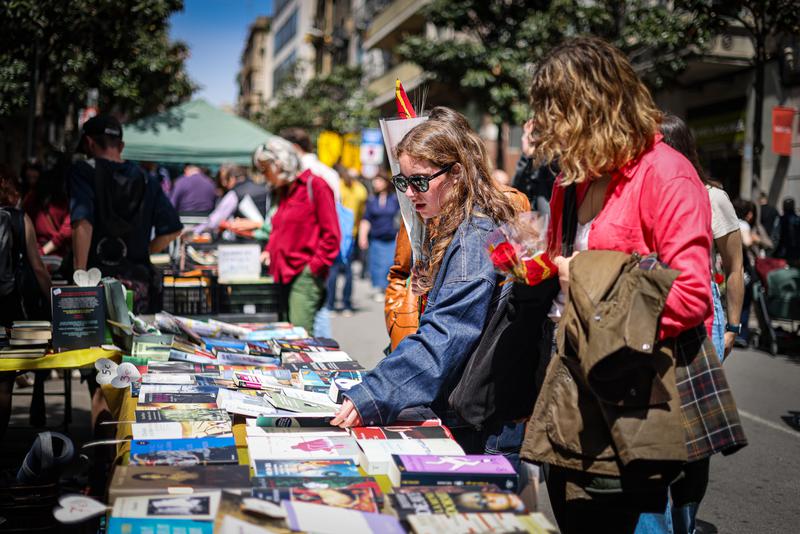

April 23 is always one of the most keenly anticipated days of the year in Catalonia.
Across the region, the air carries a romantic springtime spirit. Book and rose stalls fill the streets; love and literature fill our hearts.
It's often called the most festive working day of the year, as despite it being the feast day of Catalonia's patron saint, the day is not a public holiday, though you'd be forgiven for thinking it is, such is the atmosphere the day always carries.
April 23 is also World Book Day and Catalonia does it like nowhere else, combining it with a celebration of love to become the most romantic day of the year here. People gift roses and books to the special ones in their lives, while the streets and squares are inundated with hundreds of stalls selling flowers and literature.
This year, Barcelona will have a bit of a different Sant Jordi, with the iconic La Rambla boulevard not being a part of the plans, due to the works going on there.
Instead, the city is distributing activity across a dozen locations in seven districts, representing both adaptation and growth for Catalonia's most beloved cultural event.
The works on La Rambla are forcing organizers to relocate stalls to nearby areas of Ciutat Vella. A new central route will stretch from Portal de l’Àngel through Plaça Nova and Plaça de la Catedral to Via Laietana, creating a fresh axis for book and flower vendors.
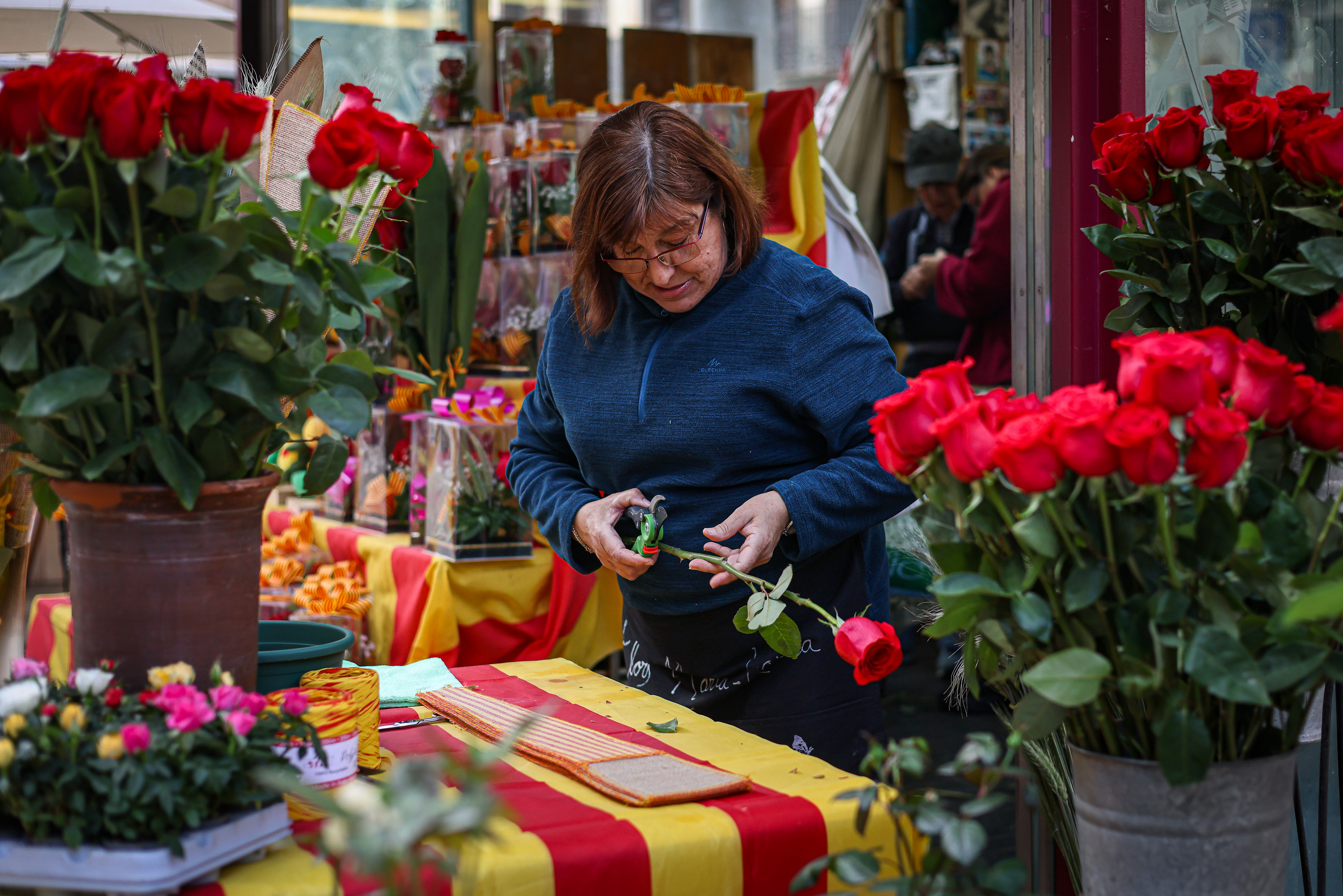
In Barcelona alone, there will be 425 stalls, including 364 dedicated to books. From those, 257 will be hosting author signings, and 61 selling flowers. An additional 130 bookstore-run stalls will operate directly outside shops.
Passeig de Sant Joan continues as a hub for comics and children's and young adult literature as demand from younger audiences and families is increasing.
Other districts, including Les Corts, Sants-Montjuïc, and Guinardó, are also expanding their offerings, reinforcing the decentralization of the celebration.
Barcelona's culture councilor Xavier Marcé called the current moment for the book sector "exceptional," noting that more than 5,000 vendor licenses have already been issued, a record for the city.
Beyond Barcelona
The festival's reach extends across the Catalan capital, with cities and towns adapting to local conditions while preserving tradition.
In Girona, stalls will move to Sant Francesc Avenue due to construction in Plaça Catalunya. Towns like Vic and Manresa return to their classic settings, while Lleida will concentrate activity along Rambla Ferran and Avinguda Francesc Macià. Tarragona, Reus, Tortosa, and others will also host local editions, each tailored to their urban layout.
Across the region, bookstores are already seeing a pre-festival boost, with some municipalities allowing shops to set up stands a day early.
Even amid debate, sparked by author Eduardo Mendoza's suggestion to rename the holiday 'Book Day', organizers remain committed to its identity. Tixis dismissed the idea, underscoring the festival's deep roots in Catalan tradition and its unique cultural significance.
The official bestseller rankings will be released at 8:45 p.m. on April 23, adding a final highlight to the most romantic day of the year in Catalonia.
Flowers
The guild of flower sellers has denounced a growing lack of control in the sale of roses for Sant Jordi.
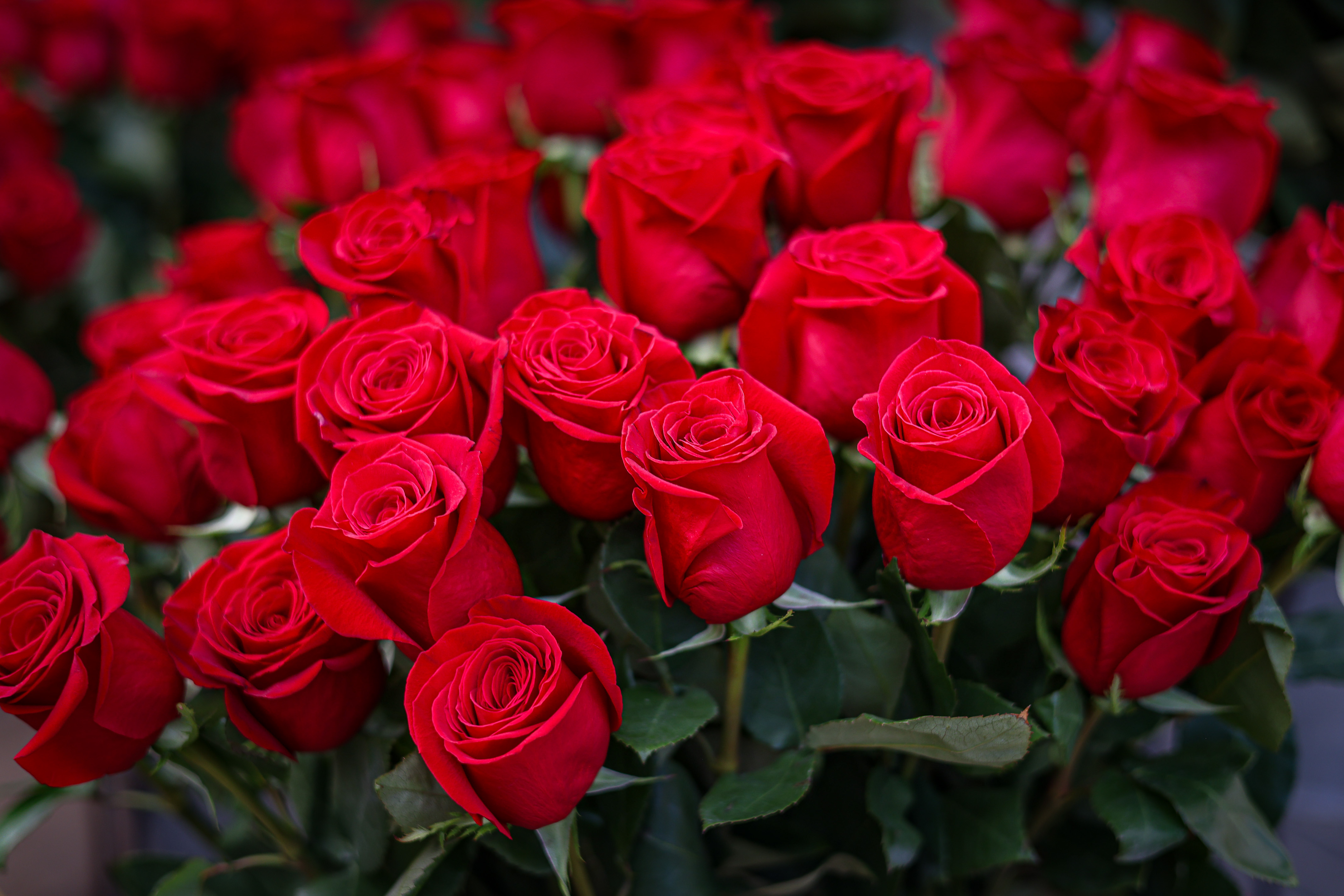
Privately operated stalls already make up the vast majority of the total, with 70%, which the guild say generates chaos, saturation and unfair competition.
President Joan Guillén explained on Monday that there is currently “a non-inclusive licensing system” that allows the emergence of numerous external companies that appear in campaigns a month before Sant Jordi and disappear after April 23, causing significant trouble within the sector.
He insisted that intrusion is a "serious problem" for Sant Jordi.
Professionals in the flower sector denounce that the current system of free stalls is unsustainable and puts at risk the viability of businesses that are part of the local commercial fabric.
“The sales expected from the 7 million roses throughout Catalonia are around €25 million,” explained Guillén, “of which only around €10 million fall within the sector.”
The president of the Florists' Guild also added that this behaviour degrades the value and image of the day.