Aigüestortes National Park has Spain's best old-growth forests, study finds
Forests at park in Pyrenees are more mature and score far above Catalan average
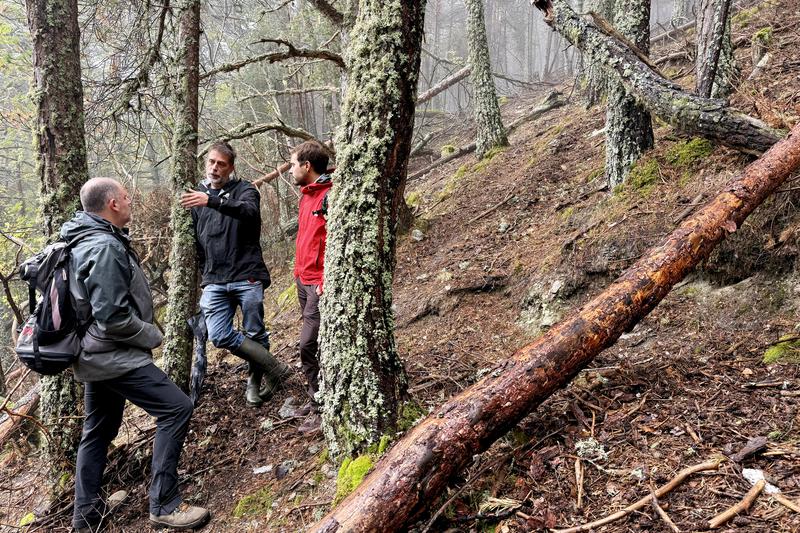

Aigüestortes i Estany de Sant Maurici National Park has the greatest quantity and highest quality of old-growth forests in both Catalonia and Spain, according to a study released this Thursday by the BHAVEC project, which is funded by EU Next Generation resources.
Researchers analyzed the maturity level of 20 forests, with Aigüestortes – Catalonia's only National Park – receiving scores between 5.3 and 8.7 out of 10. This figure far exceeds the Catalan average of 2.3, as reported in the 2020 State of Nature Report.
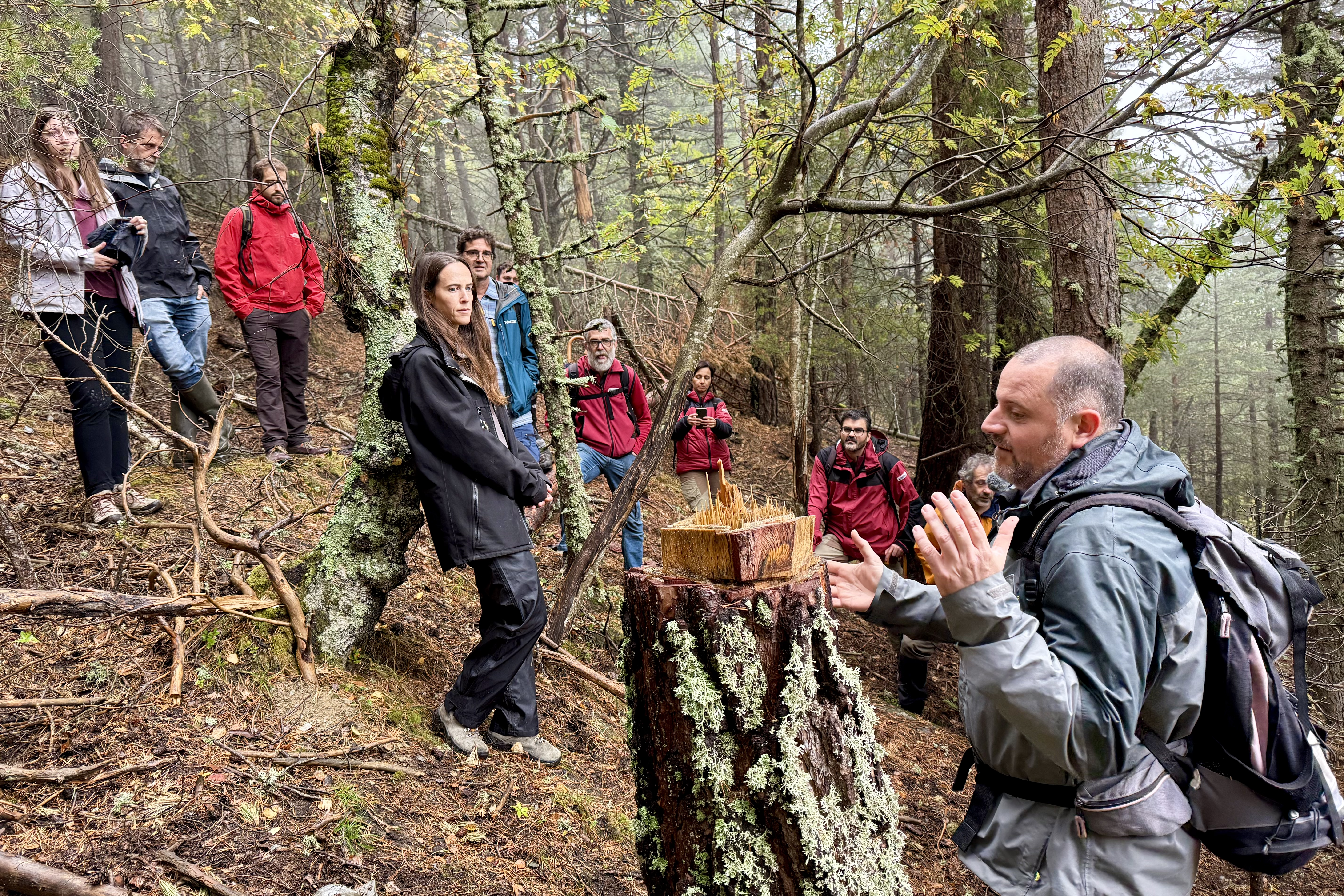
Old-growth forests serve as benchmarks for what forests would look like had they not been altered by human impact or affected by extreme events, like massive wildfires.
These conditions create an optimal environment that fosters highly diverse and unique flora and fauna, featuring centuries-old trees and an abundance of large-sized deadwood.
Such forests are rare in the Mediterranean region, estimated to cover less than 1% of the land.
"Mature forests contain trees of varying sizes and ages, along with large pieces of deadwood that create a highly complex forest structure made up of multiple vegetation layers," explained Jordi Vayreda, a CREAF researcher and co-leader of the inventory.
Vayreda added that this diversity creates a multitude of microclimatic conditions that help retain moisture more effectively, thereby enhancing resilience against disturbances such as fires or droughts, while providing shelter and food for a wide range of unique, rare, and often threatened species.
Furthermore, these forests serve as important carbon reservoirs.
"That is why identifying their locations and preserving them must be a priority," Vayreda said.
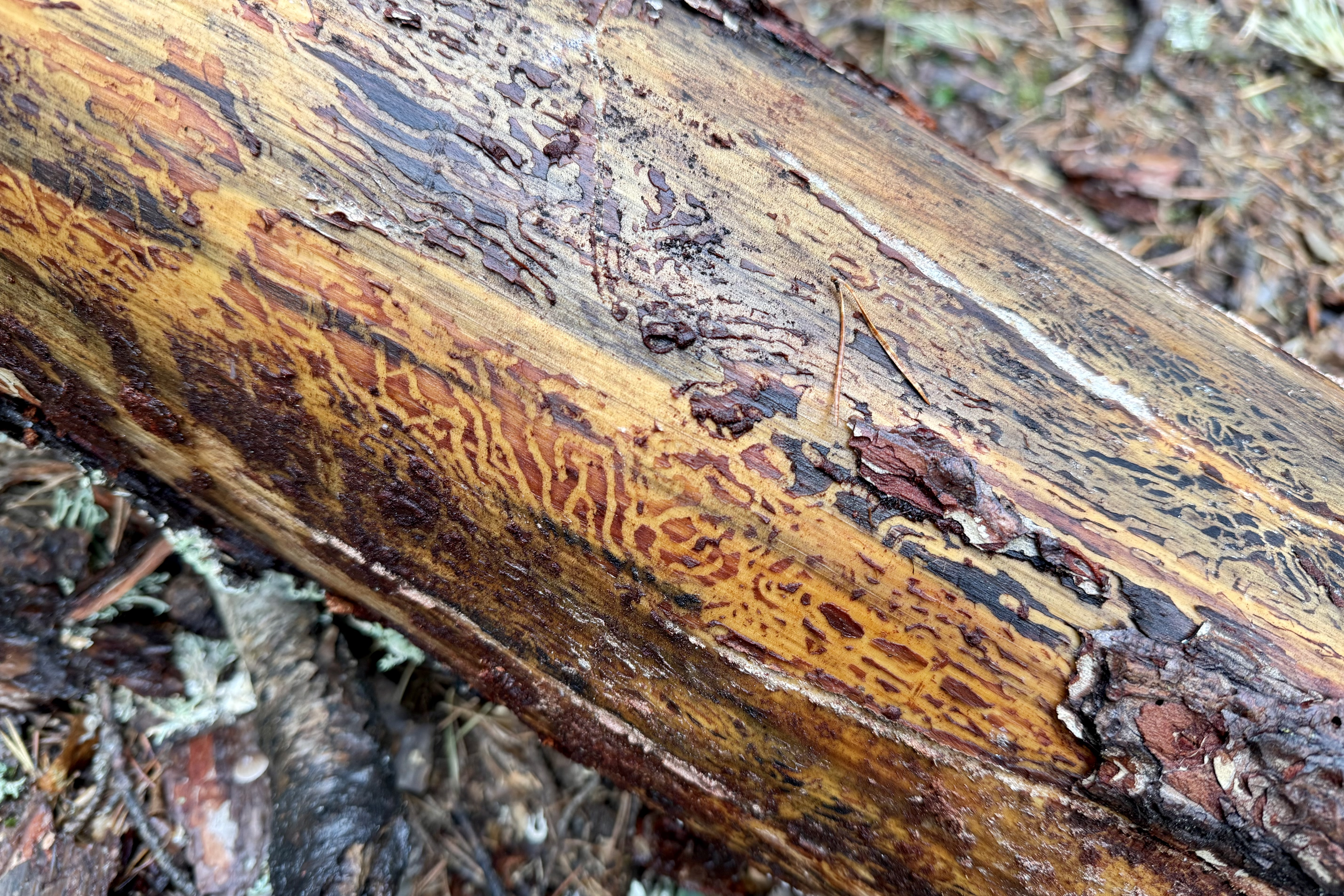
Additionally as part of the project, the fourth Ecological and Forest Inventory of Aigüestortes National Park was completed.
This involved sampling and analyzing 192 plots, located both within the National Park and in its peripheral protection zone. The aim was to obtain a detailed snapshot of the forests' conservation status, maturity level, and composition.
For the first time, the study includes a comparison with the Park's previous inventories (1993, 2004, and 2014) and reveals that the condition of forests in the National Park and the peripheral zone has improved over the last thirty years.
"Overall, we also observe that the forests are becoming increasingly mature, featuring more large trees, more deadwood, and greater structural and species diversity," said Lluís Comas, a researcher at CREAF. "This demonstrates the importance of using the National Park designation as a form of maximum protection to achieve such mature forests."