Urban music groups incorporating more instruments in bid to refresh live performance setup
Figa Flawas, Flashy Ice Cream, and P.A.W.N. Gang are some examples, as artists target 'festes majors' circuit
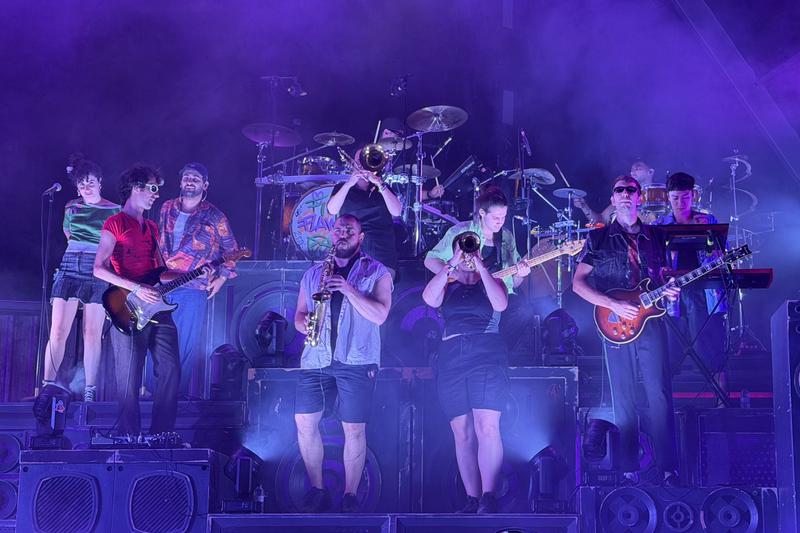

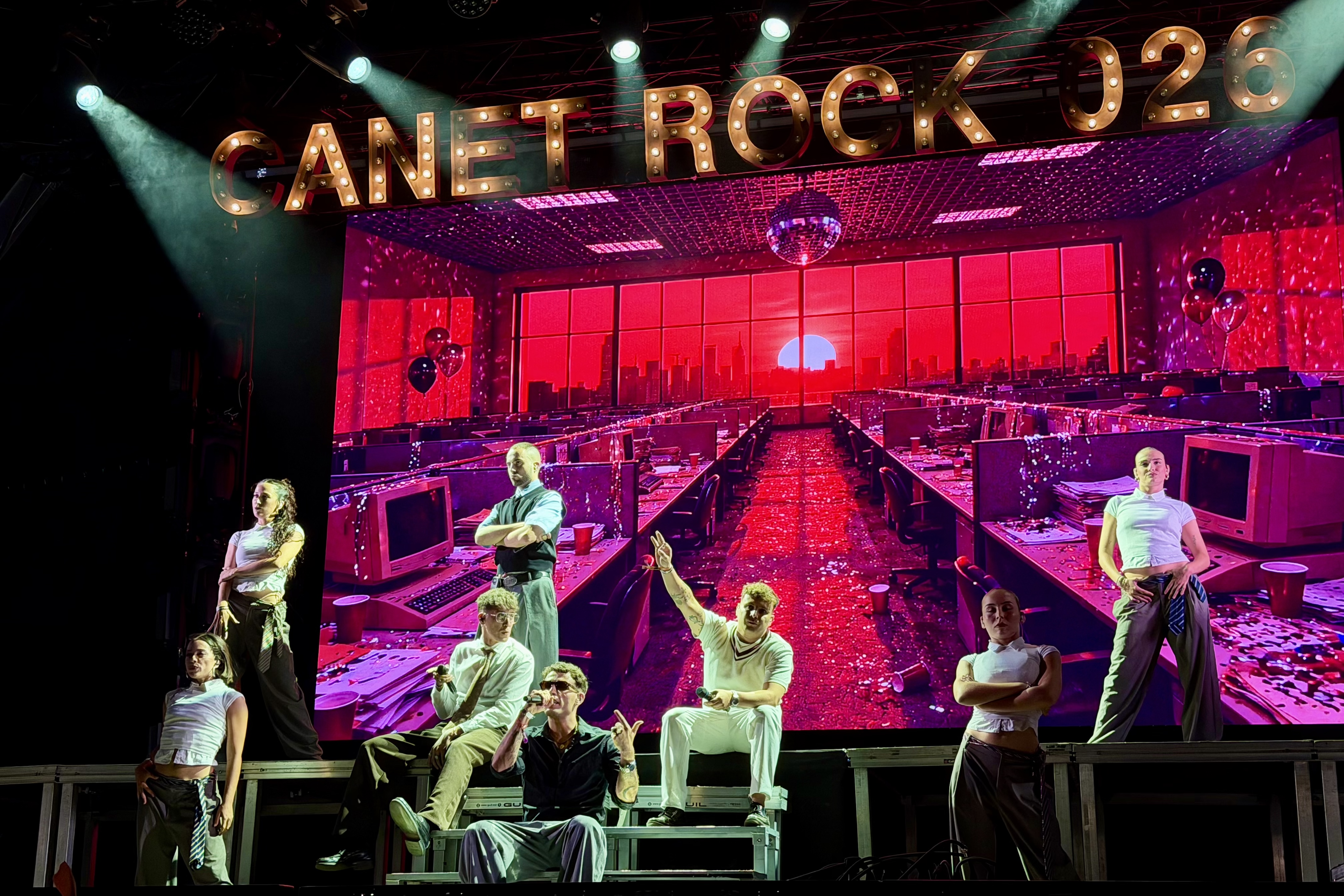
A growing trend in the Catalan urban music scene is incorporating more and more live musicians into groups’ stage acts.
Several groups, such as Figa Flawas, who have gone from two people to currently touring with 11, as well as Flashy Ice Cream and P.A.W.N. Gang, are examples of this shift.
Artists, bands, and the Picap label explained to the Catalan News Agency that this move is motivated by the intention to improve live performances that previously had a minimalist staging. Where once there was little more than a singer and DJ, now there are plenty of live instruments for the audience to enjoy.
They also add that there is a motivation to renew the genre musically, and also by the difficulty of entering the festa major circuit, which relies more on full bands.
Rosalía is another example of the shift. During her successful Motomami World Tour in 2022, controversy brewed among critics and some fans of the lack of instruments on show. Now four years later, the Lux tour is accompanied by about 20 musicians from the Heritage Orchestra. A substantial change, but one that is not an exception.
Júlia Serrasolsas, from the band Ginestà, explains that urban and pop were very different at first, but they now see that the trend is to incorporate more bands into their concerts.
Along the same lines, Dan Peralbo points out that everything is cyclical, and audiences once again want to see “people playing instruments, who play hard and can make mistakes at any time.”
While Mushka and The Tyets have introduced live elements gradually, as have Figa Flawas, who over some years have gone from two to 11. Singer Pep Velasco explained that they started with an electric guitar to "give the show some play," and then a classical guitar for a "more rumbera" sound, as well as percussion.
Now, with the group's new tour, the stage is filled with wind instruments, keyboards, percussion and drums. Velasco believes that the instruments allows them to play more with the audience and gives them "more of a show than just listening in the car or at home."
Reasons
Albert López, general director of label Picap, believes that there has been "a natural evolution" in rap when an urban music group grows and reaches larger stages, its concert format, with an MC and a DJ "often becomes poor on a stage level," and they need to scale up, with either a band or other elements such as dancers, visuals, or effects.
Another important aspect is the fact of creating unrepeatable moments. López points out that with a live band, groups can "adapt much more" to what the show demands on each tour and at each moment. "You can improvise, you can play with the tempos to extend a part, or with the encores, to create special moments."
Another factor is "the nature of the Catalan circuit." The festes majors are big stages for many Catalan groups, and in these contexts, the band format is "more accepted" because "it works better for an audience that is more broad and general."
Rapper Yung Rajola argues that urban music has, by and large, not been respected.
"The direct language of urban music has not been respected, whether it is reggaeton, trap or rap,” he tells the Catalan News Agency. “You look at how Spain works, and there, people are freer to do whatever they want. Urban music is underground, punk and anti-system, even if it is mainstream."